
Gastronomic Vienna: From Primal Broth to Multi-Starred Avant-Garde
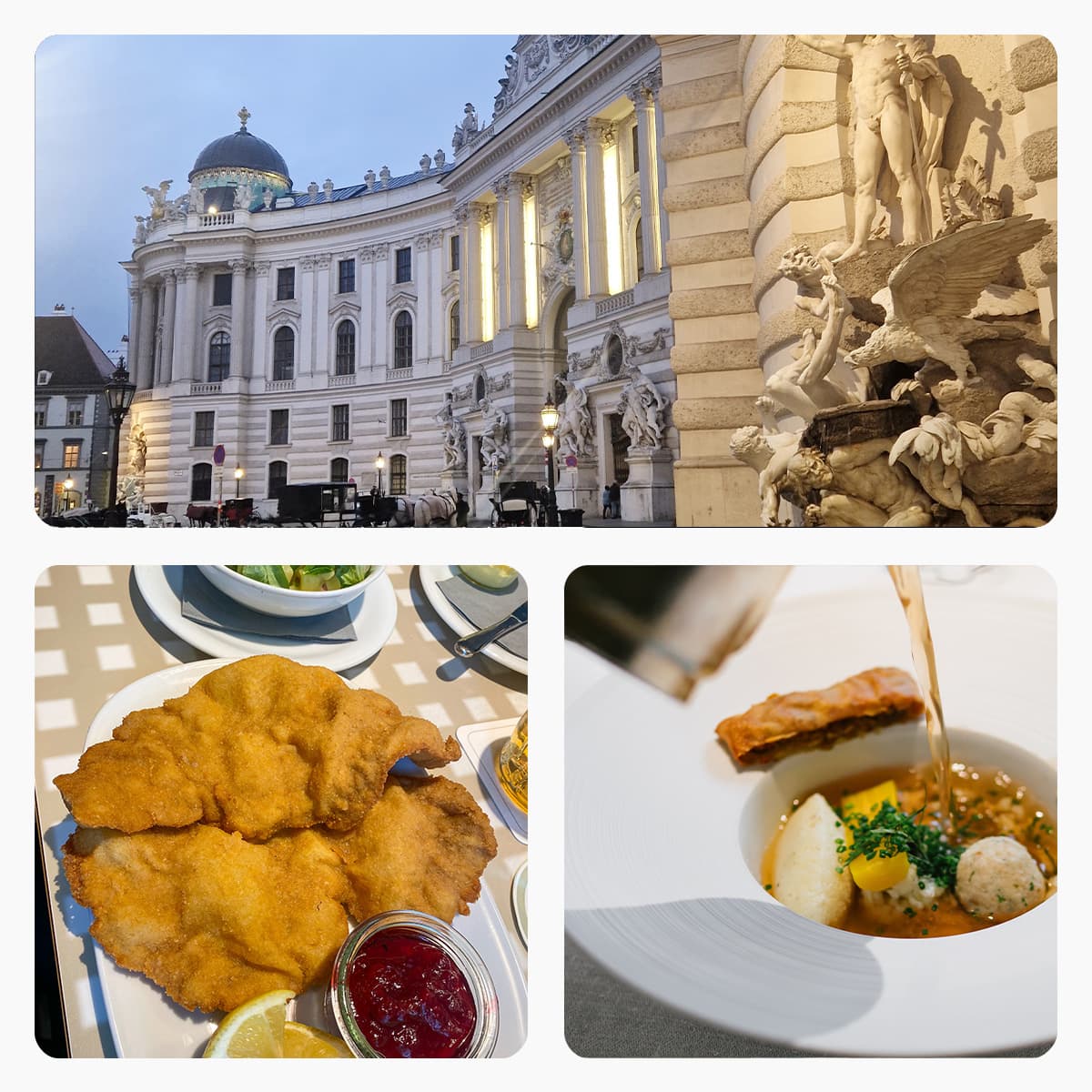

Vienna has always evoked an image that weaves together imperial poise and fin-de-siècle waltzes, a geometric elegance reflected in the solemnity of its palaces and the almost sacred ritual of its coffee houses. Yet, behind the imperial Habsburg rigor and the composed monumentality of its boulevards, the Austrian capital hides a dense, complex, and decidedly less austere gastronomic soul than its façade suggests.
Viennese cuisine is a historical crossroads where Bohemian, Hungarian, and Italian influences have settled over centuries to create a unique repertoire. It begins, of course, with the Wiener Schnitzel—thinly pounded veal, breaded and fried in clarified butter until it achieves a wavy, golden crust that pulls away from the meat like a cloud. Alongside it, the cult of broth finds expression in Frittatensuppe (pancake soup) or the richer wedding soup, where beef broth becomes a stage for dozens of dumplings and garnishes.
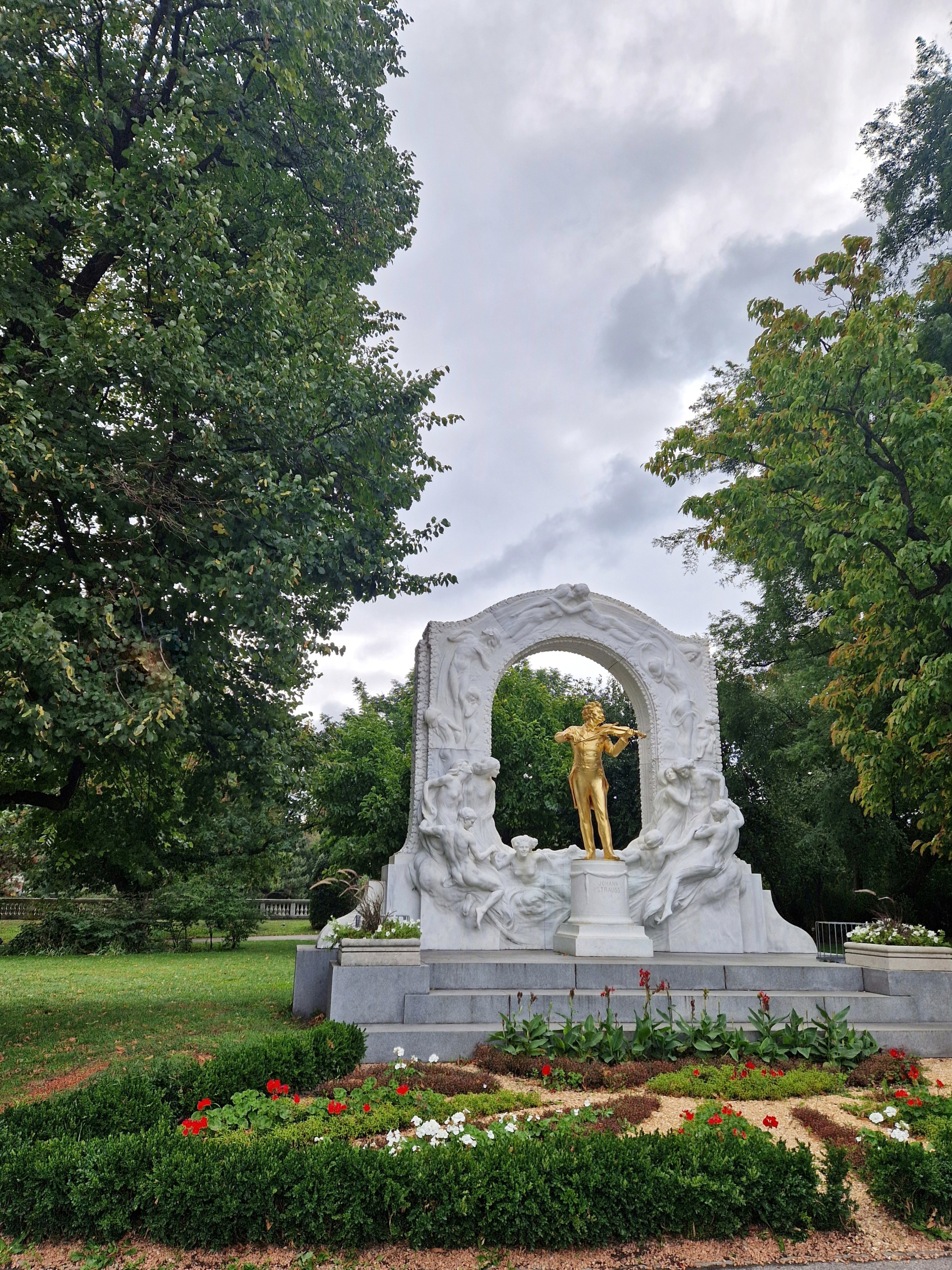
On the carnivorous front, the spotlight belongs to Tafelspitz, the boiled beef beloved by Emperor Franz Joseph. Meanwhile, the monumental pastry chapter oscillates between the rigor of the Sachertorte and the buttery opulence of Kaiserschmarrn—a shredded, caramelized sweet pancake served hot with plum compote, born to satisfy imperial whims and now a cornerstone of any authentic stop in the city, from breakfast to late-night cravings. To truly understand it, you must experience it from dawn to dusk, not forgetting its great urban parks like the Stadtpark—elegant green oases where Vienna shows its most monumental yet relaxing side.
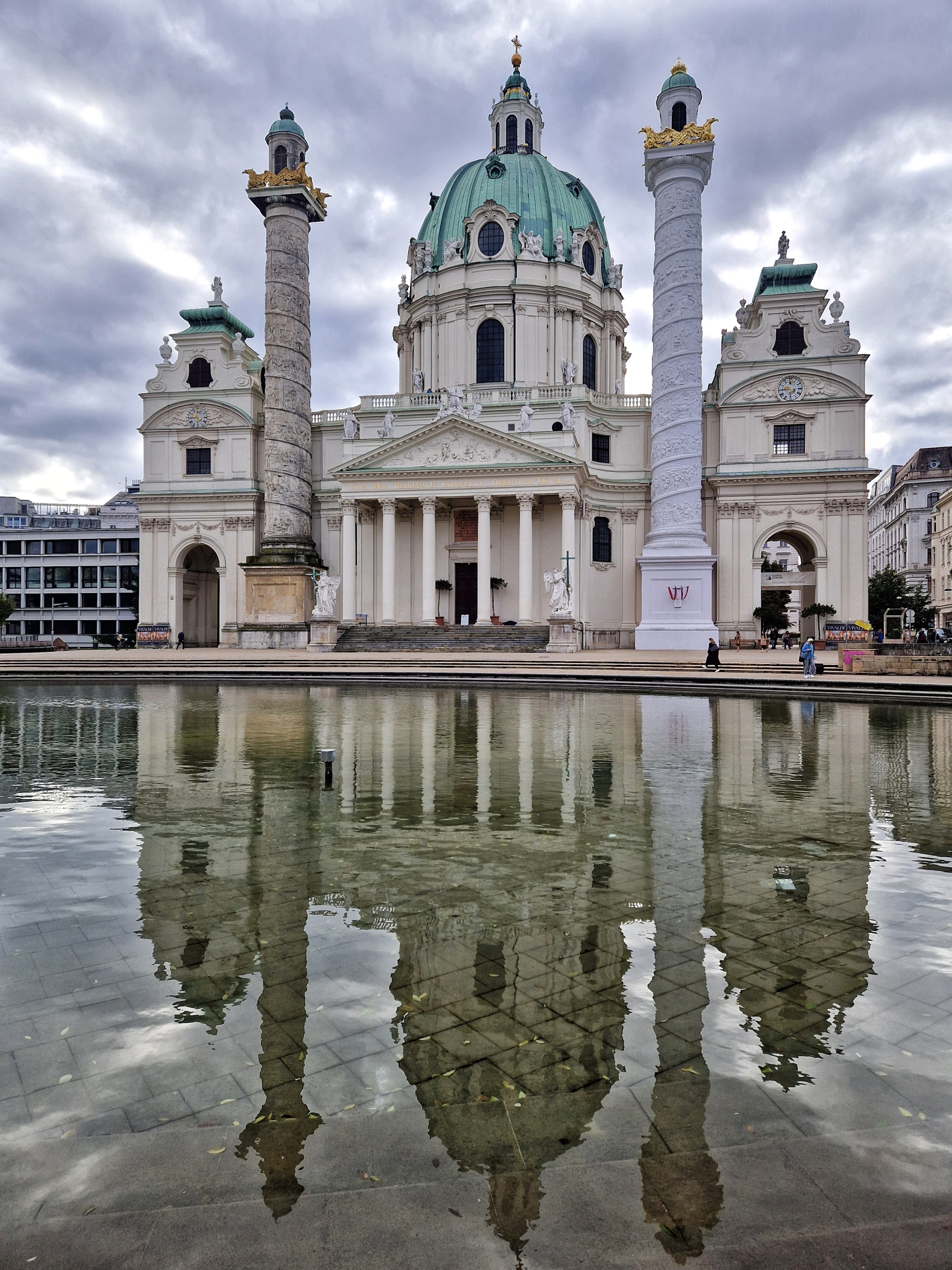
Breakfast: Long Fermentations and Wholemeal Flours in the City Center
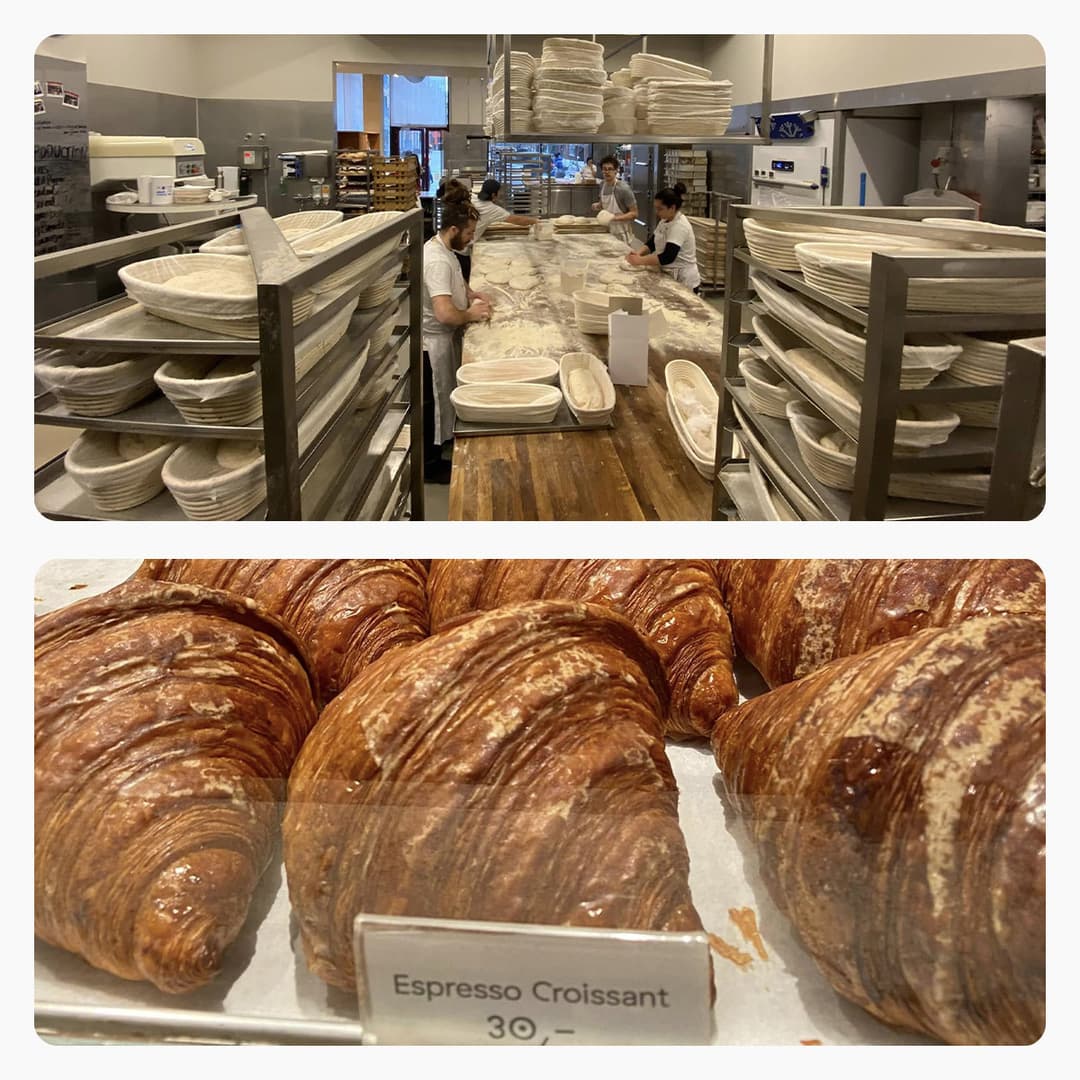
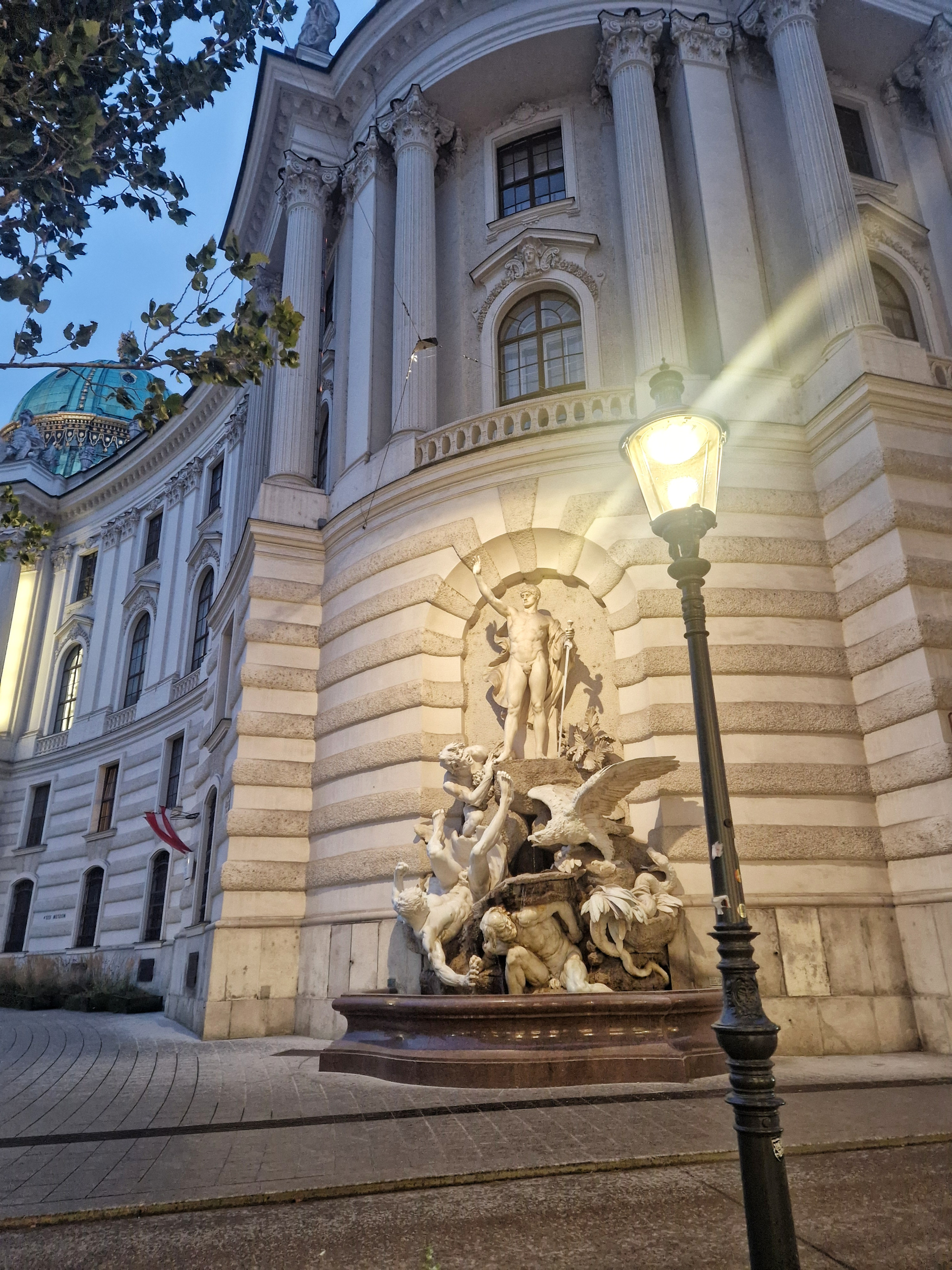
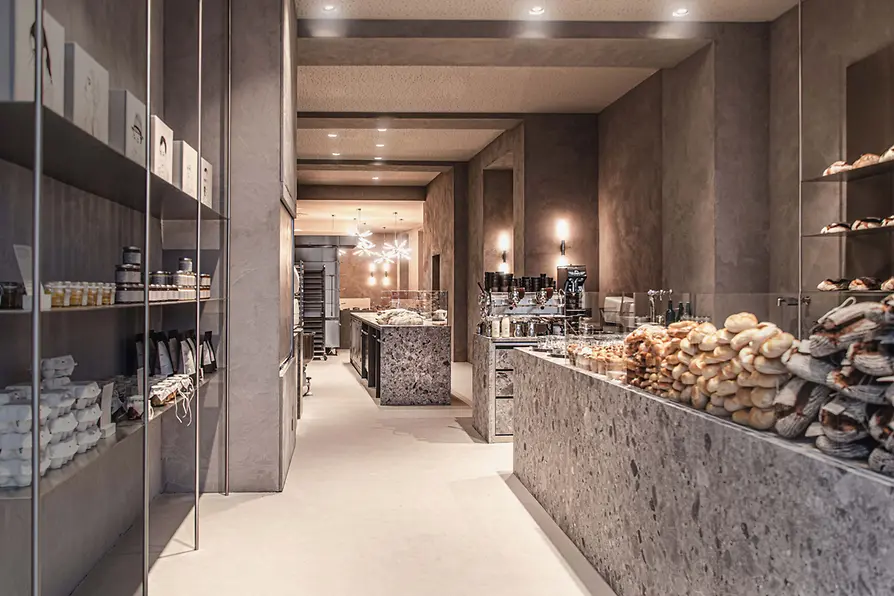
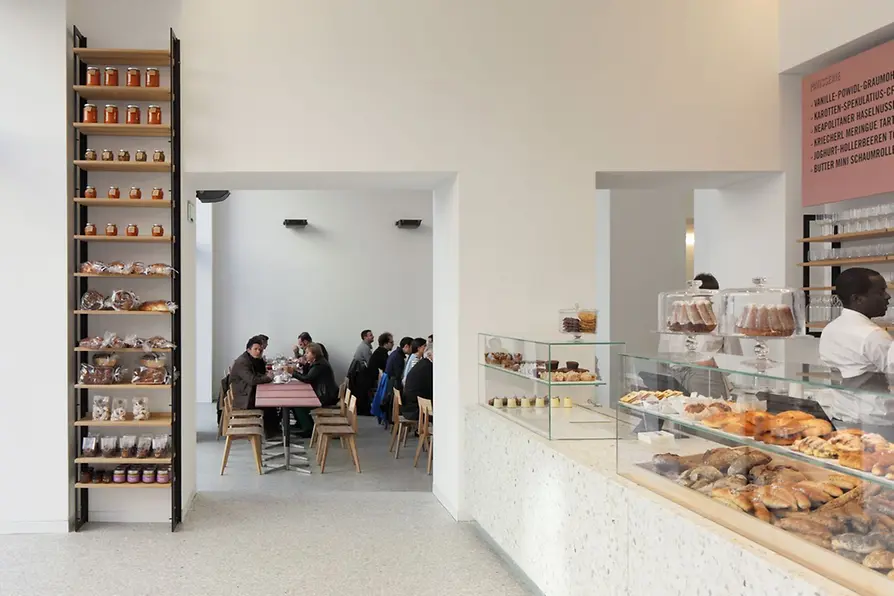
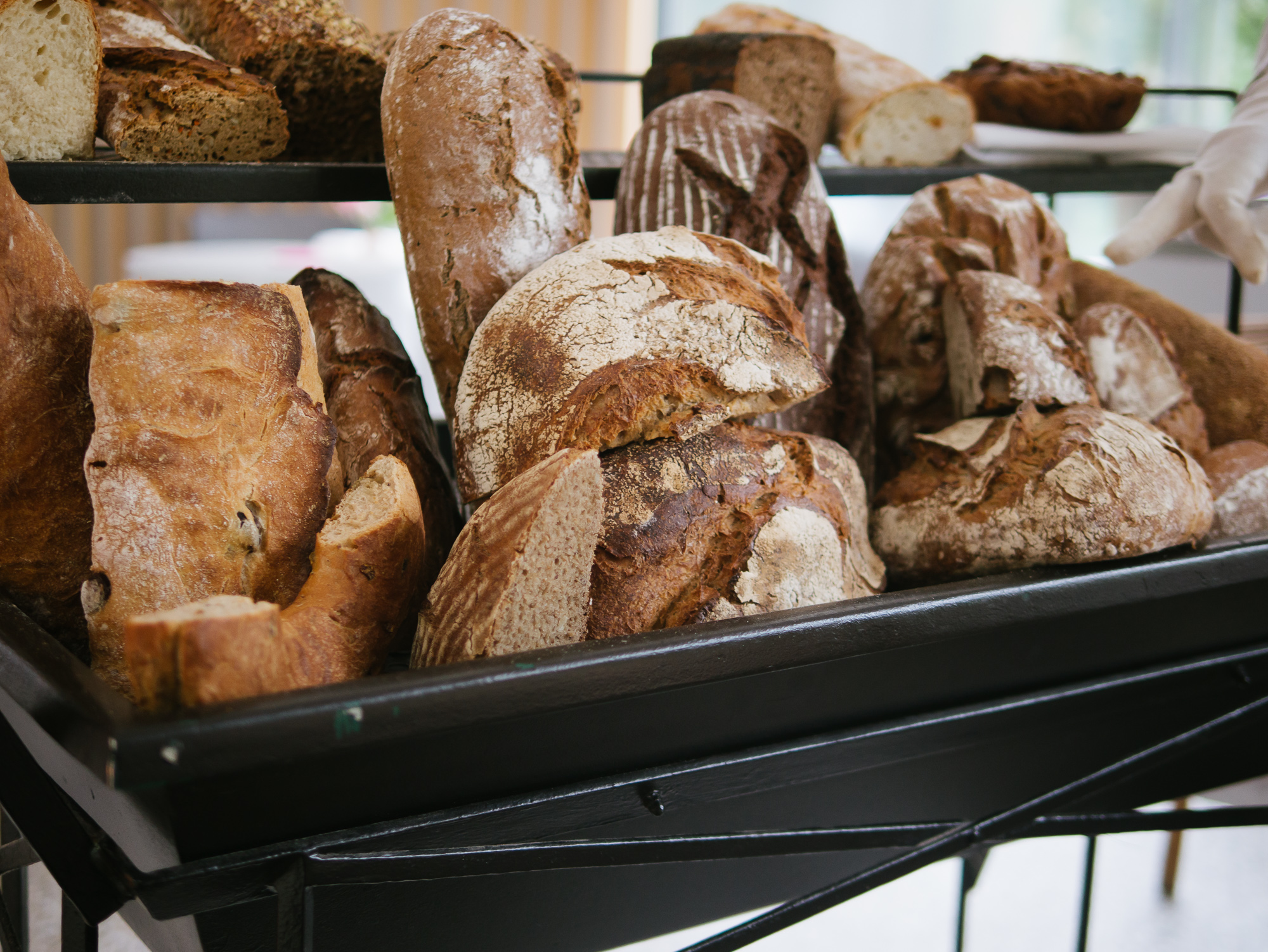
Morning begins in the First District, not far from the imposing Hofburg Imperial Palace, where artisanal baking is celebrated at Joseph Brot. This contemporary bakery tackles the "white art" using entirely organic ingredients, ancient grains, and long natural fermentations, resulting in loaves and pastries of pristine fragrance. This analytical management of flour and fermentation has earned them the honor of supplying the bread cart for Steirereck, the city’s famous three-Michelin-starred restaurant.
Just a few steps away, service shifts to the dark-wood salons of Demel, a historic institution that preserves Habsburg tradition by inevitably serving the finest Sacher cake in town, while also spotlighting its Kaiserschmarrn—a fluffy, shredded sweet pancake caramelized in butter and served hot with plum compote. Nearby on Wollzeile, the prestigious Bio-Bäckerei Öfferl offers a radical approach to breakfast, catering to a clientele that values clean flavors and short, organic supply chains with its dark-crusted breads and baked leavened goods.
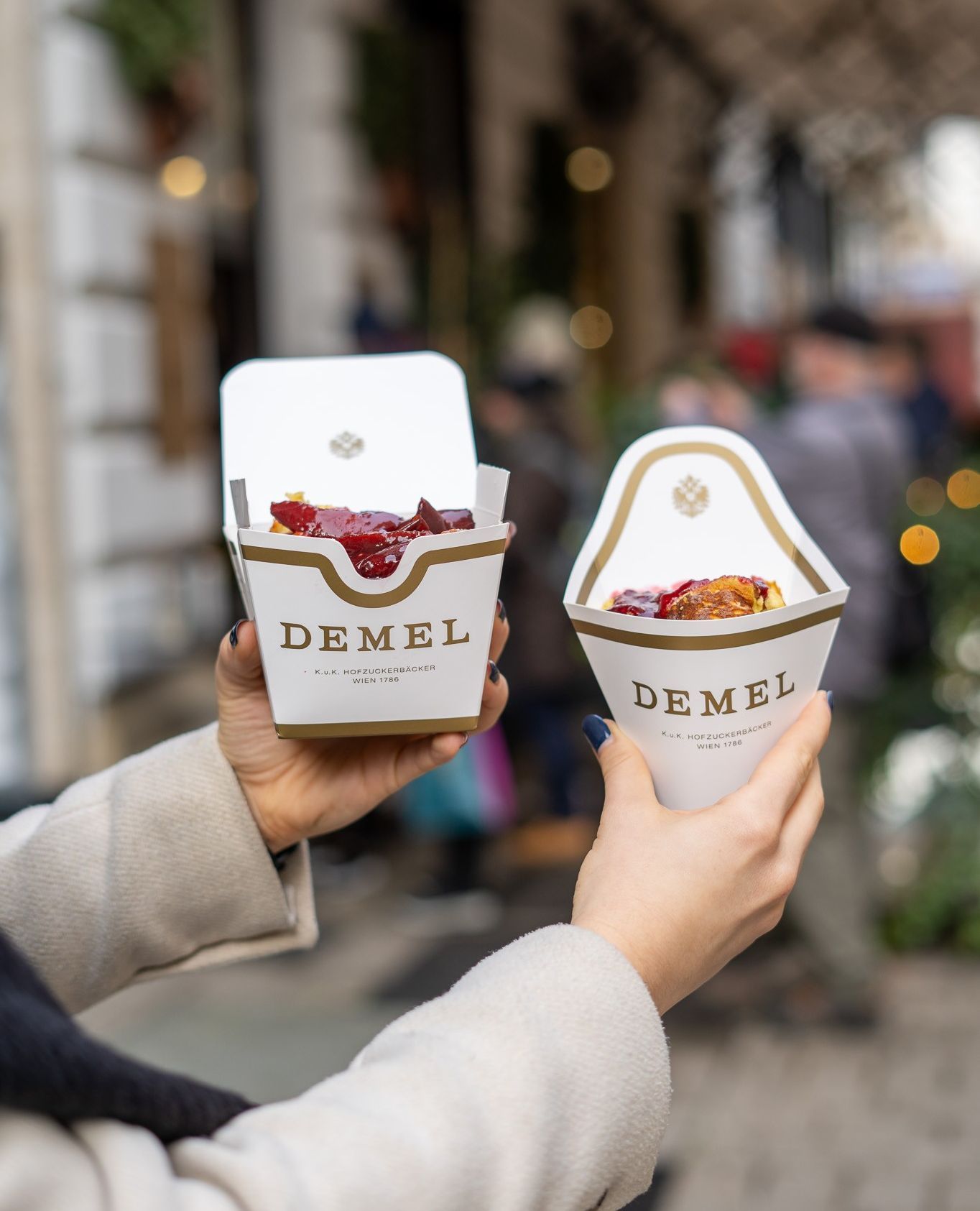
Demel
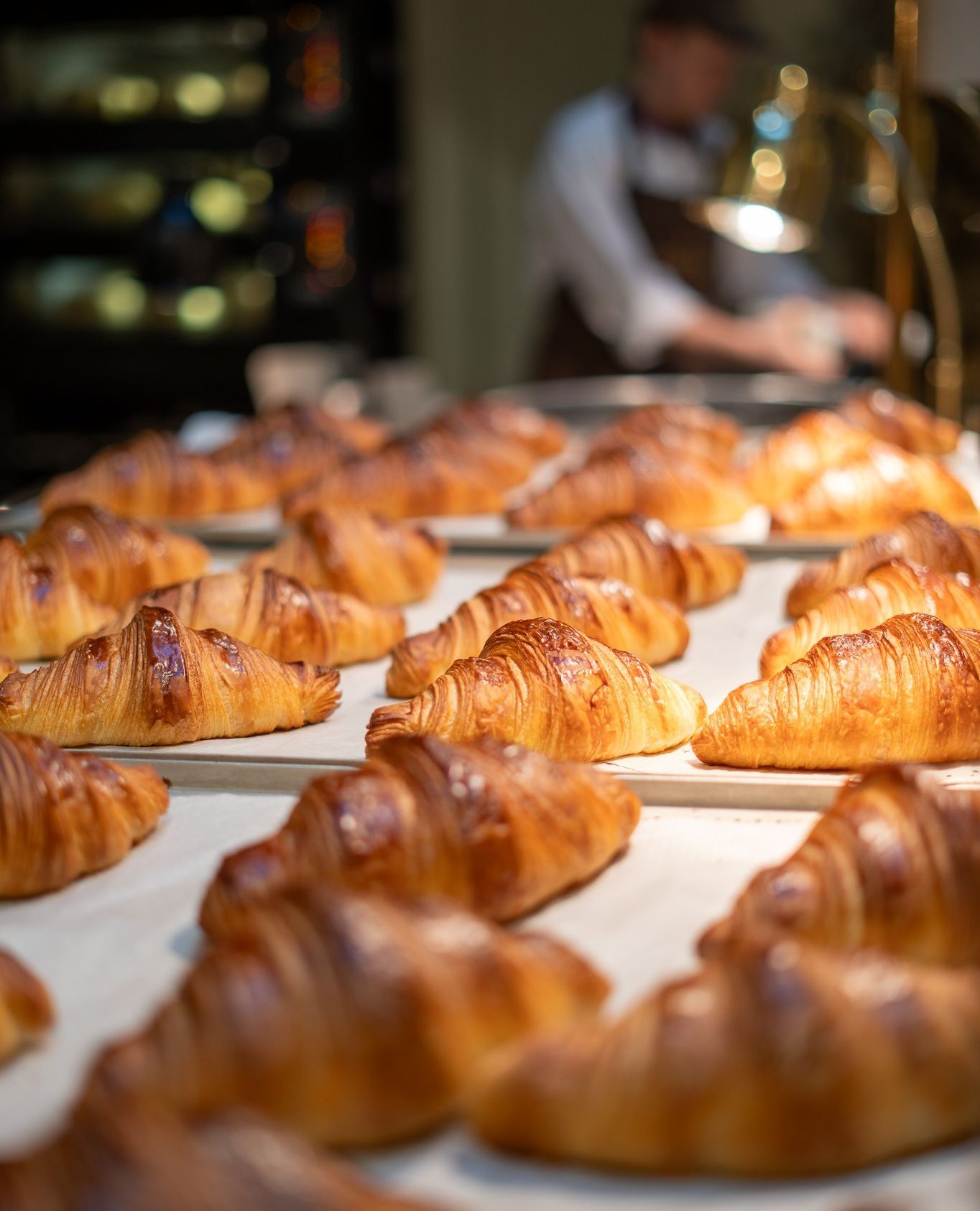
Demel
Öfferl
Joseph Brot
Joseph Brot
Lunch: The Reign of the Schnitzel and Afternoon High Pastry
Lunch calls for streamlined yet rigorous options, starting near the majestic St. Stephen’s Cathedral, a masterpiece of Central European Gothic architecture with its glazed tiled roof. Here, Lugeck offers a contemporary take on the Viennese tavern, serving a clean, refined line of traditional bourgeois gastronomy inside a monumental historic building.
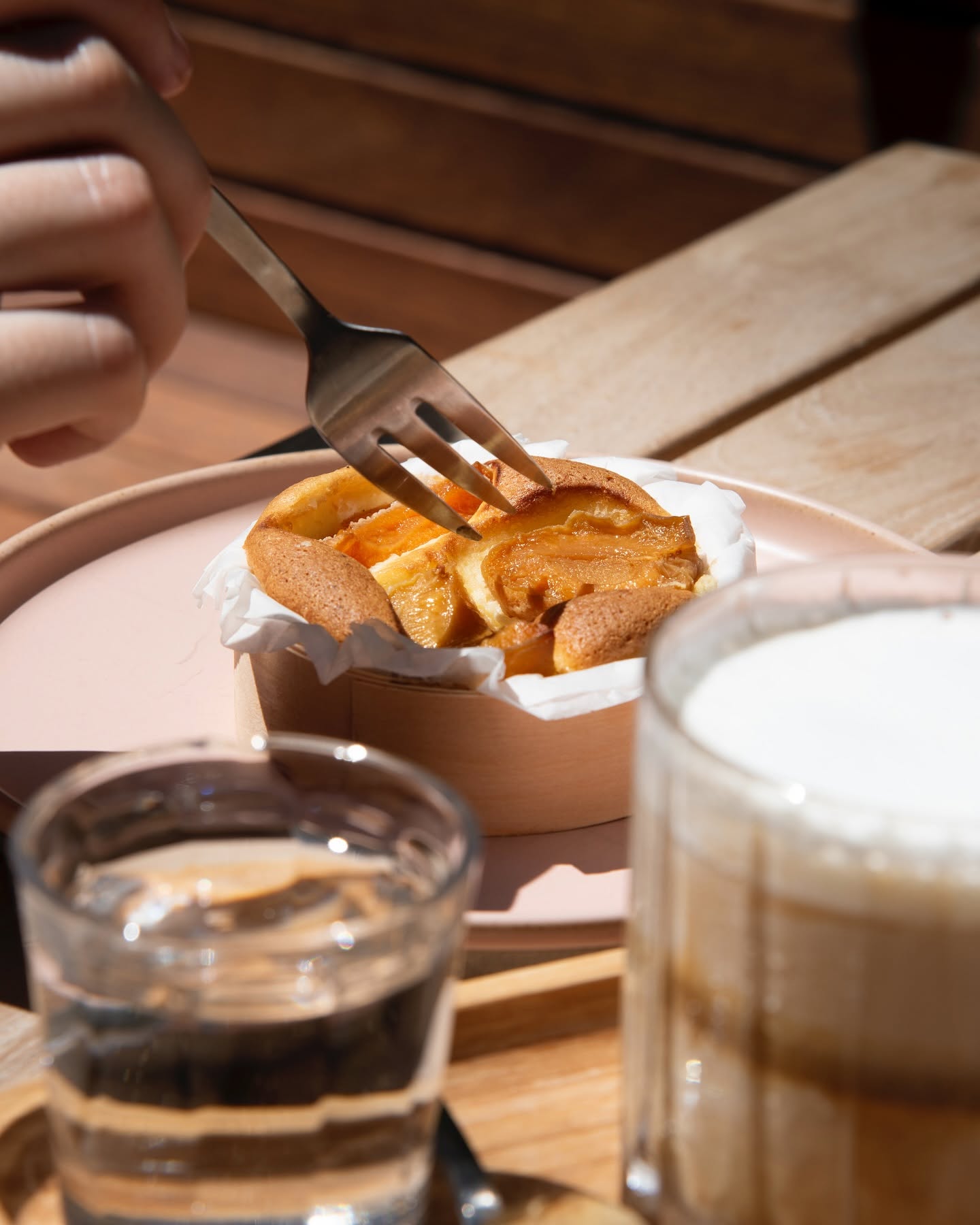
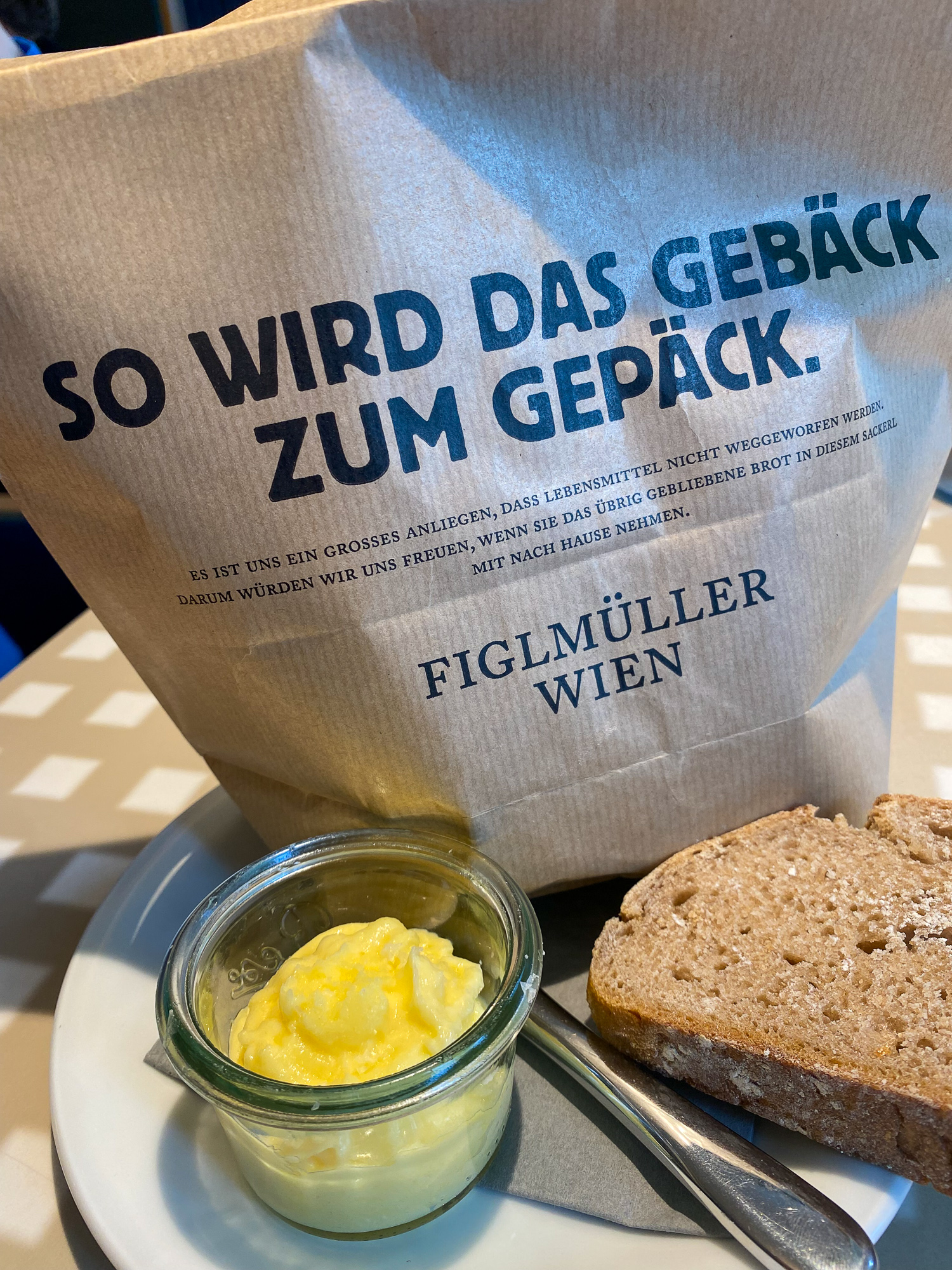
In the adjacent alleyways lies Figlmüller, the ultimate benchmark for Wiener Schnitzel. A pillar of the city’s dining scene, it eschews passing trends by serving pork and beef cutlets pounded so thin they spill over the plate to ensure perfect crispness and precise cooking. Just past the sumptuous Vienna State Opera, a perfect daytime pause awaits in the minimalist setting of Café Ihana, where pastry chef Hanna Yrjölä prepares traditional leavened Carnival pastries filled with cream, almond paste, or a fresh, tart raspberry jam.
Lugeck
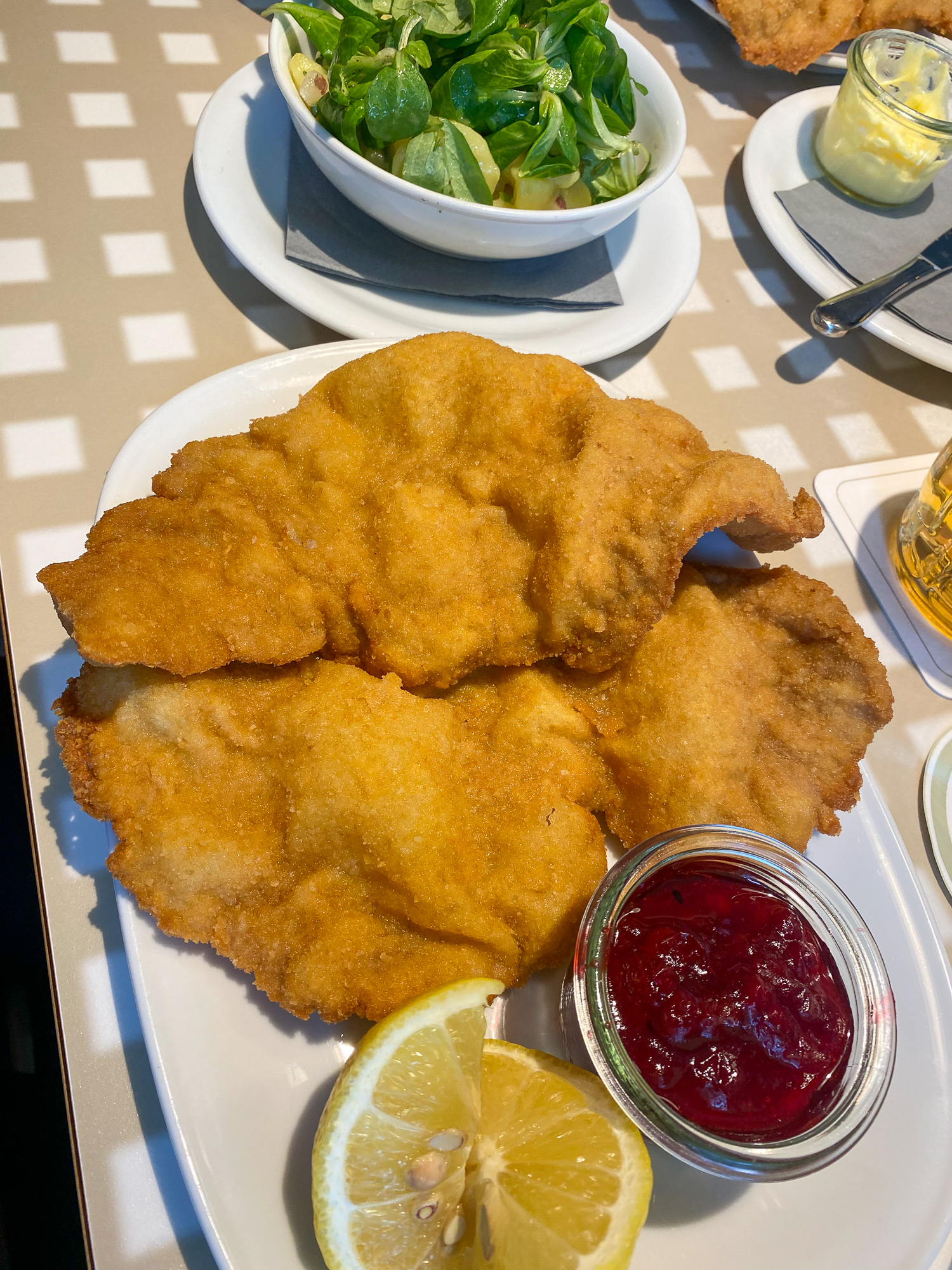
Lugeck
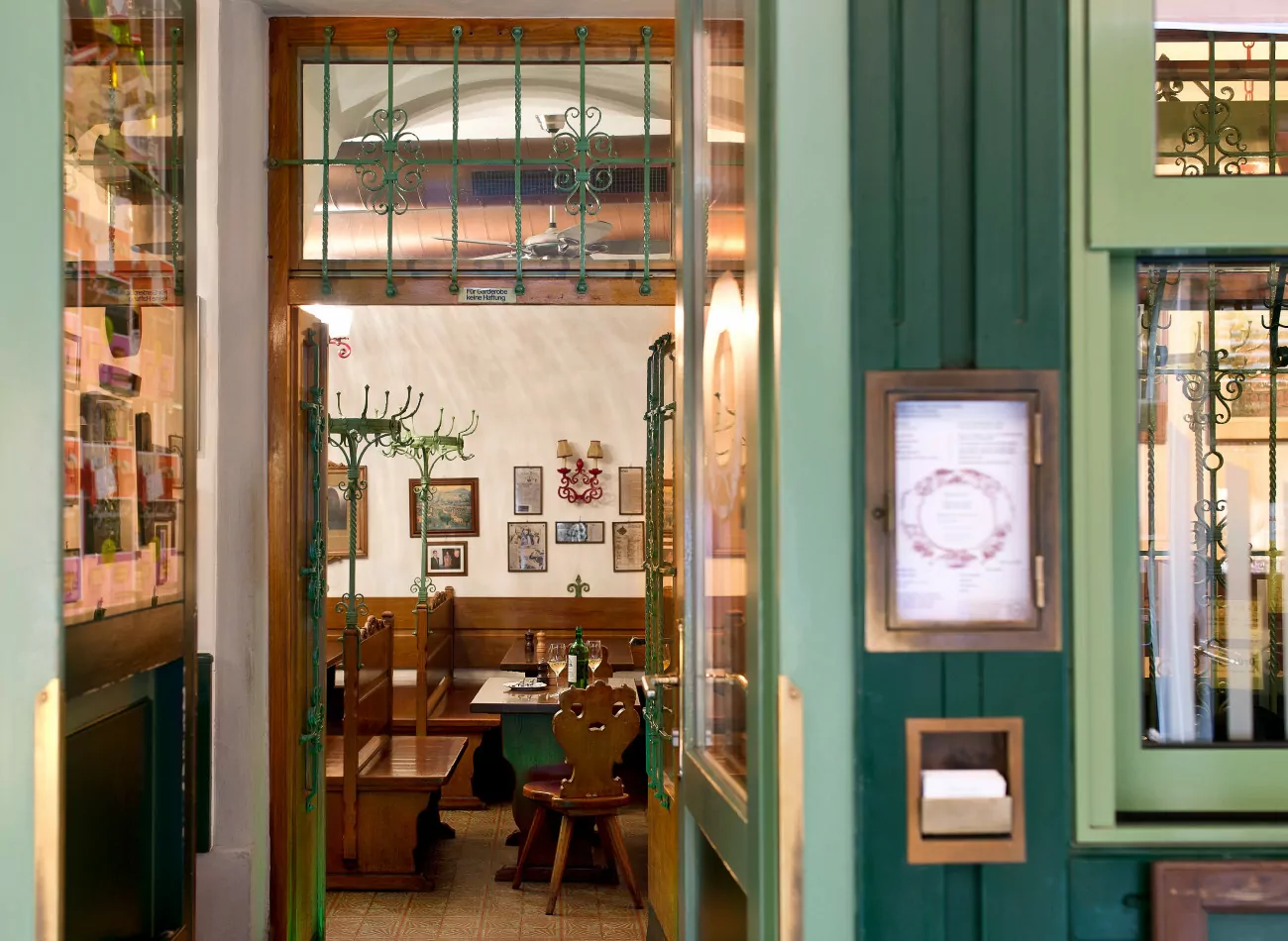
Figlmüller
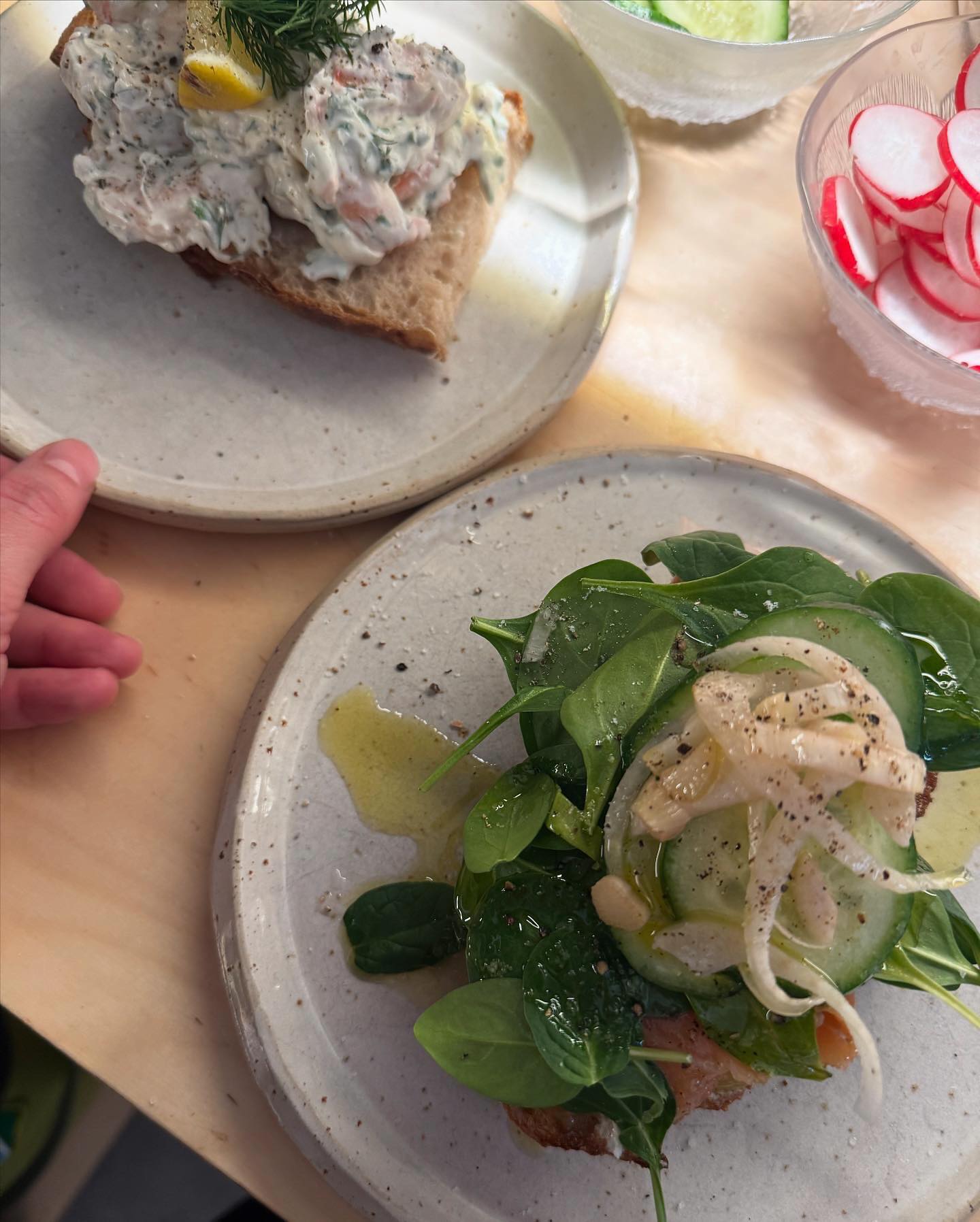
Café Ihana
Dinner: From Three-Starred Grandeur to Street-Chic Kiosks
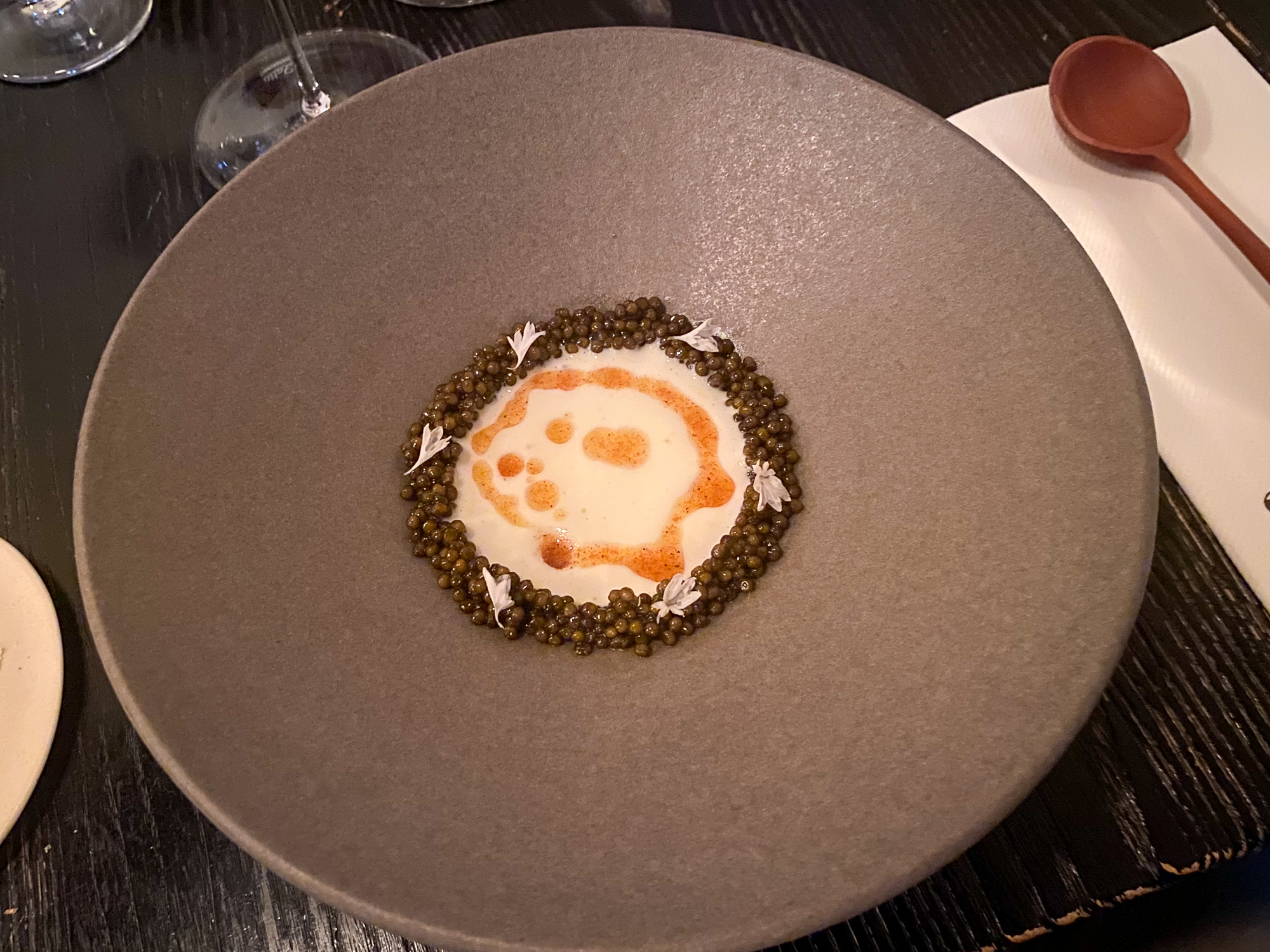
Dinner showcases the technical complexity and historical memory of the city, starting with Konstantin Filippou in the First District. Here, the chef's Greek roots seamlessly integrate with Austro-Hungarian rigor to create an essential, predominantly marine cuisine driven by a sophisticated use of acidity and extractions, as seen in his dish of iced Amalfi lemon, caviar, fermented rice, and brown butter.
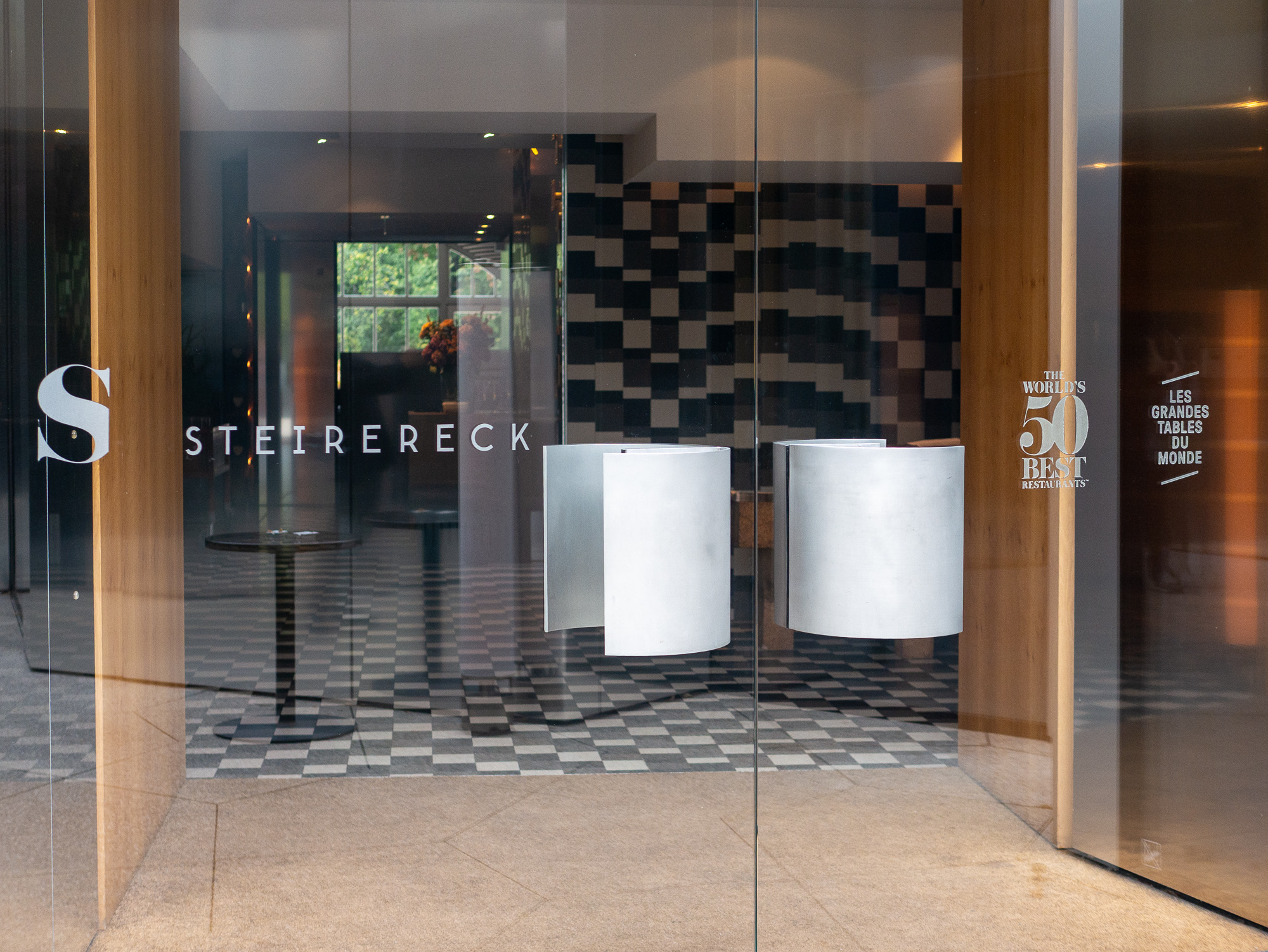
The peak of culinary precision is reached in the Stadtpark, just past the golden statue of Johann Strauss, at Steirereck. In this three-starred temple, an eighty-seat service operates with engineering precision, utilizing custom-developed software to track order times down to the minute, while staff use detailed description cards at the table to ensure guest conversations flow uninterrupted. The kitchen maps the biological heritage of Central Europe, firmly rejecting exotic distractions. The gastronomic journey begins with a vegetable welcome of Styrian cherry tomatoes and pumpkins, followed by char cooked tableside in molten beeswax, served with yellow carrot jelly and sour cream flavored with cayenne pepper.
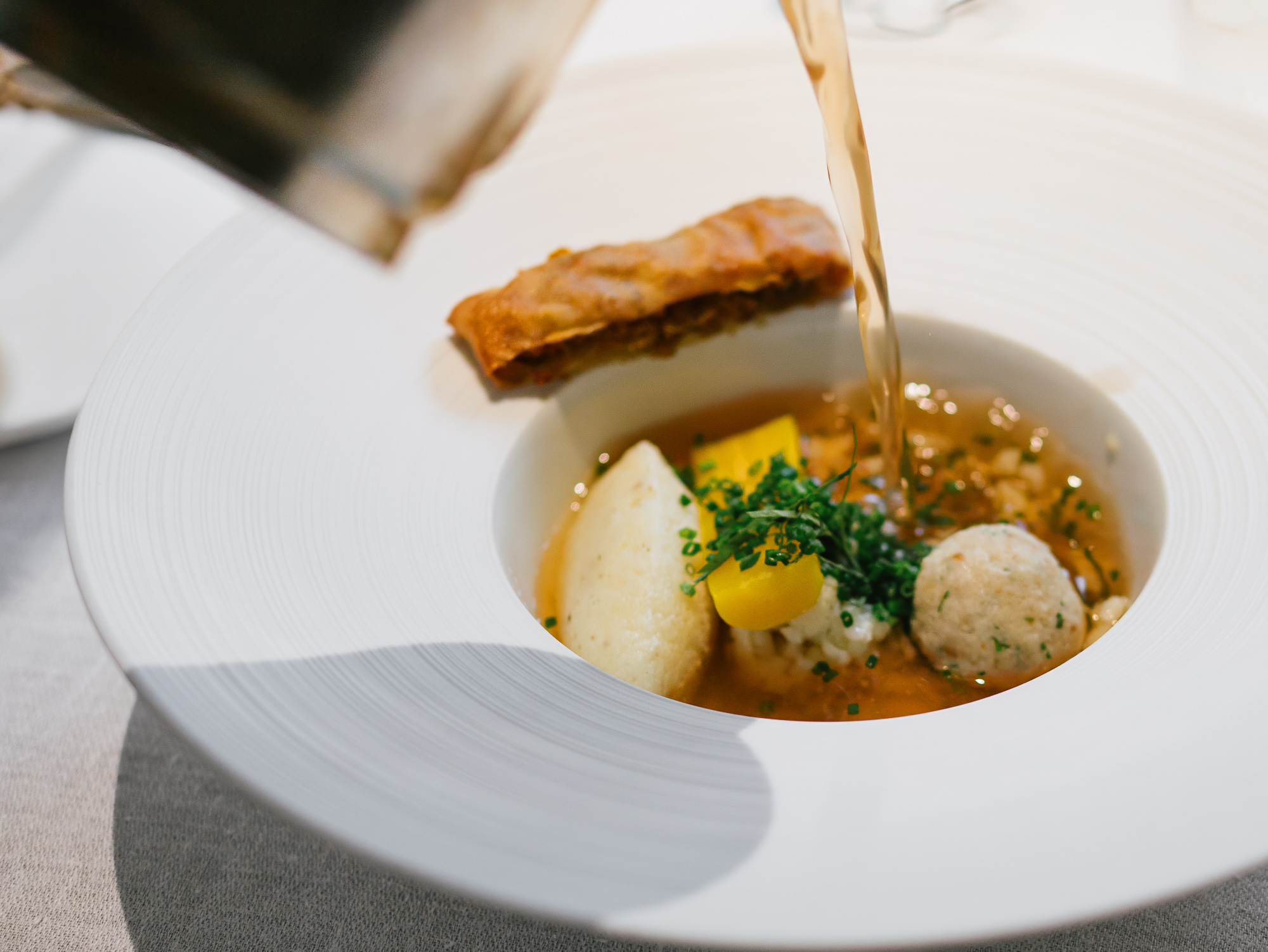
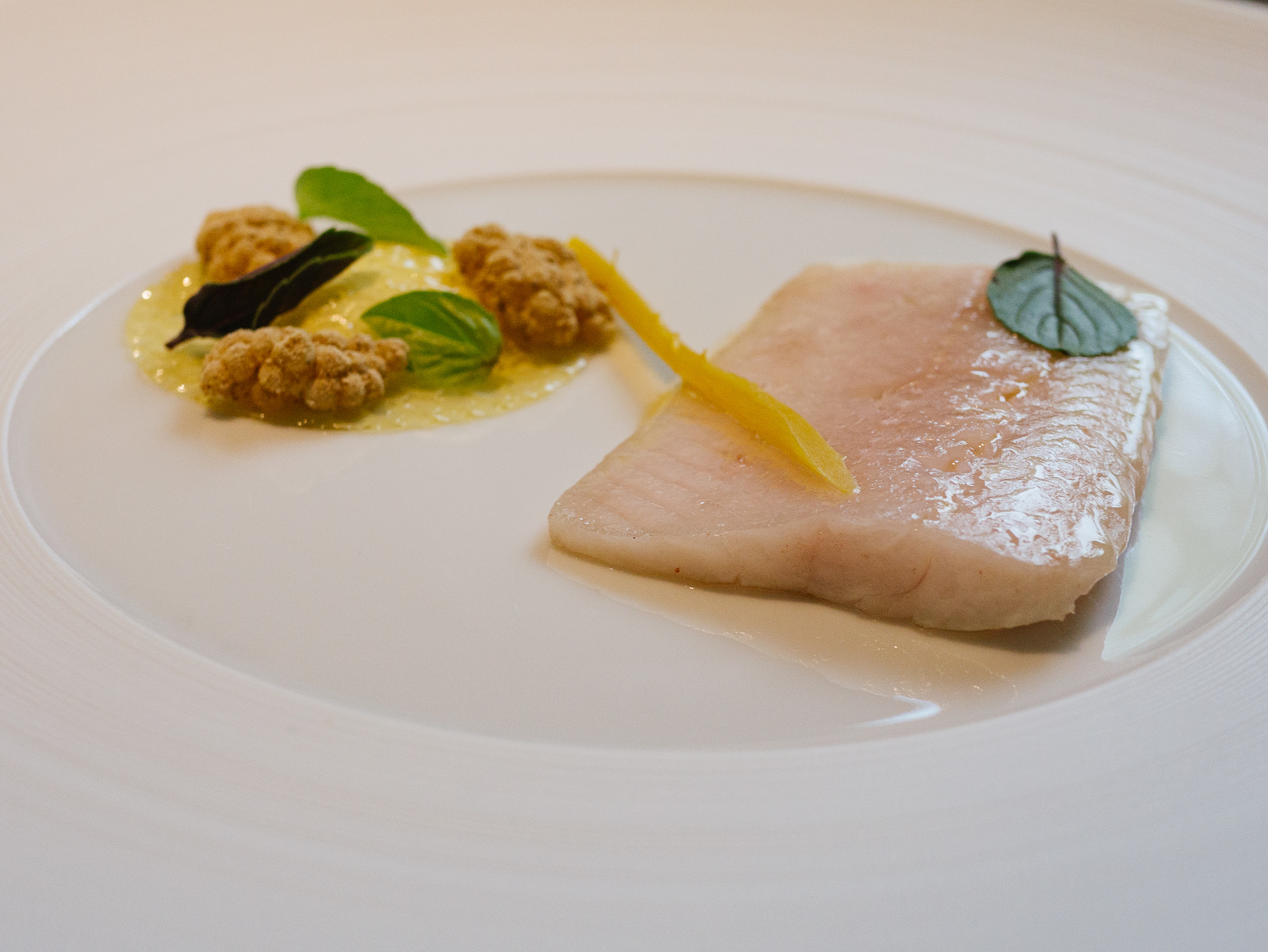
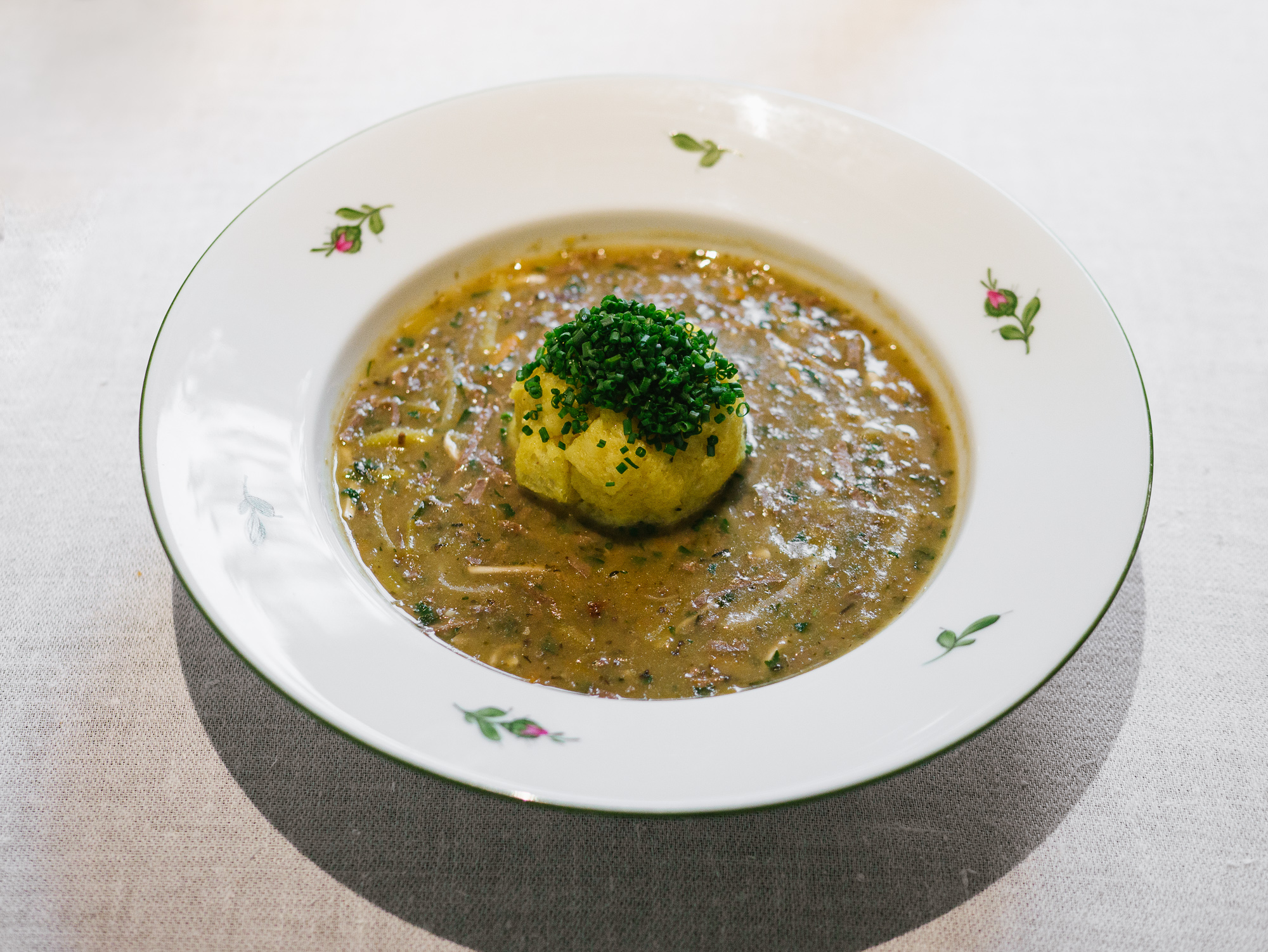
The menu continues to explore flavor complexity through king oyster mushrooms paired with cabbage and perilla, alongside a historic wedding soup featuring a flawlessly clarified beef broth, and Rosa and Perlina eggplant with porcini mushrooms and hay-infused butter foam. This intricate vegetable architecture of pumpkins and peppers with fermented horseradish leads into traditional offal, represented by veal Beuschel with a gherkin-anchovy pesto and chive dumplings. The savory acts conclude with wild duck in a quinoa crust with dried pear cream, charcoal-grilled sturgeon glazed with cornelian cherries and gin accompanied by Romanesco broccoli, and venison with Risina beans and fermented celery.
For the sweet finale, the kitchen offers Schönbrunn bitter orange with buttermilk ice cream and honeycomb honey served to the sound of a buzzing beehive, Viennese mango-melon with fennel pollen semifreddo, medlar with candied violets in crispy crêpes, and faux potato noodles in melted butter and grey poppy seeds with damson plum ice cream.
The pinnacle of the dining room experience is the masterful management of the trolleys, which act as mobile outposts of culinary culture. The bread trolley, stocked daily by select artisanal bakers, is captained by Andreas Djordjevic, who describes over twenty varieties of ancestral sourdoughs and alpine spices with profound, unpedantic knowledge. Nearby rolls the monumental cheese trolley guided by Birgit Reitbauer, followed by the infusion trolley, where fresh herbs, roots, and wild botanicals are cut and selected tableside for instant extraction.
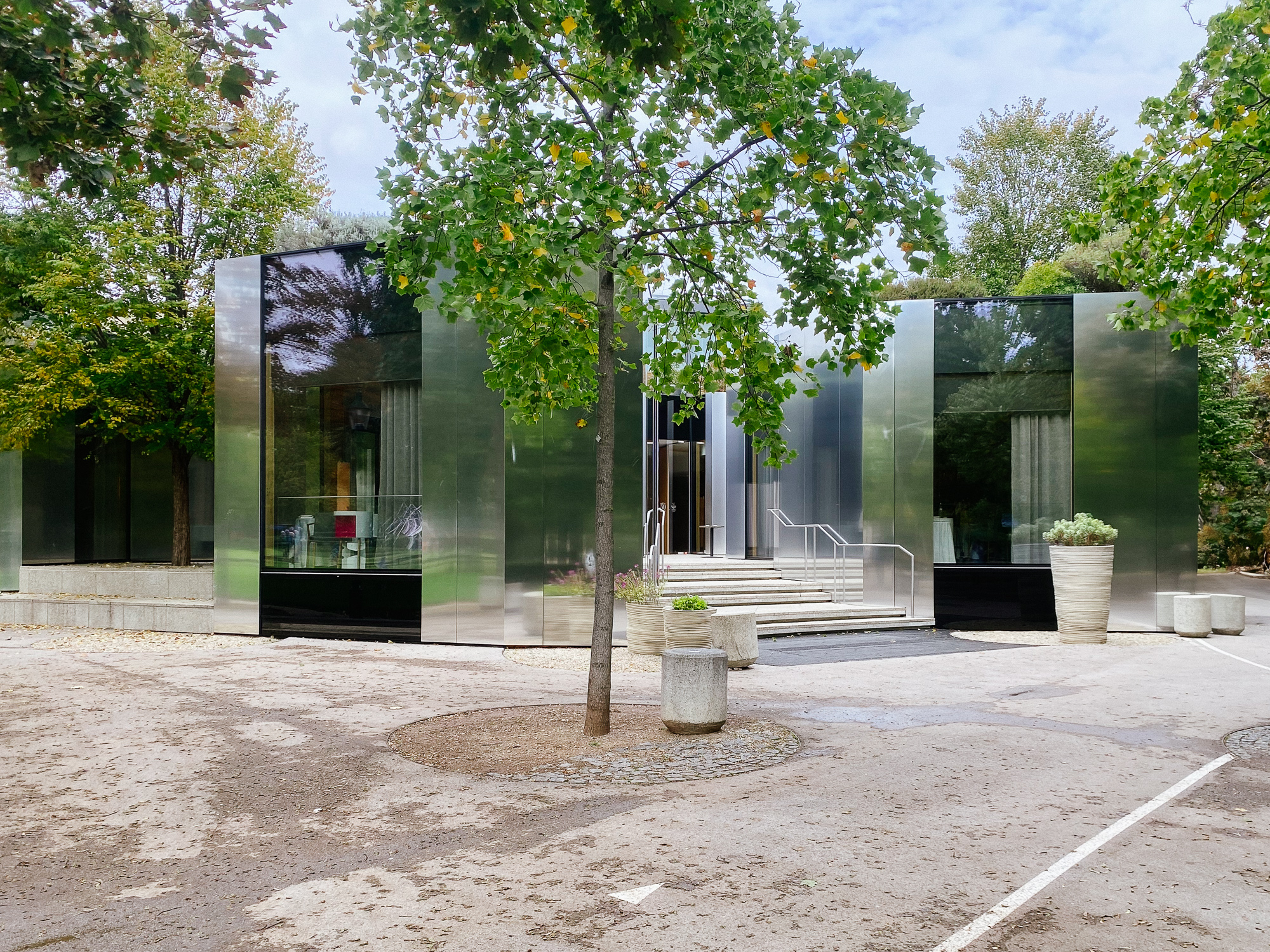
Steirereck
Steirereck
Steirereck
Steirereck
Steirereck
Steirereck
Konstantin Filippou
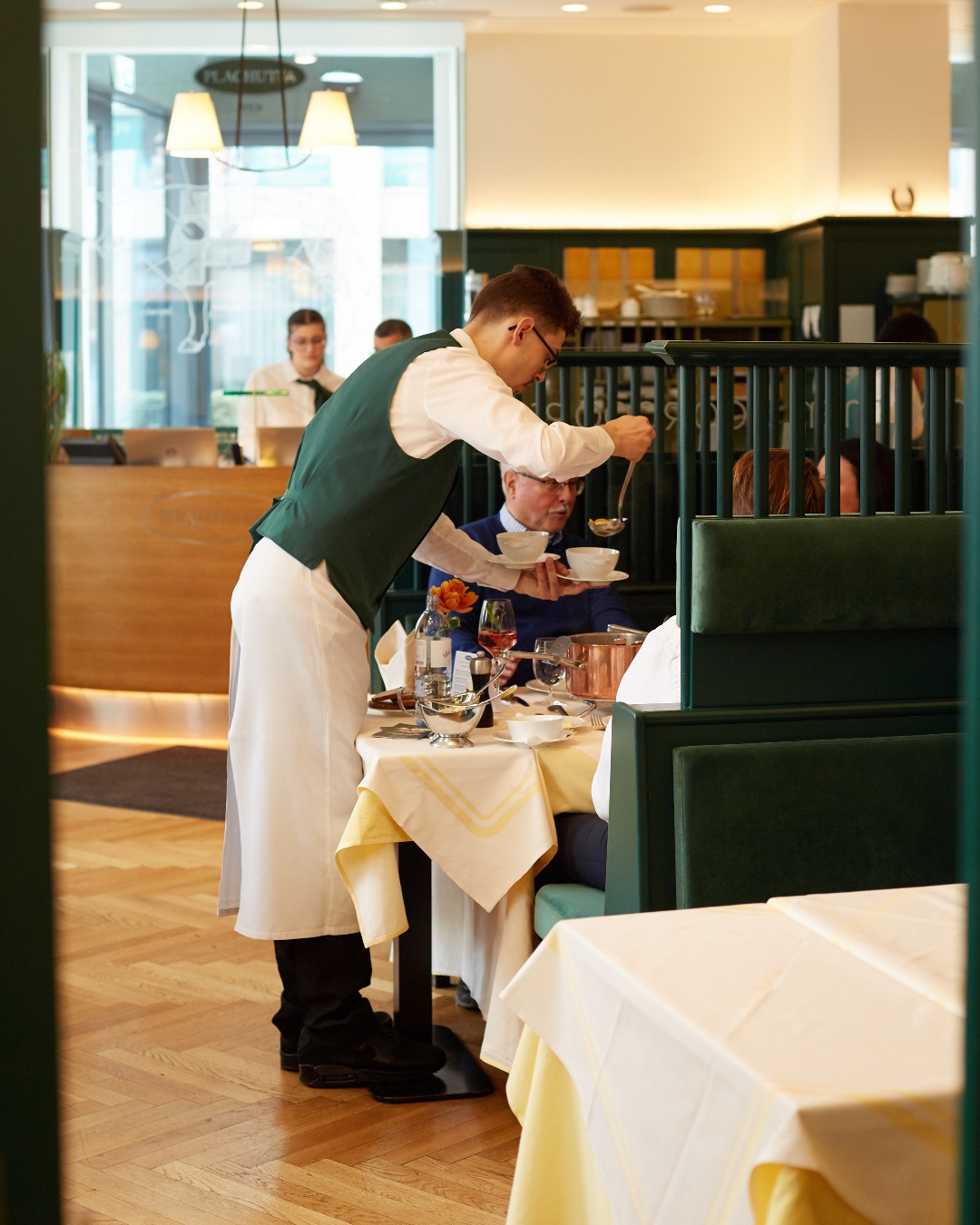
A more traditional, institutional classicism is found near Wollzeile at Plachutta, where the ritual of Tafelspitz is presented in copper pots filled with a rich, primal broth, accompanied by bone marrow to spread on rye bread, and traditional chive, horseradish, and apple sauces. Heading toward the Danube canals, this Austrian technical structure meets Mediterranean vibes in O boufés, the casual bistro by double-starred chef Konstantin Filippou. The menu offers dishes of refined substance, such as lamb shank with skordalia (a Greek garlic and mashed potato dip), Tuscan kale, and fried onions.
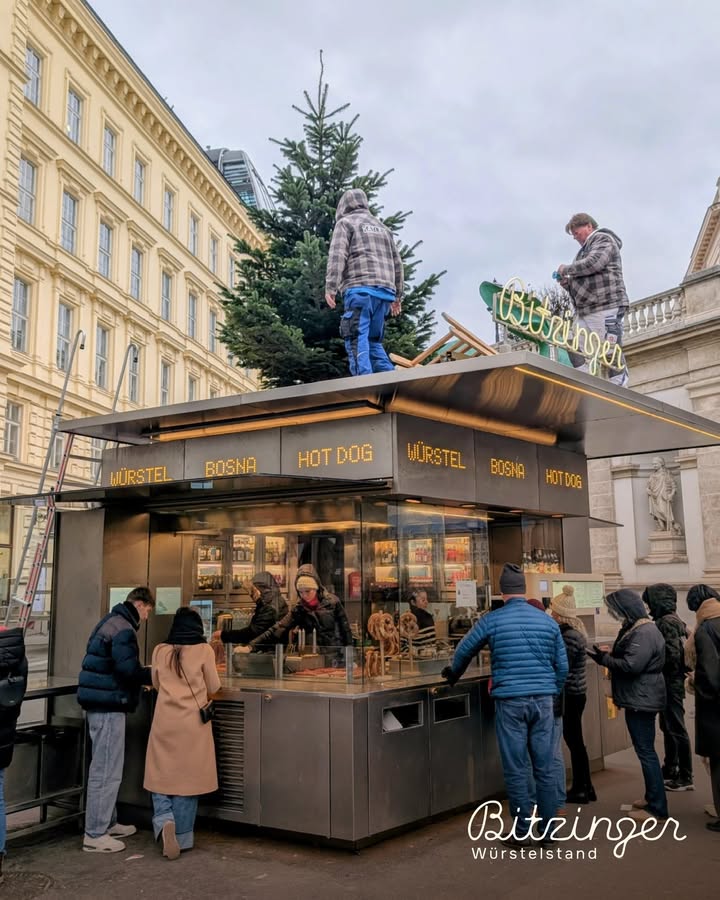
For a quick dinner or a late-night bite near the Albertina Museum, Bitzinger Würstelstand hosts one of the city's most democratic street rituals. This historic green-and-steel kiosk is the quintessence of Viennese street food, where opera-goers in evening wear mingle in line with locals for a strictly standing-up feast. While all kinds of sausages sizzle on the grill, the star is the Käsekrainer, a slightly smoked pork sausage stuffed with cheese pockets that melt on the griddle to form an irresistible outer crust. Served sliced on a cardboard tray with a generous dollop of sweet mustard and fresh horseradish, or tucked whole inside toasted, hollowed-out bread, it is the ultimate high-calorie fuel, paired with a draft beer or a glass of crisp local white wine.
Bitzinger
Plachutta
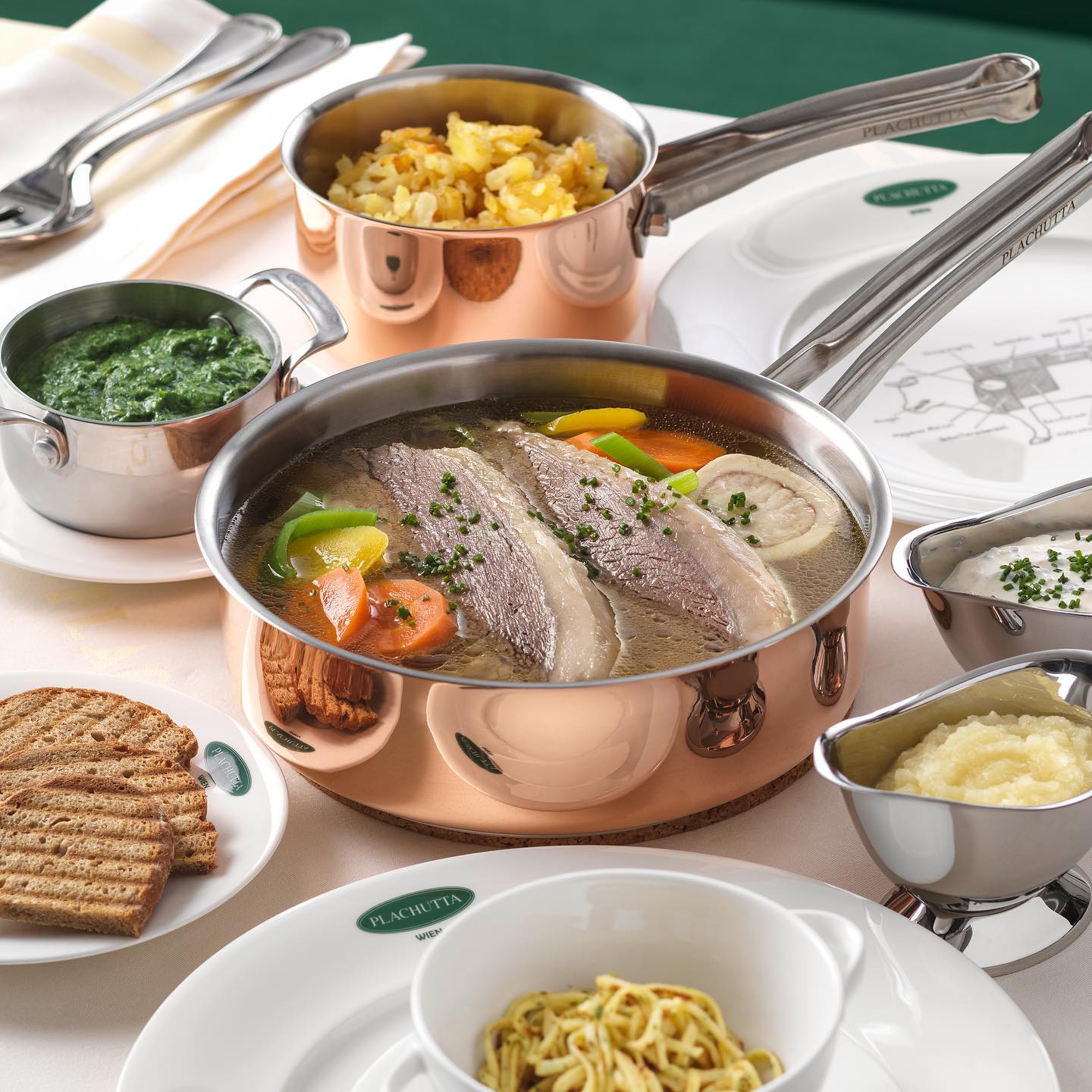
Plachutta
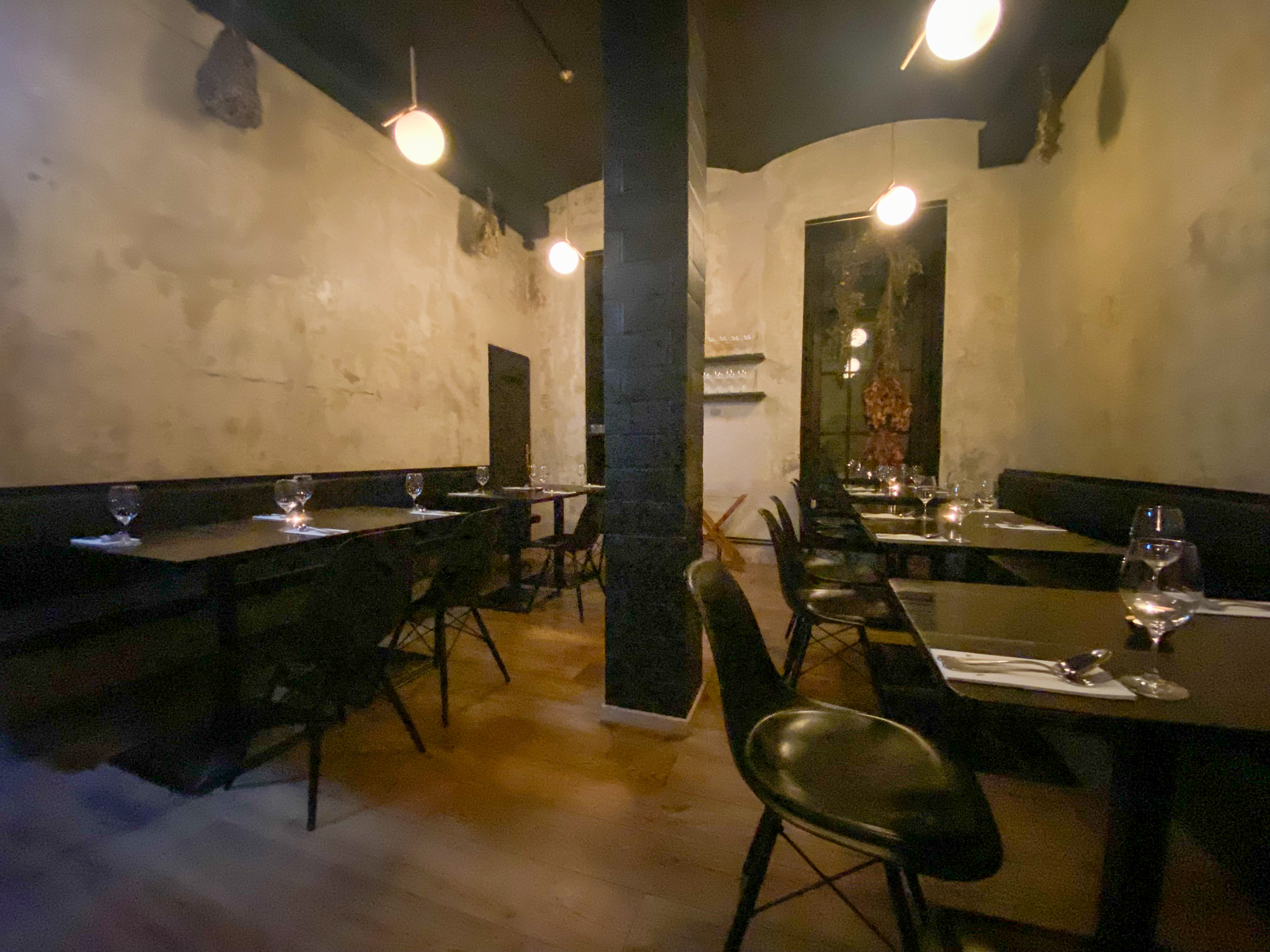
O boufés
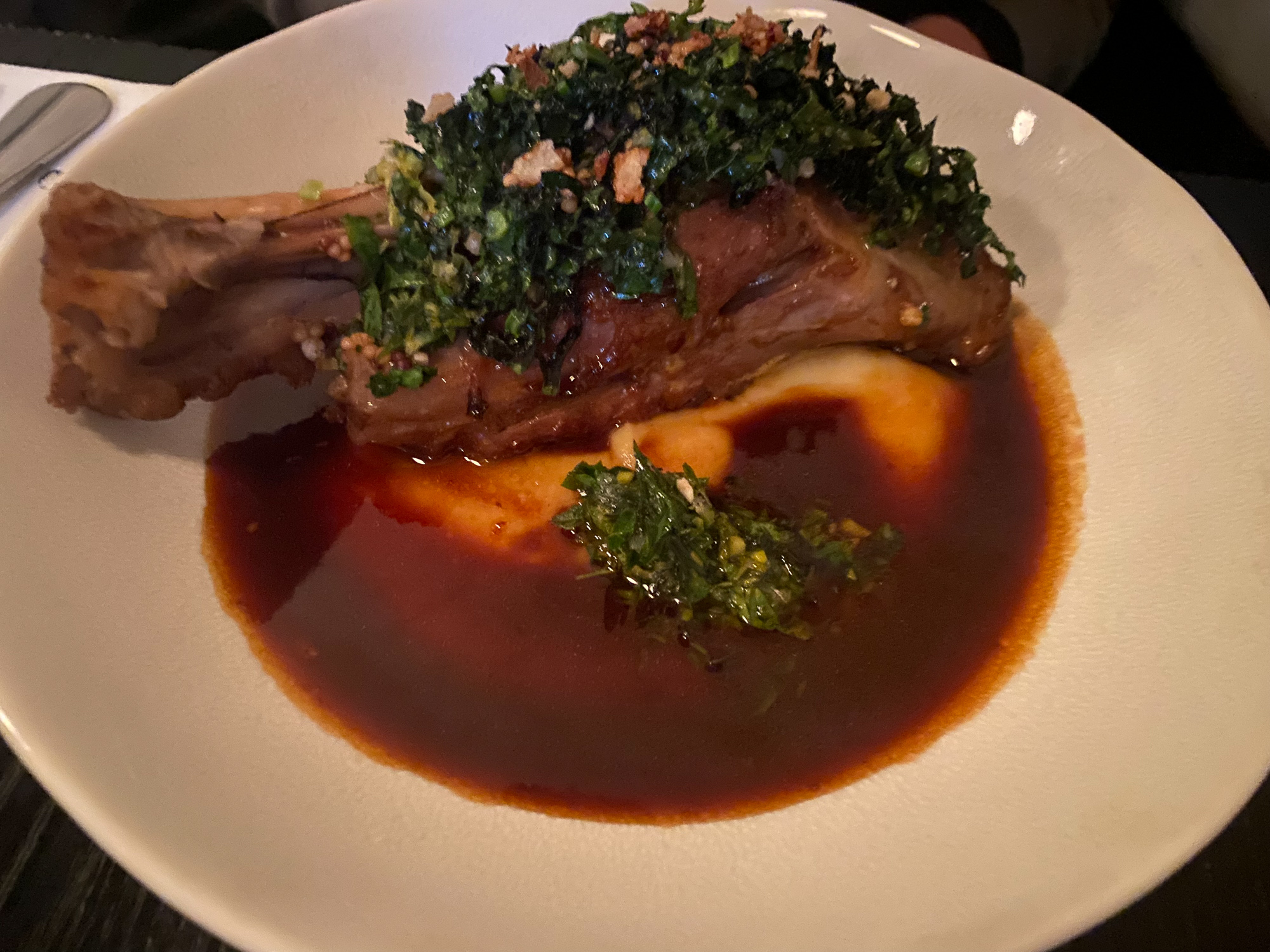
O boufés
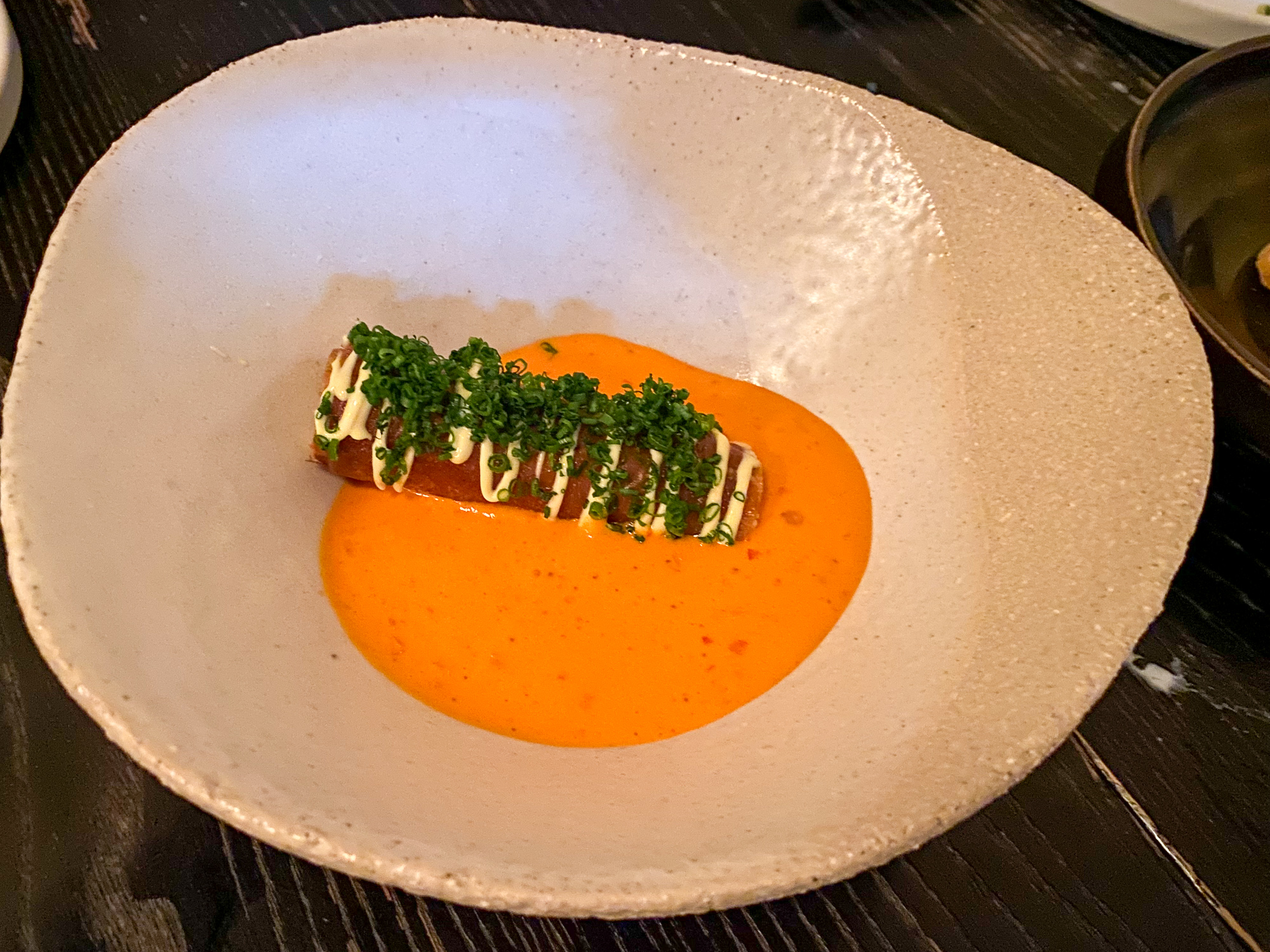
O boufés
Late Night: Chilling Out with World-Class Mixology
The night winds down with high-caliber mixology, where Vienna applies its signature rigorous standards. In the historic center, Truth and Dare features a sharp aesthetic and a wonderfully dry approach, with a menu built around stark contrasts, rare spirits, and no-nonsense pairings.
The perfect epilogue takes place at Josef Cocktail Bar, where the formal codes of the classic American bar are revived. Here, traditional cocktails and contemporary twists are executed with millimeter-precise pours and a technical mastery that proves that even in the Viennese night, mixology is treated with the utmost gravity.
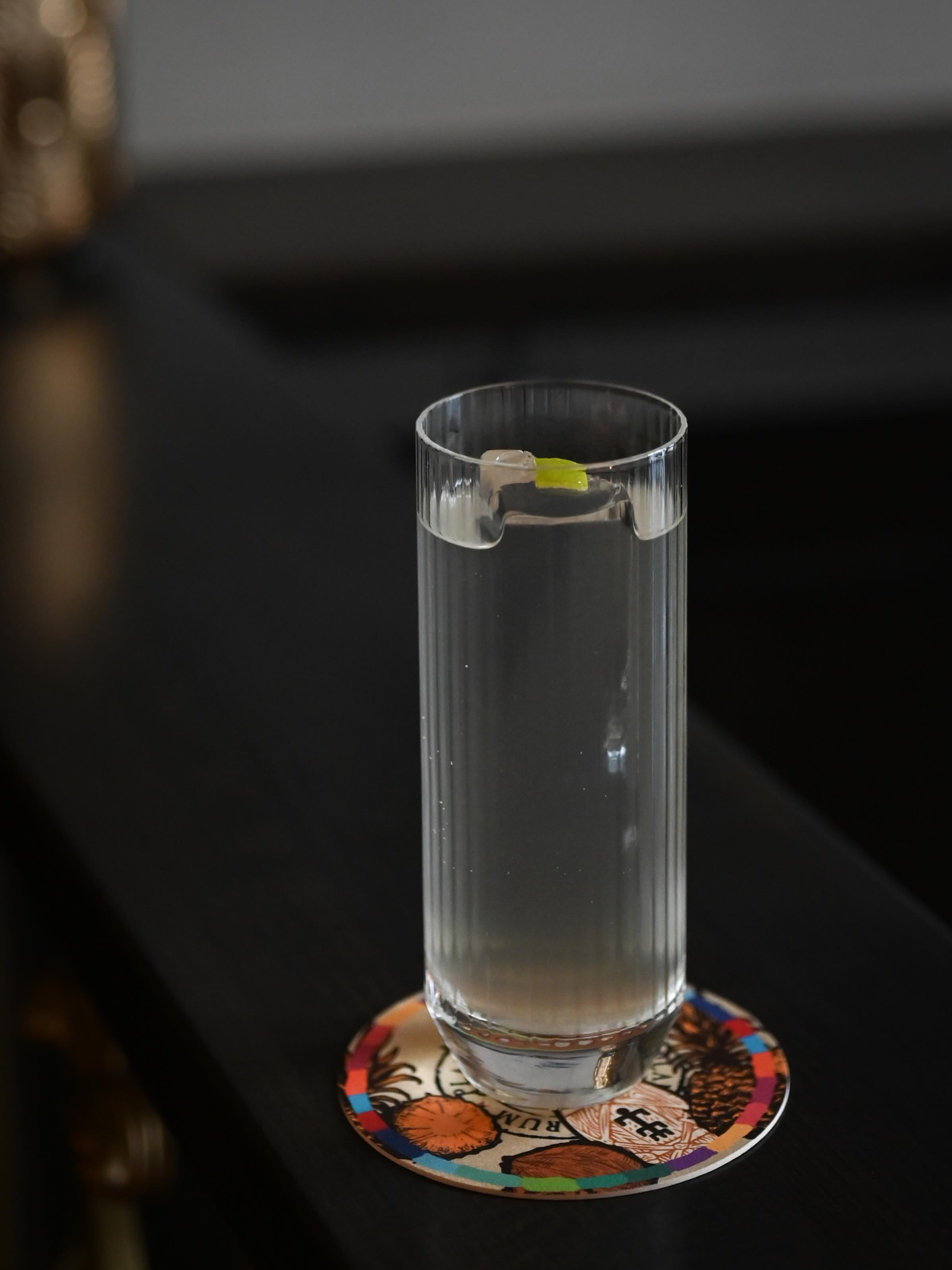
Josef
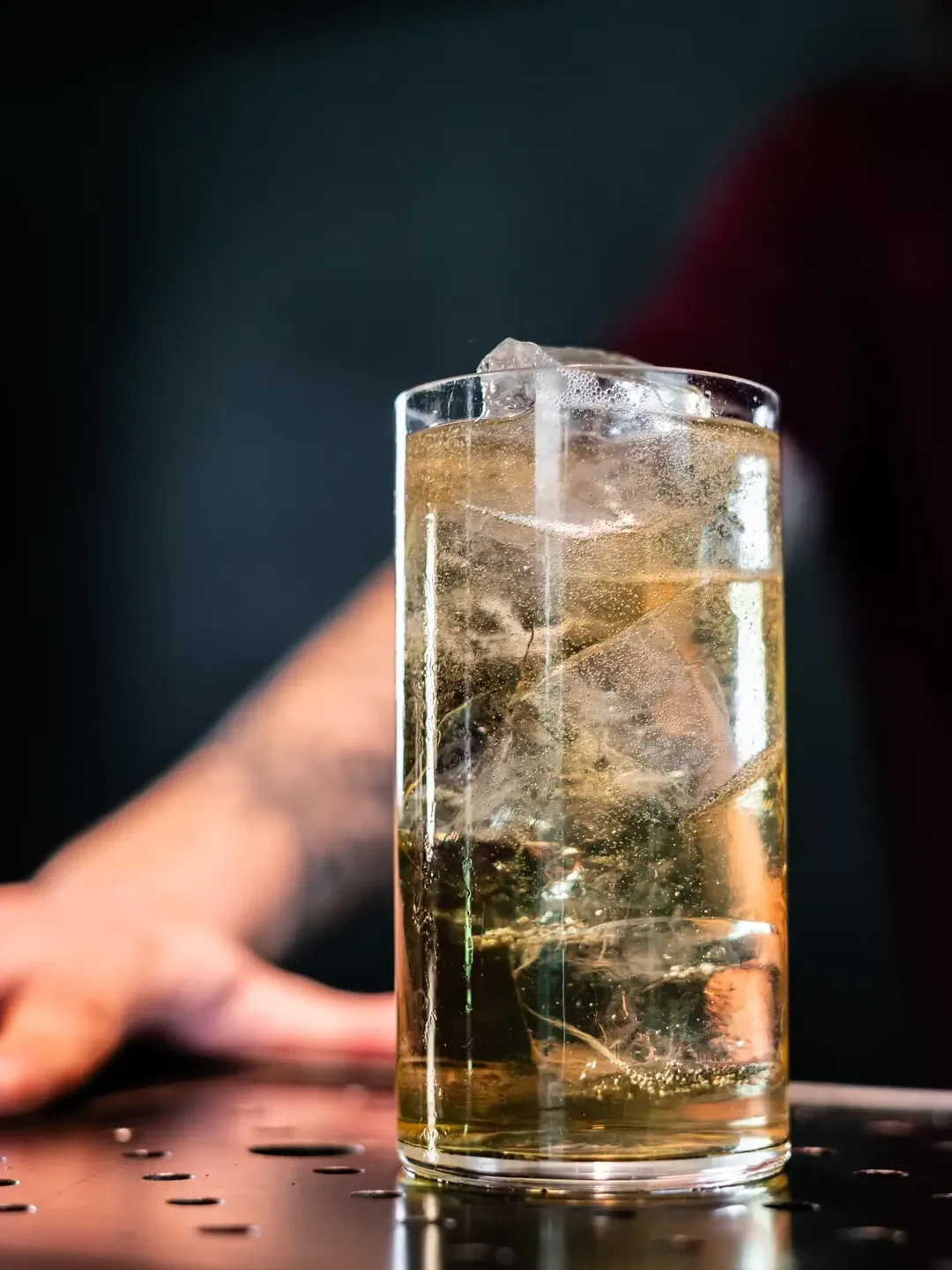
Truth & Dare