

The Noma Case: Beyond the René Redzepi Trial, Is Excellence Possible Without Coercion?
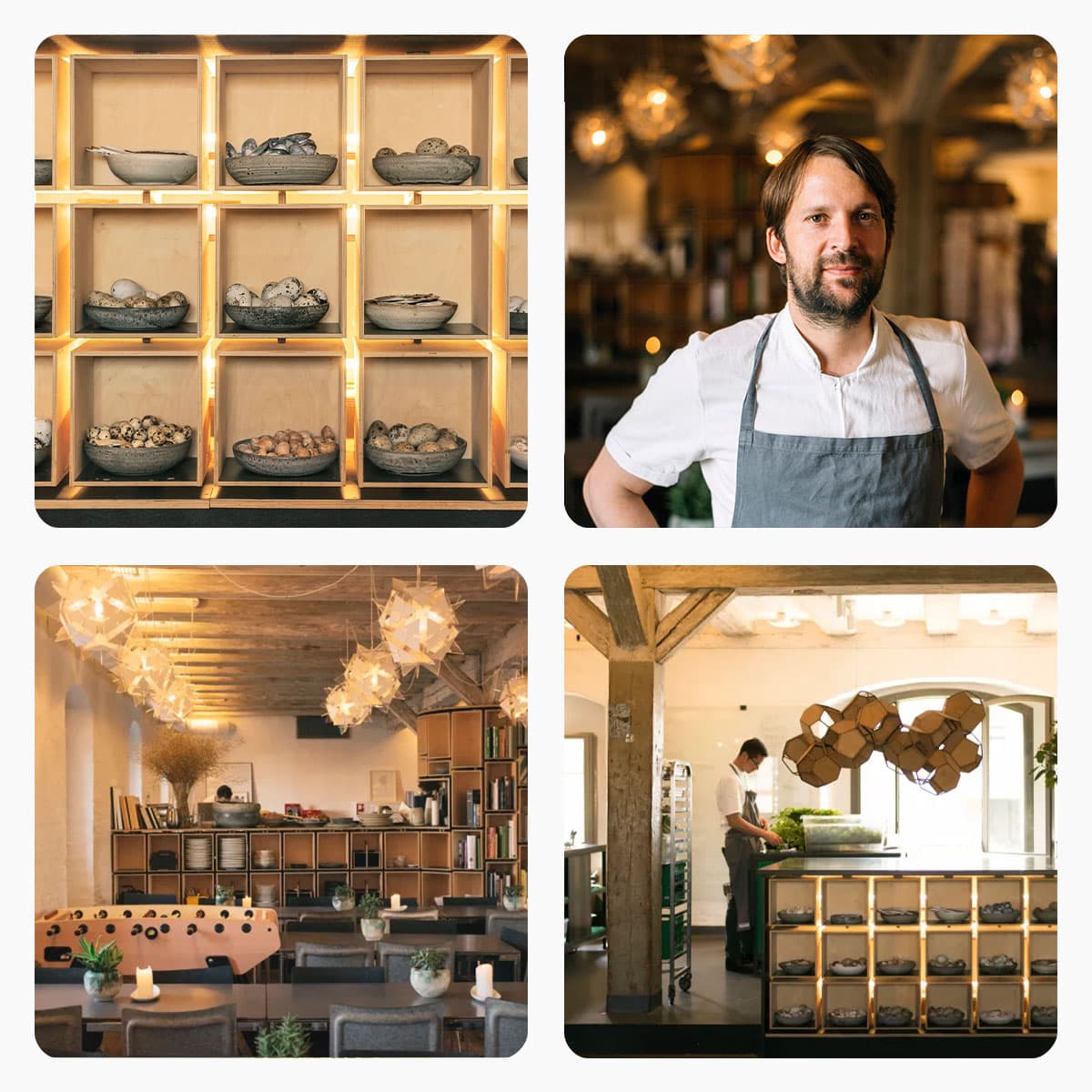

Last Wednesday, René Redzepi announced his departure from the helm of Noma. The decision comes in the wake of an investigation by The New York Times that gathered testimonies from around 35 former employees regarding staff abuse, alleging he inflicted physical and psychological violence for years between 2009 and 2017.
However, reducing the affair to a matter of individual conduct means ignoring the very structure of fine dining. During its meteoric rise, Noma did nothing more than apply—with the surgical precision that made it famous—a code of conduct that serves as the global standard for high-cuisine kitchen brigades. A military-style hierarchy where rigor, extreme pressure, and the dismantling of the ego are considered the sole tools for achieving perfection.
In this context, practices that in some cases were written off as "camaraderie" or rough motivational nudges turned out, in reality, to be symptoms of a system that survived by psychologically breaking people down.
There is a striking asymmetry in collective perception: resolute physical gestures that in Redzepi's case were categorized as abuse are, in other contexts, celebrated as rough yet endearing displays of affection by a warm-hearted leader. Yet, what elsewhere passes for jovial, good-natured exuberance was decoded at Noma as the symptom of a method that could only survive through the erasure of the individual.
As Andreja Lajh—strategic consultant, founder of Haut de Gamme, and a veteran of fifteen years in international PR and restaurant criticism—observes in her article, professional kitchens are not democracies. They are structures built on the brigade system, where chain of command is beyond debate.

In her reflection, Lajh highlights how what is today labeled a "scandal" was, for generations of chefs on every continent, simply "the way things work." Yelling, intimidating, and demanding the impossible are not Redzepi's inventions, but the tools of a workplace culture inherited from the great masters of the past and replicated wherever absolute excellence is pursued. Focusing the blame on a single individual means putting a face on a system that, until yesterday, considered these methods to be the only possible language of discipline.
Lajh, who interviewed Redzepi back in 2015, reports a statement from the chef that today sounds like a diagnosis of the entire industry: "To be honest, there were times when I was the worst boss imaginable. I was responsible for everything, and I was afraid. And fear creates anger."
These words describe a professional immersed in a mechanism of global pressure. Redzepi grew up in kitchens where mentors were certainly no gentle fops; he learned that excellence comes at a human cost and acted accordingly, replicating the patterns that had shaped him. The gap between knowing this model was toxic and having the ability to dismantle it while at the top of the world is where the system collapsed.

“René, like most of the world's great chefs, trained where this was simply normal,” writes Lajh. “Yet, in the end, in his restaurant, he created a staff dining room, a library, open offices—spaces designed essentially to make Noma feel more human. He told me this was a conscious effort to do things differently. That seems to me to count for something in this whole story. We are talking about the person who made the world look at a pinecone and see a dish. Who sent chefs into the forests and onto the coasts, telling them that the answer was already there, in the place they came from. Who changed the conversation about what fine dining could mean, what it could say, who it could involve. The influence he has had on a generation of cooks, on how restaurants think about ingredients, seasons, and locality, is not a footnote. It is a foundational pillar.”
In the debate over unpaid internships, an undeniable truth emerges: the market value of the word Noma. Those four letters stamped on a résumé guaranteed their holders professional opportunities far beyond any other reference. Noma became a professional fetish so powerful that even those who crossed its threshold for just a few months paraded the experience as the cornerstone of their training. The exchange was never purely economic; it consisted of acquiring symbolic capital capable of opening any door in the industry.
The parallel proposed by Lajh with the worlds of architecture, design, communication, and marketing is spot-on. Offering one's labor in exchange for access to elite knowledge and a network that guarantees an international career is common practice across several industries. The critical issue lies not in the principle of apprenticeship itself, but in the need for regulation that protects talent without compromising its development.
The question the entire industry must ask itself is not whether Redzepi ought to be condemned, but whether it is possible to achieve excellence without coercion. Redzepi is trying, conscious that while he cannot change who he was, he can try to change...