
The world’s and Italy’s longest-running three-star MICHELIN restaurants

Maintaining three Michelin stars in the era of digital distraction and algorithm-driven food tourism is very much like a sophisticated balancing act. It requires iron discipline, a fair amount of cynicism, and an almost snobbish aptitude for ignoring current trends. If capturing the Red Guide's highest rating is an obsession that burns through both livers and balance sheets, holding onto it uninterrupted for decades is a matter for culinary shamans or, more prosaically, incredibly solid entrepreneurs. Yet, even among these battleships, the guide’s history is also made of sudden falls and rises—of dynasties that saw their third star slip away, only to reclaim it at the cost of silent, obsessive rebuilding.
While the contemporary food circus burns through seasonal pop-ups and chefs who shift their culinary style at the speed of an Instagram trend, there is a tiny oligarchy of taste that has decided to stop time. These are establishments that have defended the same impeccable standard since before the fall of the Berlin Wall or the invention of the smartphone. It is not a matter of nostalgia—culinary archaeology, as we know, becomes tedious by the third course—but rather a demonstration of how the true avant-garde is sometimes just an extremely stubborn variation of consistency.
The 10 Longest-Running Three-Star MICHELIN Restaurants in the World
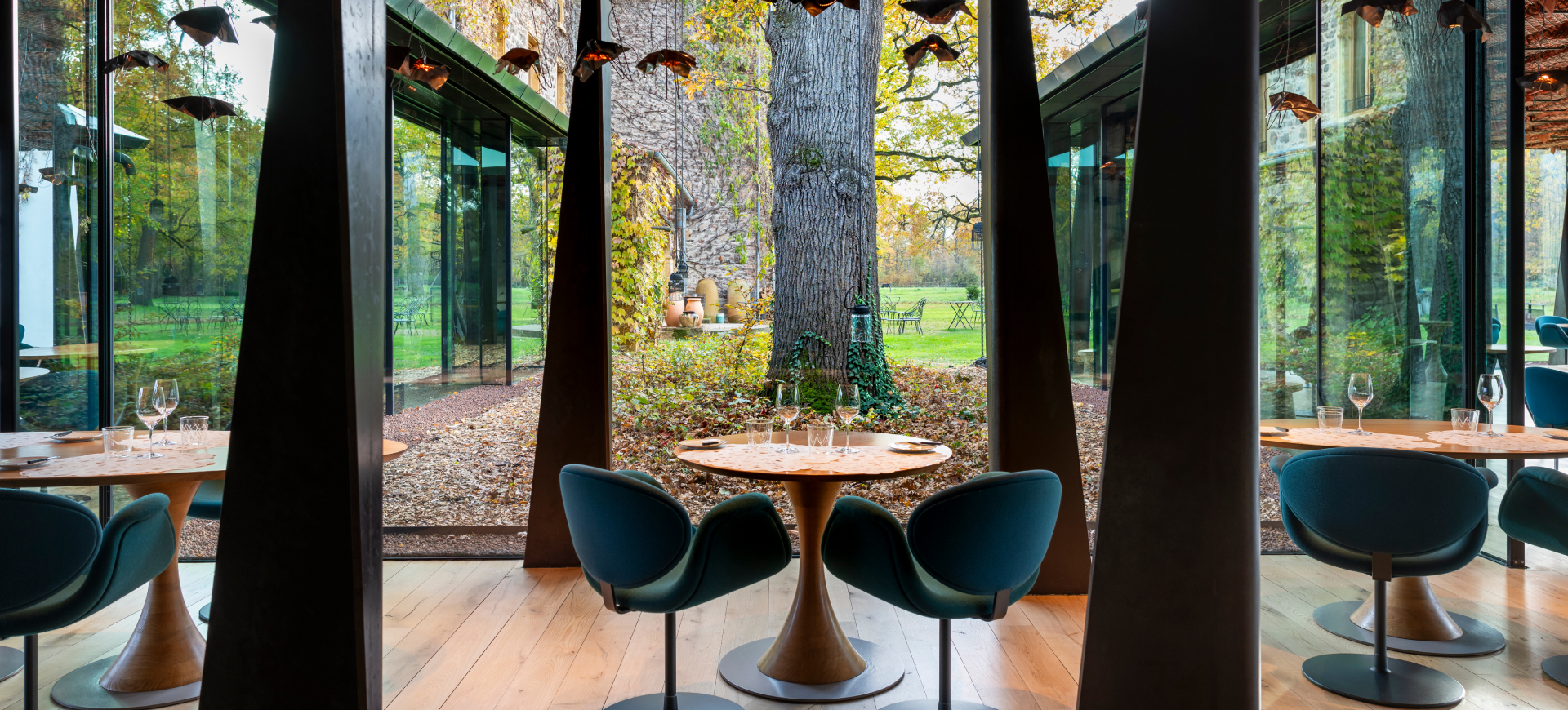
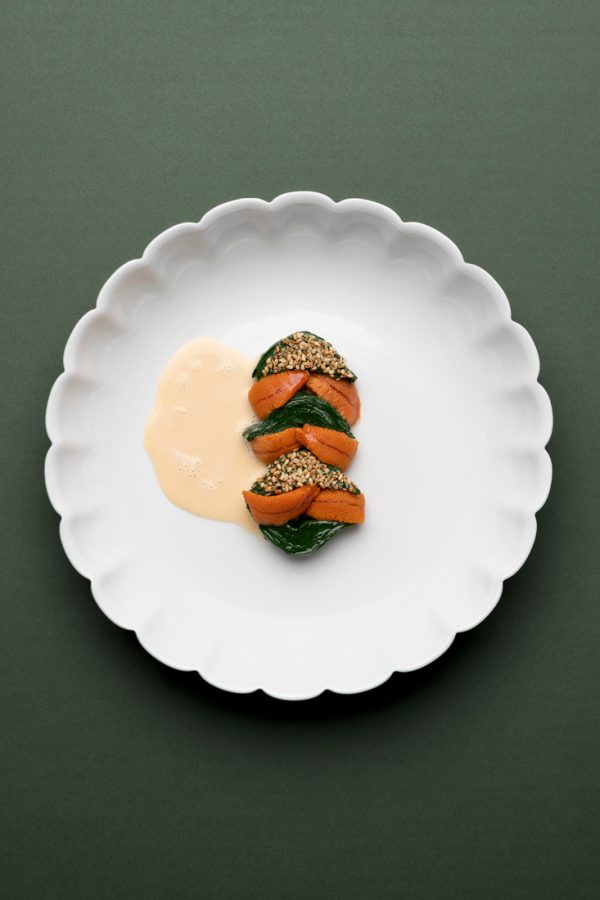
Maison Troisgros - Le Bois sans Feuilles (Ouches - France) – Since 1968
The ultimate symbol of French family-run signature cuisine. It invented Nouvelle Cuisine, and today, in its new location immersed in the Ouches countryside, it continues to lay down the law by combining an extraordinary purity of flavors with acidity—the dynasty’s signature element.
The Story: Their most famous historic dish is the "Salmon with Sorrel." It was born almost by accident in 1962 because the mother of chefs Jean and Pierre had too much sorrel in her vegetable garden. It is such a mythical dish that the Roanne train station was painted in salmon pink and sorrel green to pay tribute to the restaurant.
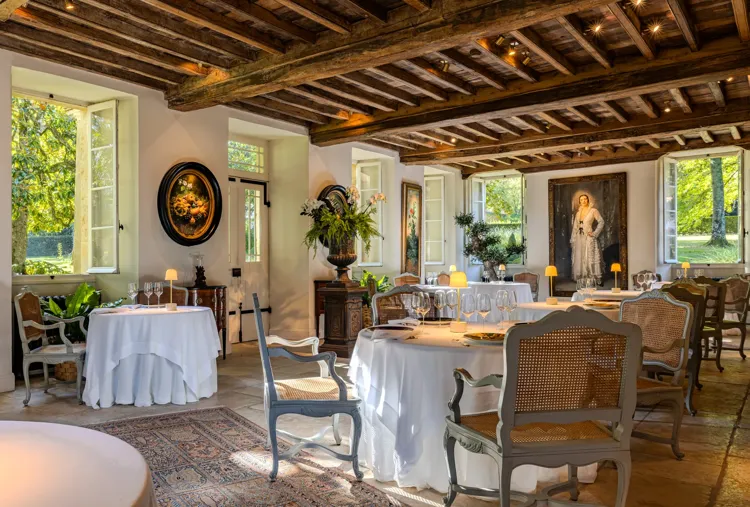
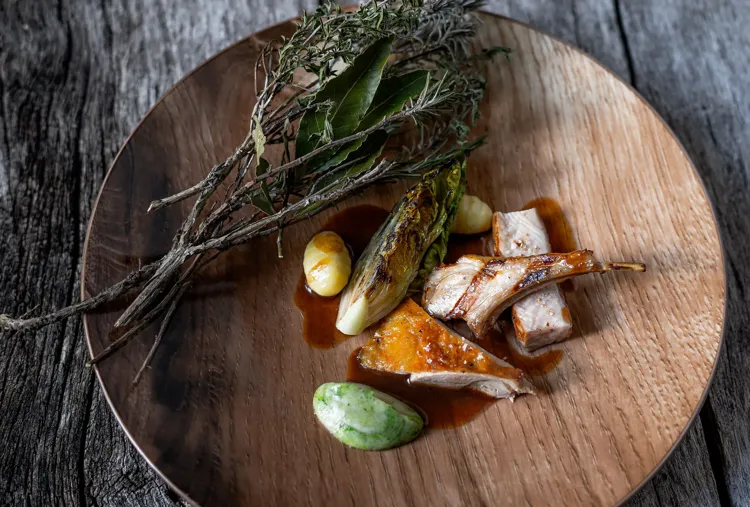
Les Prés d'Eugénie - Michel Guérard (Eugénie-les-Bains - France) – Since 1977
Located in an enchanting spa village in the Landes region, this is the realm where Michel Guérard invented "Cuisine Minceur" (spa/wellness cuisine), proving that haute cuisine could be low-calorie yet deeply indulgent.
The Story: Guérard passed away in the summer of 2024 at the age of 91, supervising the kitchens until the very end. Legend has it that he invented his healthy menus out of love for his wife Christine, the owner of the thermal baths, who wanted to offer her elite clients a way to lose weight without giving up the pleasures of the French table.
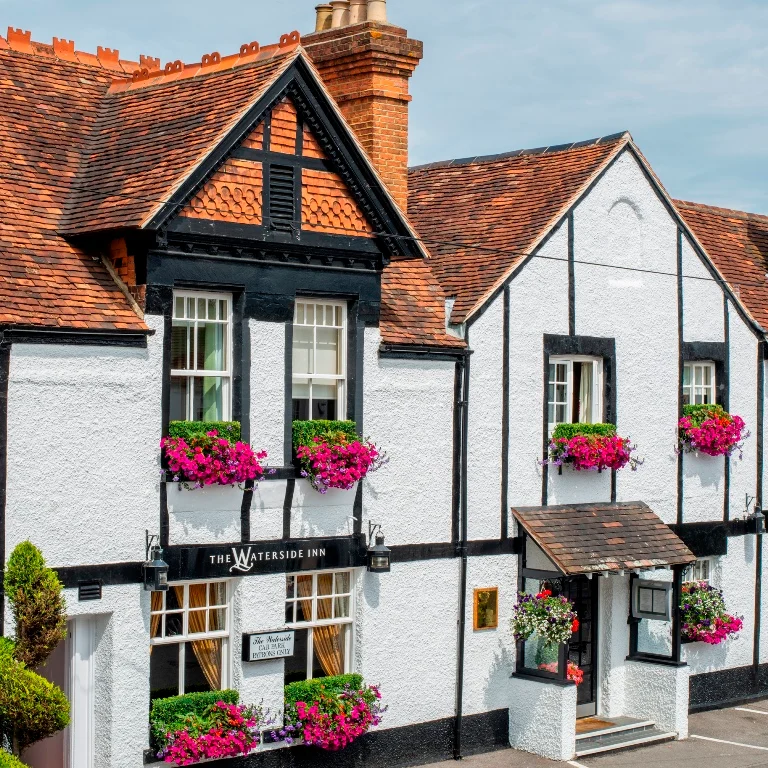
The Waterside Inn (Bray, Berkshire - United Kingdom) – Since 1985
Nestled on the banks of the River Thames in the legendary village of Bray, this is the absolute fiefdom of classic French cuisine on British soil. Founded by brothers Michel and Albert Roux, it is today led by Michel’s son, Alain. While the opposite bank of the river—home to Heston Blumenthal's Fat Duck—represents the cerebral and scientific avant-garde, the Waterside is a monument to the immortality of the French gastronomic canon: monumental sauces, surgical cooking times, and service that borders on choreographic perfection.
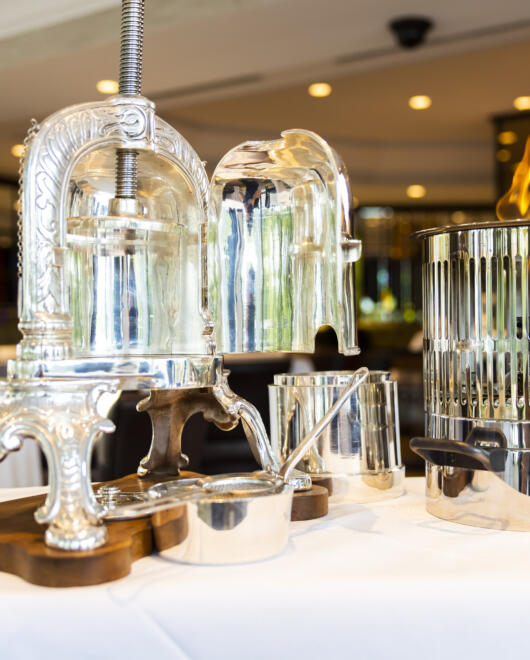
The Story: Here, the ritual of the pressed lobster (Homard à la presse) is fiercely preserved, performed in the dining room using a spectacular solid silver press crafted by Christofle. In an era when dining is accelerating and simplifying, the Roux family keeps this complex choreography of the French high school intact. The lobster carcass is pressed tableside to extract its juices, which waiters in livery then bind right at the table with butter, coral, cognac, and port to create a velvety, regal sauce. It is a ceremonial process so aristocratic and timeless that it has attracted the British Royal Family and City magnates for decades, all willing to travel to Bray just to witness a piece of gastronomic history.
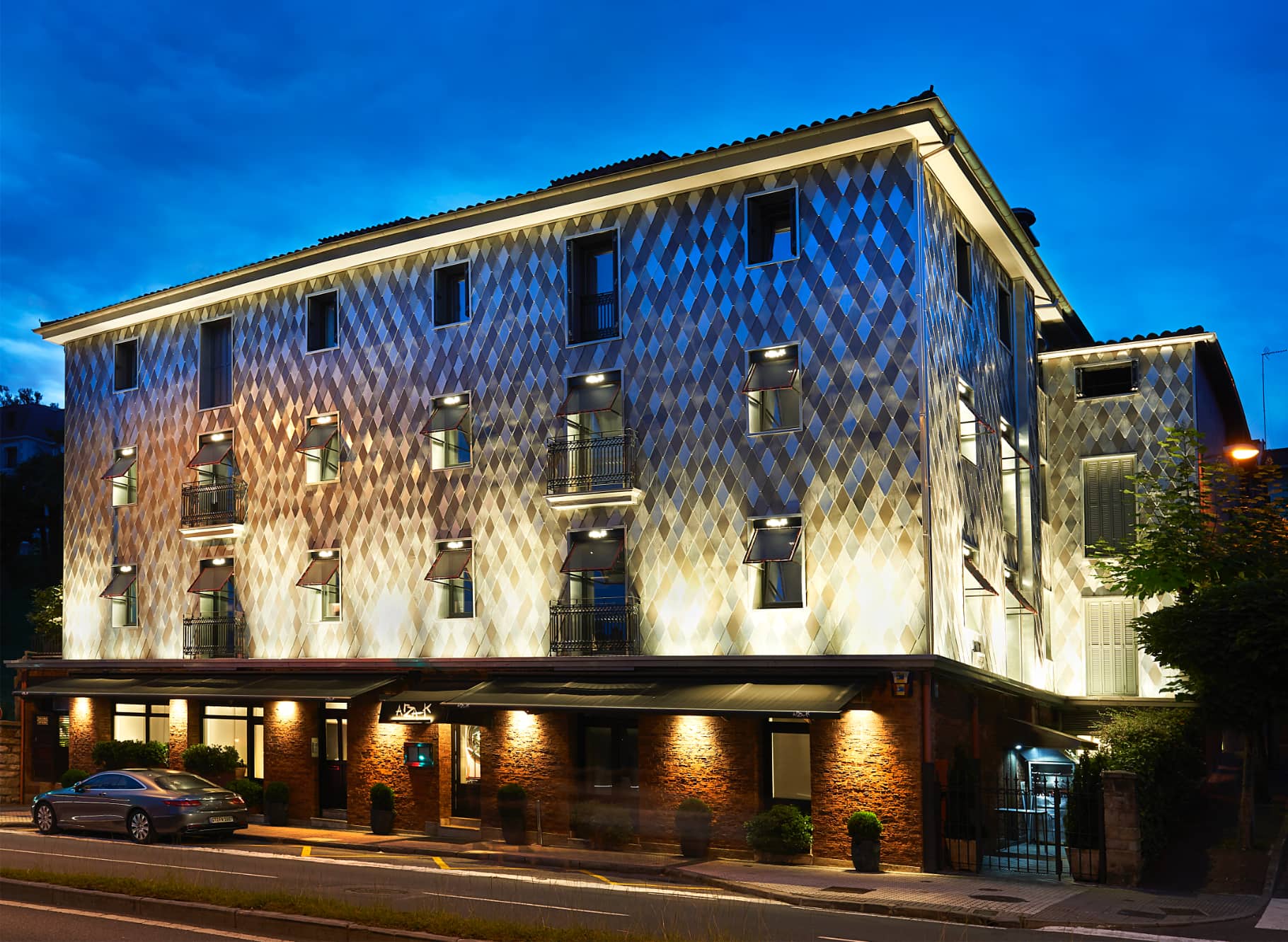
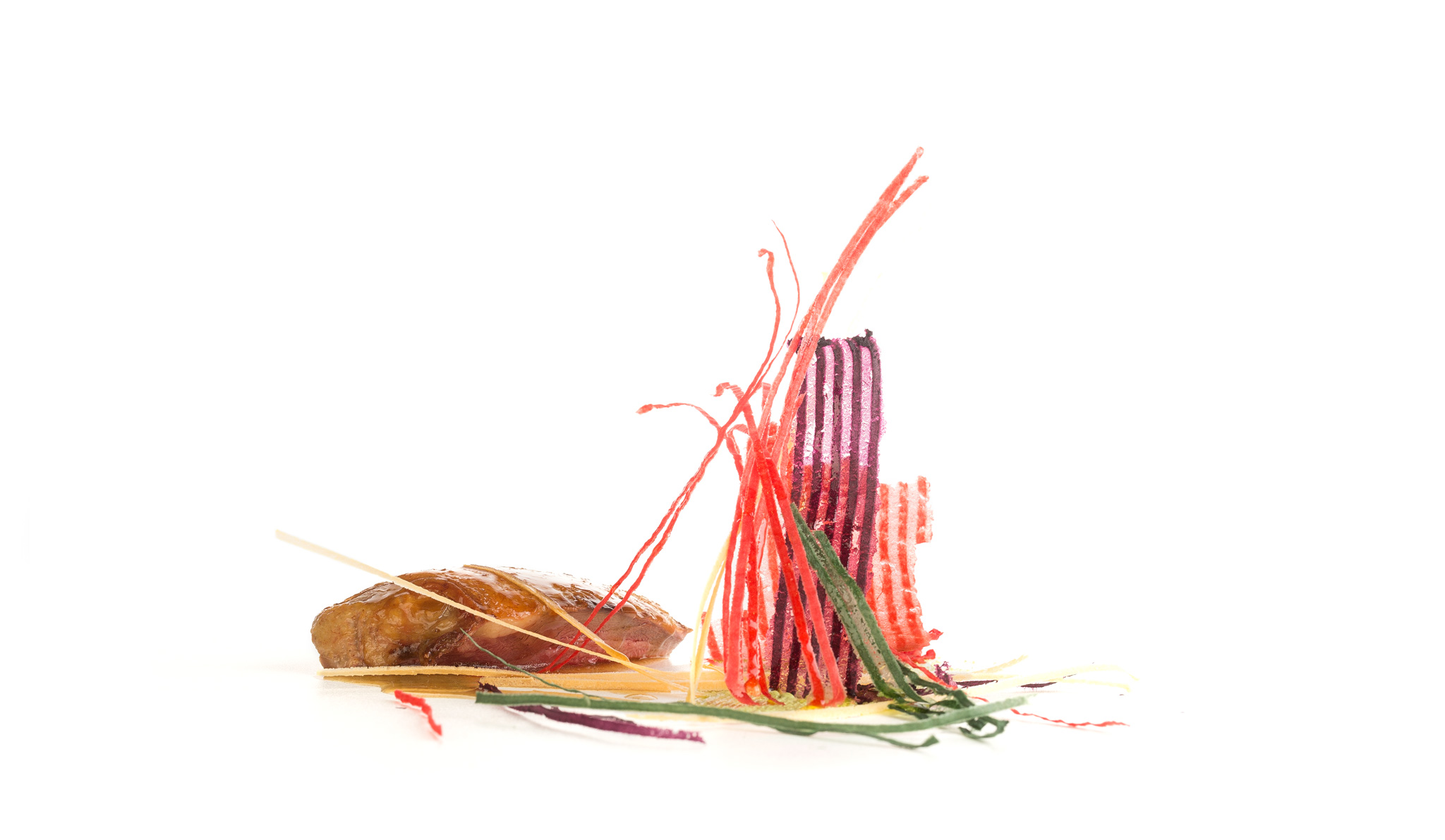
Arzak (San Sebastián, Spain) – Since 1989
The cradle of New Basque Cuisine, where Juan Mari Arzak, flanked by his daughter Elena, transformed an old 1897 family inn into an avant-garde laboratory where local tradition meets chemistry and food technology.
The Story: The restaurant boasts an actual "Research Laboratory" with a database featuring over 1,500 ingredients and aromas from all over the world. Many dishes are served on digital screens or technological supports that emit sounds or images related to the sea or the Basque land to amplify the sensory experience.
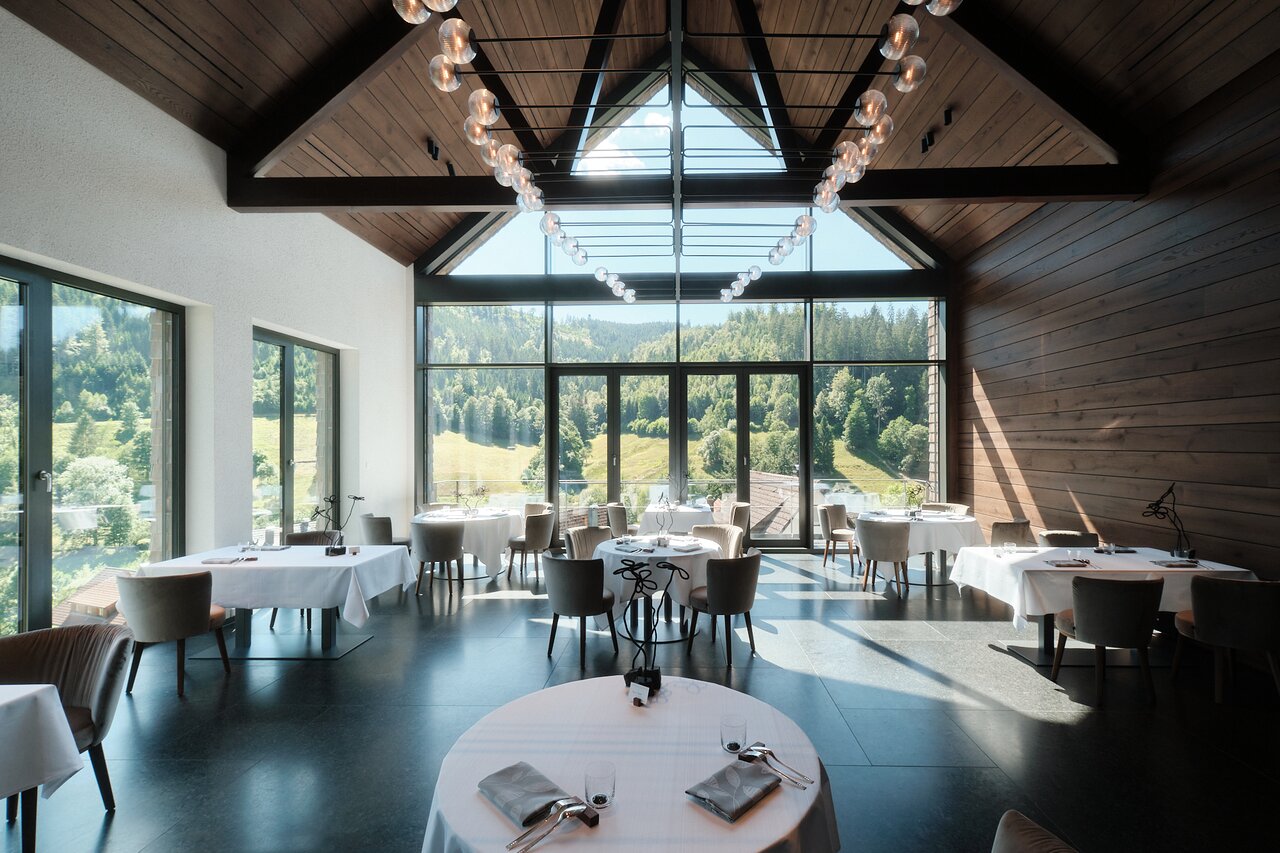
Schwarzwaldstube (Baiersbronn - Germany) – Since 1993
Located inside the Traube Tonbach hotel in the Black Forest, this is the school that trained nearly all of Germany's greatest starred chefs. A monumental kitchen that blends local ingredients, like wild game and forest mushrooms, with the techniques of the great culinary traditions from across the Rhine.
The Story: On the night of January 5, 2020, a devastating fire completely razed the restaurant's historic building. Instead of giving up, the owning family and chef Torsten Michel built a temporary restaurant in record time on the roof of a nearby building. Michelin was so impressed by their resilience, and by the fact that the dishes remained identical in terms of perfection, that they returned the 3 stars within just a few months.
Dal Pescatore (Canneto sull’Oglio - Italy) – Since 1996
(See the Italy section below)
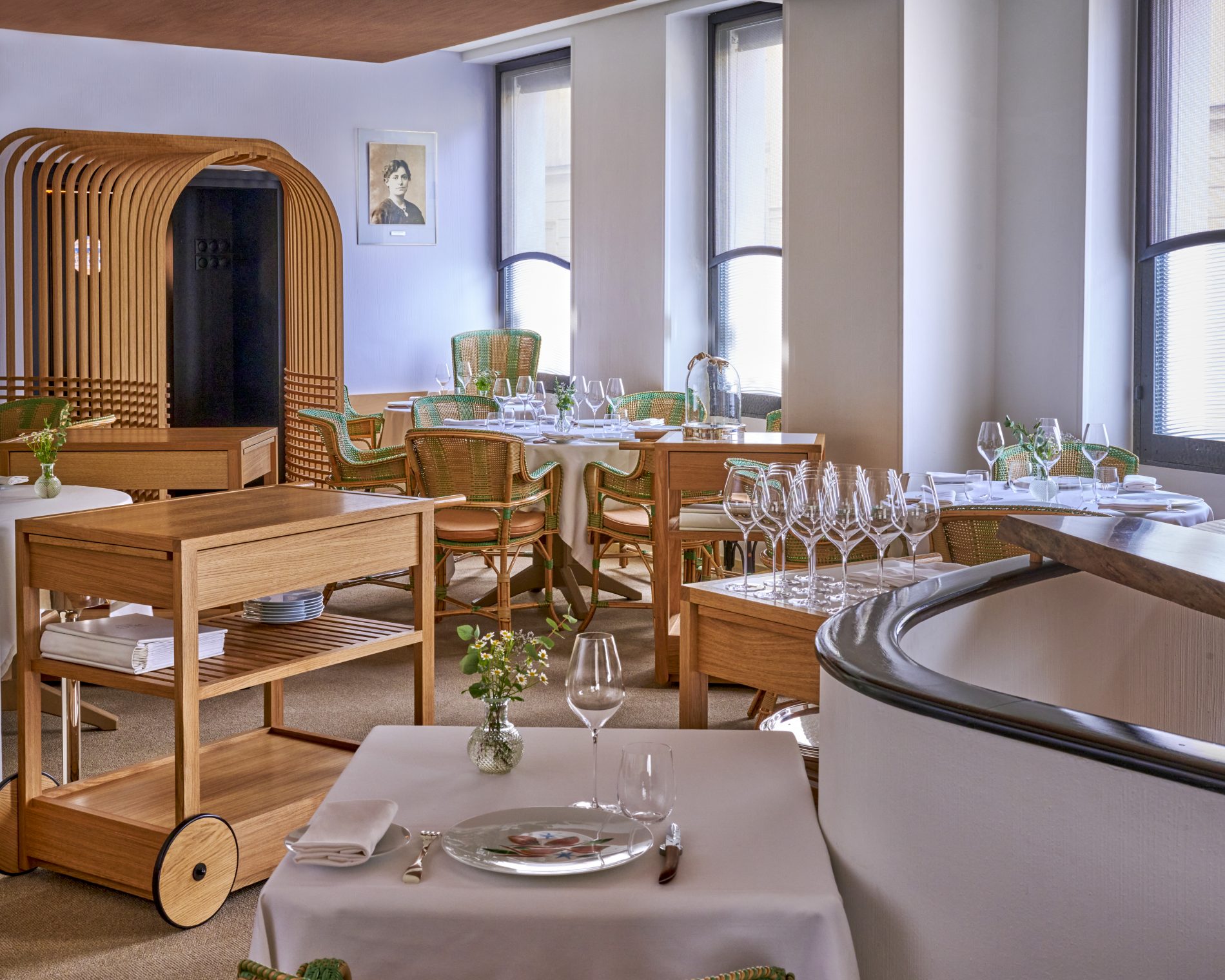
Arpège (Parigi - France) – Since 1996
This is the place where Alain Passard pulled off the most radical revolution in French haute cuisine: removing meat from the center of the menu to elevate the vegetable as the absolute king of the plate. It is a cuisine of instinct, improvisation, and open fire, which has resisted Parisian trends for thirty years without ever compromising.
The Story: Passard sources his ingredients exclusively from his three privately owned vegetable gardens, where the land is worked using horses and without pesticides. His manifesto dish is the "Bouquet de roses," an apple tart where the fruit slices are hand-rolled to form perfect rosebuds—the ultimate aesthetic synthesis of craftsmanship and poetic respect for the raw ingredient.
Pierre Gagnaire (Parigi - France) – Since 1998
The headquarters on Rue Balzac is the laboratory of the greatest poet of contemporary French cuisine. Pierre Gagnaire embodies the antithesis of rigid classicism: his is a jazz-like cuisine, made of improvisation, cerebral pairings, and solemn complexity. It is capable of dismantling the rules of tradition while maintaining an infallible execution skill that Michelin has rewarded relentlessly for nearly thirty years.
The Story: Gagnaire is the undisputed king of the "satellite dish" concept: an order never consists of a single course, but rather a constellation of micro-dishes (sometimes up to seven or eight) that orbit around the main ingredient to explore it from different angles. This wild, encyclopedic menu stems from a unique partnership: for decades, the chef has actively collaborated with chemist Hervé This, the father of molecular gastronomy, translating scientific formulas and equations into pure gastronomic emotion.
Waldhotel Sonnora (Dreis - Germany) – Since 2000
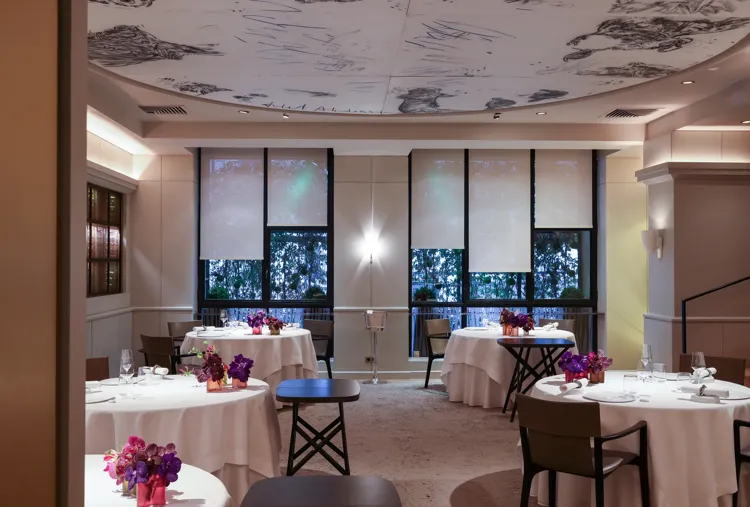
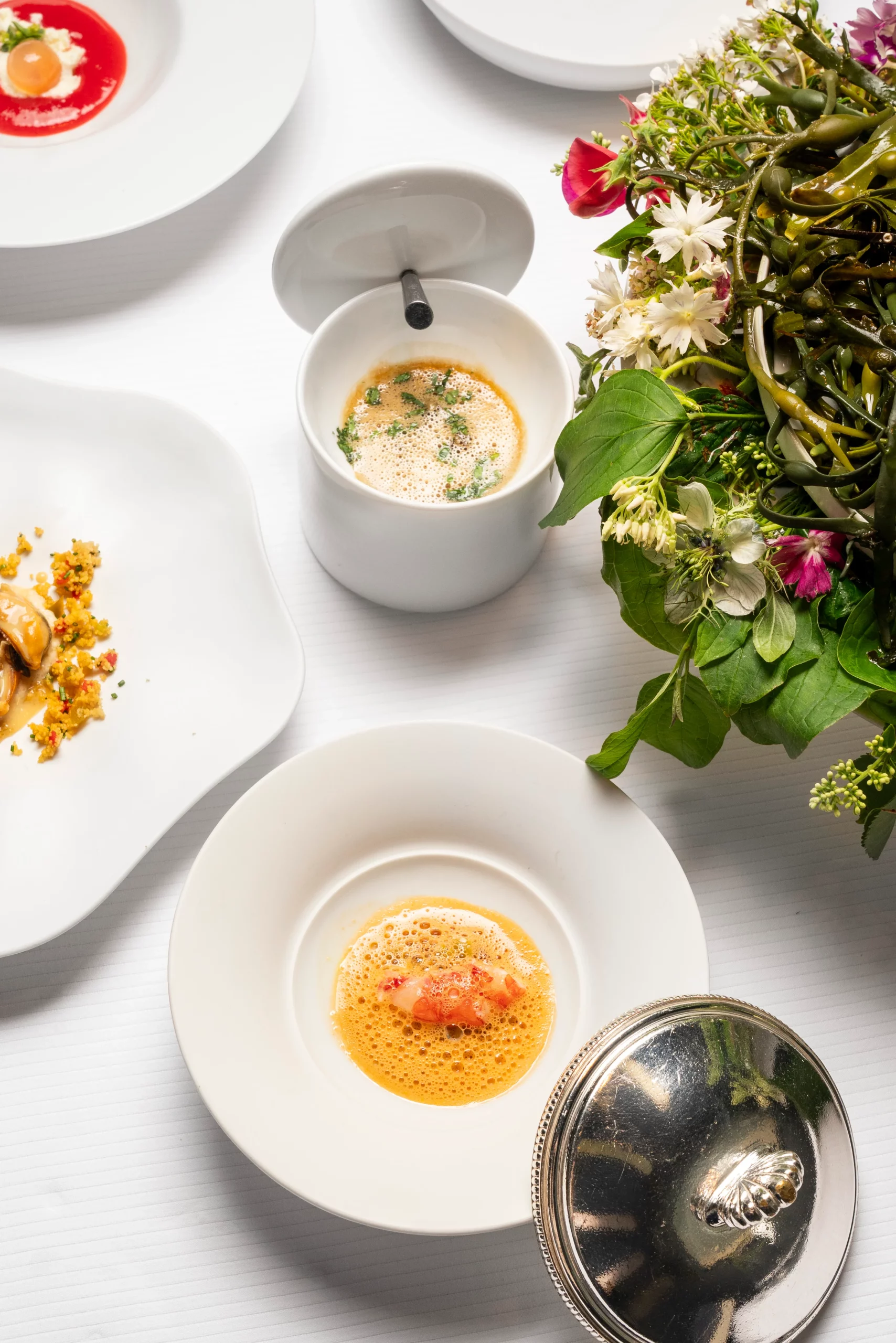
Immersed in the Rhineland woods, this is an isolated paradise where the highest standard of classic French school is executed with extreme rigor and meticulousness—first by the late Helmut Thieltges and today by chef Clemens Rambichler.
The Story: It is considered the restaurant for purists. Despite being located in the middle of nowhere (clients must drive for hours through the woods to reach it), reservations open months in advance and sell out in minutes. Its distinguishing feature is an obsession with sauces; the chef spends hours reducing stocks until achieving silky textures that no modern kitchen cutter could ever replicate.
Restaurant Gordon Ramsay (London, United Kingdom) – Since 2001
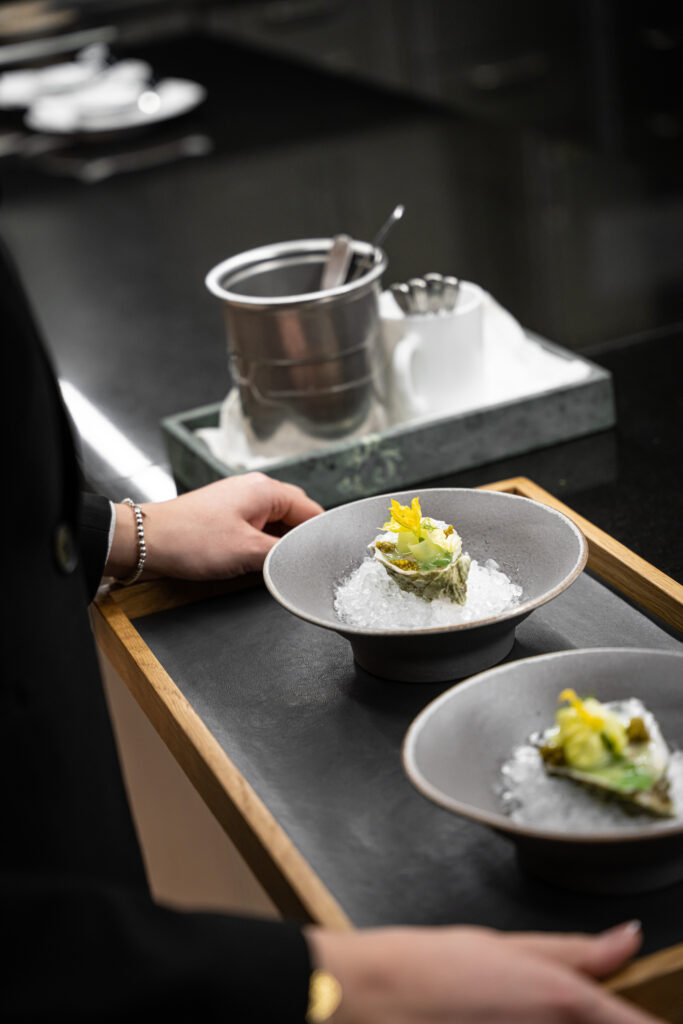
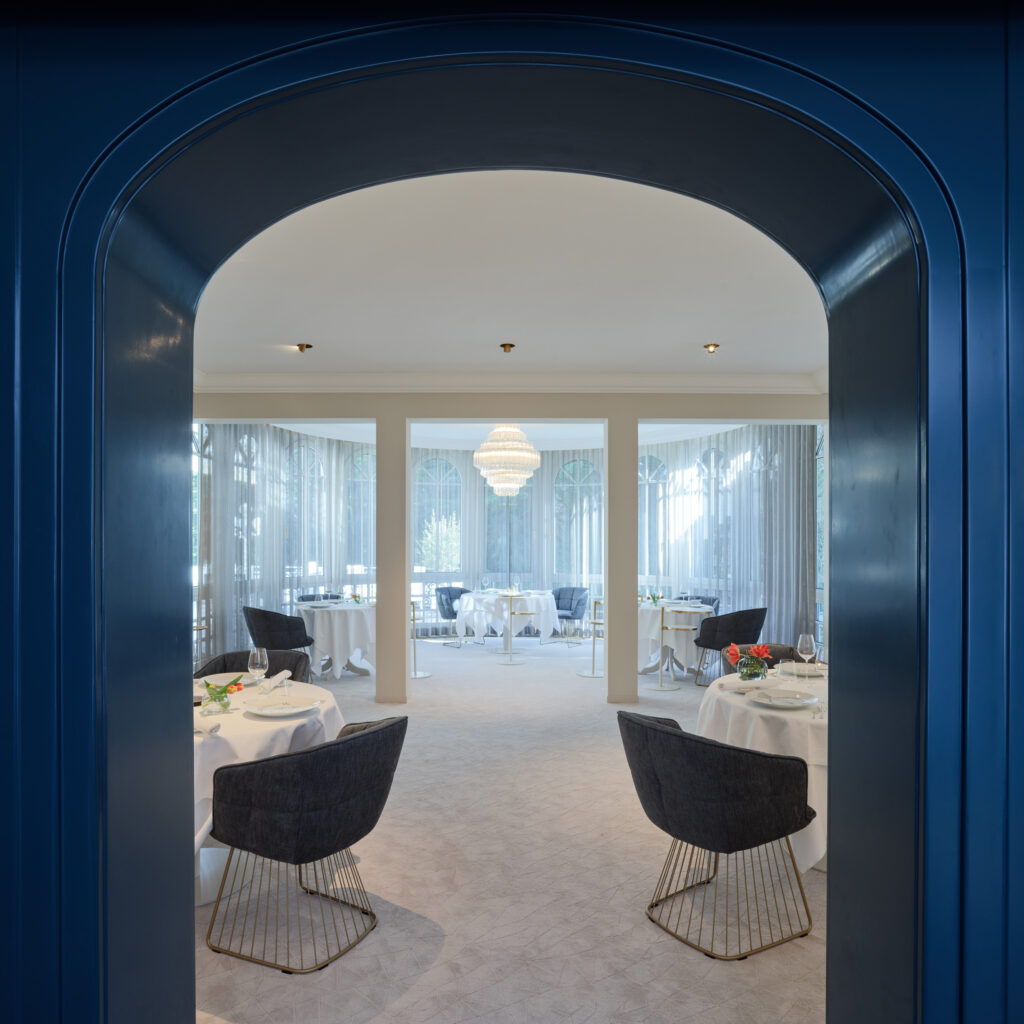
Before becoming the king of global television, Ramsay built his empire on the absolute precision of this small, intimate restaurant in Chelsea, which features classic French cuisine revisited with a contemporary British twist.
The Story: Ramsay is so attached to this specific kitchen that he has the number "3" inside a star tattooed on his arm to celebrate the third Michelin star. Despite his global TV commitments, legend has it that if a VIP customer calls to complain about a dish, Ramsay is still capable of answering the phone in person to resolve the matter.
The 5 Longest-Running Three-Star MICHELIN Restaurants in Italy
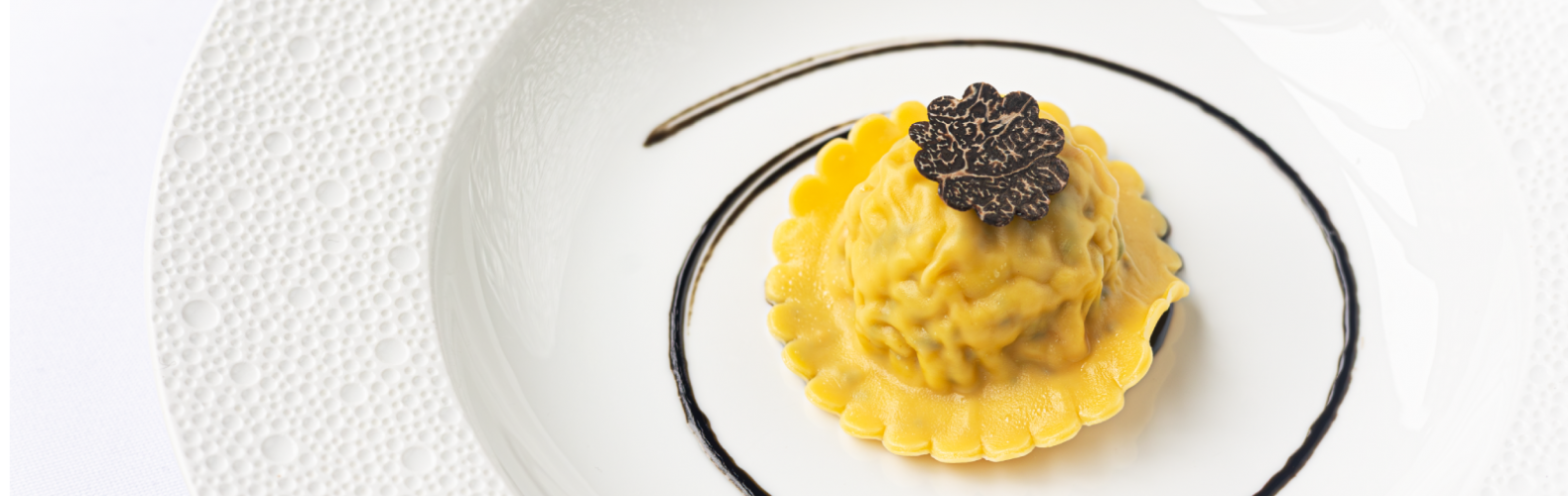
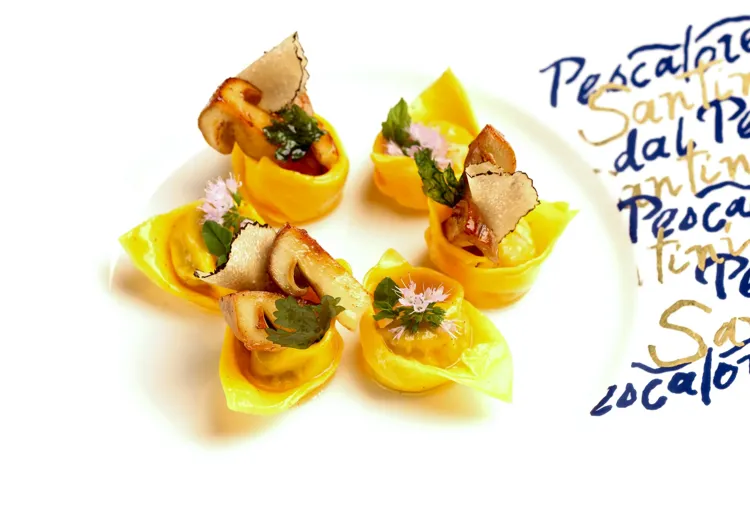
Dal Pescatore Santini (Canneto sull'Oglio) – Since 1996
Immersed in the Oglio River park, this is the ultimate expression of the great Italian family hospitality canon. Nadia Santini, previously named the World's Best Female Chef, and her son Giovanni offer a solid haute cuisine that nobleizes Po Valley traditions, such as pumpkin tortelli and eel.
The Story: It is a true culinary matriarchy. In the kitchen, final decisions have historically come from the women of the house. Nadia Santini learned the secrets of cooking from her mother-in-law, Bruna. When they won the third star in 1996, Nadia did not even know exactly what a Michelin star was; she was simply cooking her famous tortelli for the local villagers.
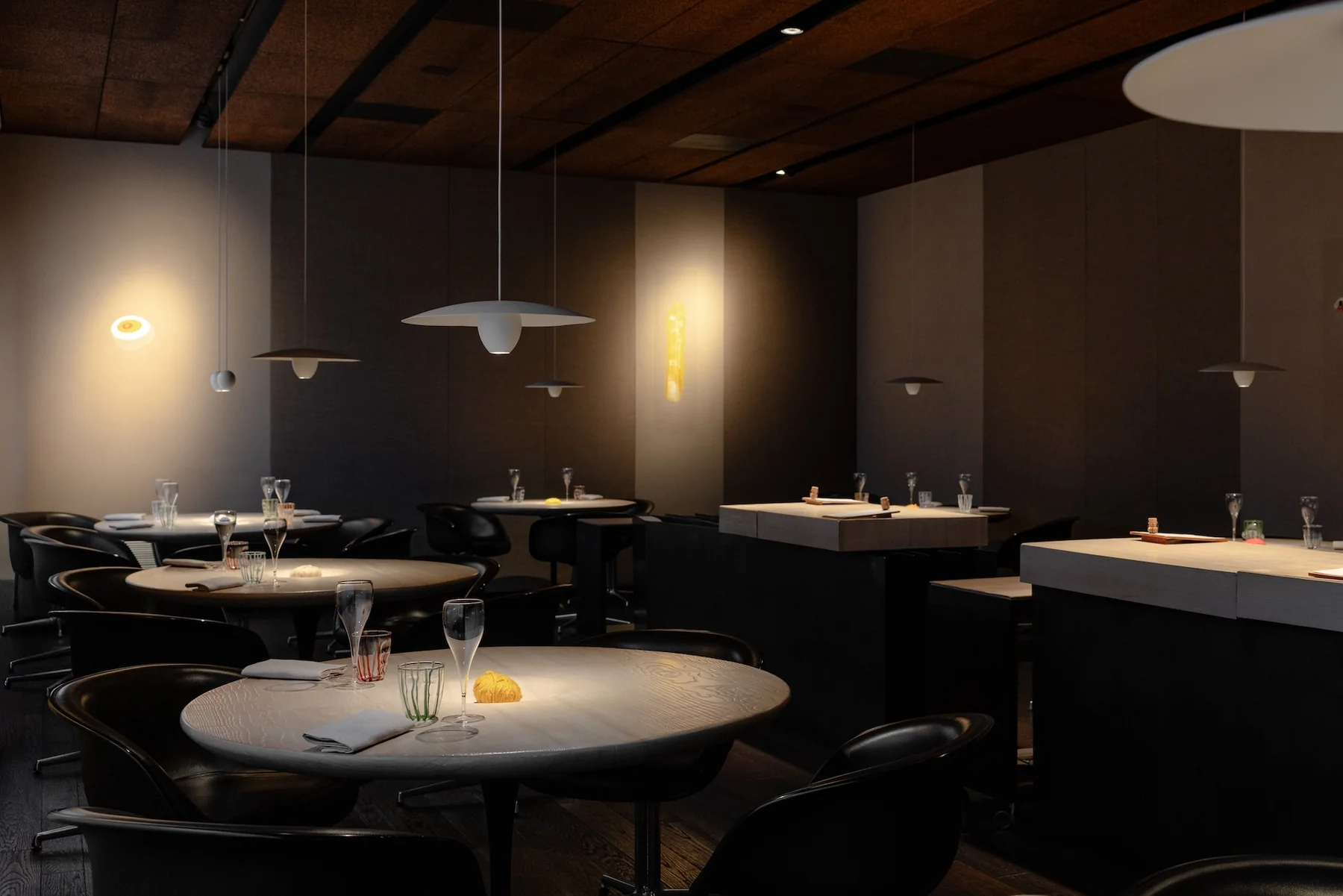
Le Calandre (Rubano) – Since 2003
In the creative laboratory of the Alajmo brothers—Massimiliano in the kitchen, Raffaele in the dining room—"Max's" cuisine is based on the concept of the depth of ingredients, seeking to extract the pure essence of the raw material without weighing it down with superfluous frills.
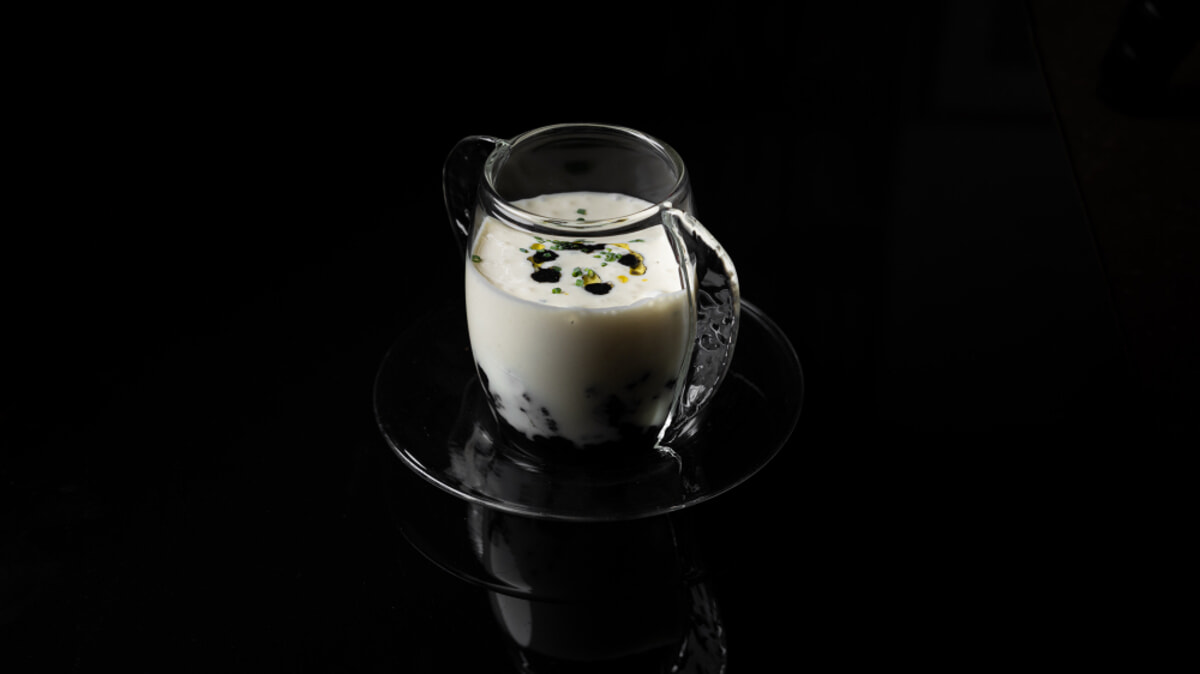
The Story: When they won the third star in November 2002, Massimiliano Alajmo was only 28 years old, becoming the youngest chef in the world to achieve three stars. Their signature dish is the "Cuttlefish Ink Cappuccino": a perfect visual play where the cuttlefish ink hides beneath a potato foam, served in a breakfast cup.
Enoteca Pinchiorri (Florence) – Since 2004
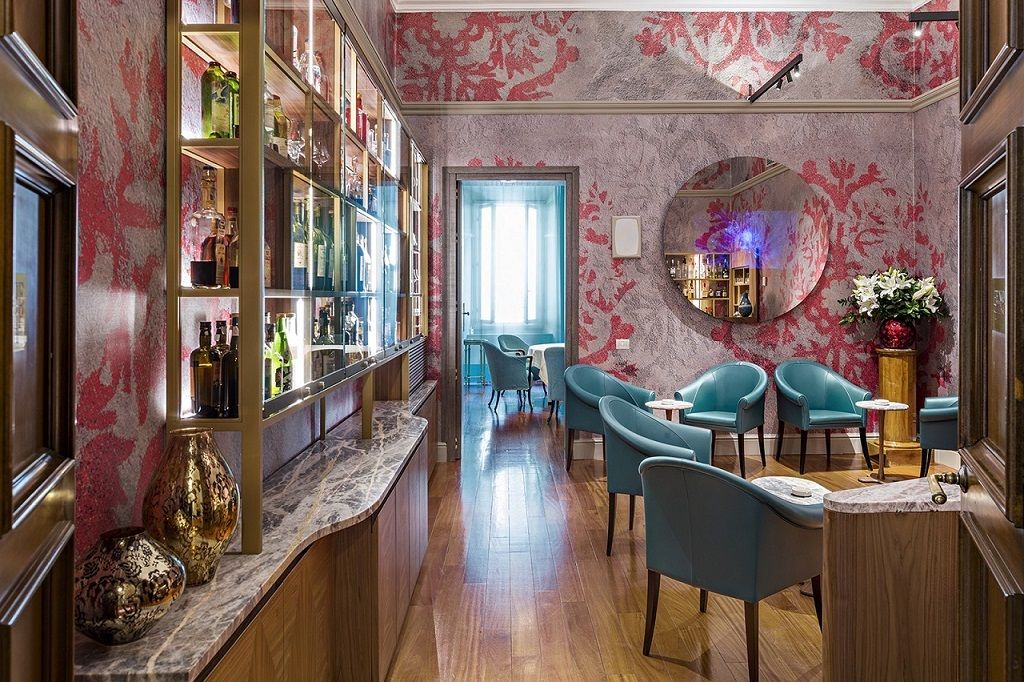
The Florentine temple of Franco-Tuscan luxury, born from the partnership between the incredible palate of French chef Annie Féolde and Giorgio Pinchiorri's pharaonic passion for wine. The history of their relationship with the Red Guide moves to the rhythm of a Greek tragedy, where the destinies of the kitchen cross paths with fire. On a November night in 1992, a devastating arson attack reduced a third of the legendary wine cellar to ashes. Michelin, almost wanting to reward a resilience from a bygone era, awarded them the third star in 1993 (making Féolde the first female chef in Italy to get it). However, the psychological and economic shockwave of that disaster lingered until 1995, the year the guide decided to strip them of the top honor. It took nearly ten years of silent, obsessive rebuilding to find the perfect balance again. In 2004, Enoteca firmly reclaimed its three-star throne, defending it uninterruptedly ever since.
The Story: Giorgio Pinchiorri is a living legend of global wine collecting, guarding a cellar that today once again holds over 60,000 historic bottles. It is said that the surviving cases of Romanée-Conti and Pétrus acquired an almost priceless value for billionaires worldwide after escaping the danger. Luxury, after all, knows how to be stronger than fire.
Leggi l'articolo
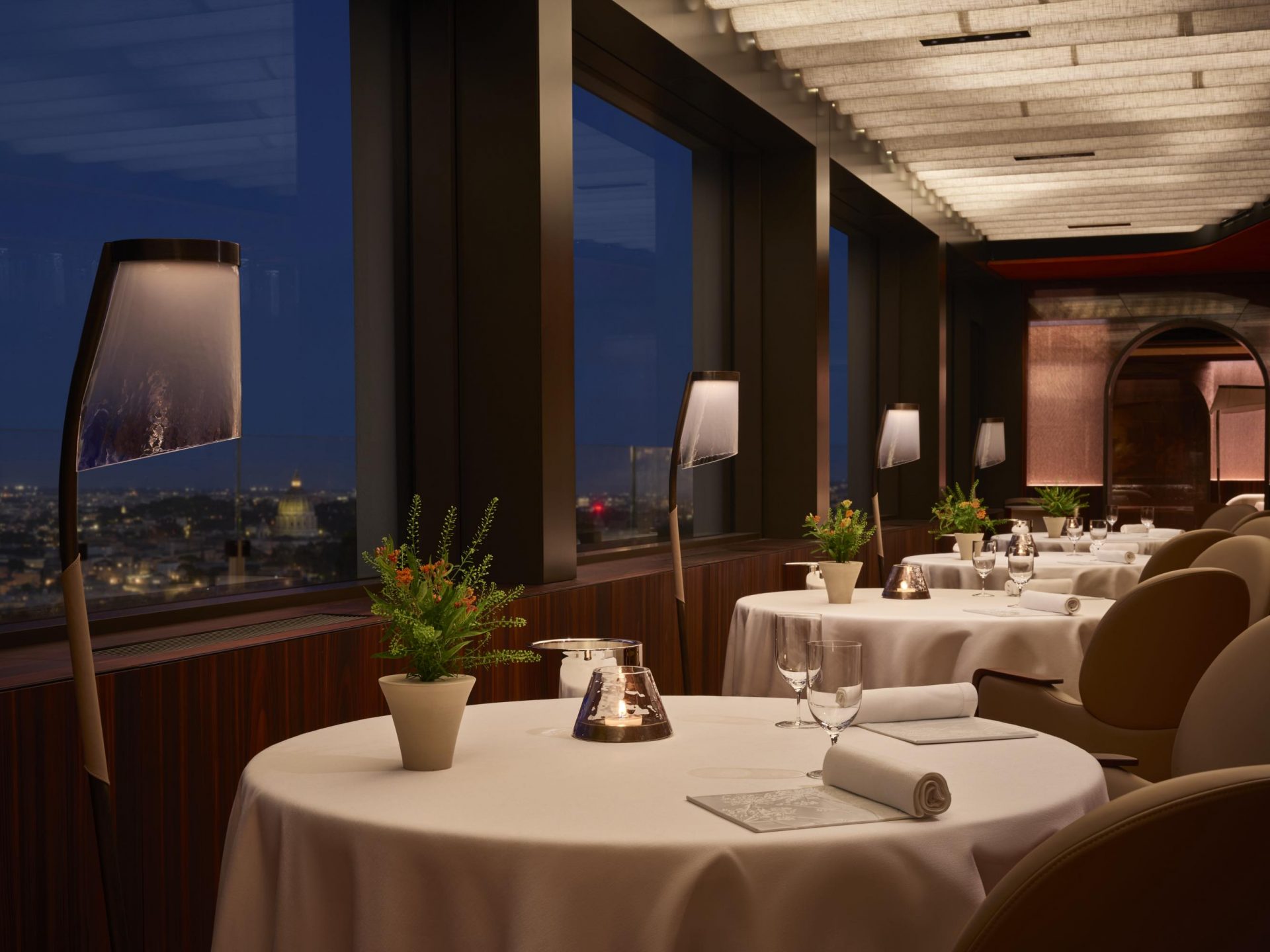
La Pergola - Heinz Beck (Rome) – Since 2006
Located on the roof of the Rome Cavalieri hotel, it offers the most spectacular view over the Eternal City. Chef Heinz Beck, German by birth but Roman by adoption, has redefined Italian cuisine by applying scientific studies on digestibility, nutrition, and lightness to Mediterranean ingredients.
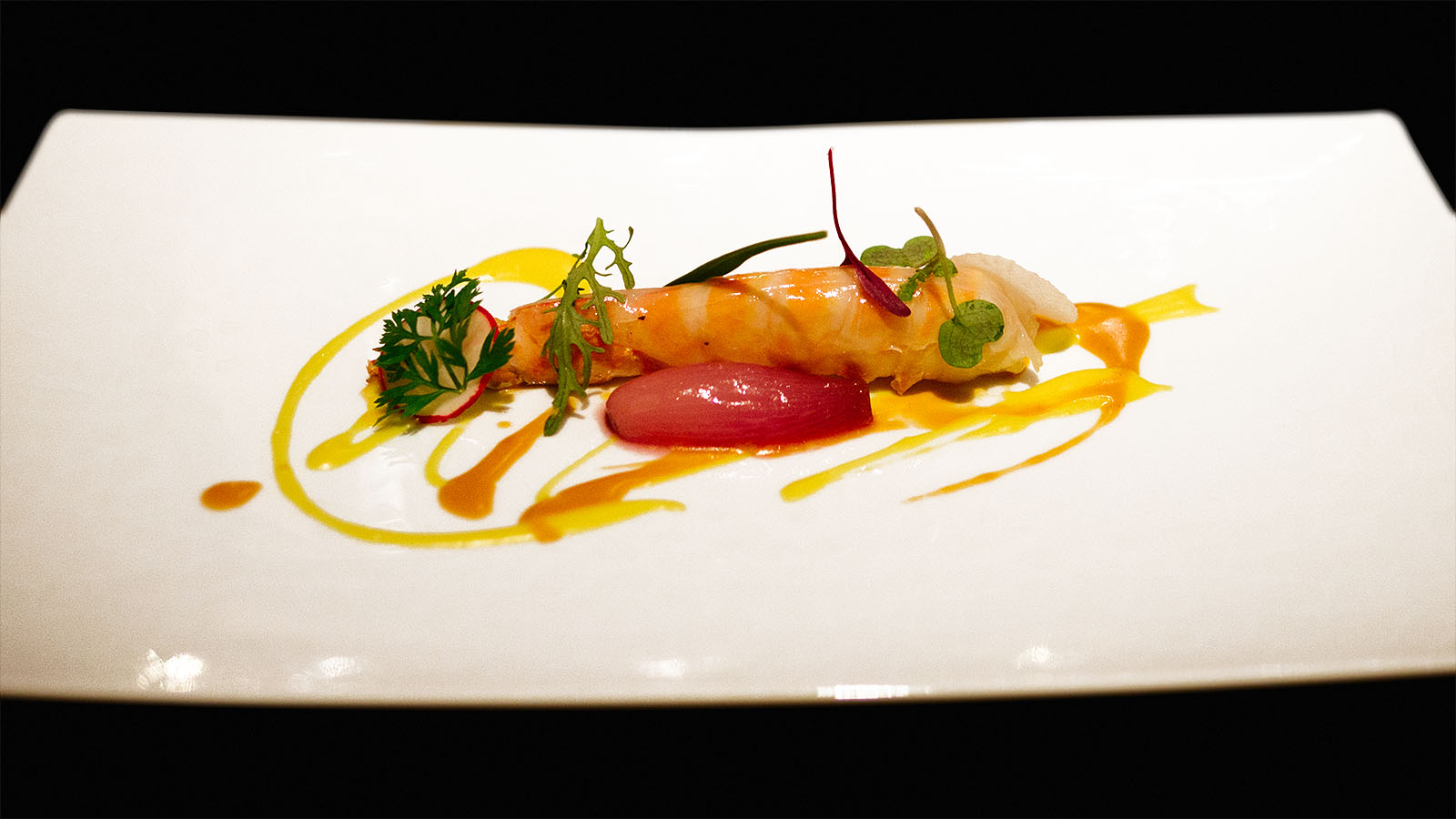
The Story: One of his signature dishes, the "Fagottelli La Pergola," is a futuristic take on carbonara. The liquid filling of egg and pecorino cheese is encased inside an incredibly thin egg pasta, so that the sauce "explodes" in the mouth on the very first bite, rather than coating the pasta from the outside. Beck works closely with doctors and scientists to calculate the caloric and digestive impact of every single menu.
Da Vittorio (Brusaporto) – Since 2010
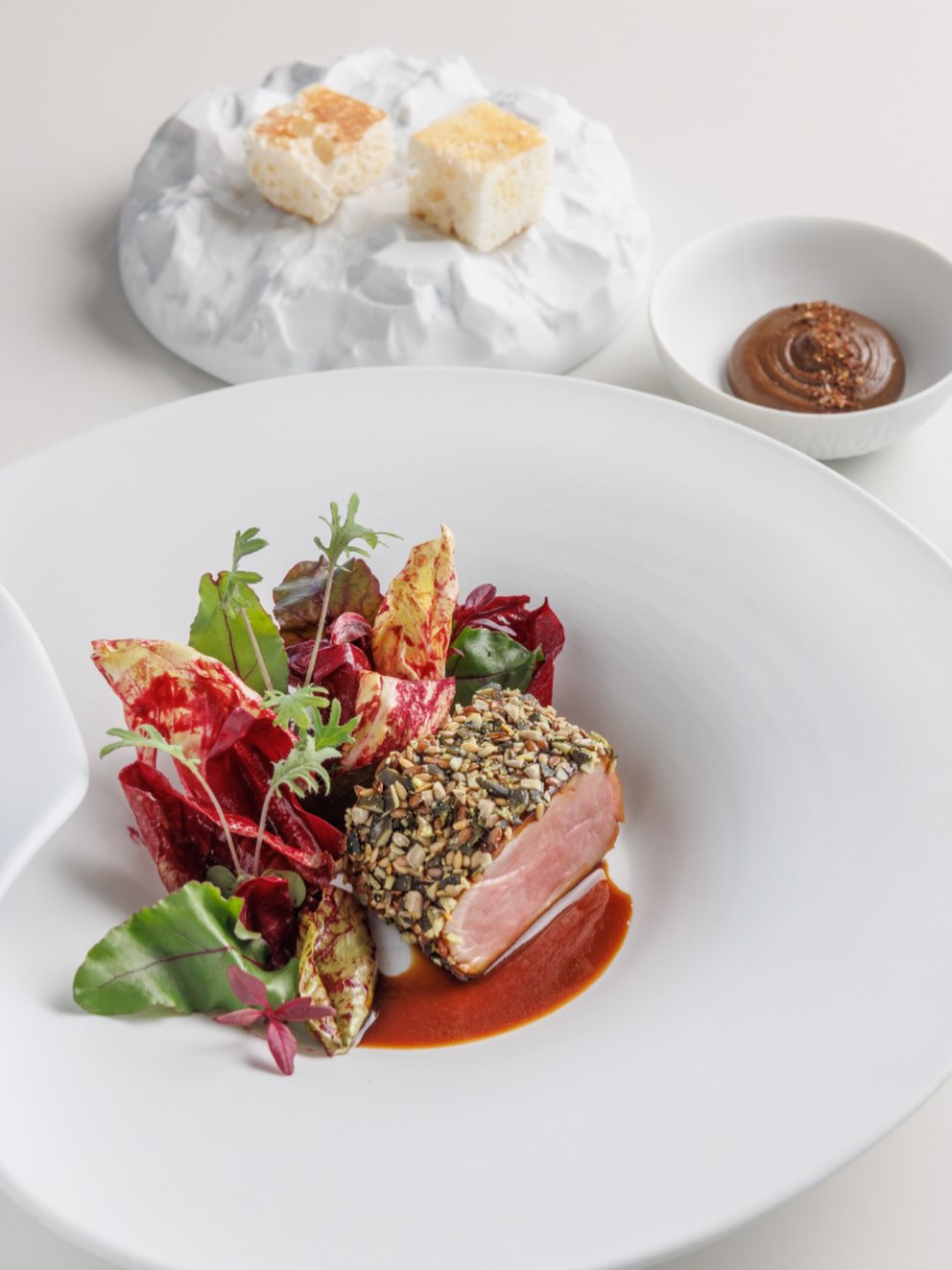
The home of the Cerea family, nestled in the Bergamo hills, is the absolute benchmark for the concept of Italian hospitality. Led in the kitchen by brothers Chicco and Bobo Cerea, the restaurant shattered the taboo of meat in the land of the Orobie valleys, building its myth on seafood treated with a technique capable of blending great tradition and modernity.
The Story: Behind the three stars of Brusaporto lies one of the most massive ultra-luxury catering operations on the planet, capable of serving three-star menus to thousands of people in New York, Shanghai, or Saint-Moritz with the exact same meticulousness as the restaurant. The legend of their manic efficiency was cemented when the Cerea family was called upon to manage official lunches for the Pope or highly classified private events for G7 leaders. To guarantee that the ultra-fresh fish and millimetric details arrived intact anywhere, the Cereas structured a militarized logistics system, featuring high-tech kitchen semi-trucks and mobile brigades that move like a special forces unit—proving that absolute excellence can be replicated even five thousand kilometers from home.
Leggi l'articolo