
Villa della Pergola: Portrait of a Botanical and Gastronomic Masterpiece in Alassio

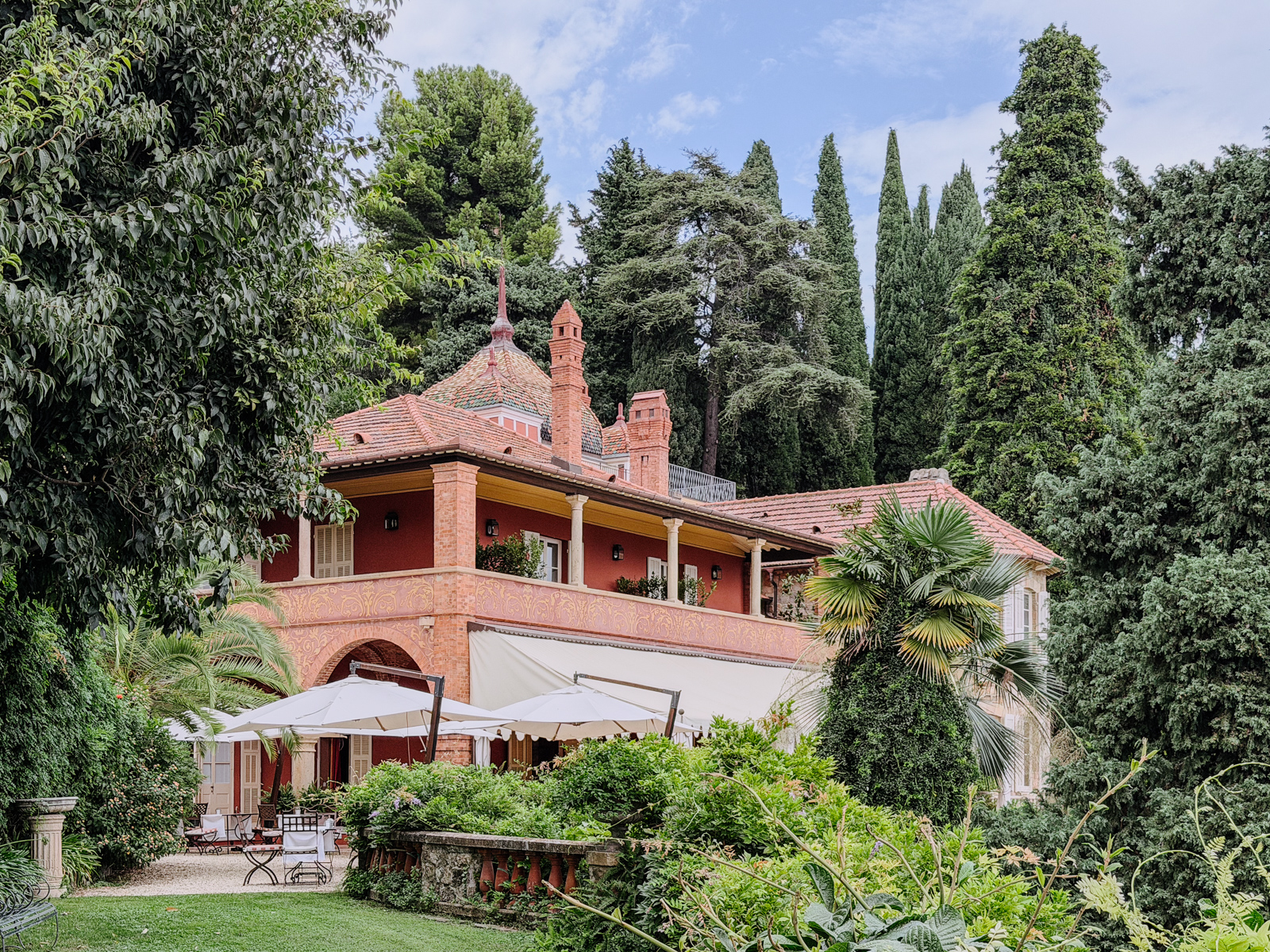
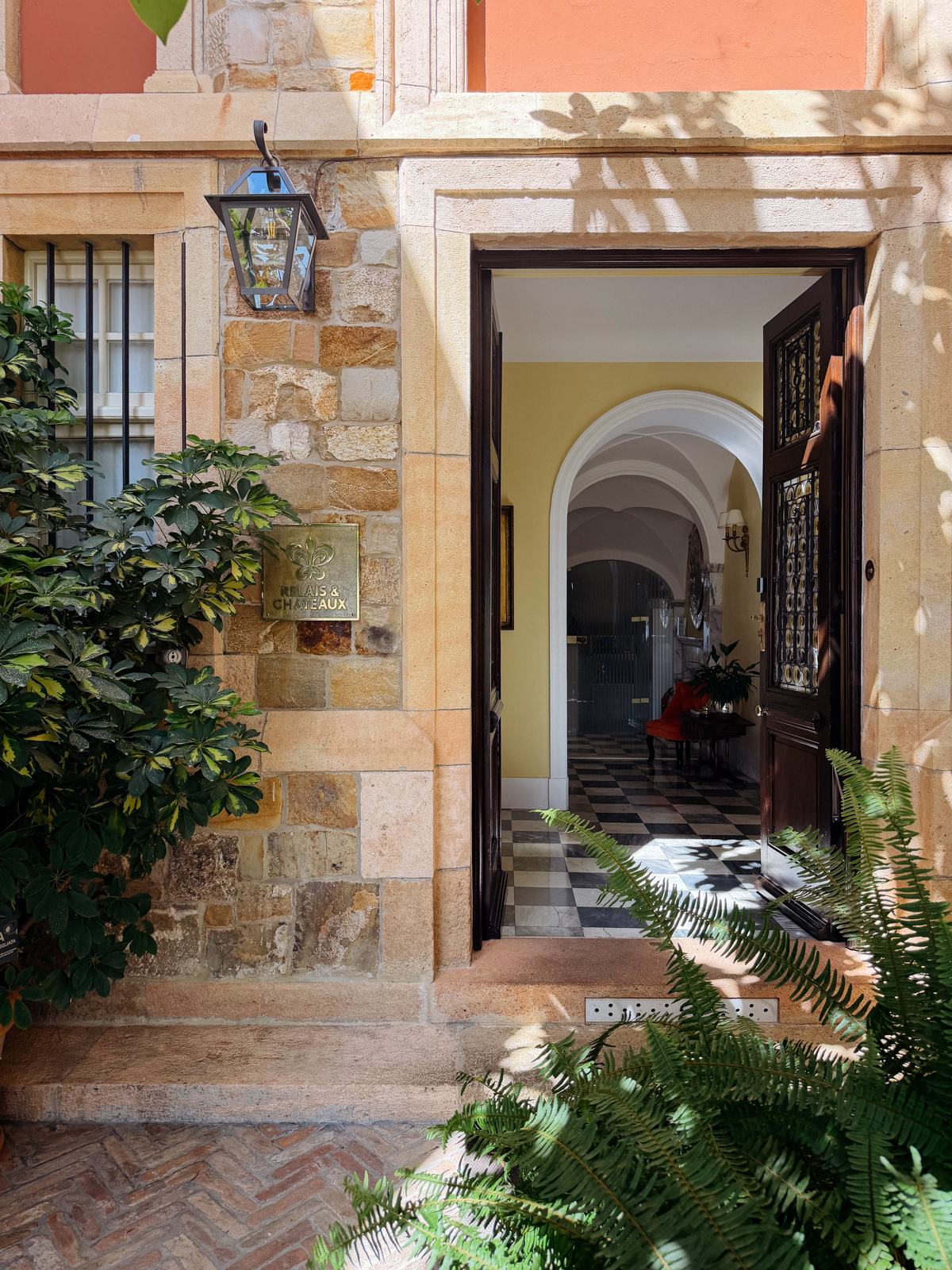
One of the most striking cases of landscape preservation and cultural regeneration on the Ligurian Riviera, Villa della Pergola, located on the heights of Alassio, is a late 19th-century fin-de-siècle British residence. In 2006, the estate was at risk of being wiped out by a real estate speculation project aimed at turning the hill into a complex of apartments and garages. The purchase at the bankruptcy auction by Antonio Ricci and his wife Silvia Arnaud was born as a legitimate act of defense of the territory—a decision void of real estate logic that transformed the owners into custodians of a botanical and historical heritage returned to the community.
In 2024, eighteen years after that stand against land consumption, the awarding of the Orticola-iO Donna Prize to Silvia Arnaud and the entry of the botanical park into the Partner Gardens of the British Royal Horticultural Society—a circuit of excellence chaired by King Charles III comprising just 27 selected gardens outside the UK—sealed the scientific and conservation value of the operation.
The restoration of the 2,200-hectare park, entrusted to Paolo Pejrone, brought to light the original structure of the gardens, enhancing historically significant collections of international renown, such as the largest European collection of Agapanthus and the ancient varieties of wisteria introduced by the British colony in the late 19th century. Absolutely a must-visit.
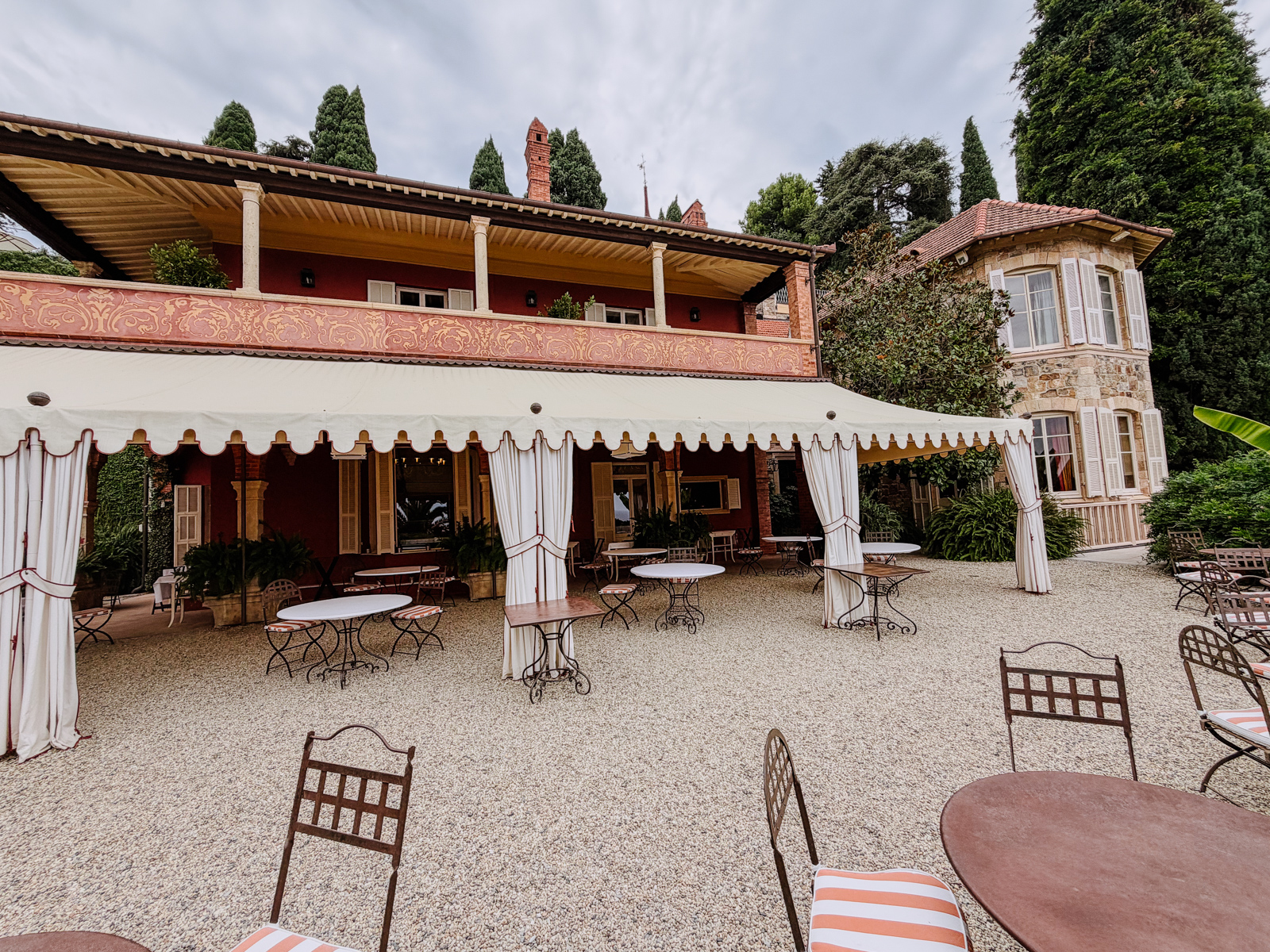
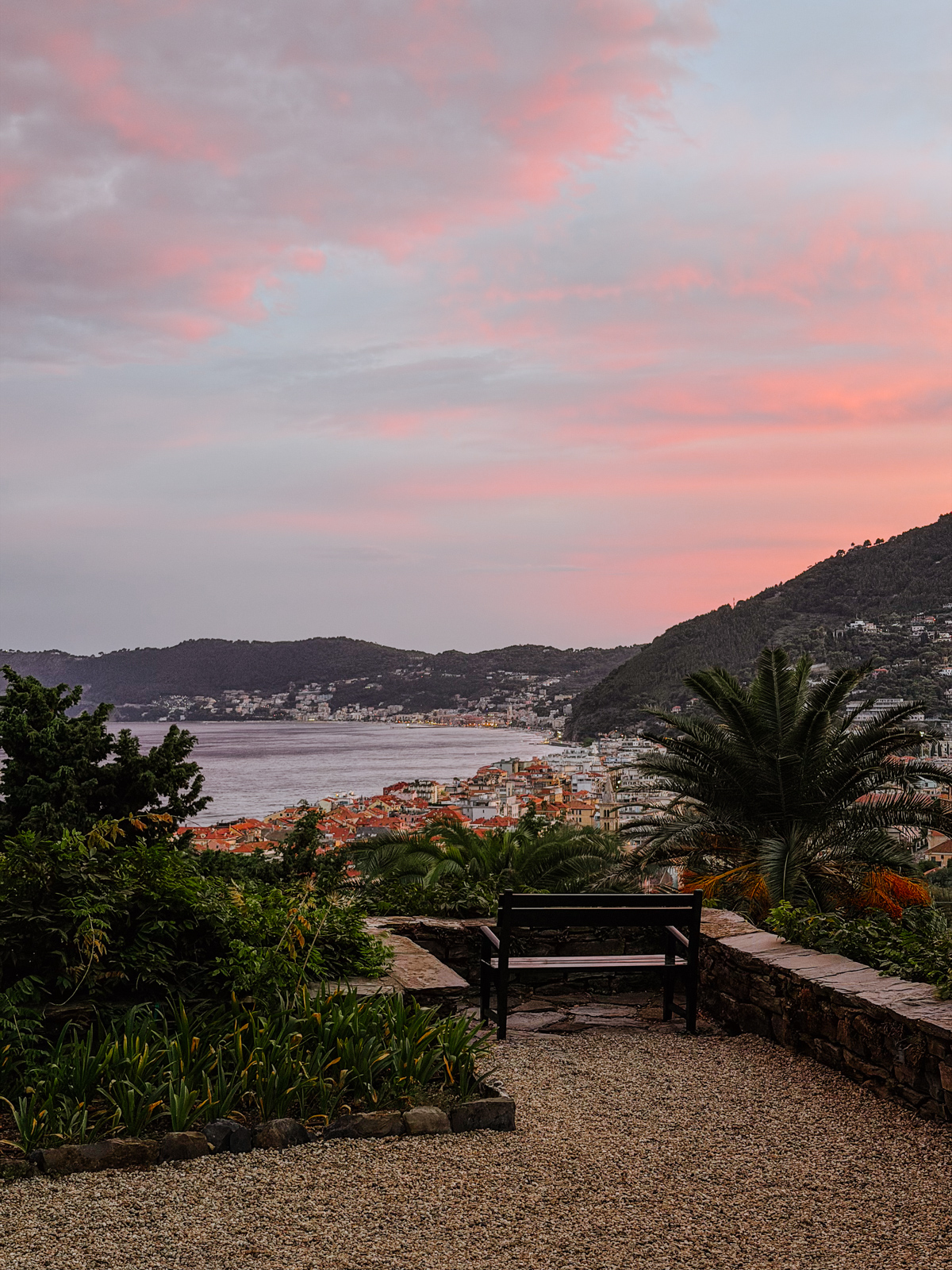
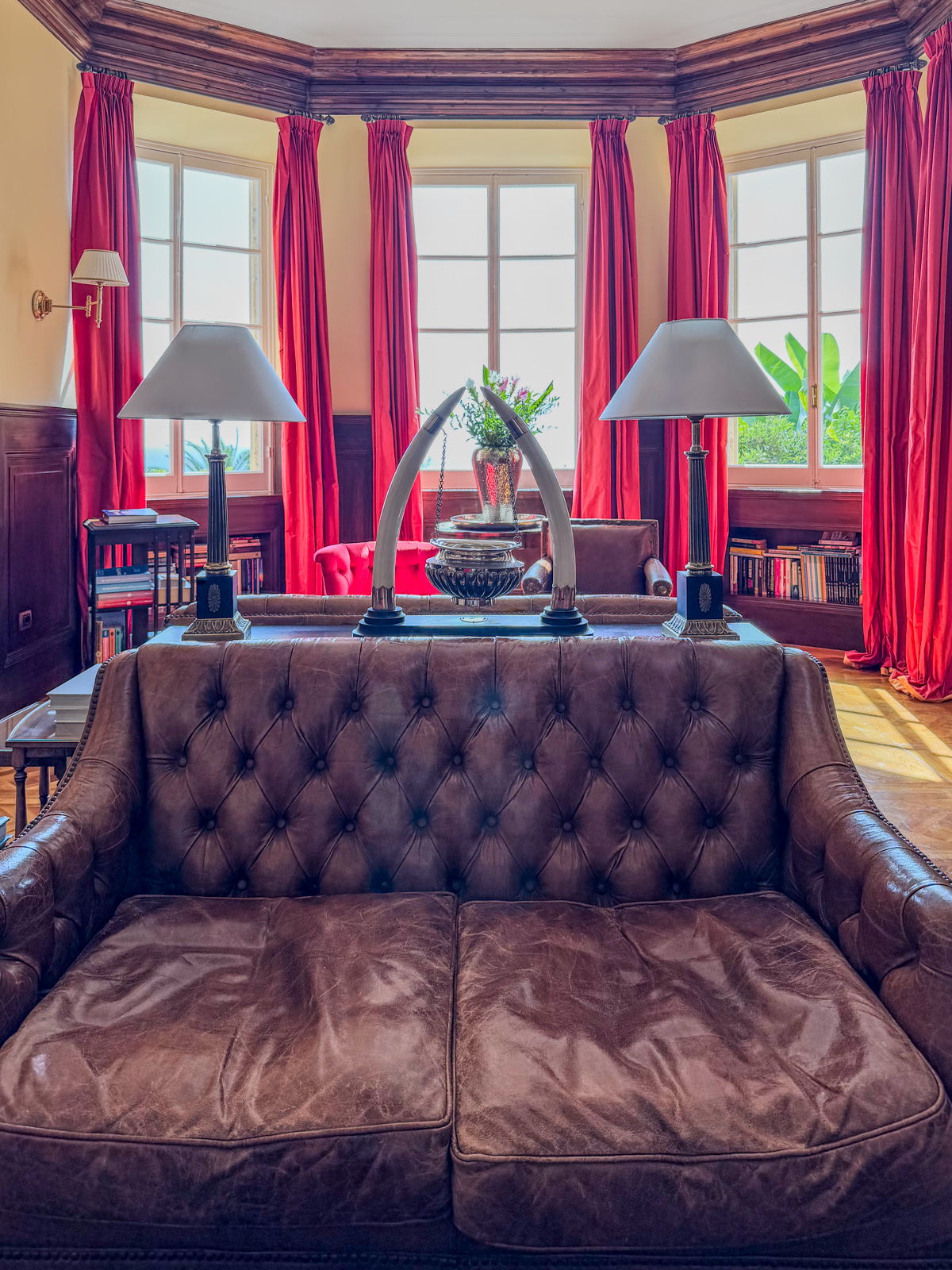
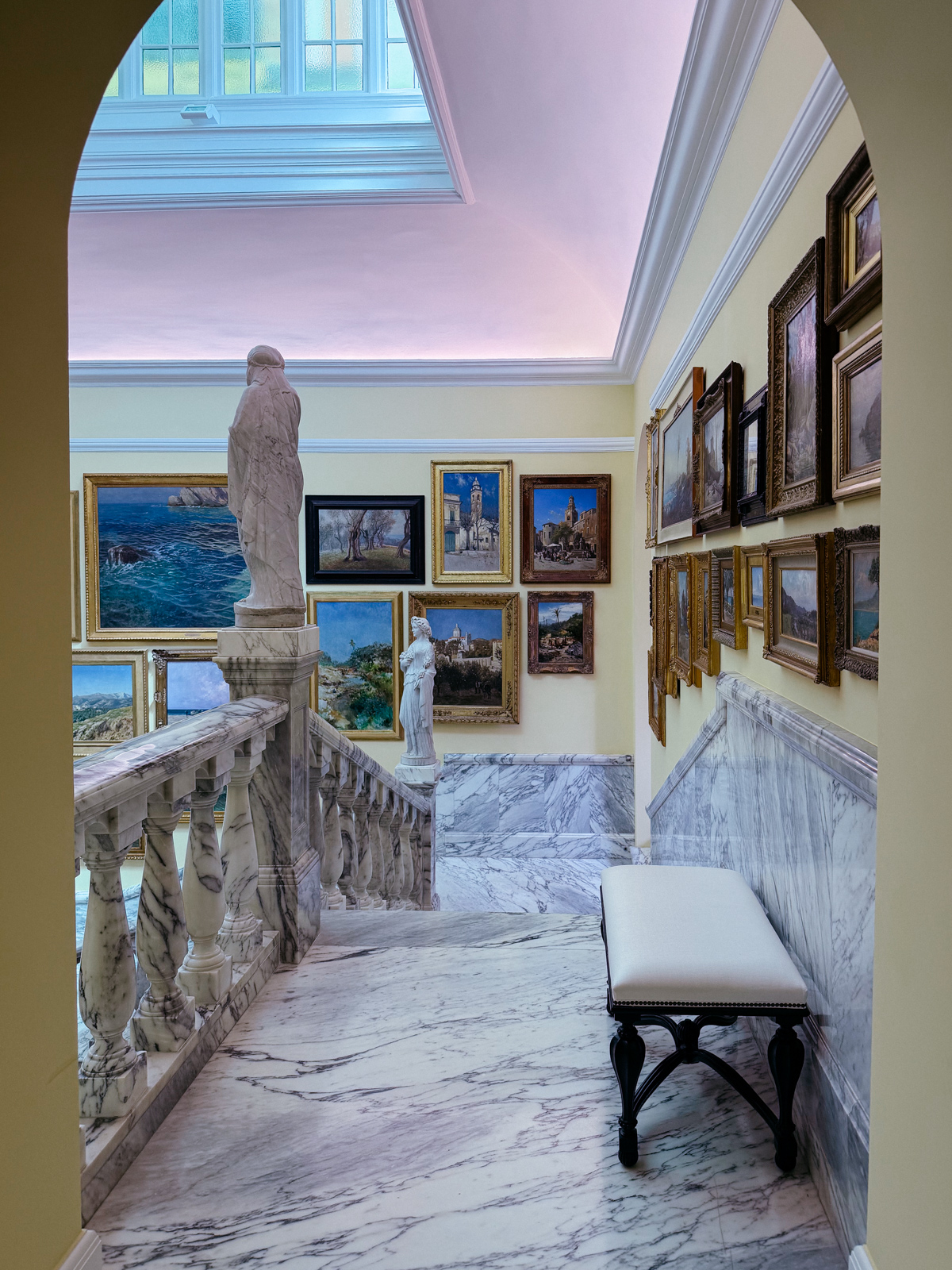
This philological attention is reflected in the estate's interiors, completely emptied at the time of the auction and today reconstructed through antiquarian research across auctions and vintage fairs, supported by Silvia and her daughter Francesca, the youngest of three sisters and currently the restaurant manager. “At the time of the auction, the house was completely empty,” she tells us in front of the display cabinets—mini Wunderkammers of relics and ancient objects. “Together with my mother, we traveled to auctions and fairs to buy furniture and furnishings, while my father is constantly engaged in searching around the world for objects somehow connected to the former owners.” The monumental marble staircase leading to the rooms is nothing short of a vertical art gallery. Displayed along the walls is an extensive collection of paintings, including oils, watercolors, and engravings created by English painters and travelers who stayed in Western Liguria. The works depict historical views of Alassio, the bay, the cliffs, and the surrounding countryside, testifying to Northern Europe's fascination with Mediterranean light and nature.
“My dad and I personally studied the arrangement of the paintings on the staircase walls,” Francesca continues, “spending hours at the computer moving and fitting the paintings together on screen, looking for the best composition.”
Anglo-Indian furniture, Chinese porcelain, botanical watercolors, and rare volumes sit alongside relics tied to the villa's historical owners, including the Scottish baronet Sir Walter Hamilton Dalrymple—a key figure in the park's development between 1900 and 1922 and founder of the Glen Golf Club, to whom one of the suites is dedicated, housing a series of antique golf club prototypes.
The hospitality experience, which begins in the small lounge adjacent to the kitchens with a rooibos and mandarin mocktail, finds balance in a high-profile guest reception model. The transformation of the estate into a relais and the birth of Ristorante Nove, led by chef Antonio Romano under the dining room direction of Francesca Ricci, complete the property's ecosystem, bridging botanical restoration with a living concept of hospitality integrated into the landscape.za, che prende avvio nel salottino adiacente alle cucine con un mocktail al rooibos e mandarino, trova equilibrio in un modello ricettivo d'altissimo profilo. La trasformazione della tenuta in relais e la nascita del Ristorante Nove, guidato dallo chef Antonio Romano con la direzione di sala di Francesca Ricci, completano l'ecosistema della proprietà, saldando il recupero botanico a un'idea di accoglienza viva e integrata nello scenario.
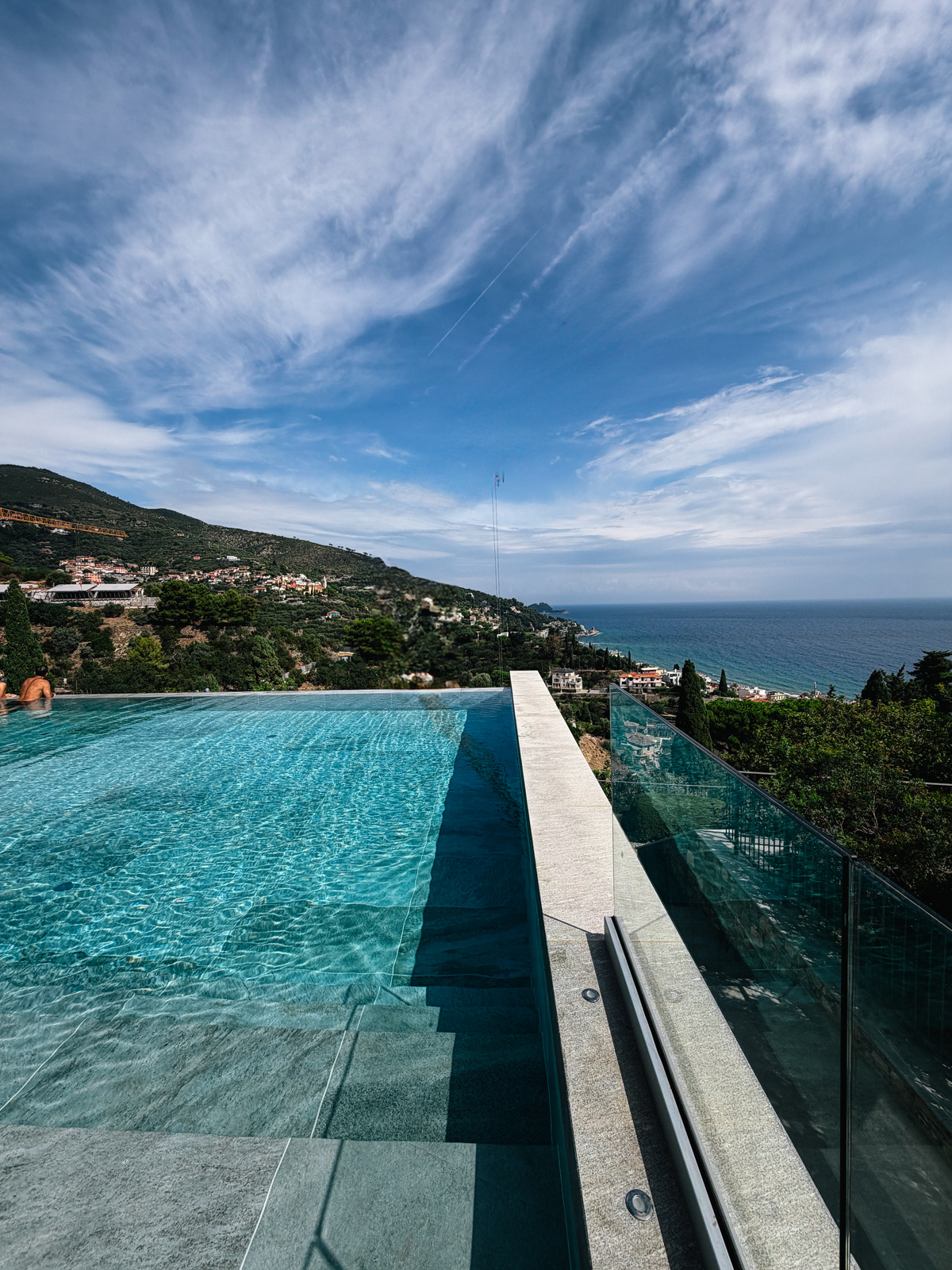
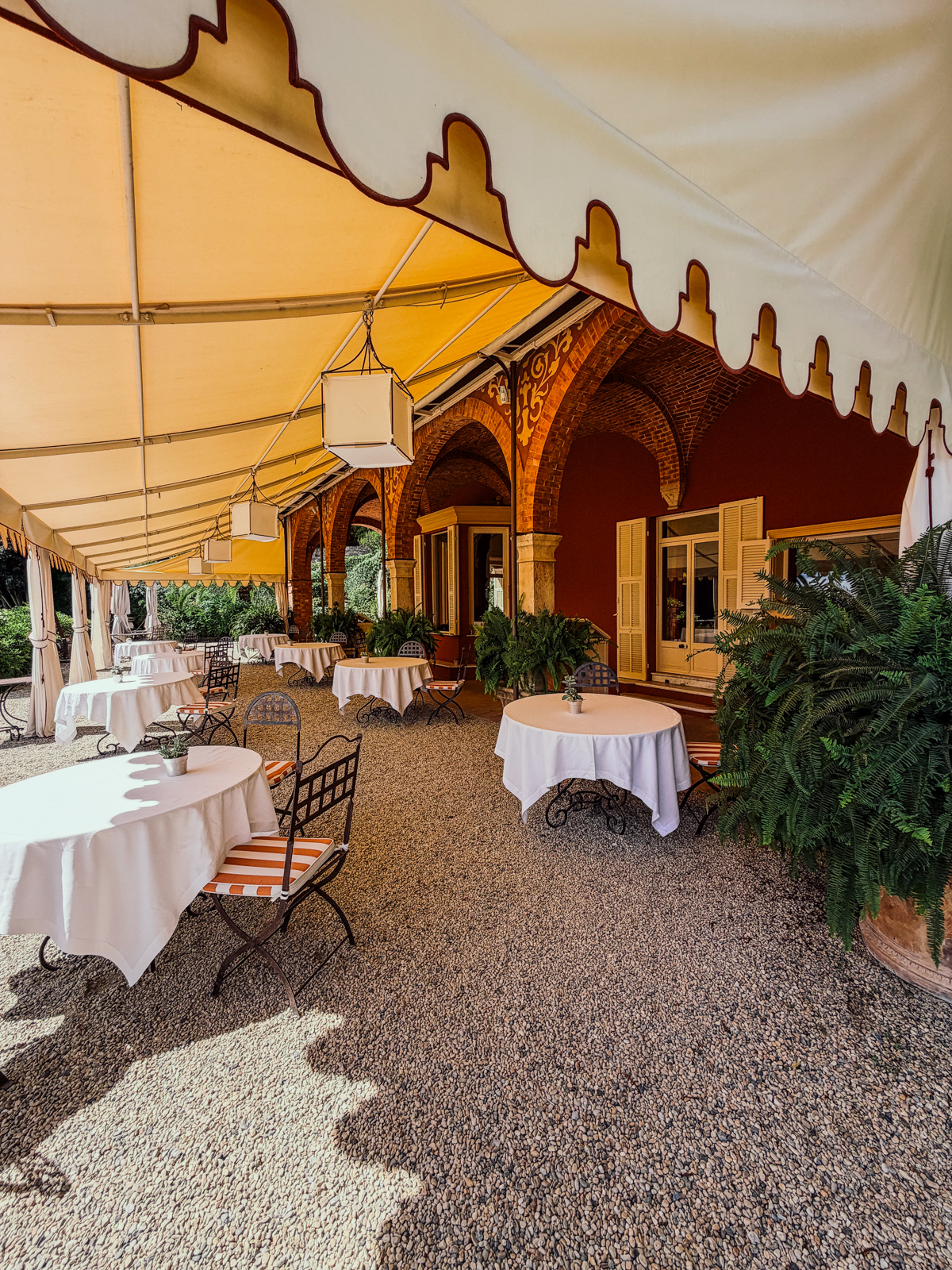
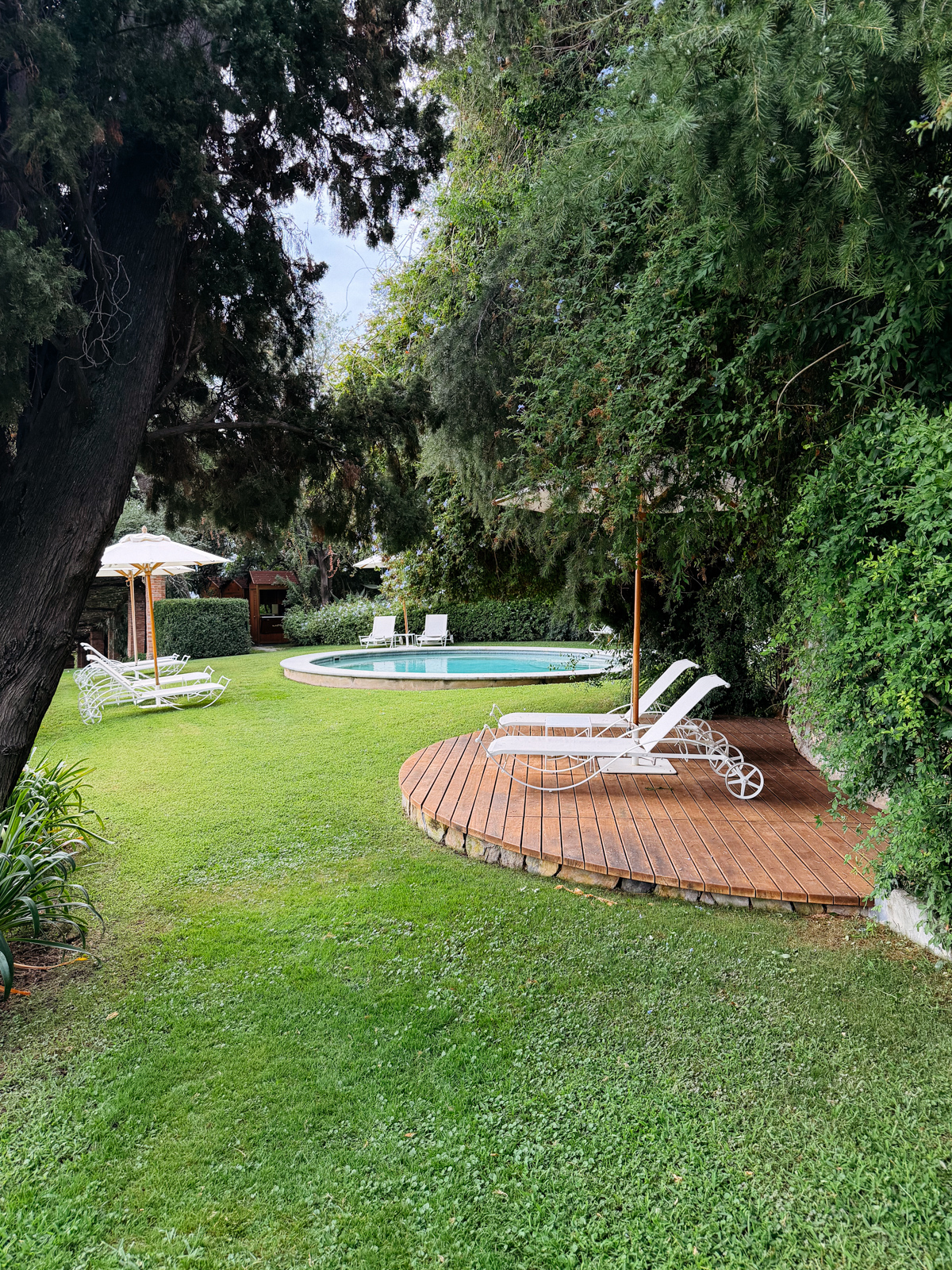
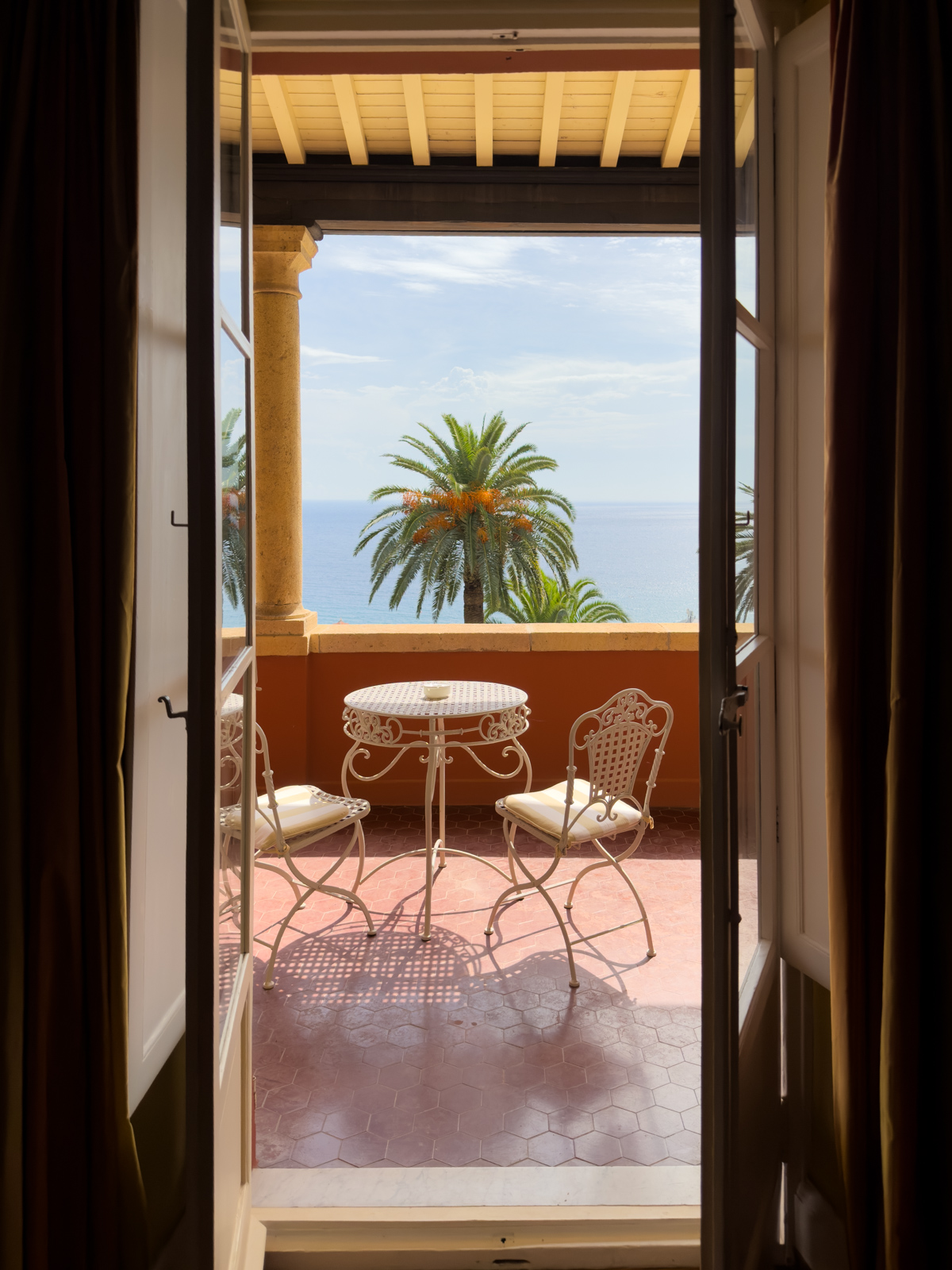
Today, the project is moving toward a new expansion phase designed by the Renzo Piano Building Workshop studio. From the infinity pool located on the estate's highest terrace, the view meets the construction sites that will build a funicular connecting to the beach, new suites, a second restaurant, and the redevelopment of the surrounding agricultural area. It is an approach that Renzo Piano, during a lecture shared with Ricci and Arnaud at the Politecnico di Milano, defined as: “True art is not simply building, but building the right things. Villa della Pergola is a place for the people, an important place to save and open to everyone. It is an example of how architecture can be made through care and safeguarding—not a real estate development, but an act of cultural resistance and the restoration of beauty to the territory.” Addressing Antonio Ricci, he added, “This is the shared madness that unites us.”
The centerpiece of the intervention is L'Orto Rampante (The Rampant Garden), a conceptual homage to Italo Calvino that foresees the recovery of historic terraced land with dry-stone walls, alongside the creation of greenhouses and educational-cultural spaces. The project also encompasses Villa Levi, a hillside residence that served between 1929 and 1975 as the summer retreat of Carlo Levi, a place of artistic creation and a meeting point for intellectuals of the era.
On the lower floor of the villa, a space dedicated to Ligurian literary and natural heritage will take shape. “There will be spaces dedicated to writers like Italo Calvino and to nature, to Camillo Sbarbaro and his lichen collection,” shares Antonio Ricci. “The project aims to revive certain personalities that have been somewhat lost, such as Calvino’s parents, two great botanists who brought avocados to Liguria, probably too far ahead of their time.”
It is a project dedicated to botanical memory that matches, in cultural weight, the history of the Ligurian residence. “The president of FAI [Fondo Ambiente Italiano],” Ricci continues, “publicly stated during an evening at La Scala that we are carrying out a project that will eclipse all my television achievements, and he is probably right.”
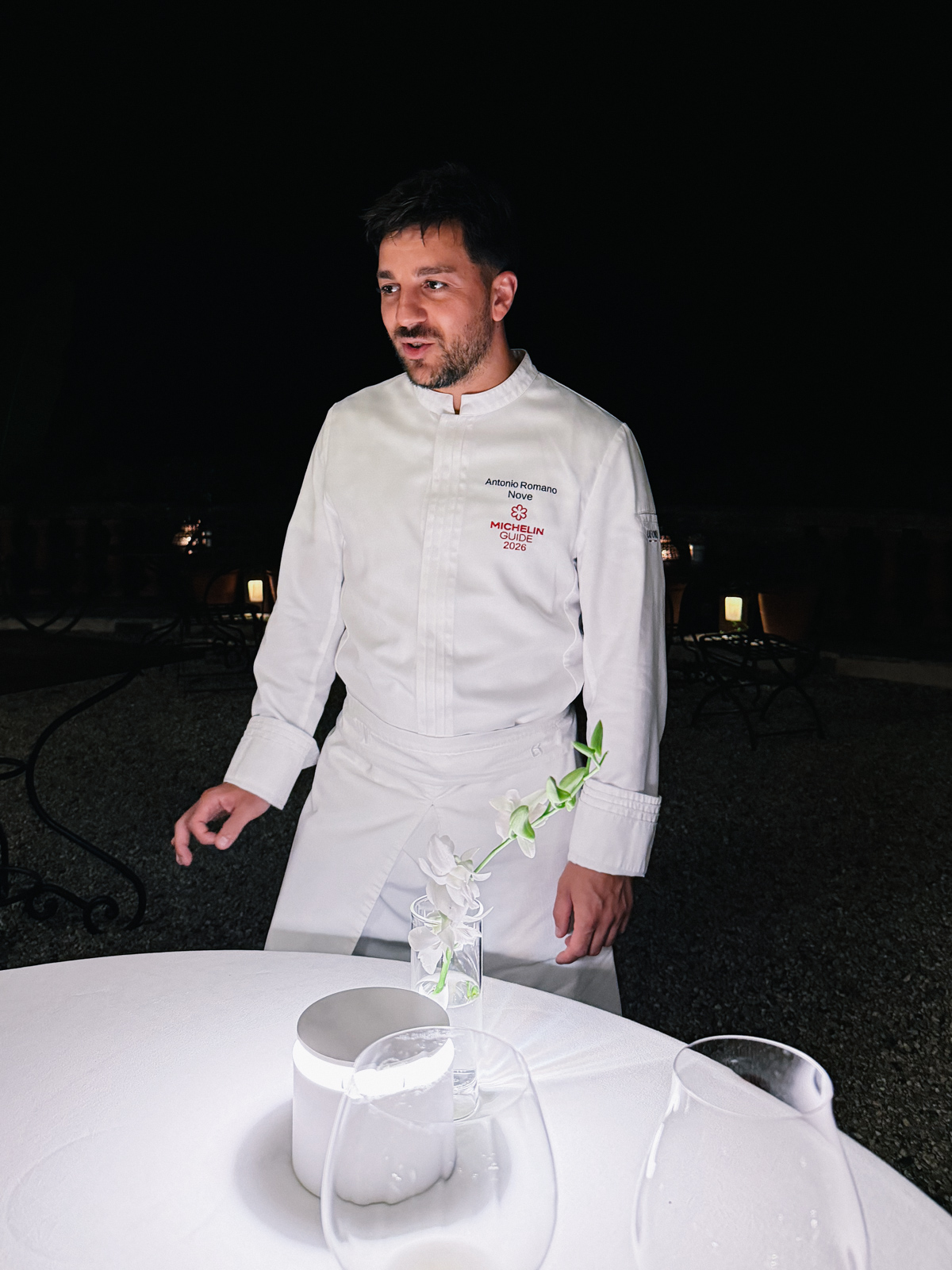
The arrival two years ago of Antonio Romano at the helm of Ristorante Nove, which has held a Michelin star since 2020, marks a precise intersection between fine dining craftsmanship and the botanical dimension of Villa della Pergola. In a fitting surname-geographic coincidence, the chef born in 1993 consolidated his technical discipline under the tutelage of Heinz Beck, between the kitchens of La Pergola in Rome and Castello di Fighine in Tuscany, where he confirmed the Michelin Star. His journey was further enriched through international steps, from The Connaught in London with Hélène Darroze to his experience with Heston Blumenthal. Arriving in Alassio, he converted this fine-dining foundation into a direct dialogue with the Ligurian landscape.
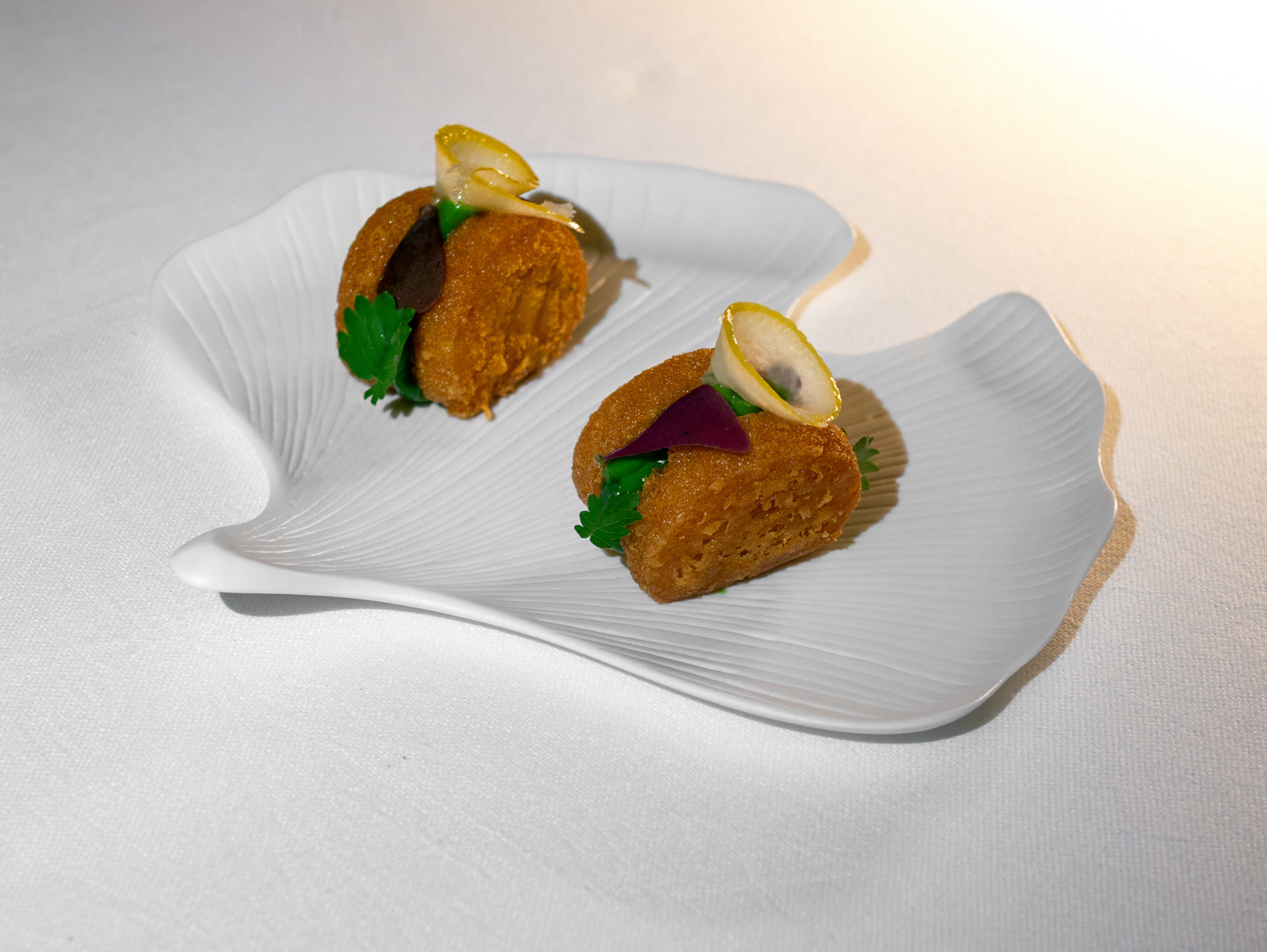
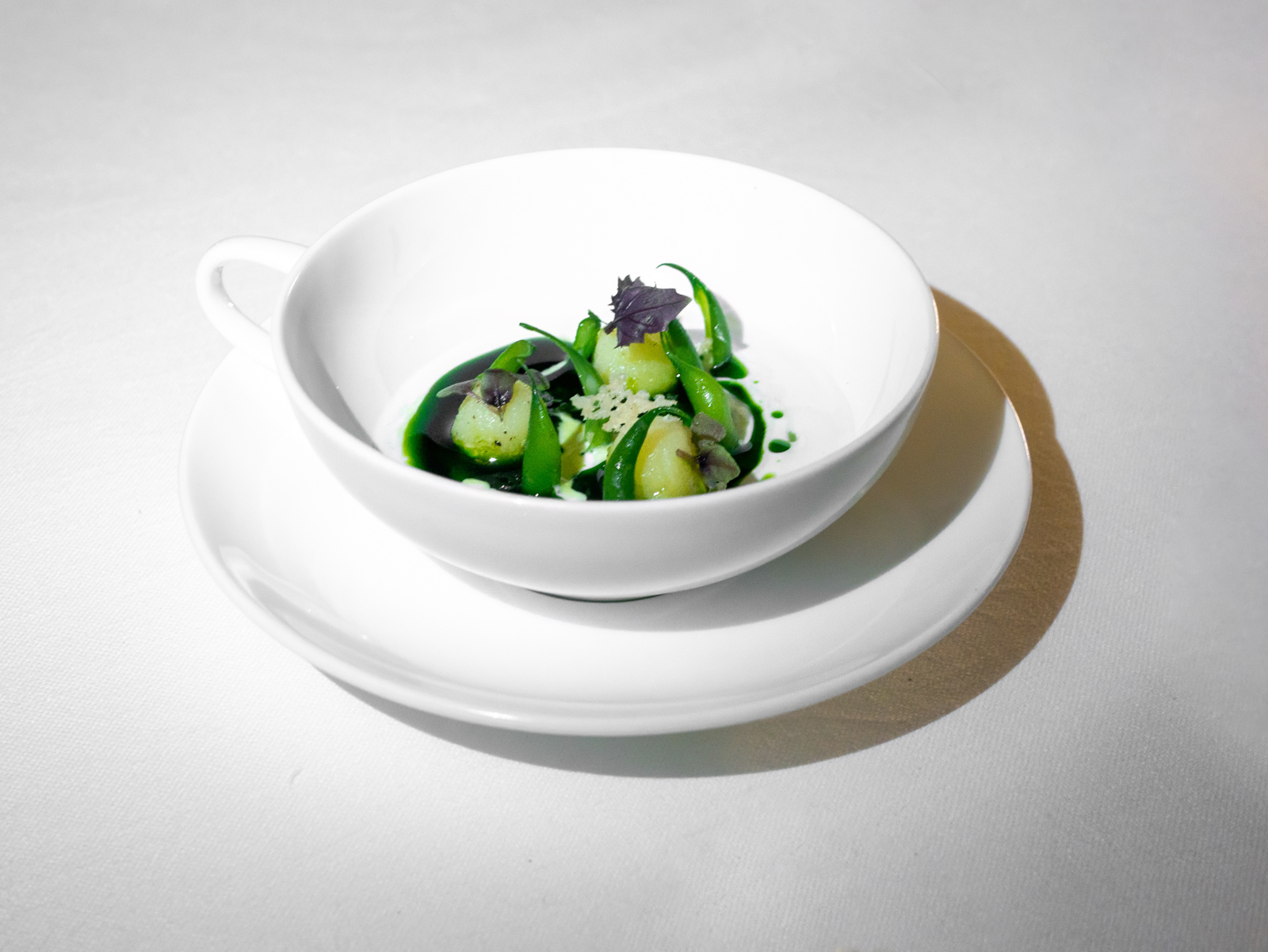
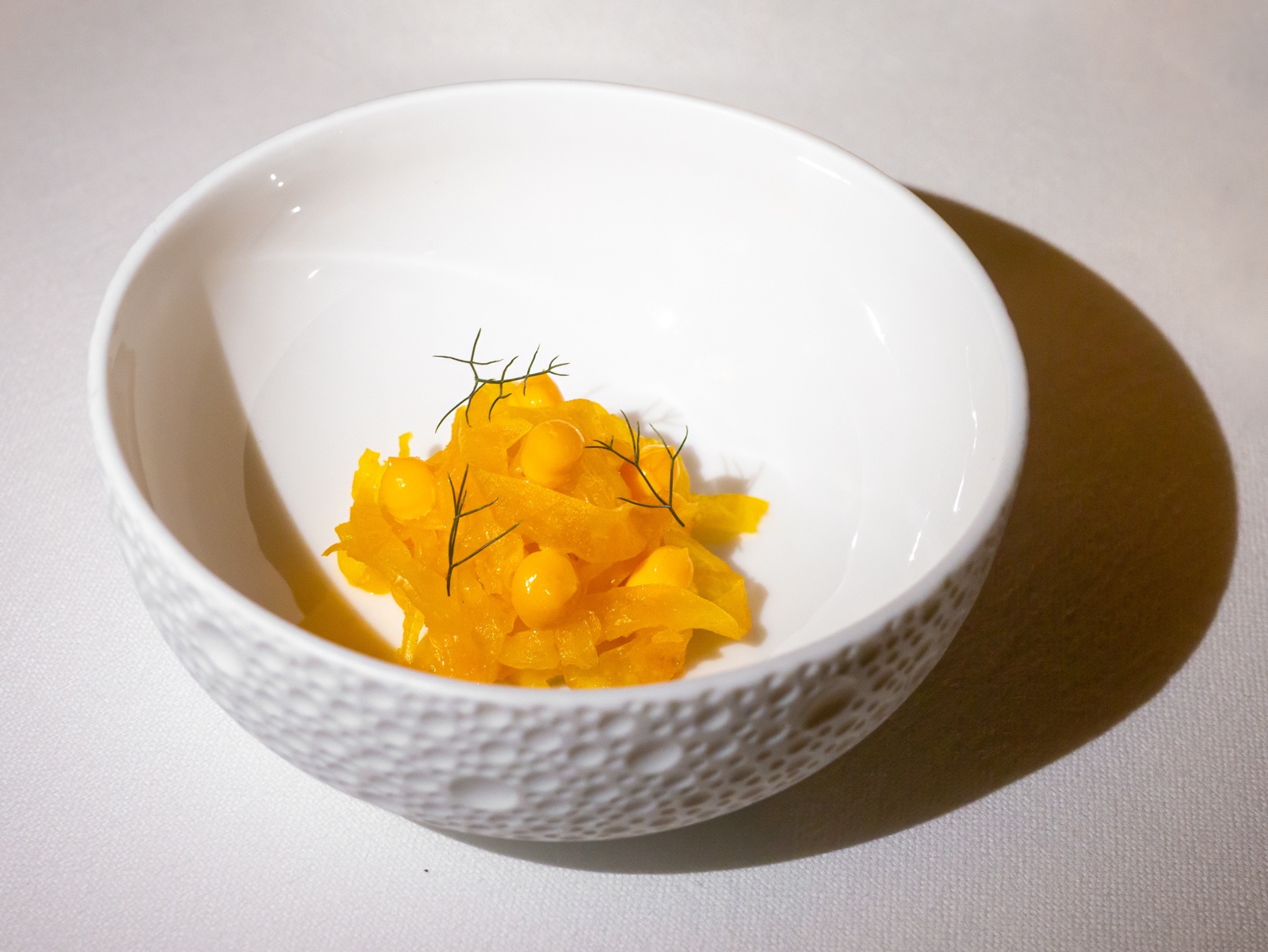
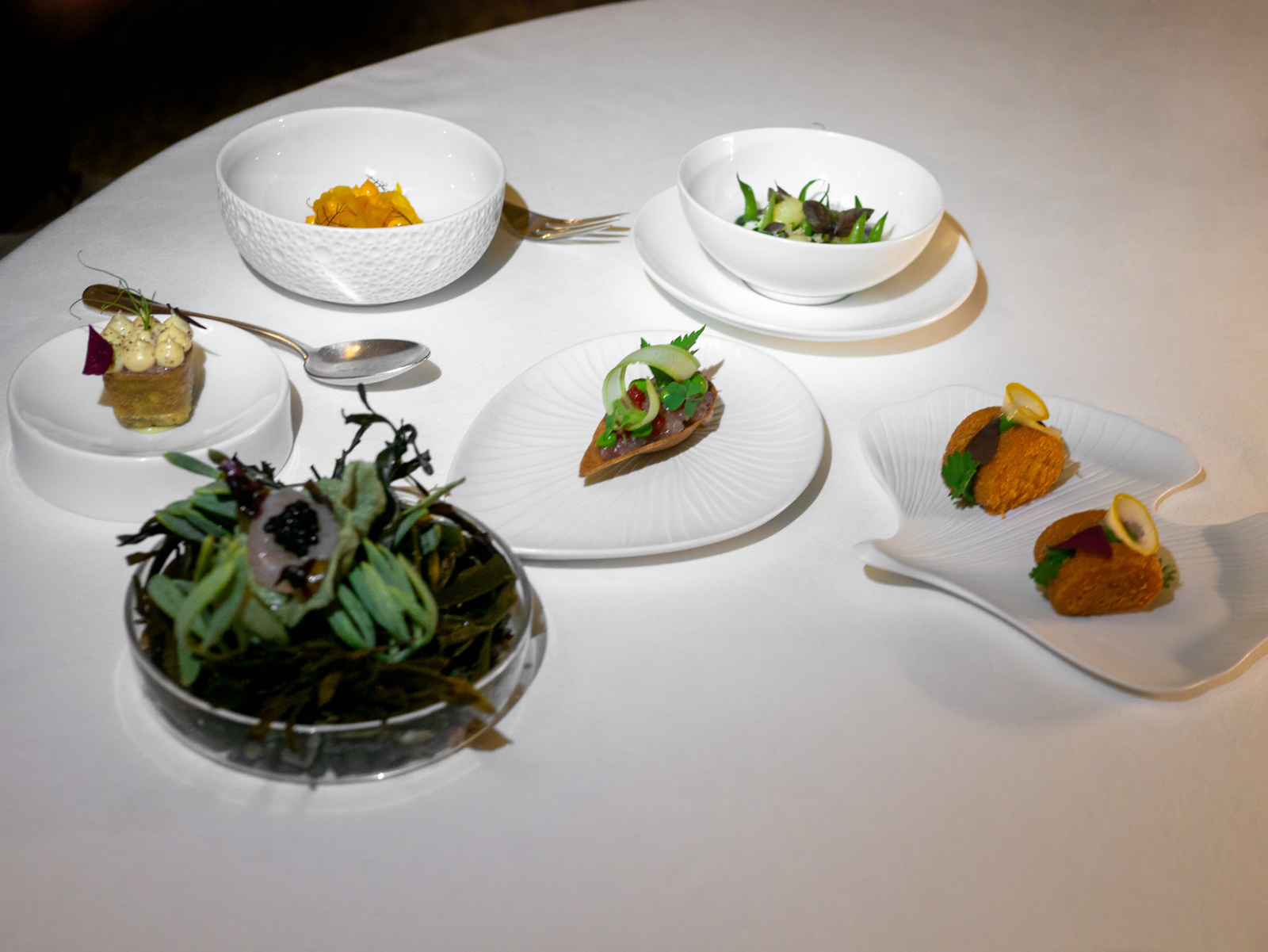
The opening sequence encapsulates the chef’s vocabulary, blending established technique, a recoding of Ligurian tradition, and cosmopolitan touches. Saffron-marinated fennel intertwines with ras el hanout crème fraîche; while the Japanese chawanmushi welcomes regional staples—pesto, borage, potatoes, green beans, and the characteristic acidity of prescinsöa cheese. This is followed by a crisp boat with eggplant caponata, bluefin tuna tartare, crunchy celery, and tomato confit; a sea lettuce cracker with white shrimp, herring caviar, and nuscianfà gel (bitter orange blossom water); a tartlet with soy-marinated veal tartare, celery mayonnaise, and leek; and paprika panissa, finished with parsley and pickled garden citron.
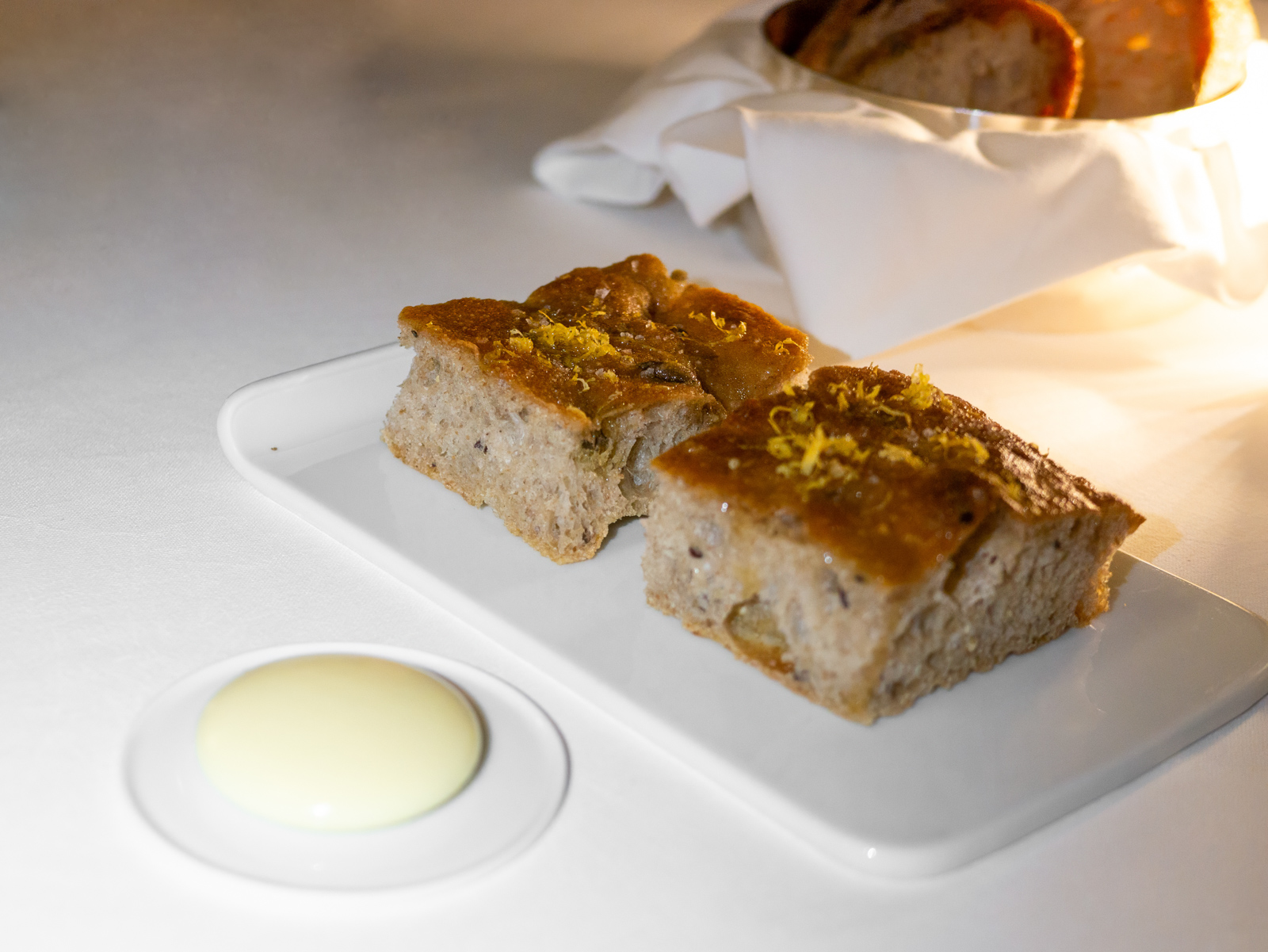
The bread service pairs a sourdough loaf with spelt breadsticks with poppy seeds and sprouted chickpeas, alongside scrocchiarella flatbread and a focaccia made with hazelnut butter and lemon zest. The rich element is entrusted to Isigny butter and a monovarietal extra virgin olive oil extracted from the Taggiasca Tèra de Prie cultivar.
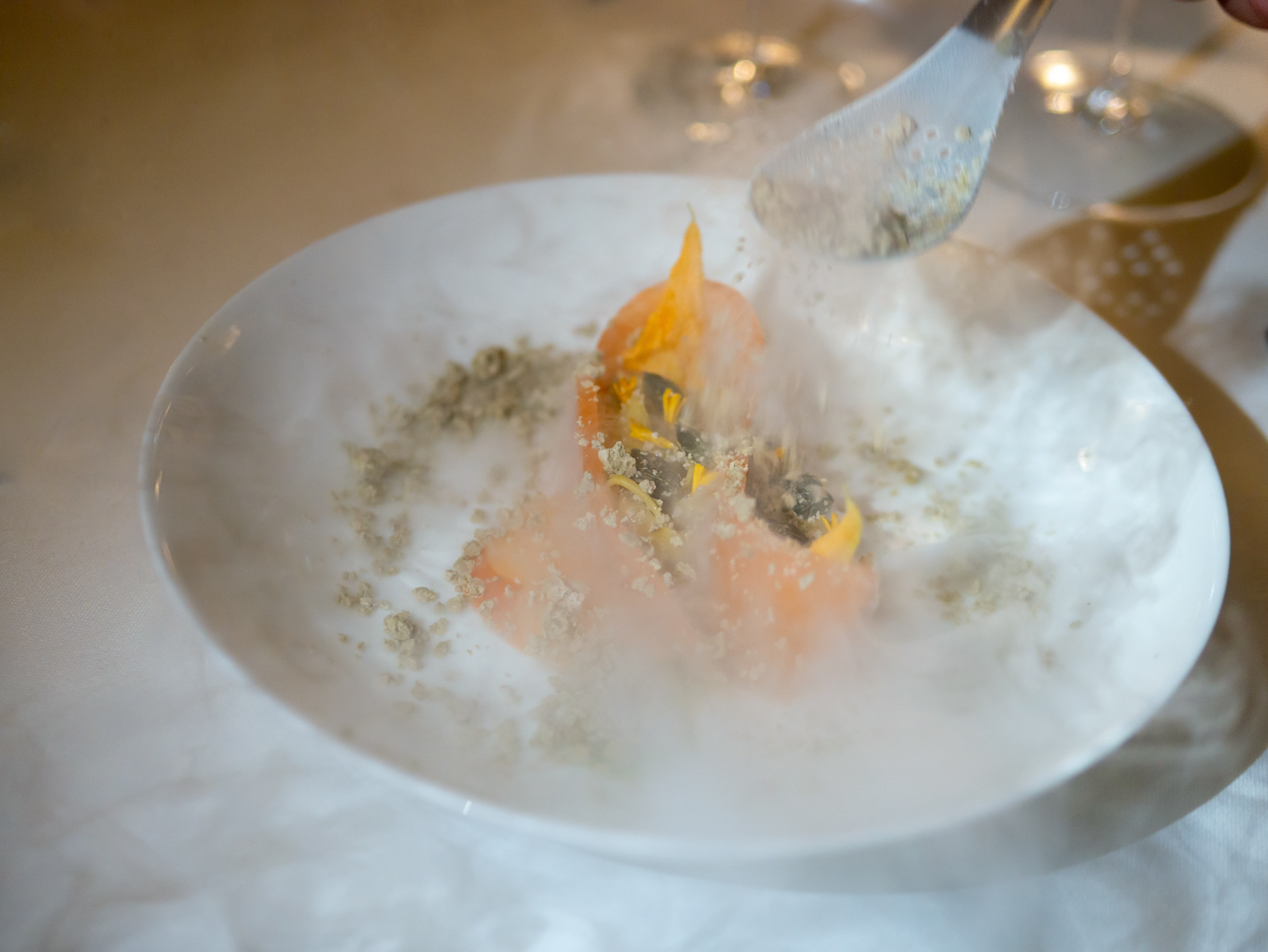
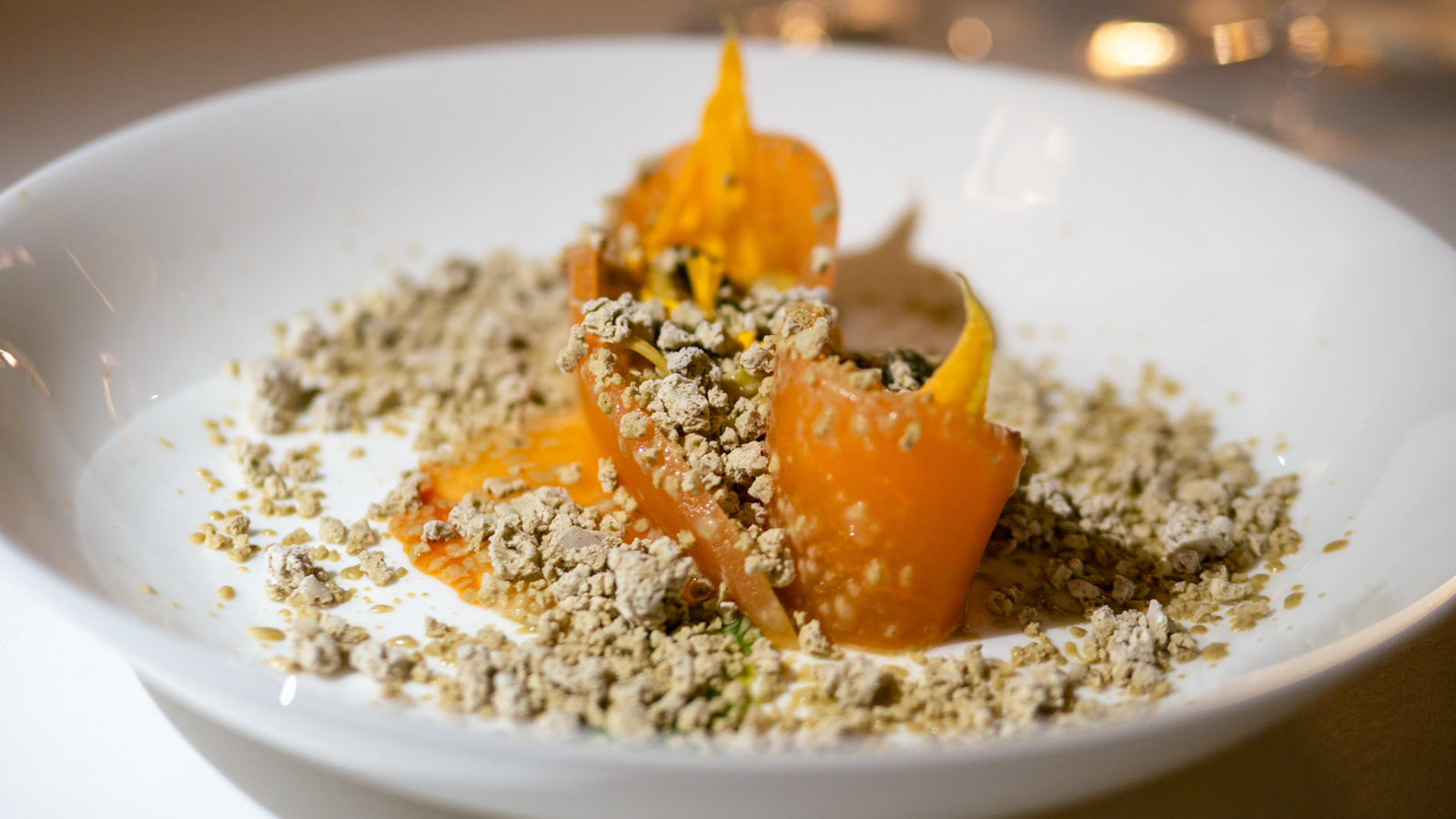
The poached cantaloupe melon articulates around garden trombetta squash preserved in oil. At the base, the puree is served scapece-style, balanced by a melon concentrate, mint oil, and a squash blossom and mint snow designed to emphasize the balsamic component.
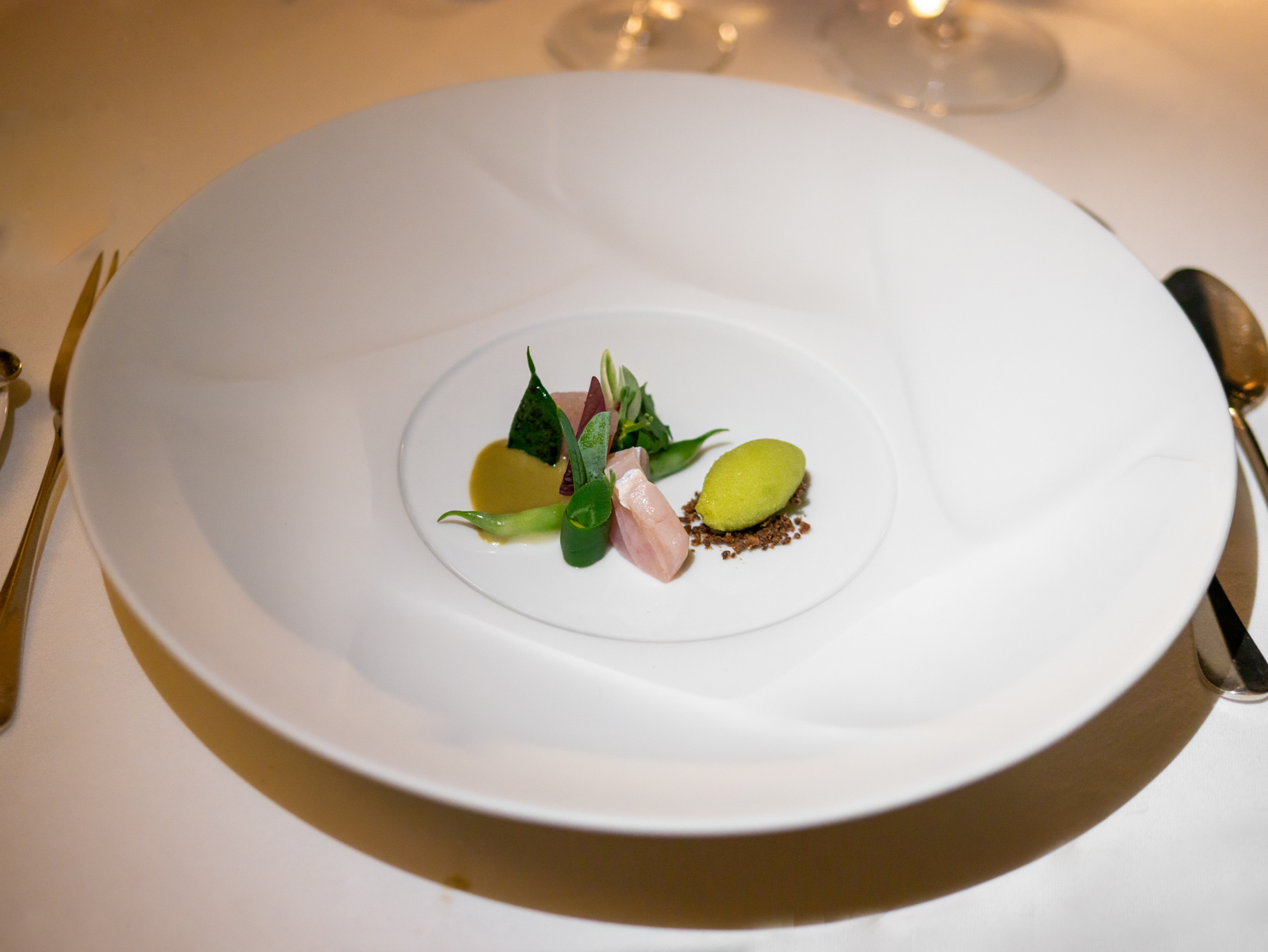
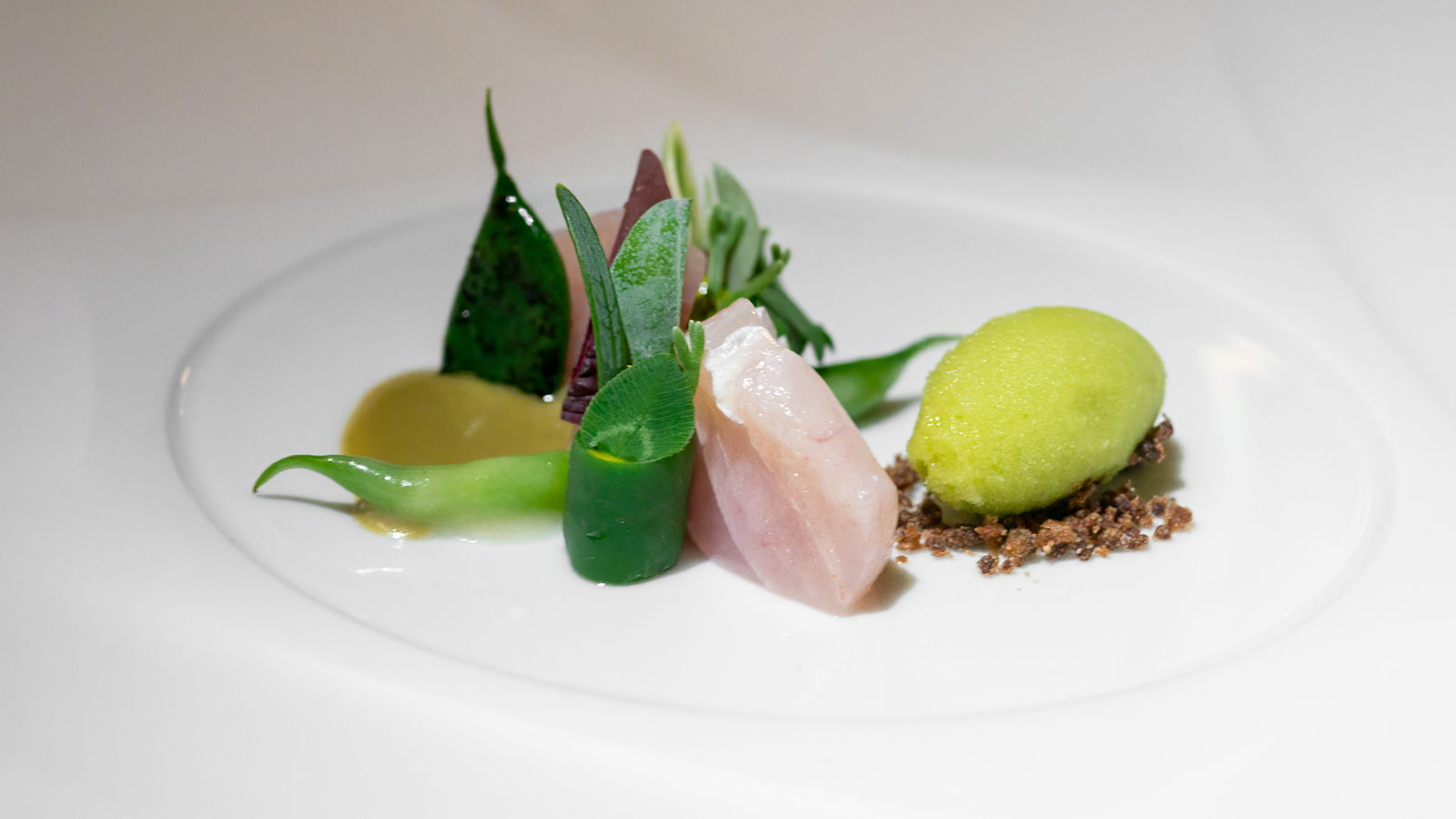
Marinated in seawater, the amberjack is paired with grilled snow peas and green beans dressed with a habanero dressing from which only the aromatic matrix is extracted, neutralizing the heat. The dish is completed with Taggiasca olive ash, lovage mayonnaise, and green tomato water sorbet.
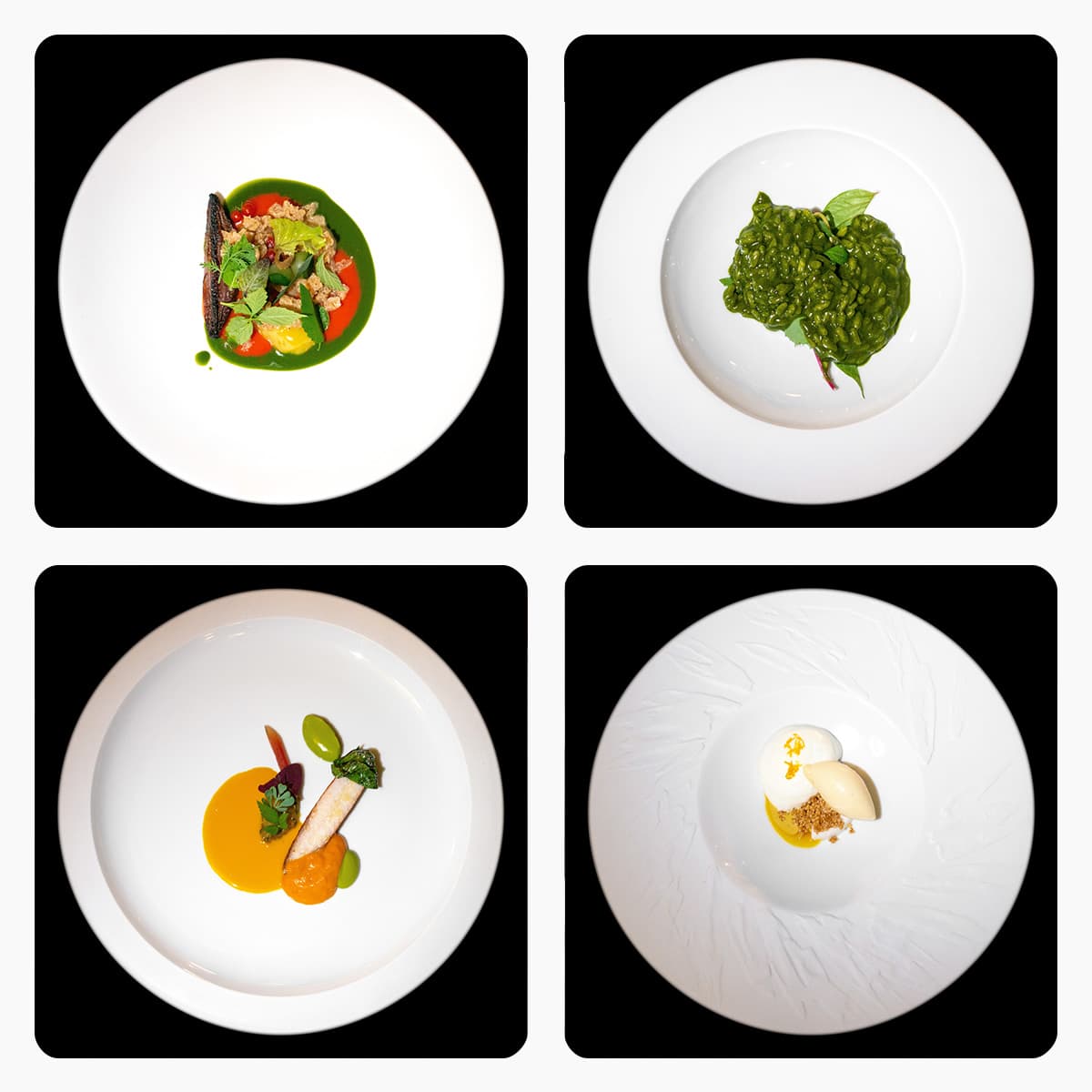
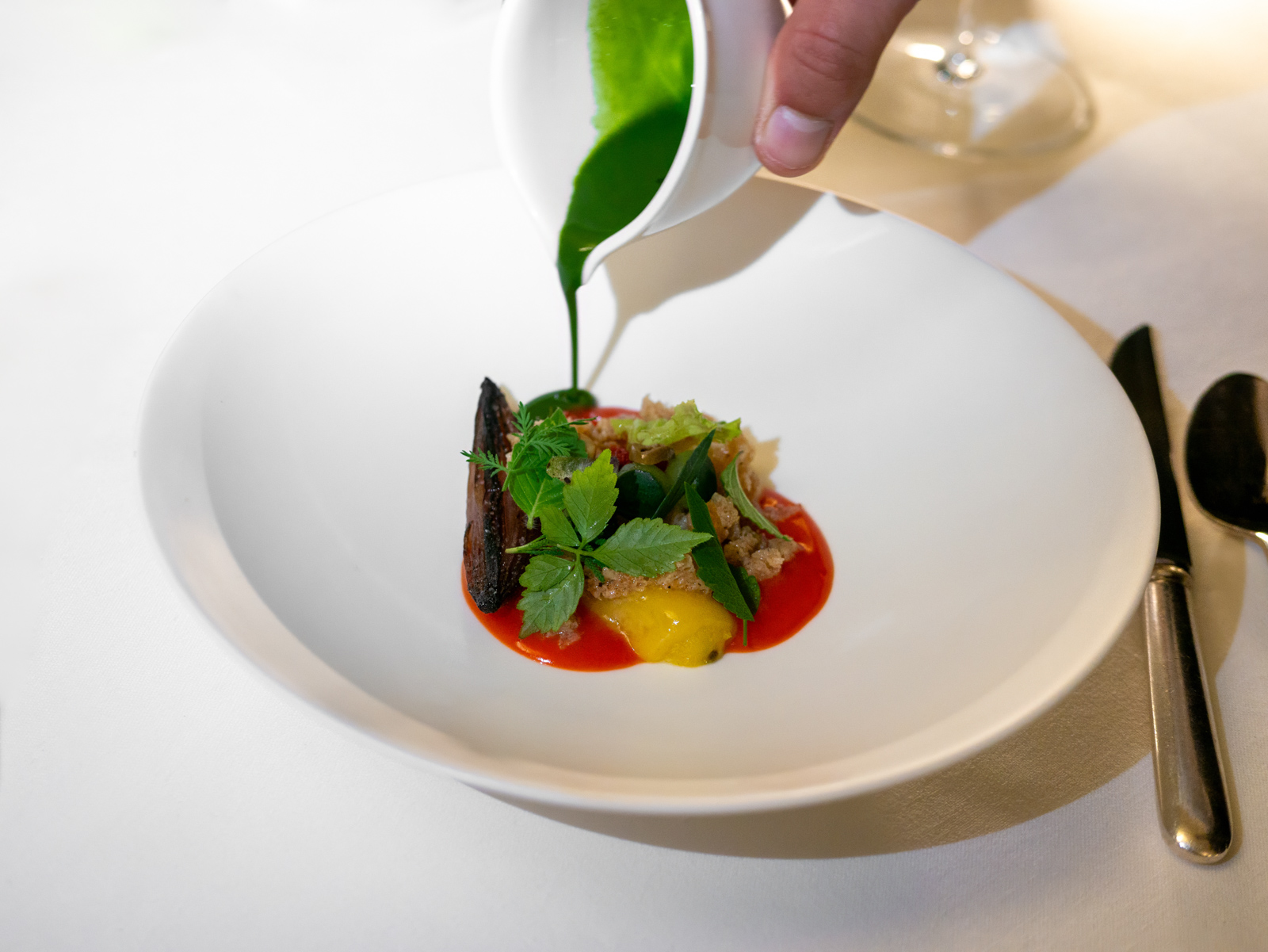
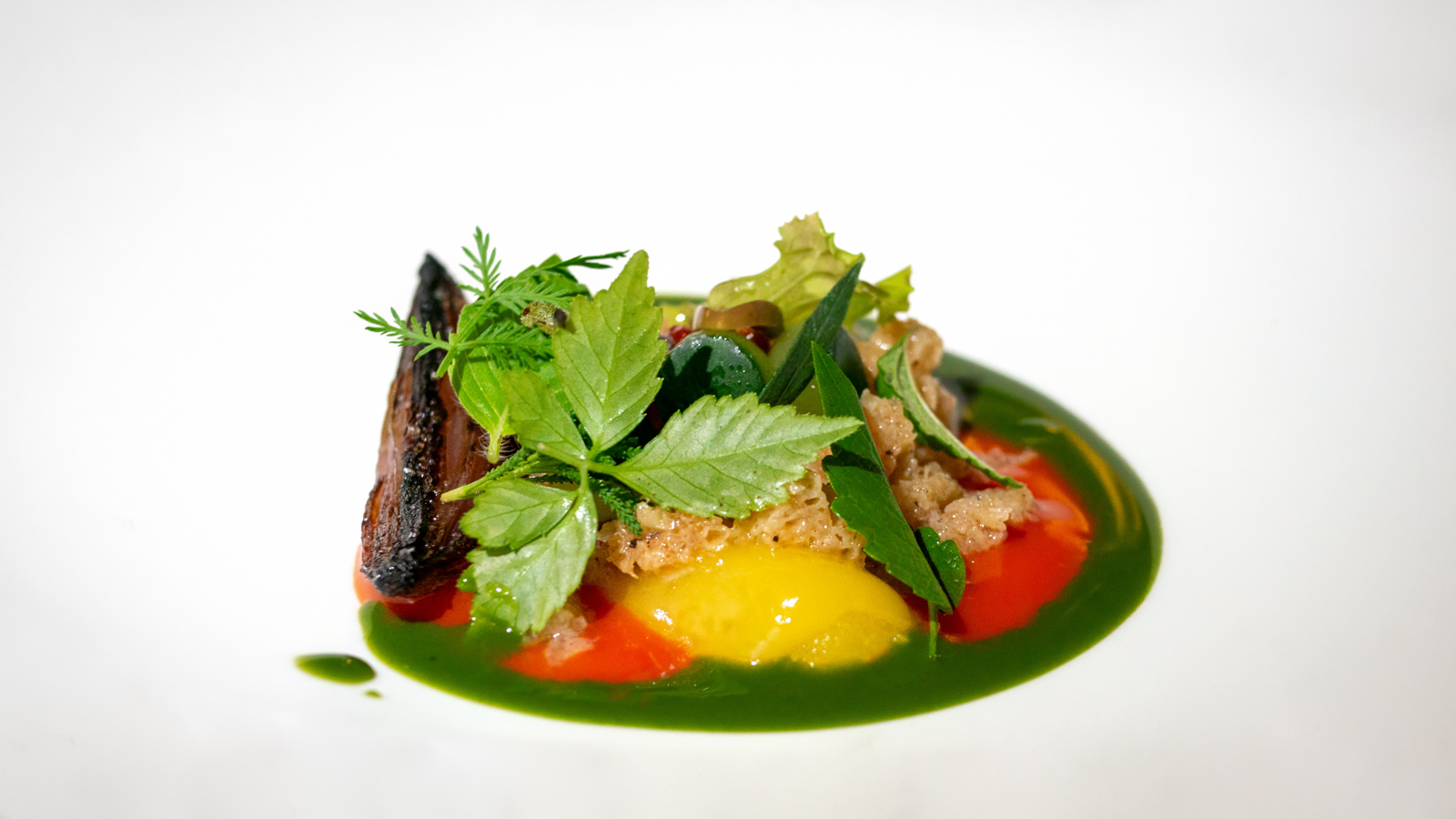
A classic by Romano that reinterprets panzanella: tomato sauce cooked at 63°C, stale bread rehydrated in tomato water, roasted spring onion, yellow cherry tomato in vinaigrette, Taggiasca olive, and cucumber in a bay leaf and basil pickle. The dish finds support in the Homage to L'Orto Rampante, a green gazpacho made from the estate's own vegetables.
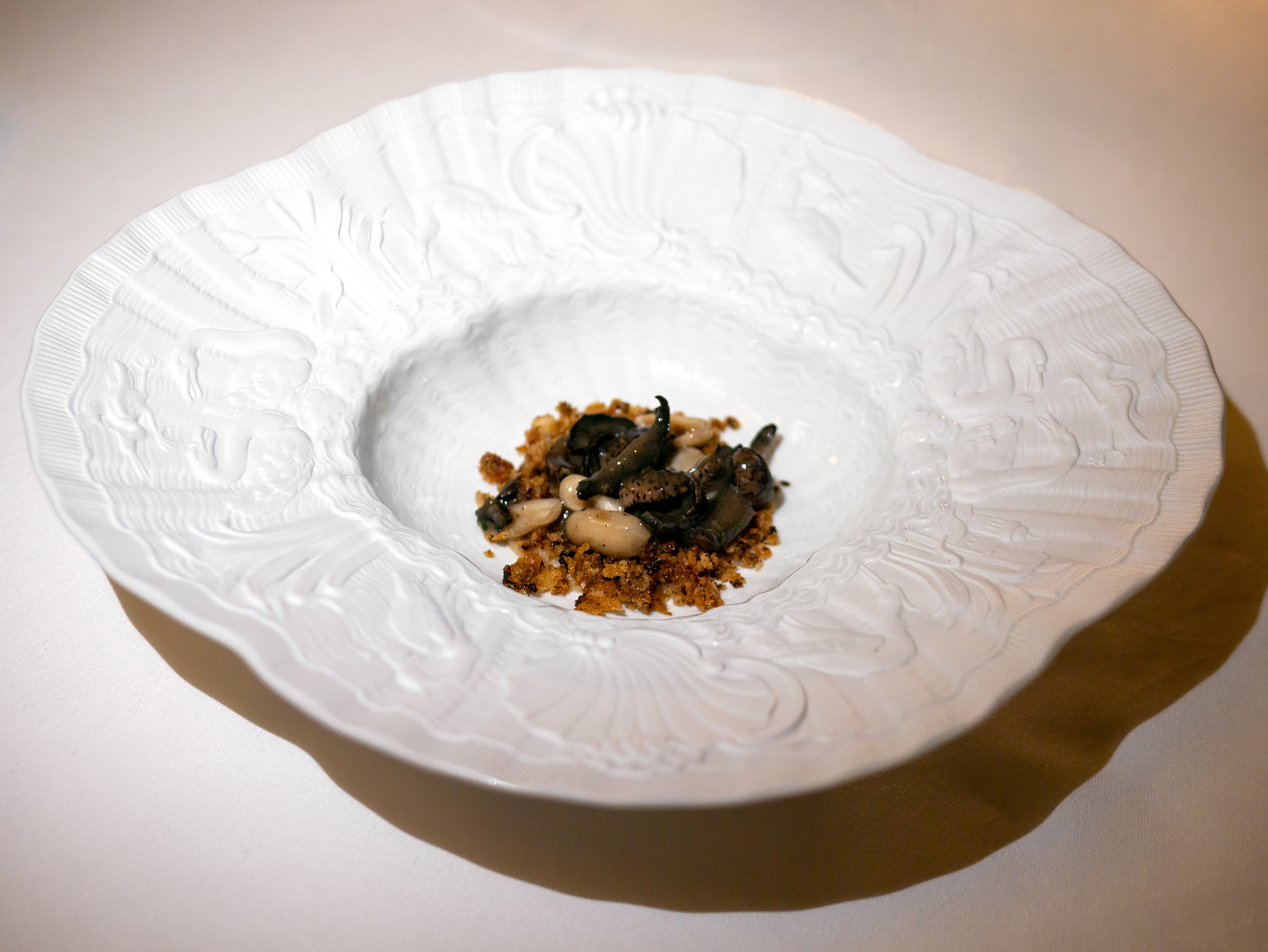
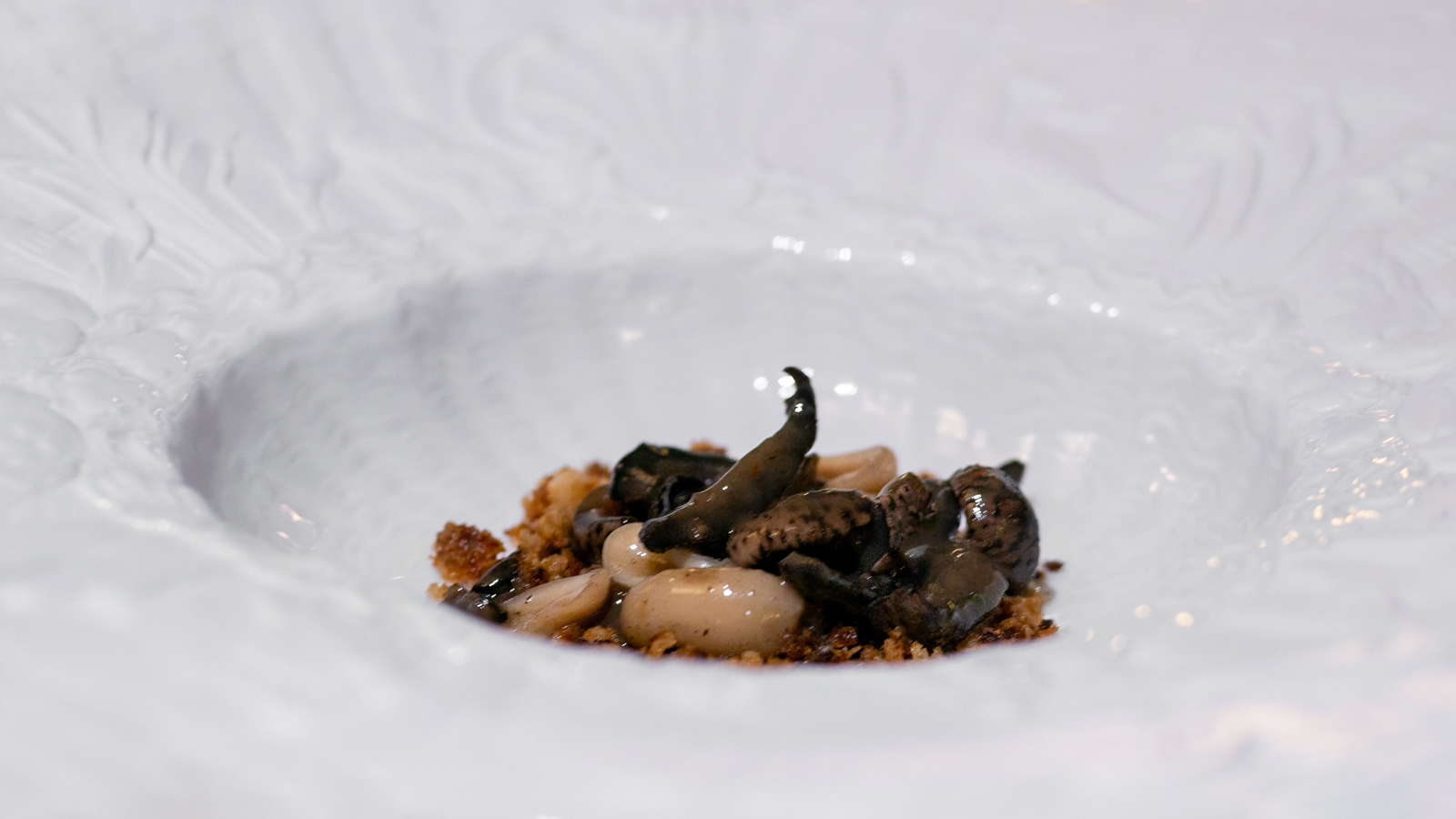
Sea cucumber from the Bay of Saint-Tropez is marinated in a concentrated chicken broth, parsley, and Espelette pepper, resting on fried panko bread flavored with beef marrow, served with a puree of fresh cannellini and borlotti beans.
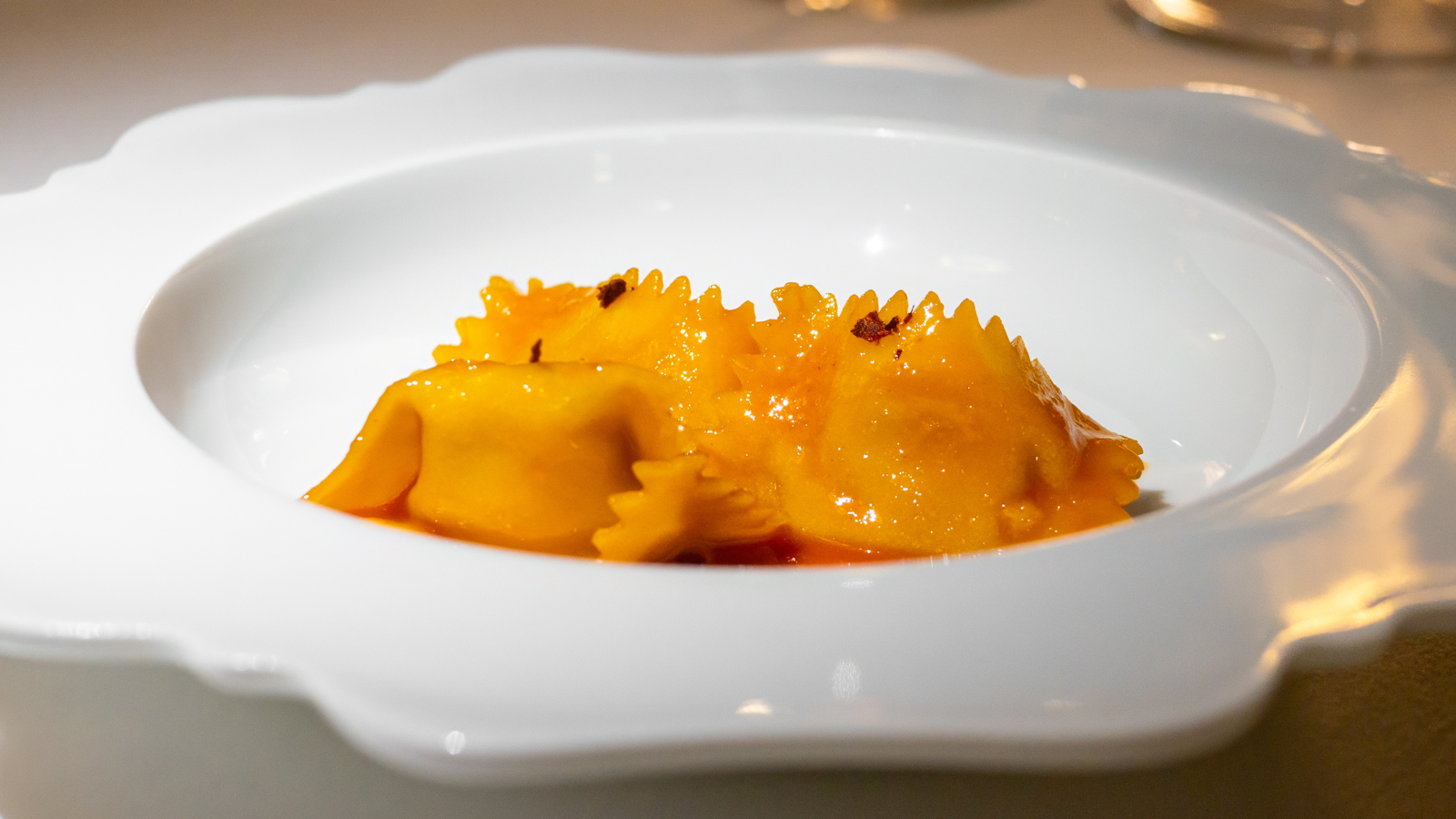
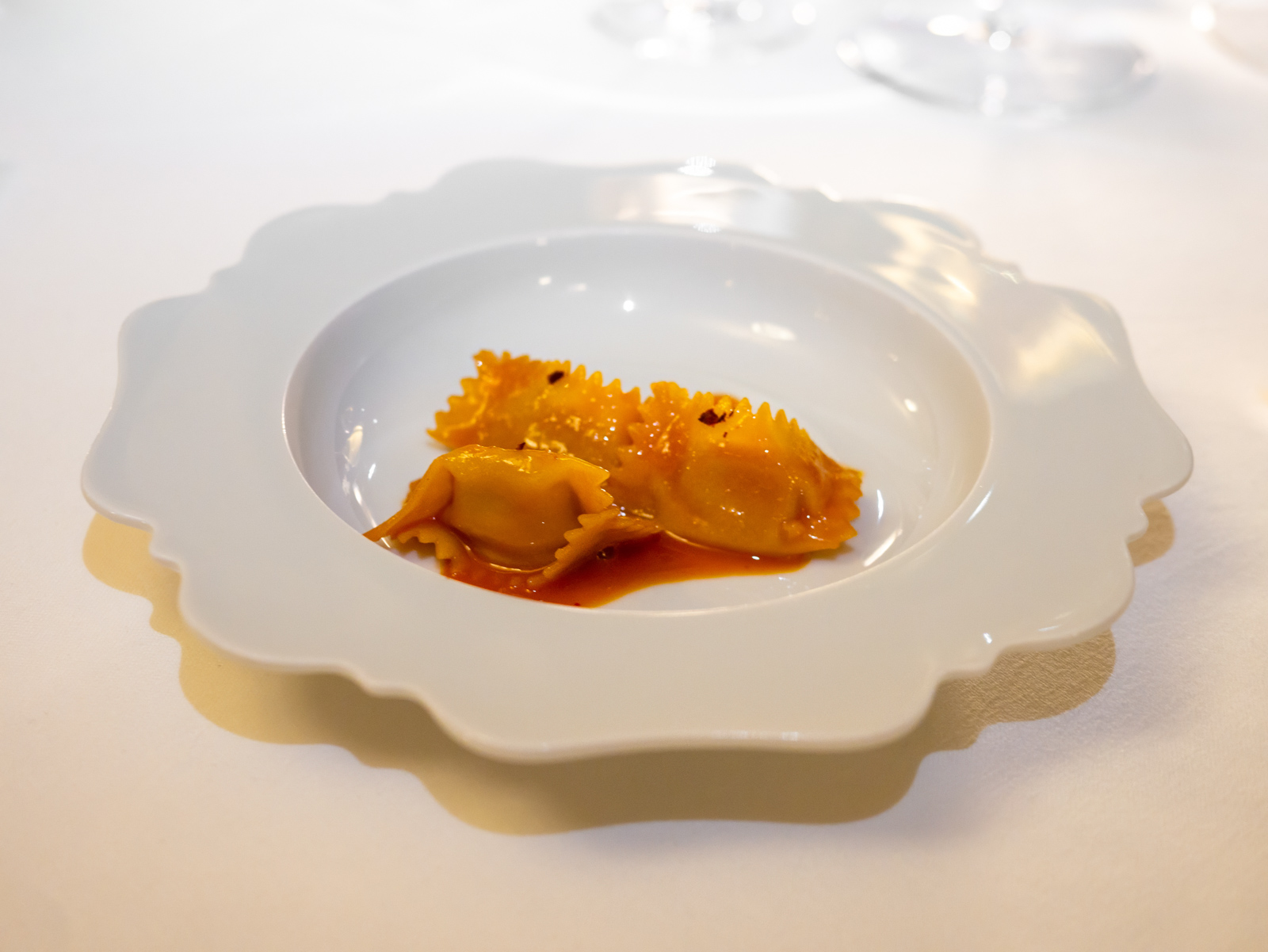
The goat cheese-stuffed plin pasta play on the contrast between the savory cheese and the tart note of apricot mostarda, finished in a red pepper puree extraction and topped with the crunchy texture of crusco pepper.
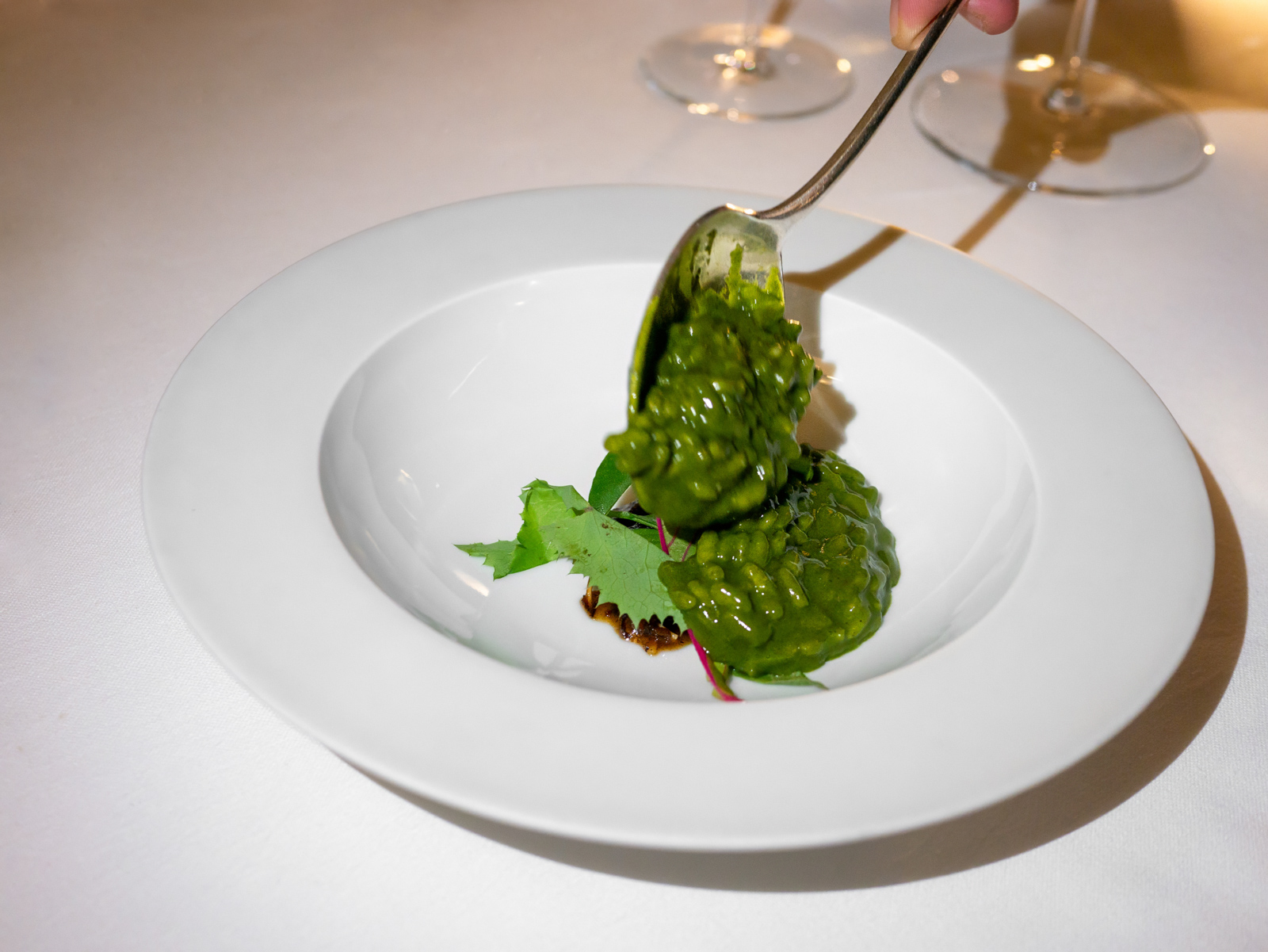
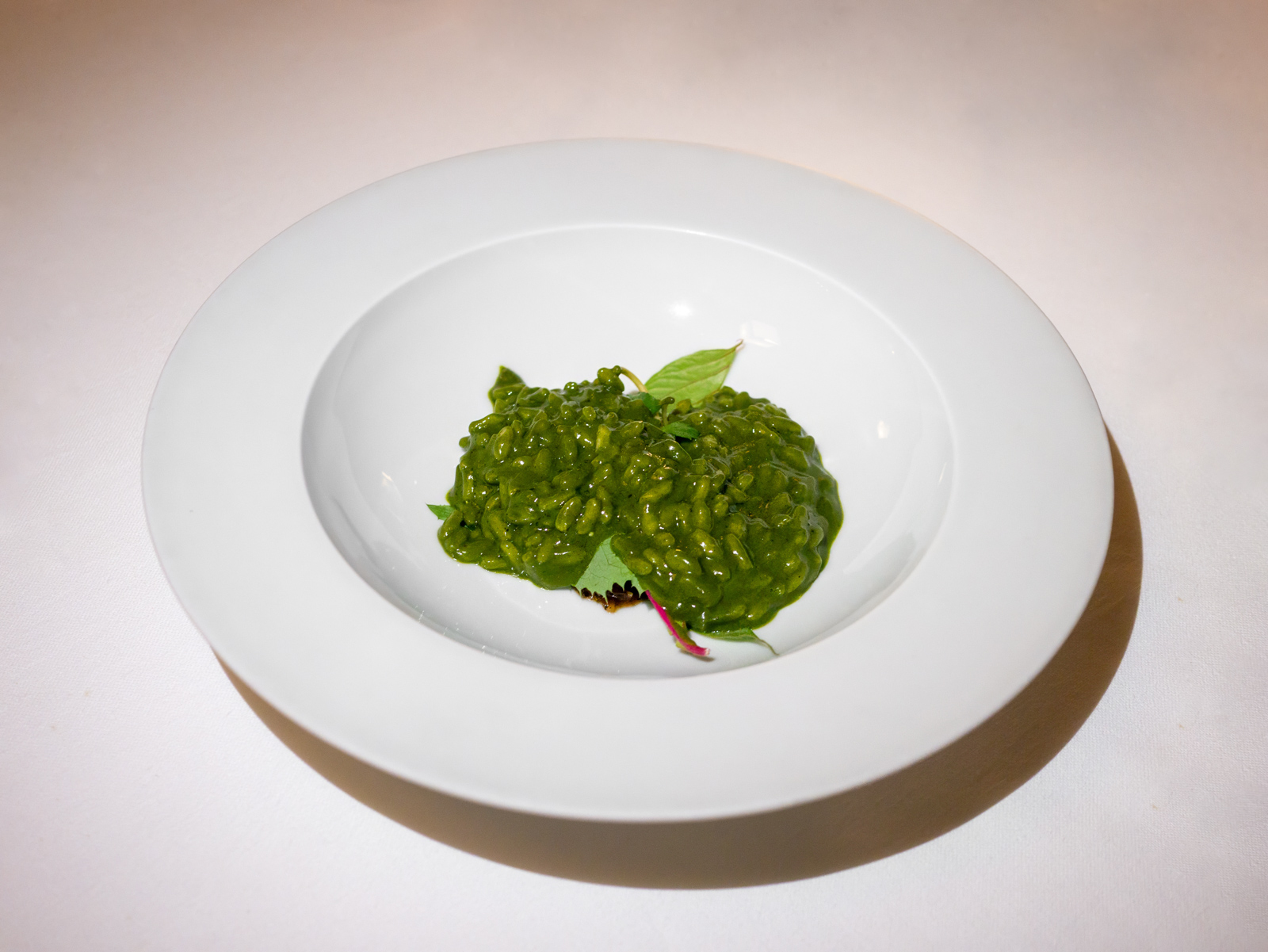
Carnaroli rice whipped with cultured butter and Grana Padano, nettle puree, and grilled lemon paste. The rich element is provided by suckling pig ears glazed in their own jus, accompanied by the vegetable counterpoint of prebuggiun (a Ligurian blend of twelve wild herbs selected by La Clarice in Assisi).
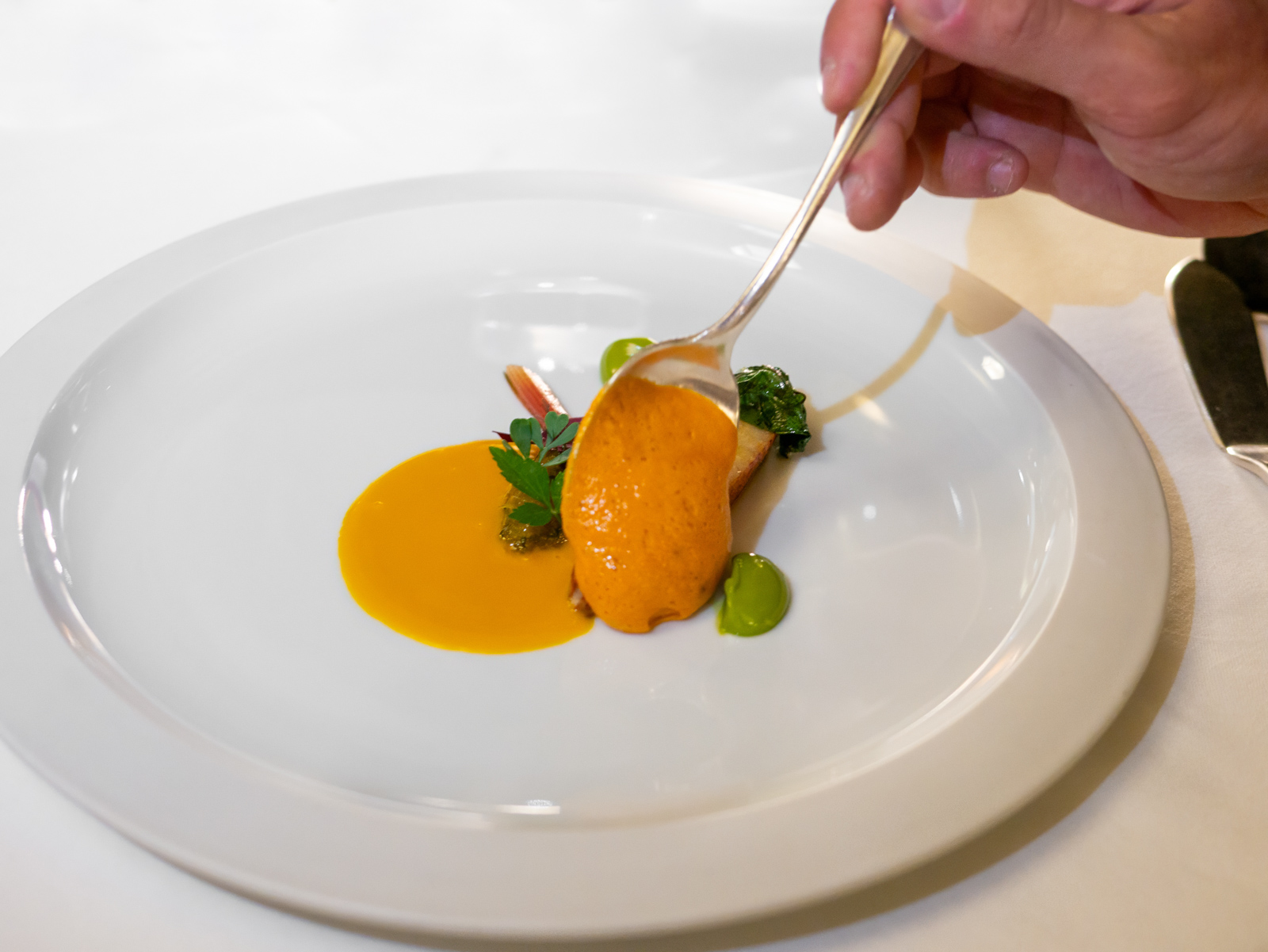
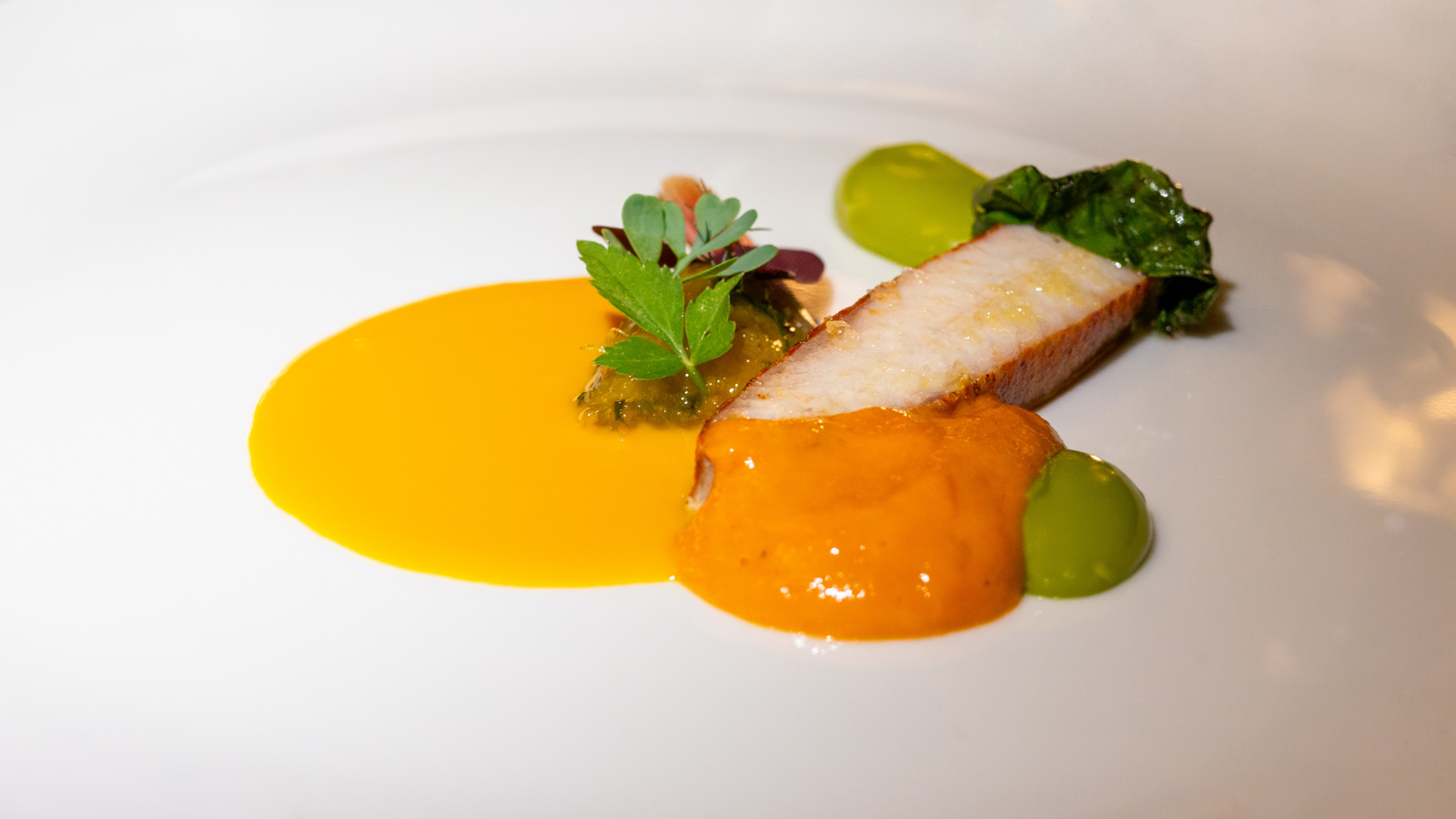
Lightly seared on the skin, the red rock mullet rests on a fresh Swiss chard emulsion and a carrot chutney, flanked by an orange and carrot reduction and the classic Provençal rouille revisited with bell pepper and saffron.
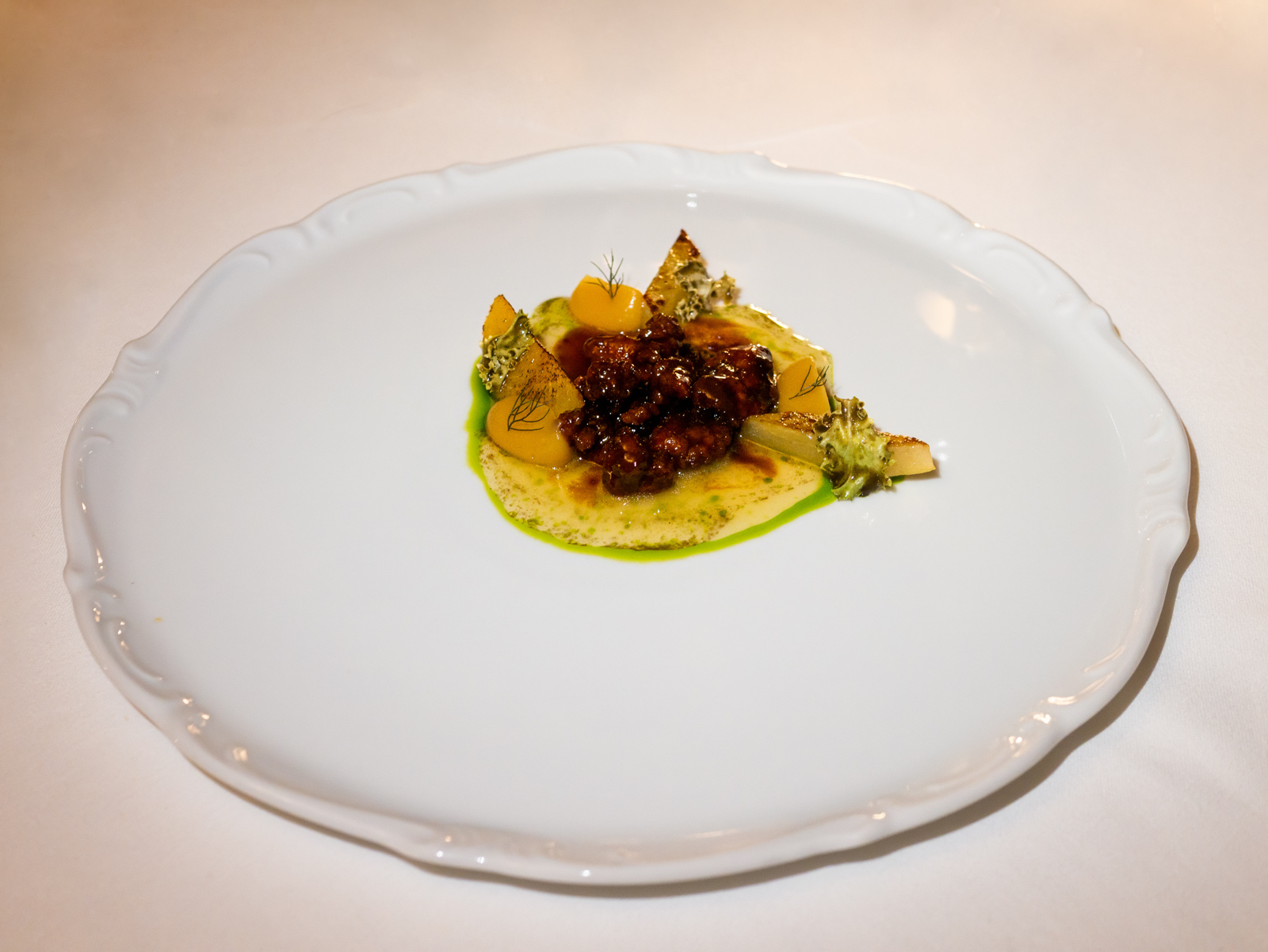
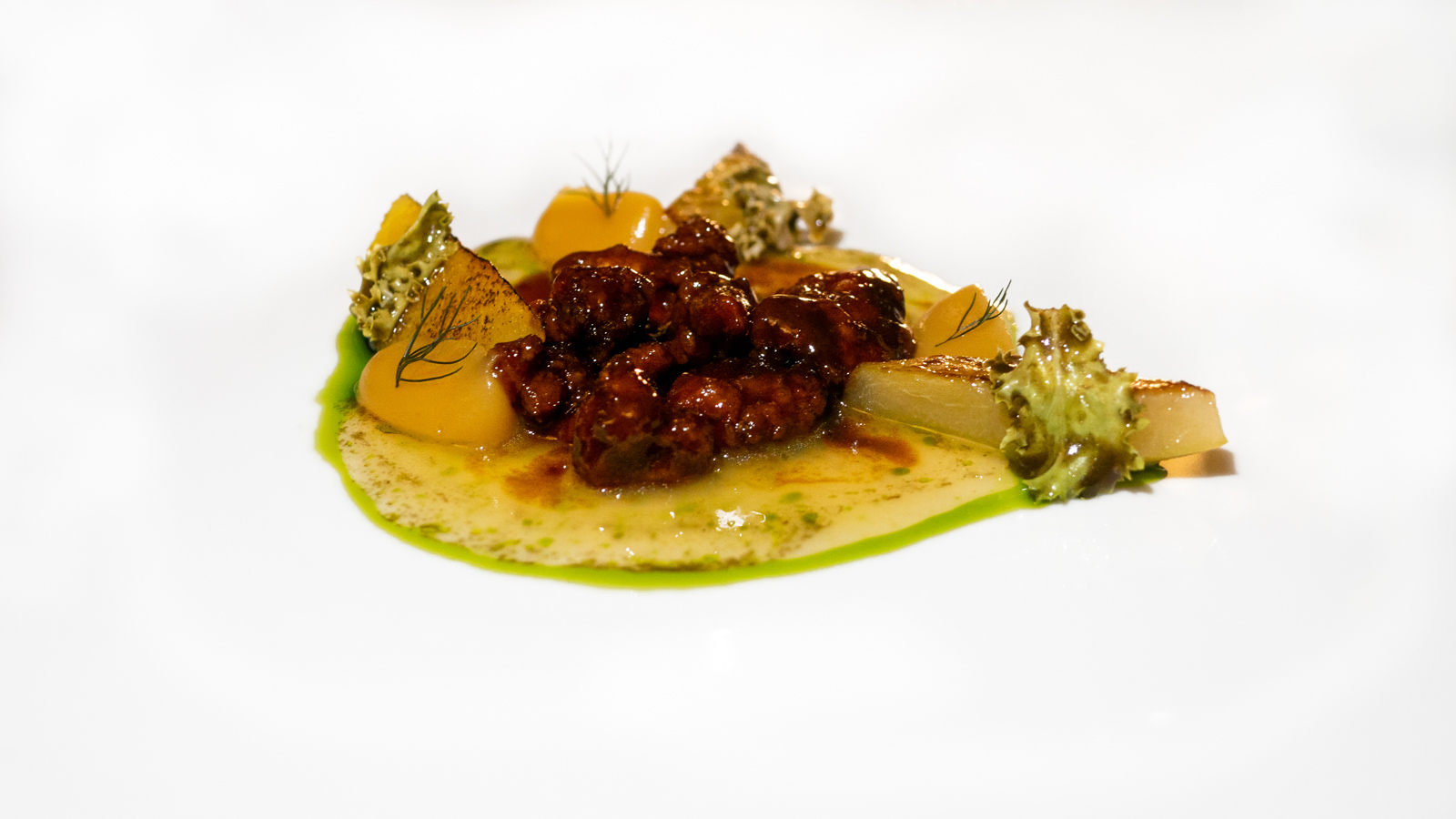
Treated in a dry brine (salmuera seca) and cooked at low temperature before being glazed in meat jus, the veal sweetbread finds an acidic lift in percoca peach infused in its own juices, presented as a consommé and ketchup. The vegetable accompaniment includes cucumbers marinated in fennel pollen and seared on the plancha, cucumber skin oil, and grilled lettuce leaf.
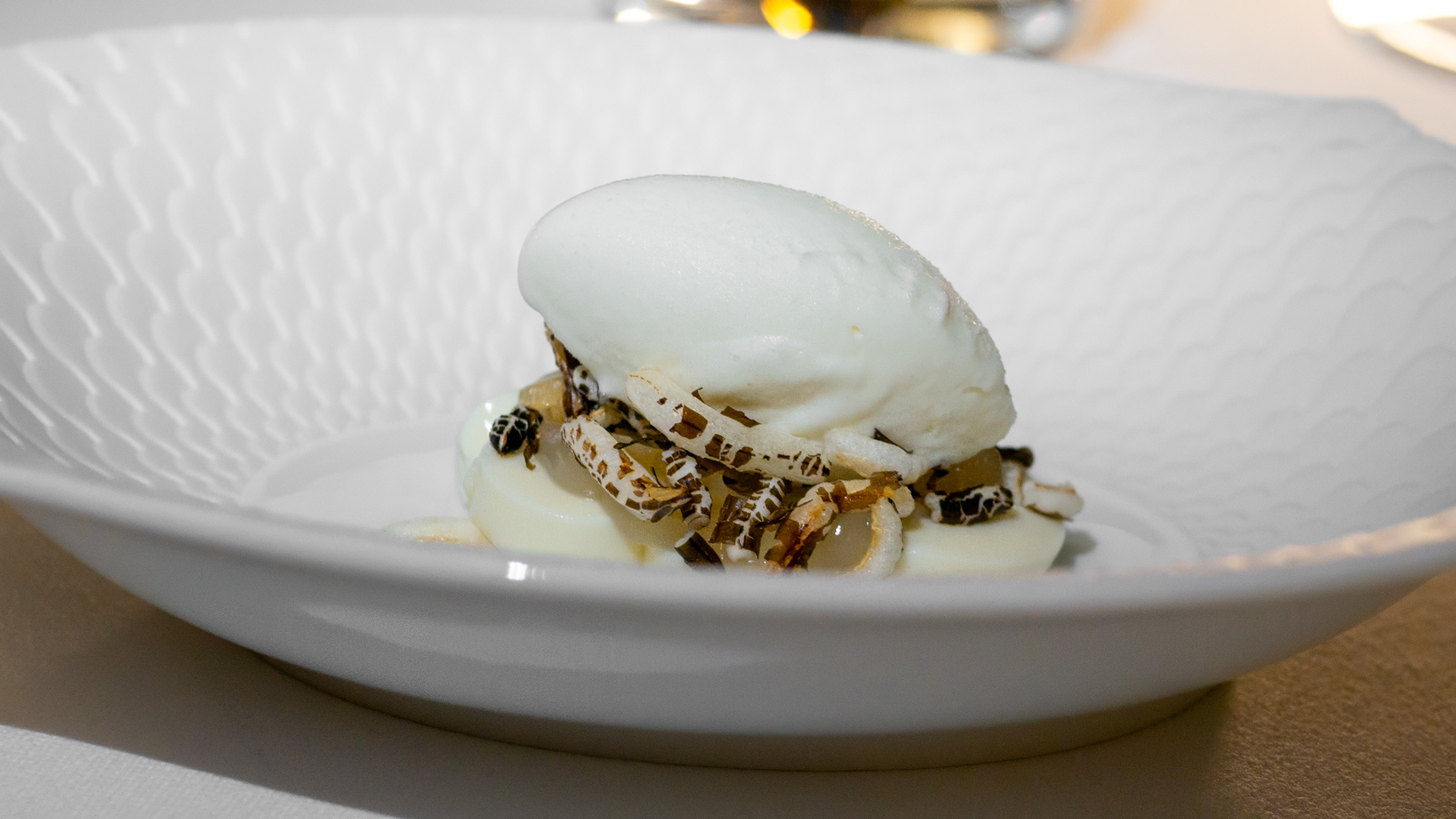
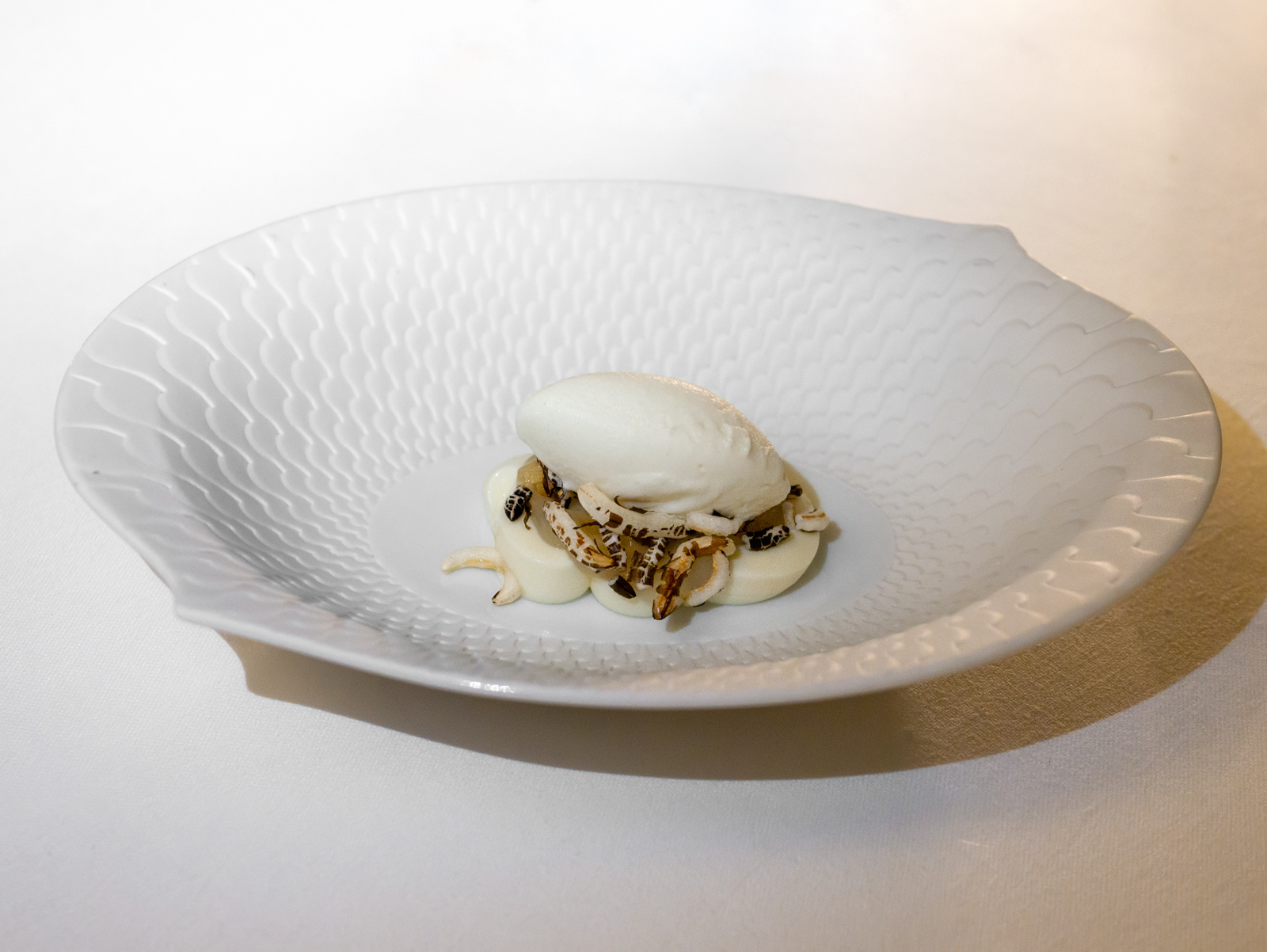
The path to dessert is cleared by the freshness of a lemon and ginger sorbet, candied ginger, lemongrass, and puffed rice.
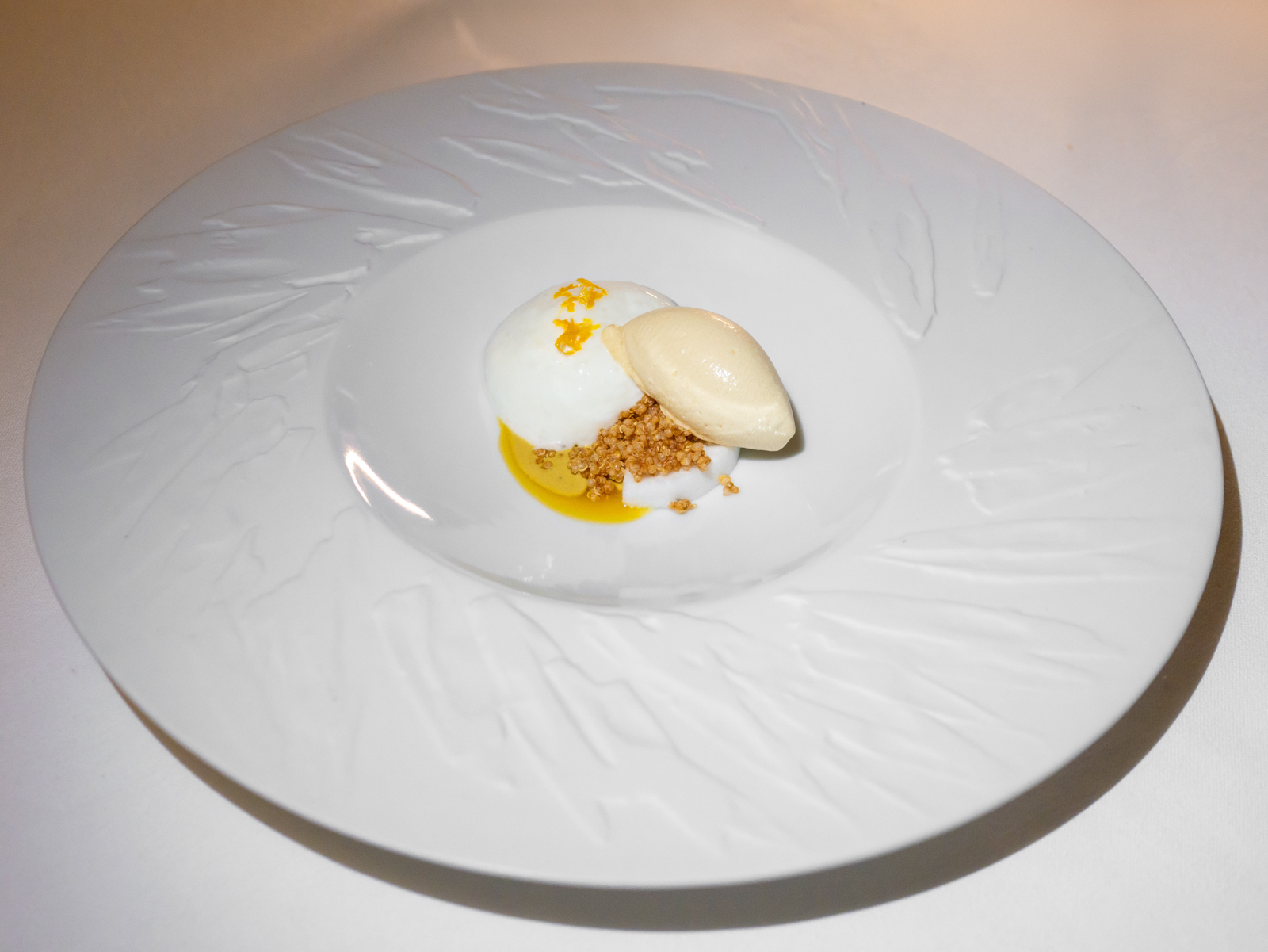
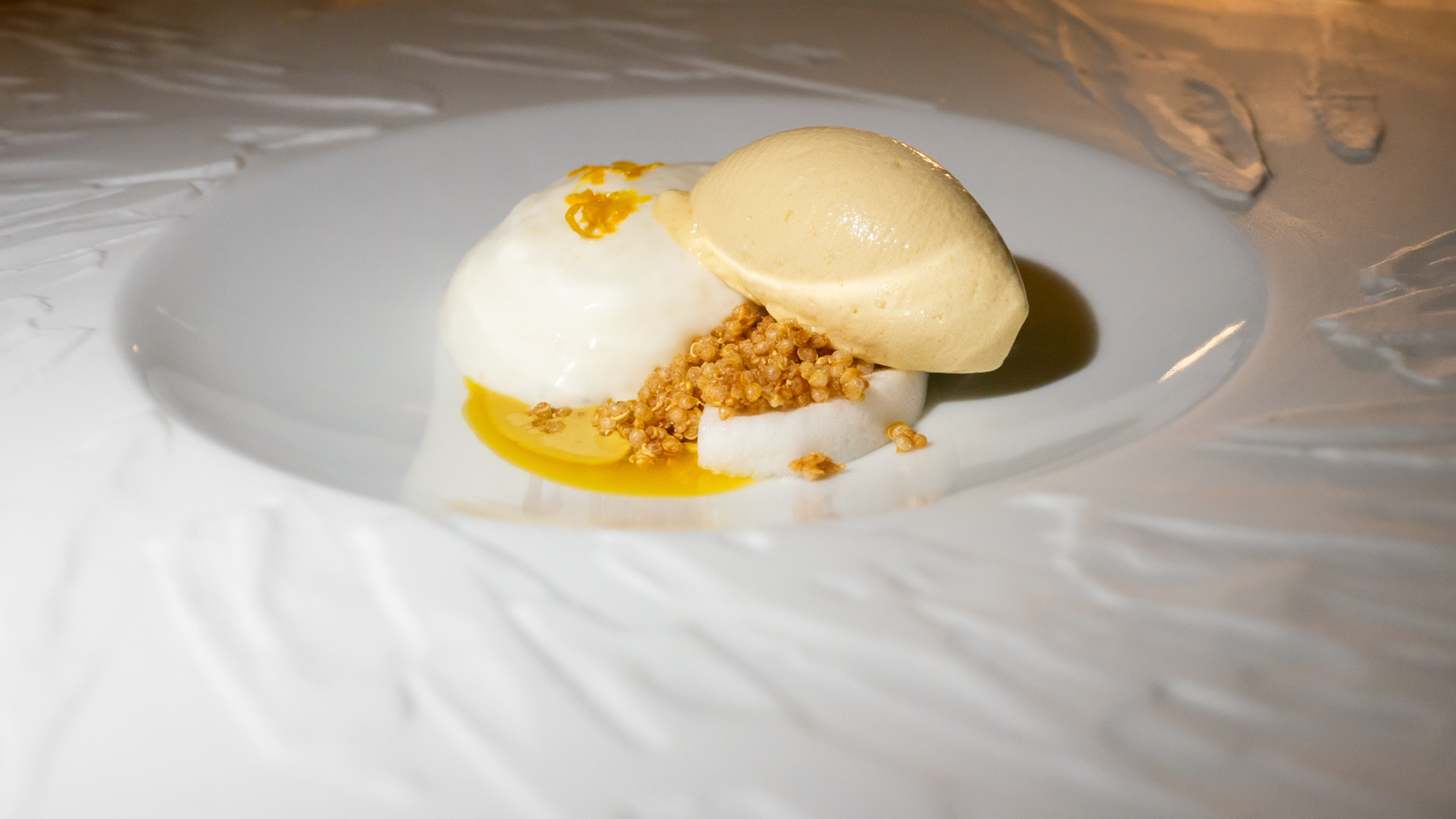
Freshness that is joined by a tart zest in the main dessert: frozen lemon meringue, orange concentrate, yogurt foam, crispy quinoa, and bergamot marmalade ice cream.
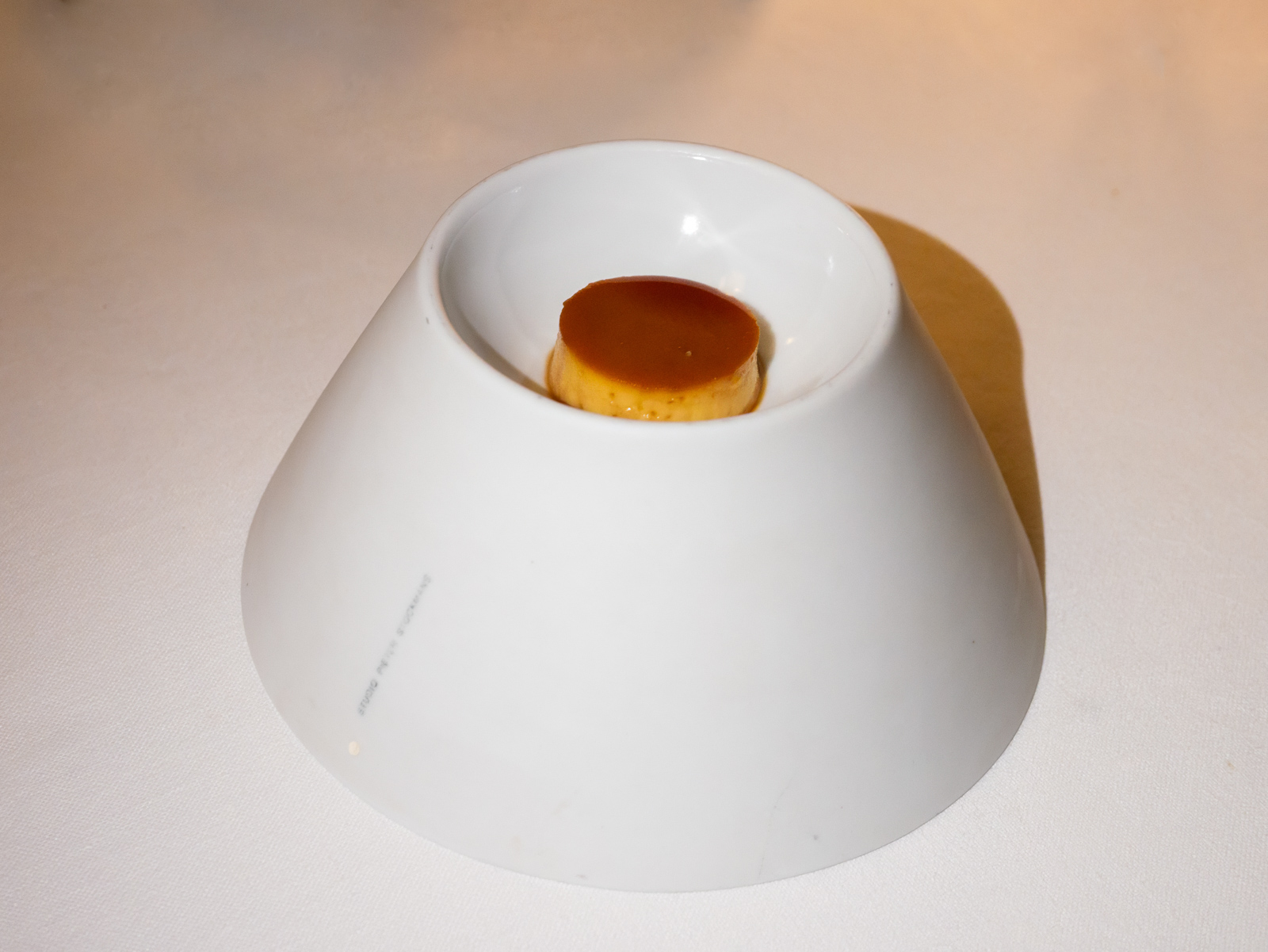
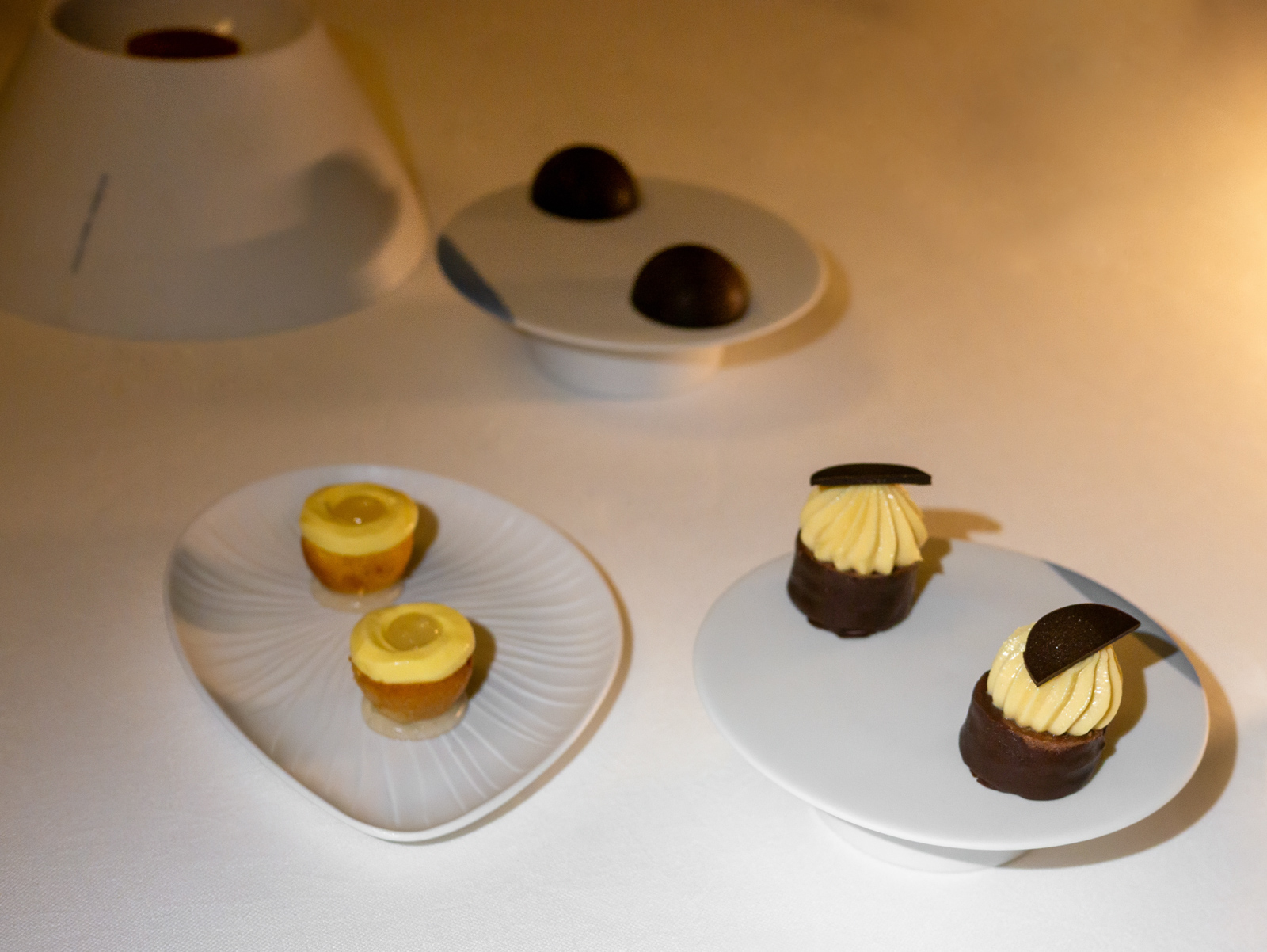
Final mignardises include almond blancmange; Taggiasca olive chocolate; a chocolate shell with pine nut cream; and an extra virgin olive oil, vermouth, and lemon biscuit.
Presso Villa della Pergola - Via Privata Montagu, 9, Alassio SV
Phone: 0182 646140
Website
Reservations