
Heidi Syndrome in Manhattan: The Woody Shift of American Palates

Forget the protein hegemony and the rush for fiber: the latest trends from across the pond suggest that what America truly needs, perhaps, is the edible equivalent of a walk in nature.
As reported by The New York Times in Tennessee, at K Brew in Knoxville, the barista froths milk with sage and juniper for their Smoky Mountain Latte. Craft soda enthusiasts quench their thirst with the Alpine and Meadow varieties of Forest Water, a line of sparkling non-alcoholic botanical sodas produced by the American company Walker Brothers.
Meanwhile in Manhattan, far removed from any semblance of a wooded area, the elegant restaurant 425 Park offers a $28 Forest Old Fashioned made with pine liqueur, fir shoots, and high-altitude bitters. Torani, the famous American brand producing flavored syrups, sauces, and beverage bases, named Forest Pine as its flavor of the year. In Pennsylvania, Fox Meadows Creamery’s timeless seasonal ice cream is crafted by infusing hand-picked white pine needles and fresh rosemary.
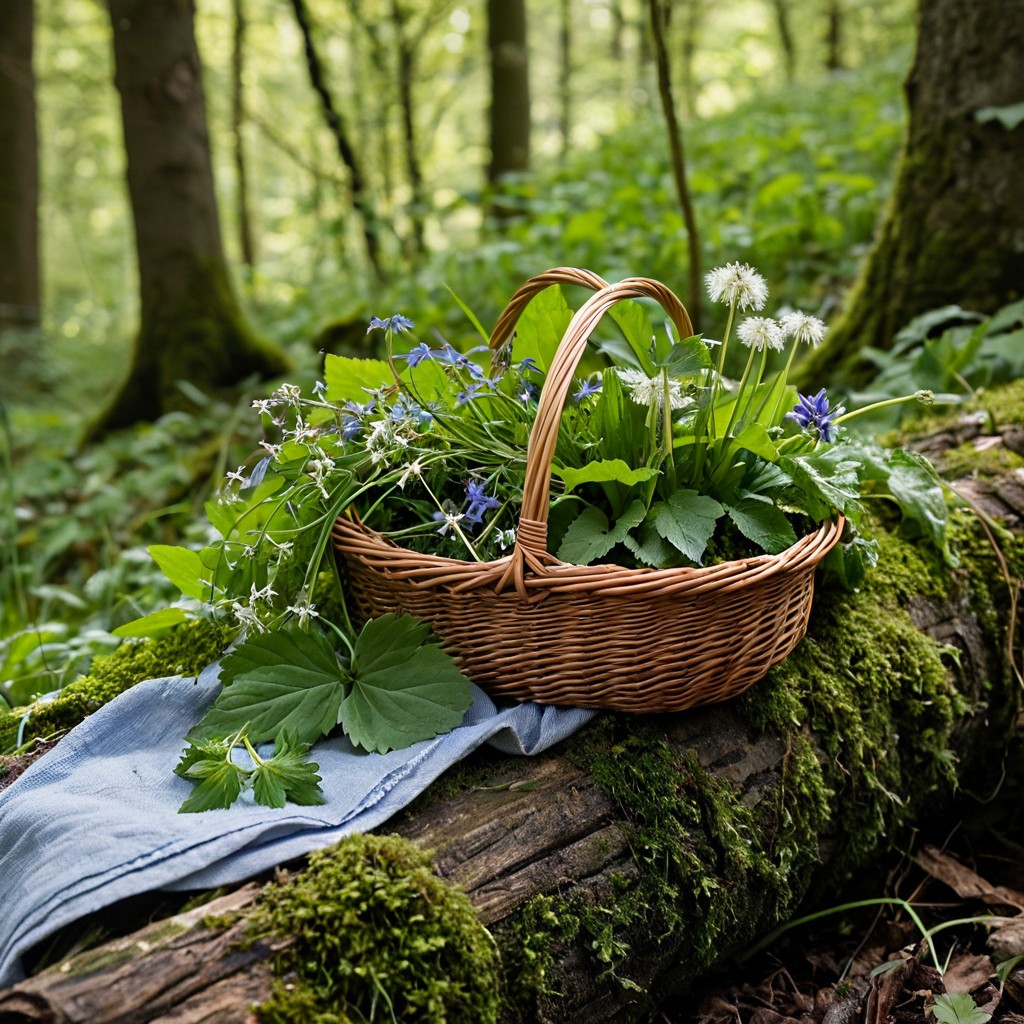
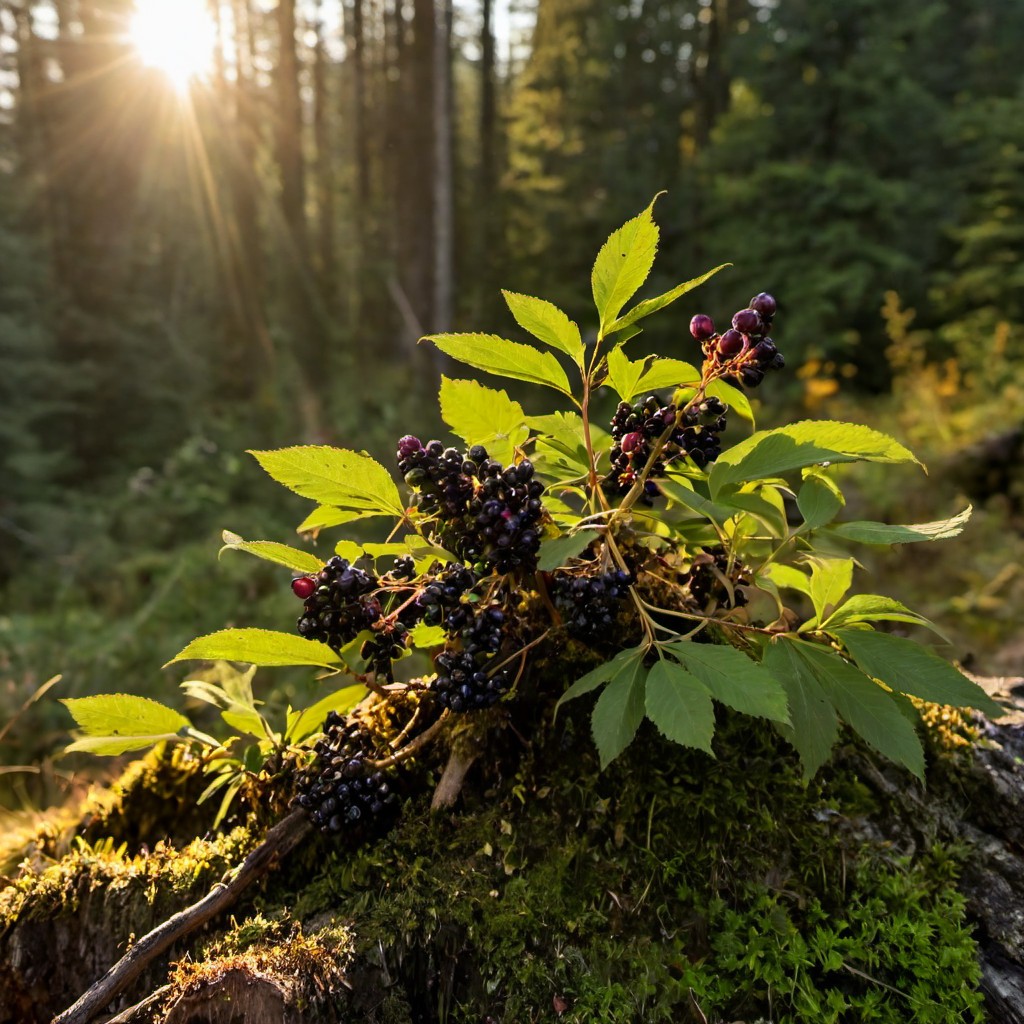
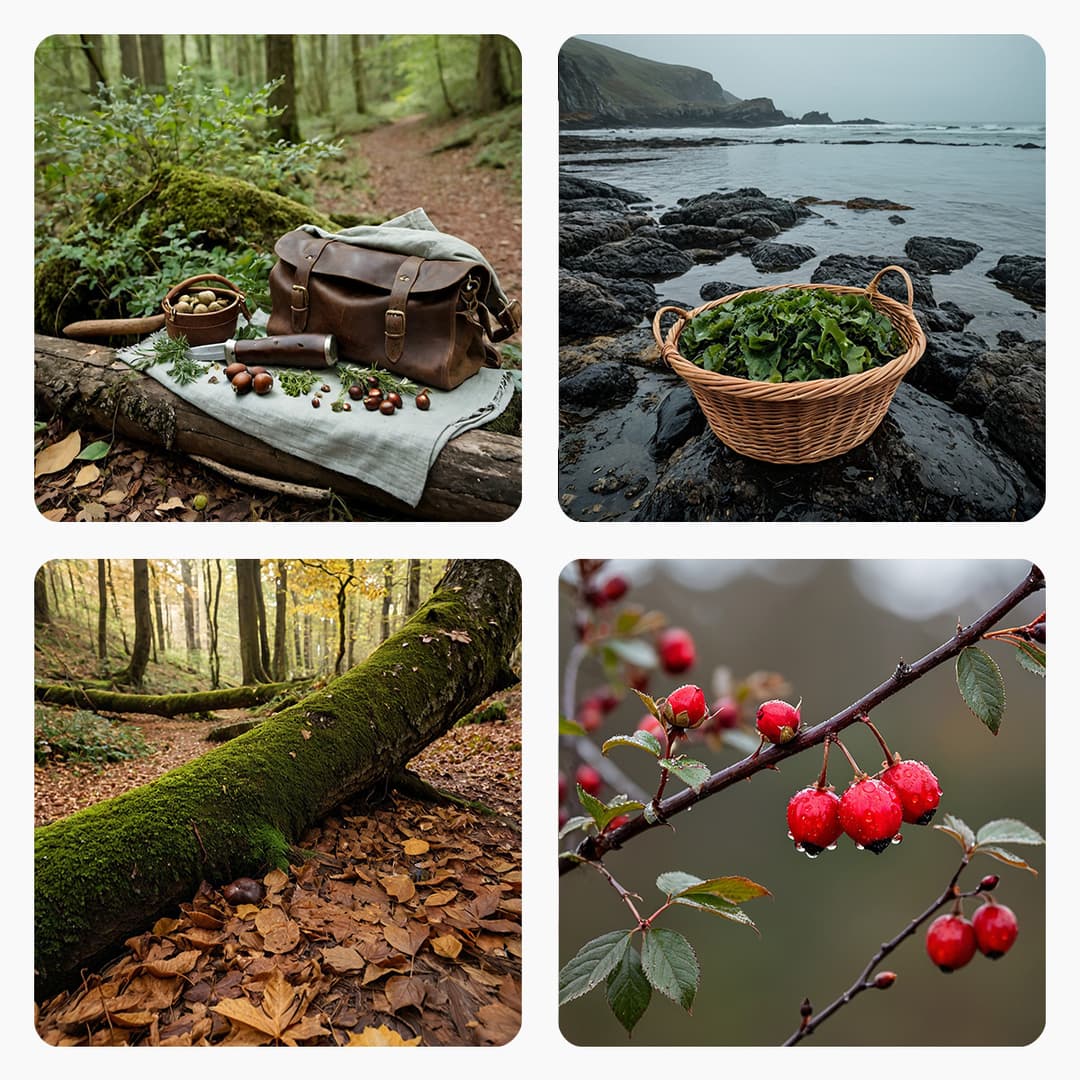
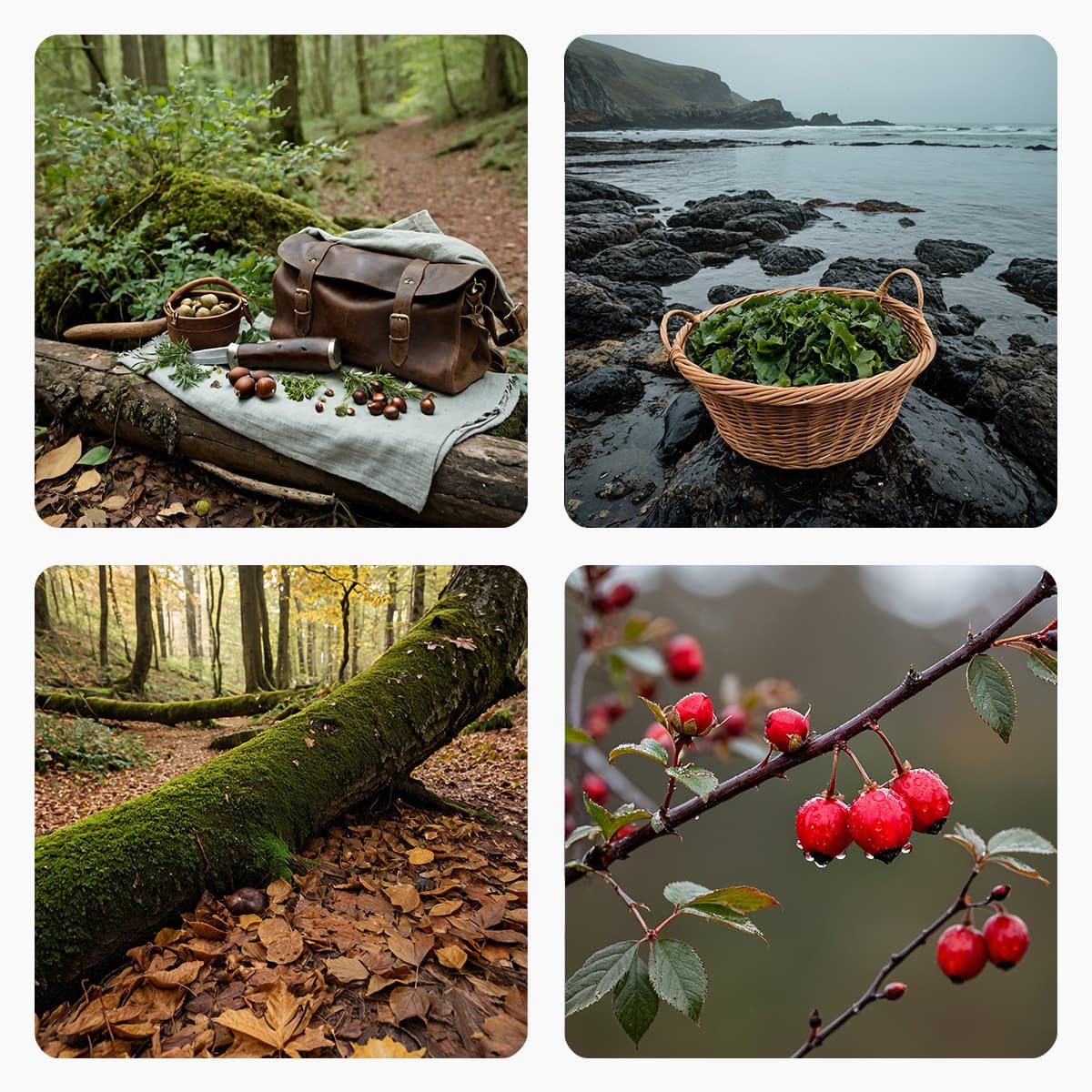
The word foraged appears at least once on the menus of nearly every restaurant, whether high-end or casual, and has now even reached the chalkboards at Sweetgreen and other chains. R&D departments at food giants are closely studying this "afforestation" of American palates, diving into ingredients with plant-like and balsamic notes.
Although PepsiCo is not yet planning wild mushroom Lay’s chips—a flavor already popular in Europe and Asia—the path has been cleared. “Across several markets, we’re seeing a growing interest in botanical, earthy, and outdoor-inspired profiles,” explains Ashley Doolin, a new product R&D specialist at the company.
This love for everything evocative of forests comes after seasons dominated by cosmopolitan spices, tropical fruits like dragonfruit, the baked comfort of Generation Z’s little treat culture, and the swicy wave that flooded the market with hot-honey pizzas.
“Today, there is a desire for flavors anchored in a place, a landscape, and craftsmanship,” observes Sally Lyons Wyatt, chief consumer goods analyst at the research firm Circana. “People are looking for tastes that evoke foraging and the great outdoors.”
American food pop culture shifts so quickly that timing is everything. When Starbucks launched its juniper latte in 2018—before COVID, during the economic bubble, and at the dawn of the techlash, the widespread backlash against Big Tech—it was a resounding flop. It was simply too early.
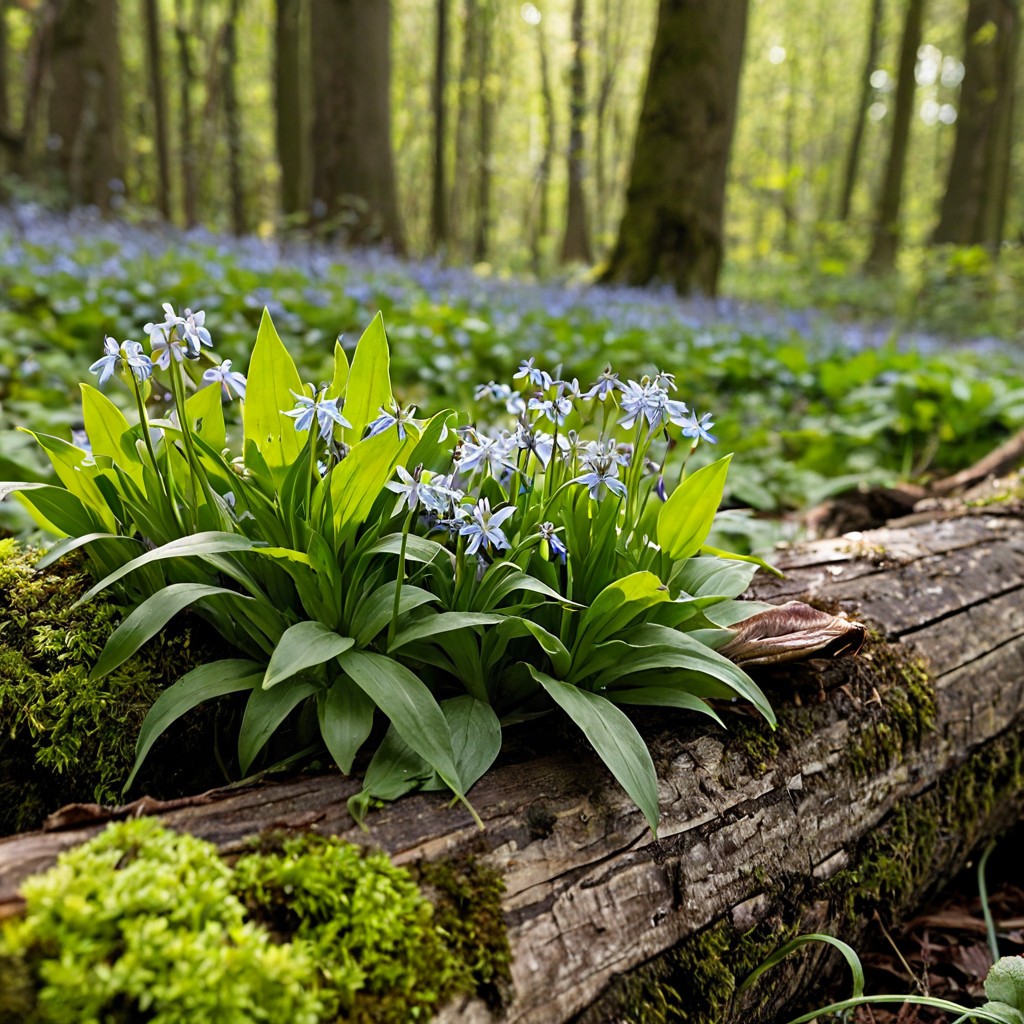
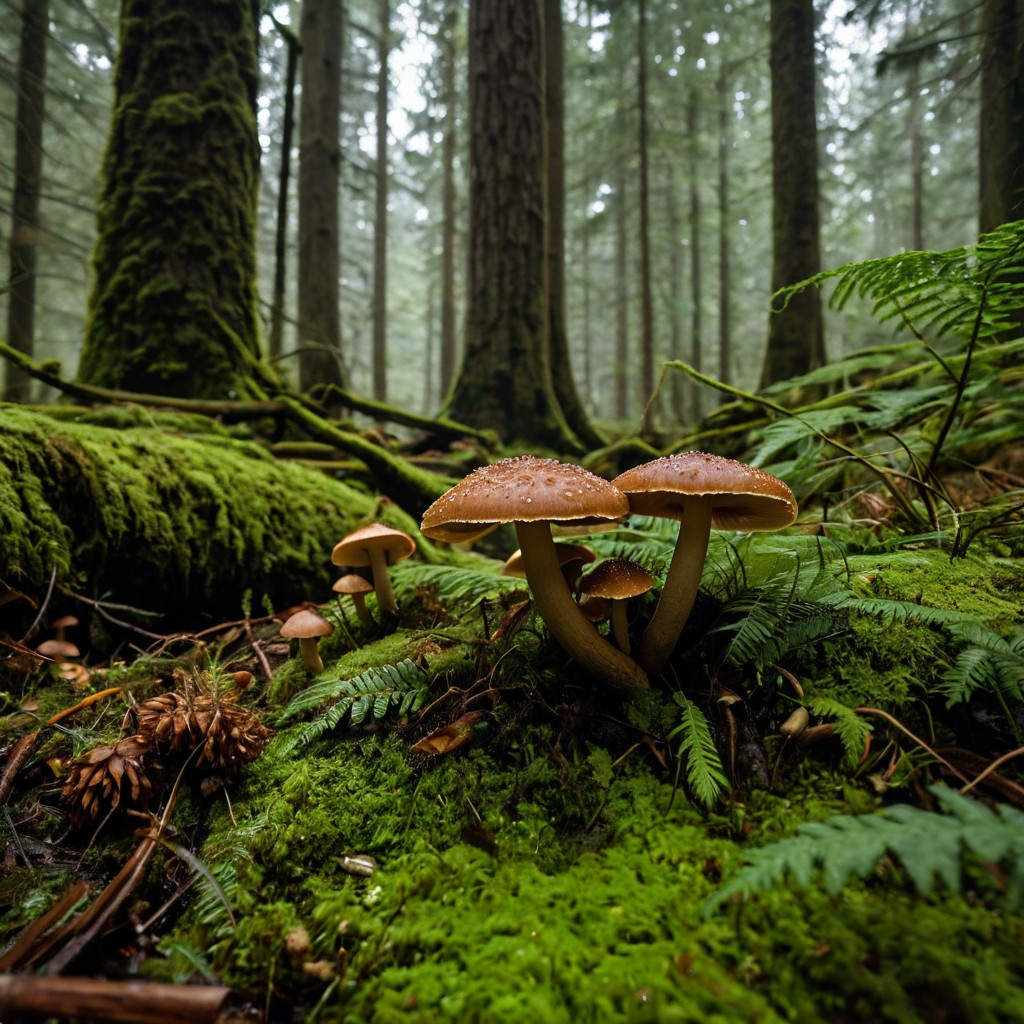
Today, the social climate has changed. “Underneath the surface lies deep anxiety coupled with widespread distrust,” explains trend expert Eve Turow-Paul, author of Hungry. Connecting with the earth and the botanical world provides an ancestral satisfaction; thus, botanical notes become an antidote to anxiety surrounding digital transformation, climate change, and geopolitical tensions. The phenomenon is further fueled by recent food safety scares and the momentum of the Make America Healthy Again movement, which focuses on natural remedies.
“It’s a matter of control and reassurance in the face of lost guarantees in supply chains,” Turow-Paul continues. “Given the distrust toward institutions and large corporations, consumers are seeking autonomy. Lavender, sage, pine, and juniper convey a sense of pristine authenticity in a broad sense.”
Stephanie Mattucci, a strategist at Mintel, draws a parallel to the Industrial Revolution and the Gilded Age, the era when Johanna Spyri published Heidi. The story of the young girl leaving the city to find peace in the mountains became a massive bestseller in the United States. “In times of major technological disruption, we look for an anchor. Alpine profiles offer a therapeutic backdrop against sensory overload.”
To formulate its Forest Pine syrup, Torani analyzed the rise of astringent and resinous notes; between 2021 and 2025, menu mentions of lavender increased by 34%, according to Datassential. Andrea Ramirez, a trend manager for the company, notes that the rise of kombucha and matcha, the bitterness of the Aperol Spritz, the appeal of Danish hygge, and the surge in tourism to the Dolomites and the Alps all played a role. To avoid hints of household cleaner, the pine syrup was smoothed out with ginger and sage: “The goal is to offer the forest experience in a cup, even for those living surrounded by concrete.”
Yet behind every major food trend, there is almost always the intuition of a great chef. In the 1990s, Pierre Hermé introduced Breton salted caramel into macarons (a decade before Starbucks’ hot chocolate); in 2004, David Chang opened Momofuku in New York; and in 2021, Shake Shack served fried chicken glazed with gochujang. The origins of the forest flavor trend lie largely in New Nordic Cuisine, whose philosophy built on foraging and fermentation exploded in the early 2000s at Noma in Copenhagen.
Of course, the woods aren't for everyone. In July, Dunkin' launched a juniper-flavored Blueberry Breeze Refresher, prompting one reviewer to confess they had no idea what a juniper berry even was. The prebiotic soda brand Poppi entered the ring in March 2025 with its caffeinated Alpine Blast, featuring a flavor profile far closer to Mountain Dew than an alpine peak (the brand's figures also saw a dip early this year following its acquisition by PepsiCo for nearly two billion dollars).
Between marketing labels like mushroom-adjacent and alpine cues, seeking refuge from social frenzy is only one side of the coin. The other speaks to the dynamics of American consumerism.
“There is undeniably a relentless chase for novelty,” concludes Helen Zoe Veit, a history professor at Michigan State University. “And then there's simple peer pressure: if everyone is drinking matcha or a pine soda, you end up ordering it too.”