
Coro Restaurant in Orvieto: Ronald Bukri’s Cuisine Inside a 15th-Century Former Church

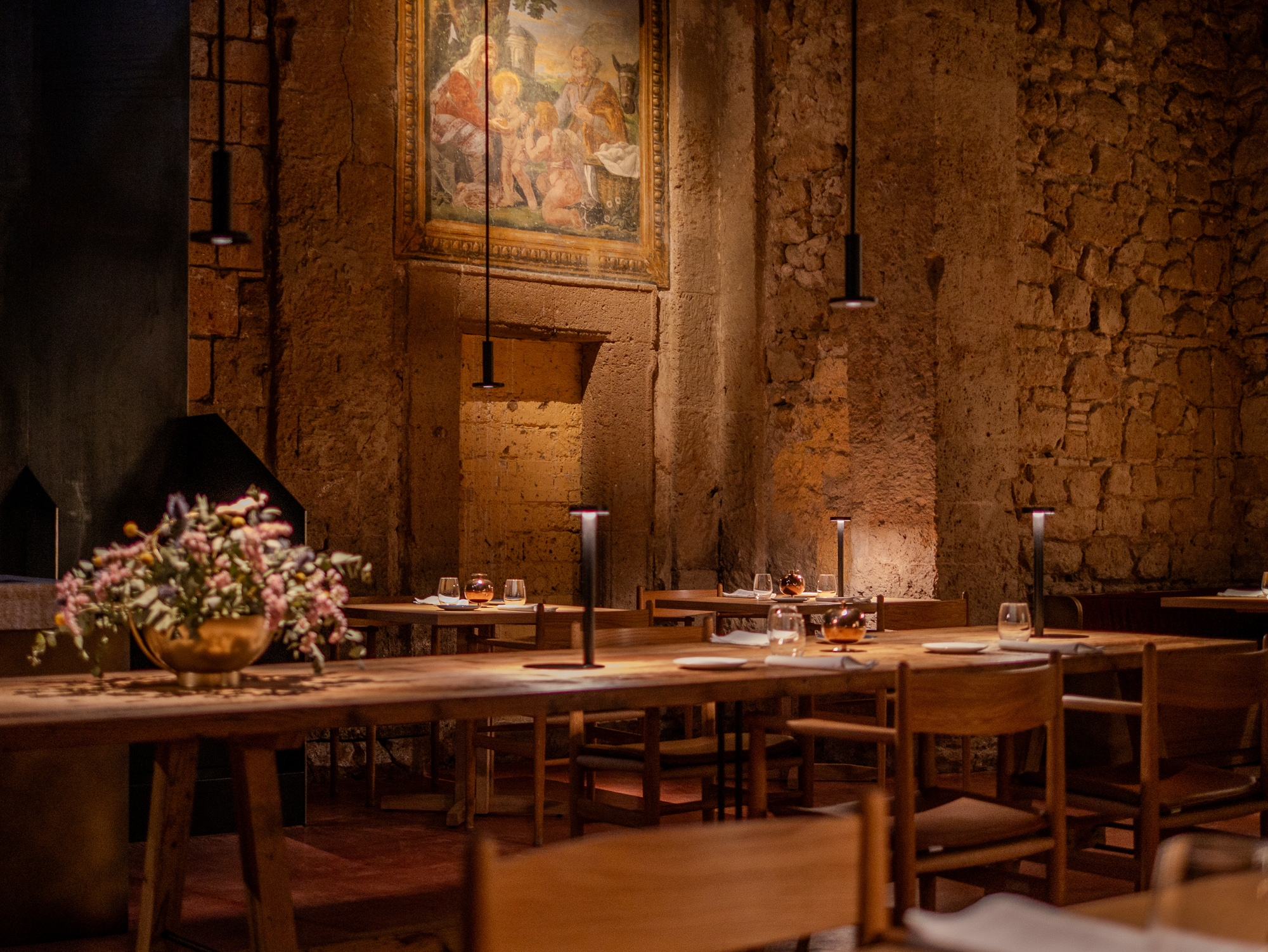
It is difficult for any church to hold its own aesthetically when, just a few steps away, one of the greatest masterpieces of sacred architecture in the world stands tall. In such close proximity, almost any building risks being completely overshadowed. Yet the 15th-century former church of San Giuseppe—now home to Restaurant Coro—manages the far-from-easy feat of not succumbing to the comparison. Right beside the monumental presence of the Orvieto Cathedral, an authentic giant of stone and sacredness, the former church maintains a distinct aesthetic identity defined by an essential and minimalist grace.
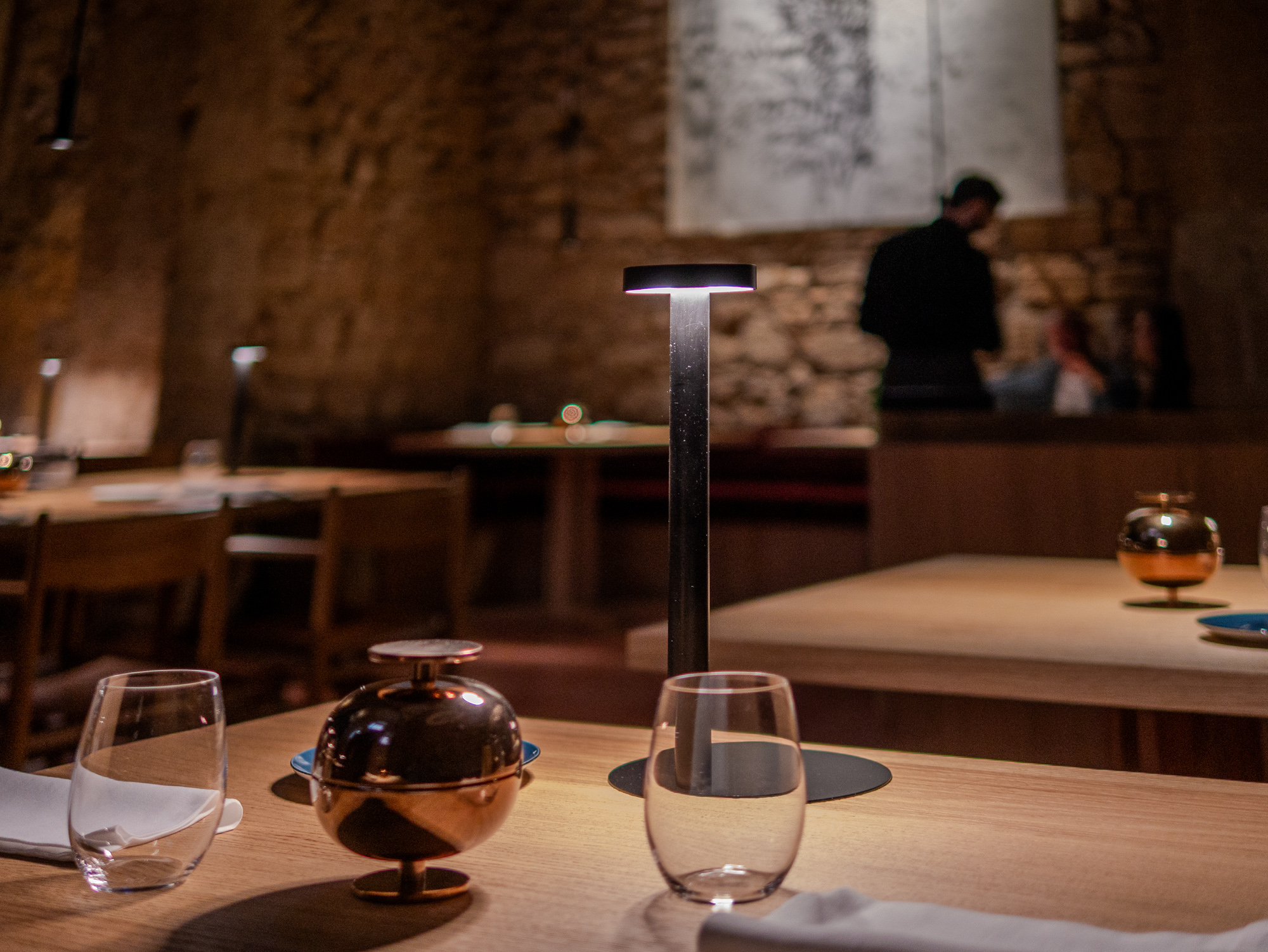
"Coro" is a name that already contains the whole project. It is formed by combining the final and initial syllables of Francesco Perali (the restaurant manager) and Ronald Bukri (the chef), while also evoking the choir loft—the space reserved for singers. It is a metaphor for voices coming together in harmony, reflecting the foundational idea of the project: a place where cuisine, front-of-house service, and space converse in a measured way, radiating a healthy dose of conviviality.
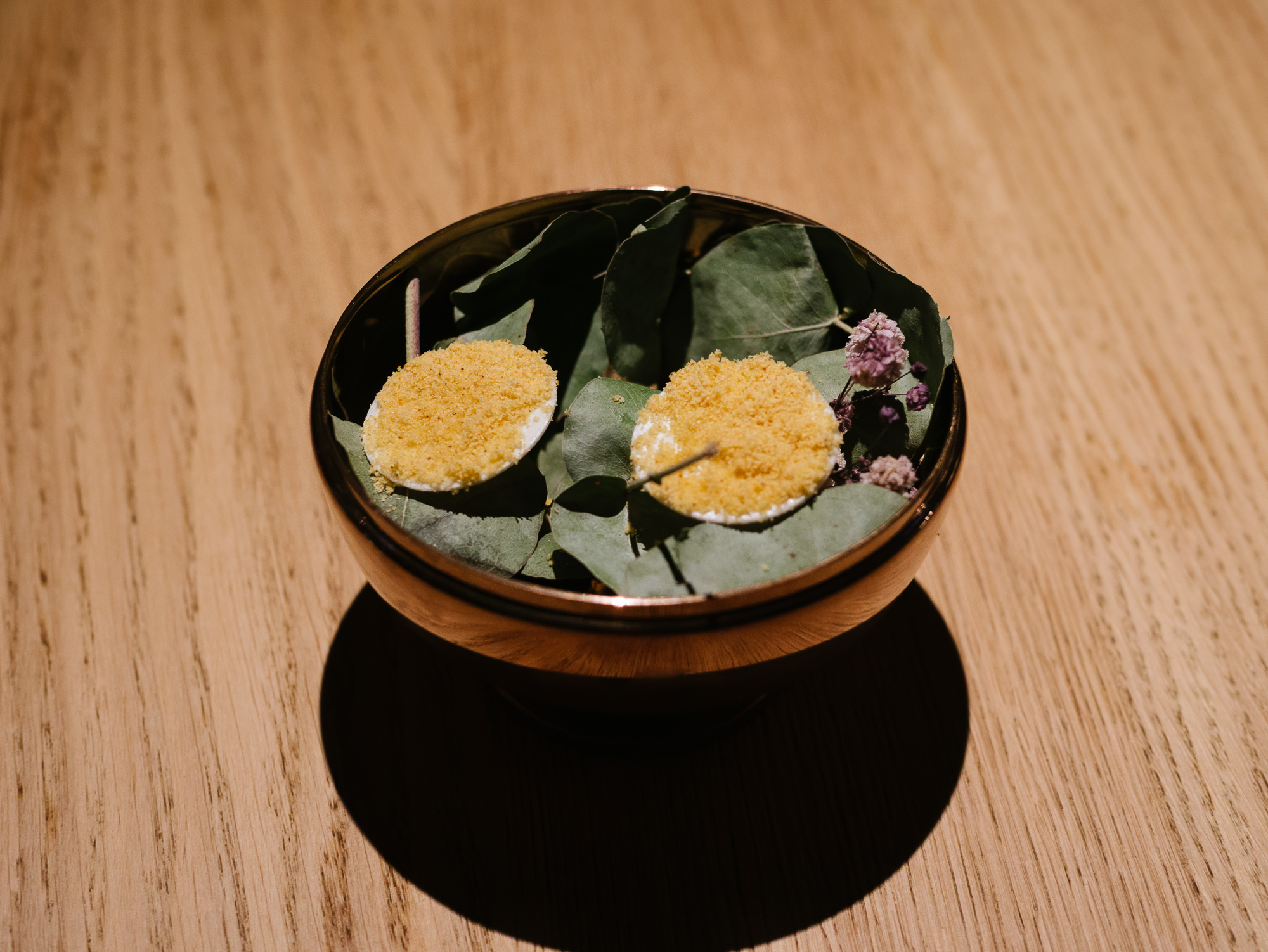
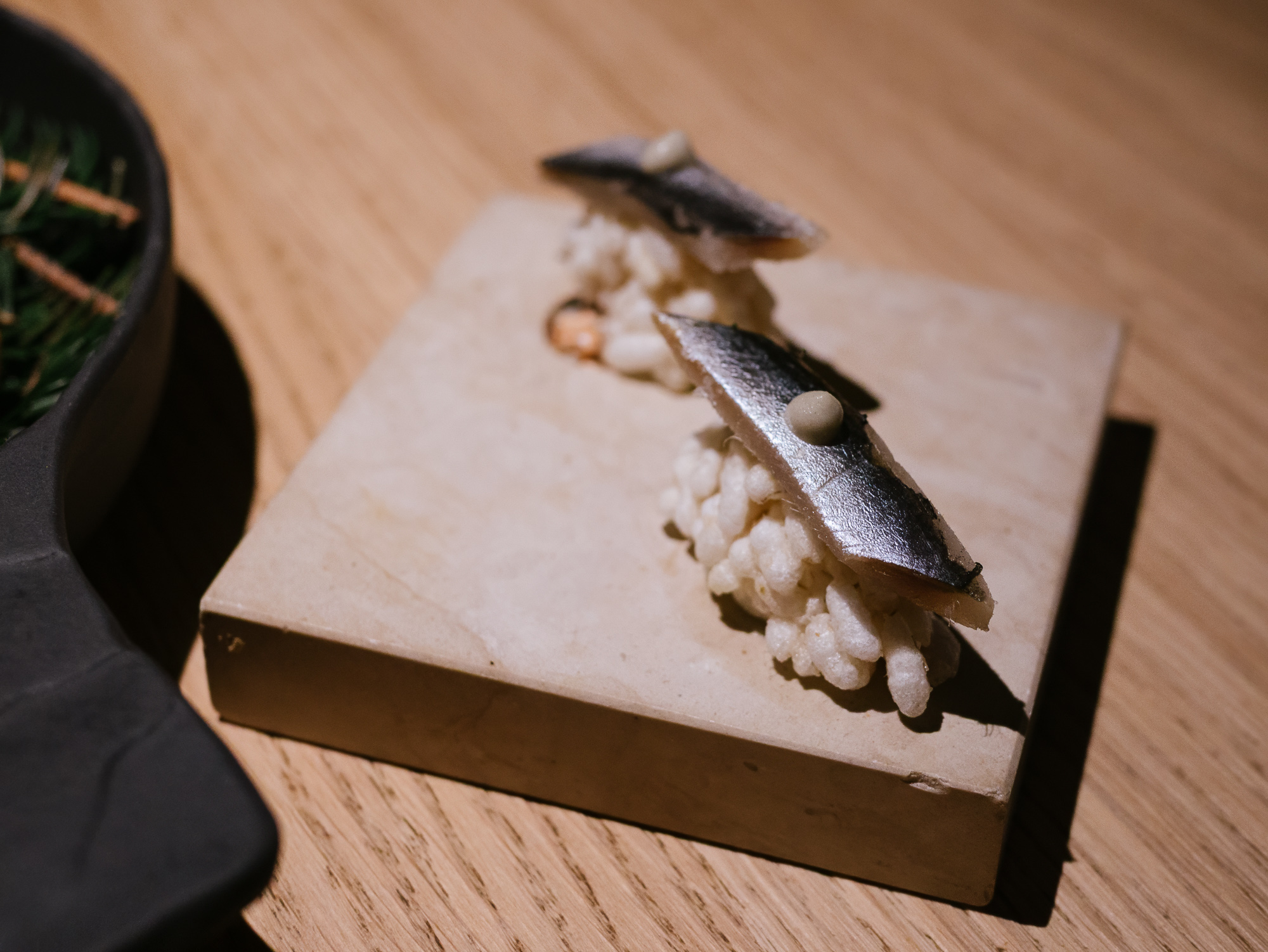
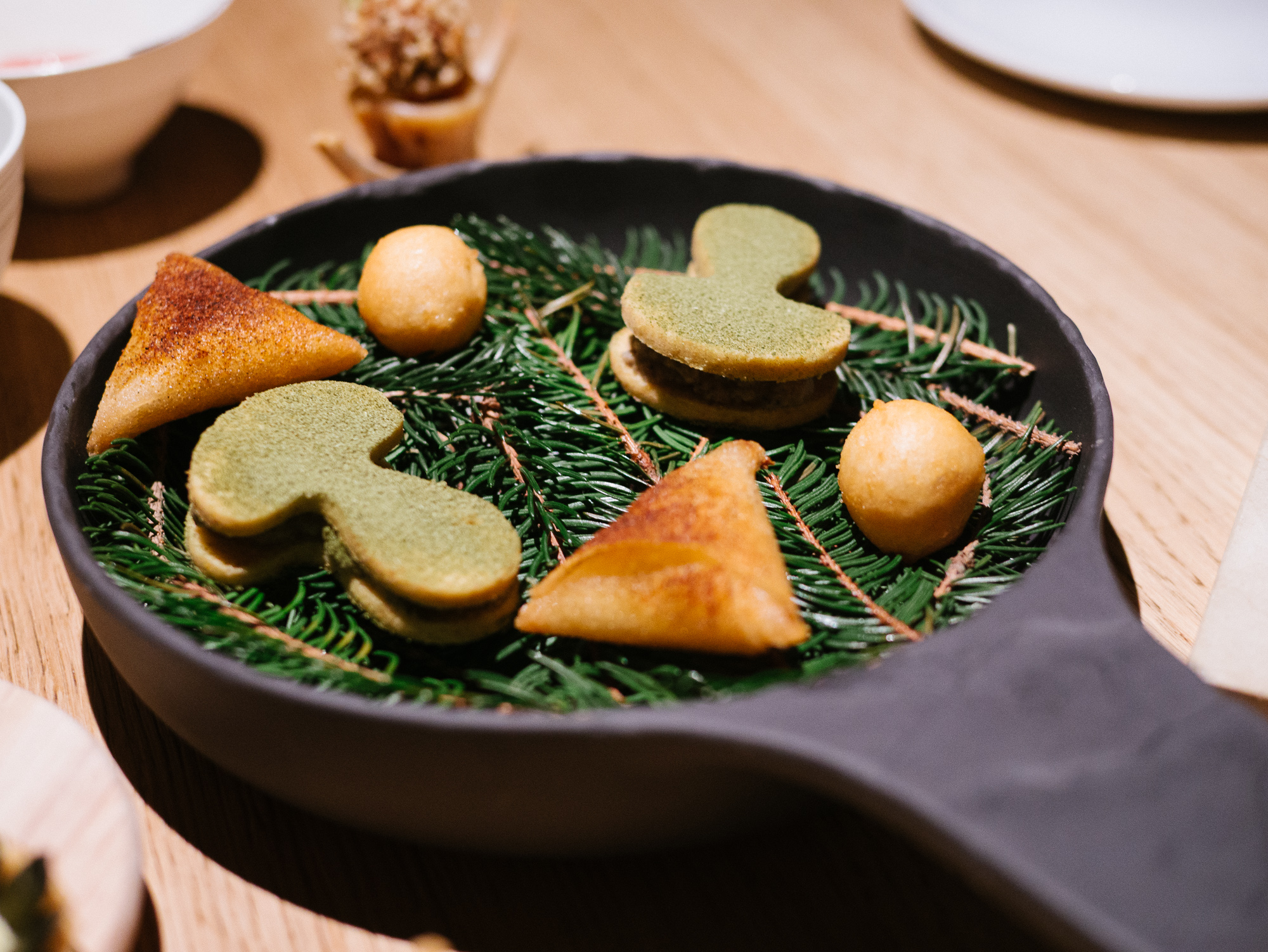
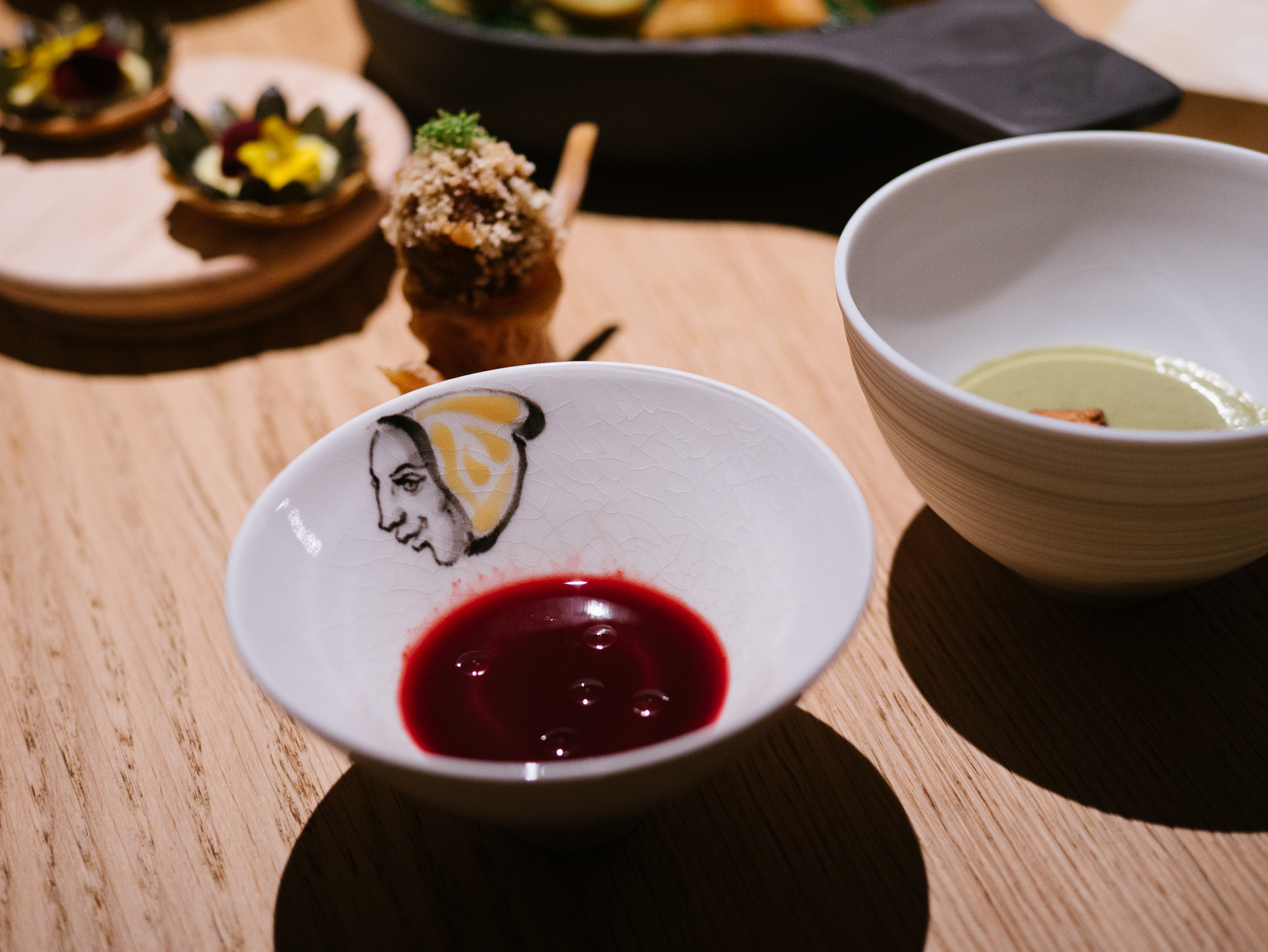
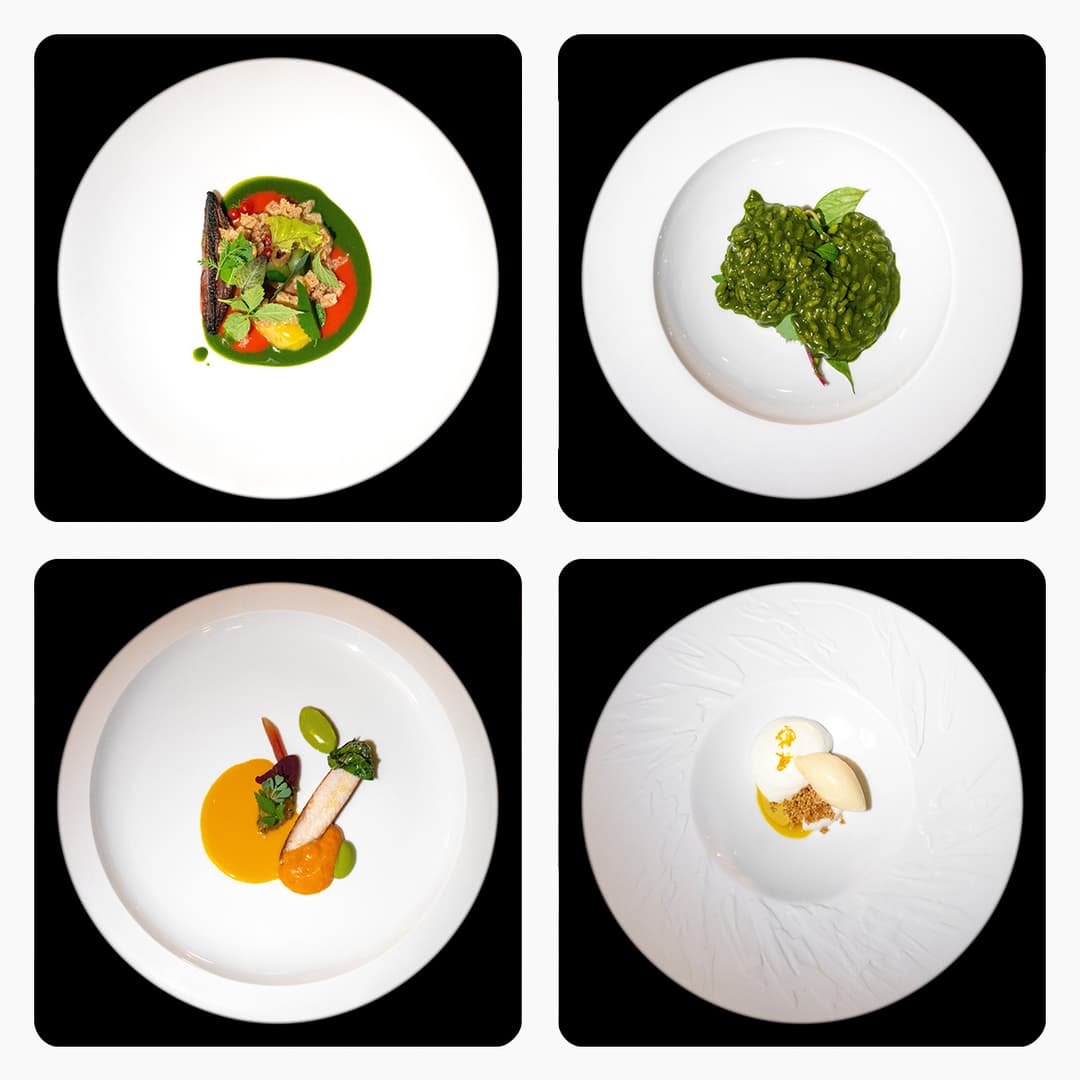
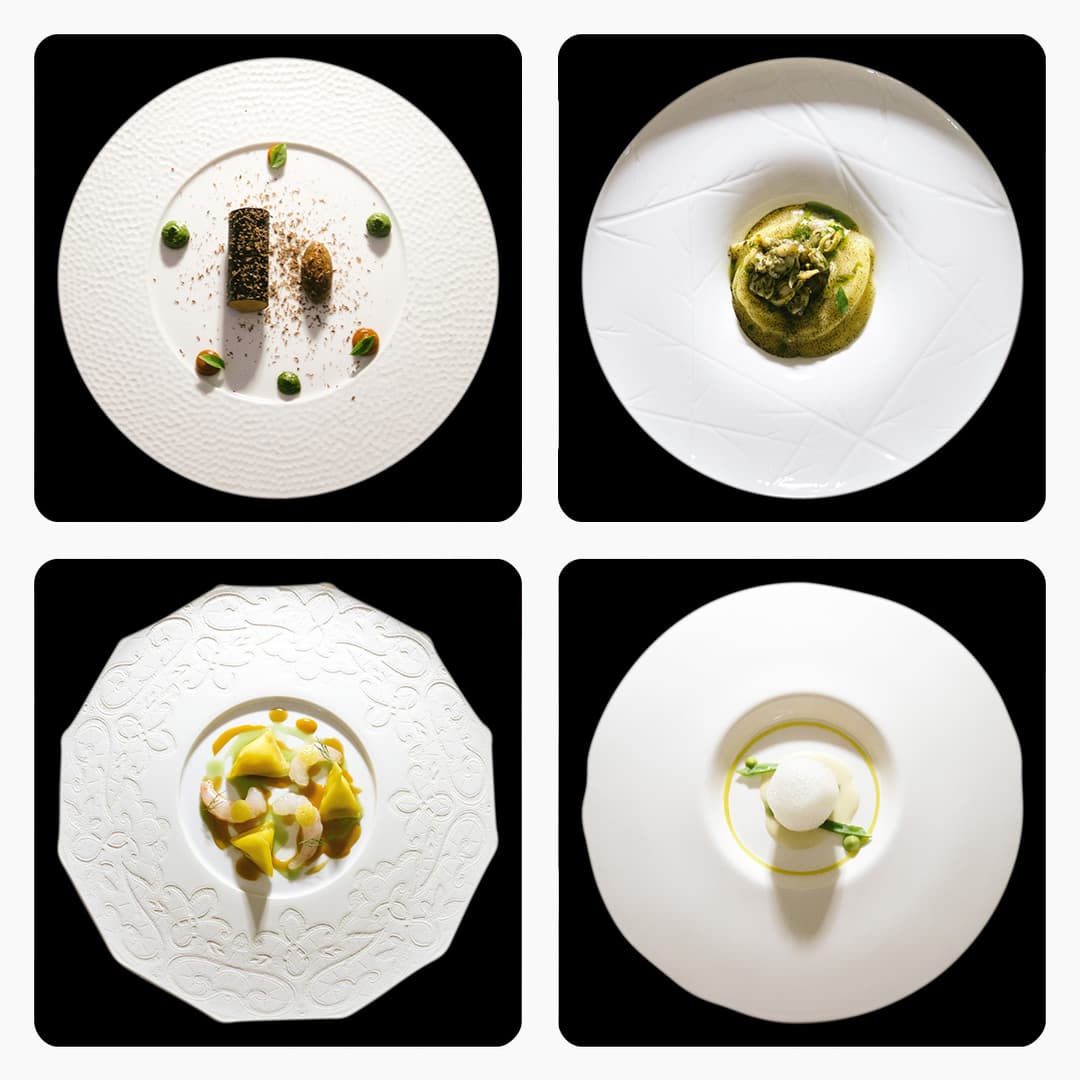
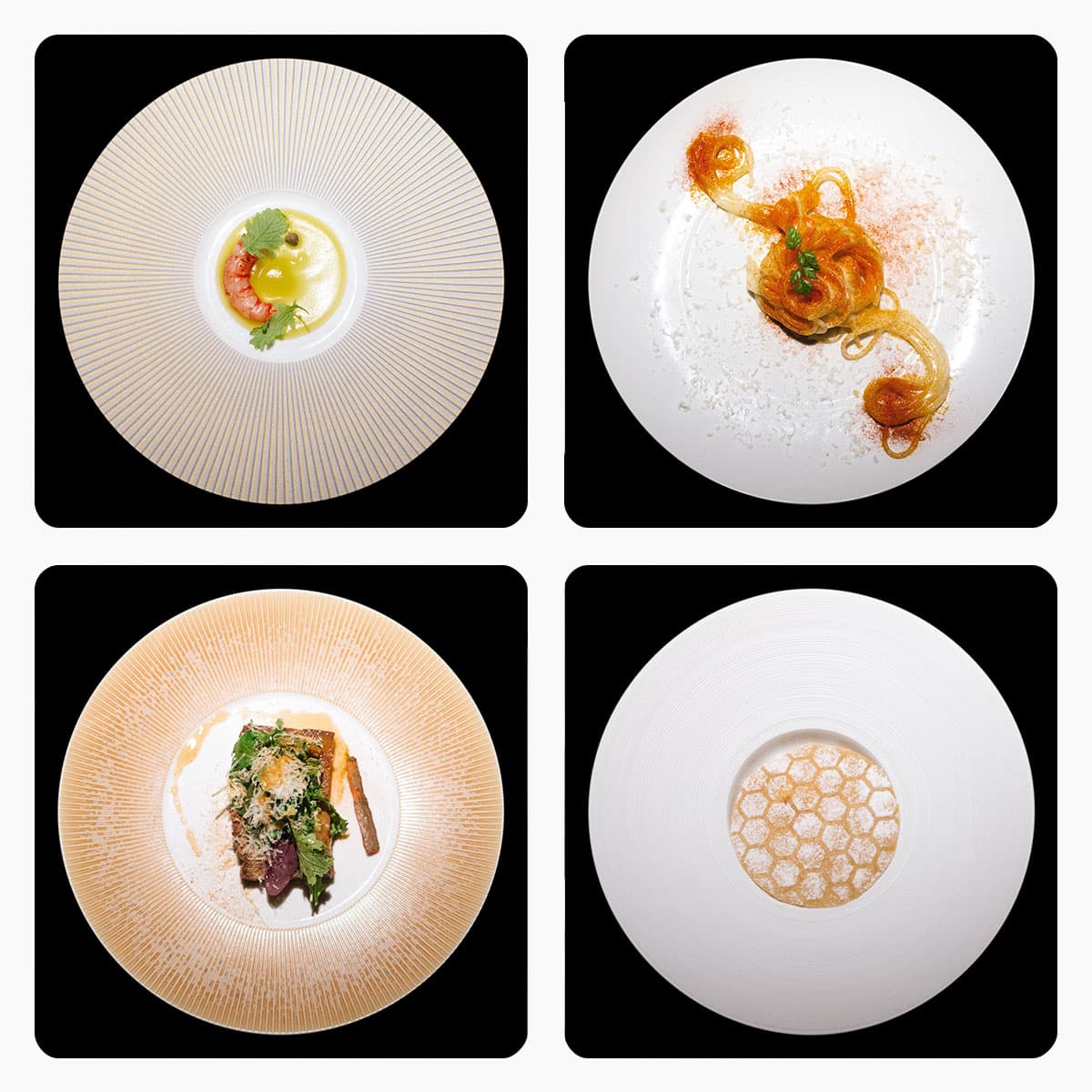
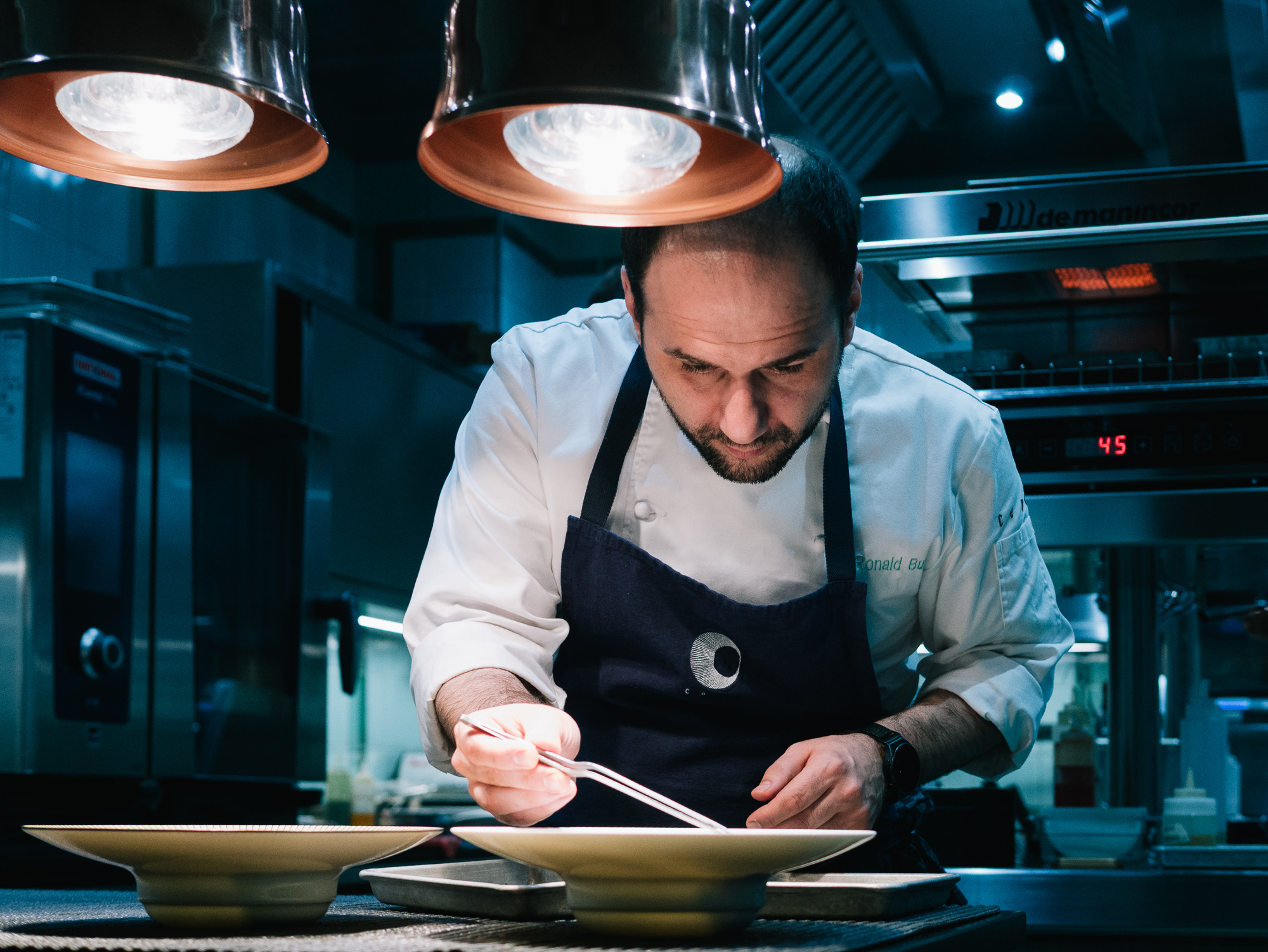
With a degree in economics and a background dotted with prestigious experiences, Francesco Perali handles the hospitality with an attention that is both persuasive and—despite being an objective oxymoron—relaxed. It is the hallmark of a perfect "quiet luxury": understated, effortless, and never ostentatious. Within this beauty, Bukri weaves a cuisine that is both comforting and immediately decipherable, avoiding the flashy excess of overly complex techniques or far-fetched pairings. Examples include his raw red prawns from Porto Santo Spirito with Pantelleria capers and shallots in an emulsion of honey, oil, and green lemon simulating mayonnaise, or his pasta buttons (bottoni) stuffed with chicken giblets, bergamot cream, butter-sauteed and smoked peas, and an extract of bitter herbs.
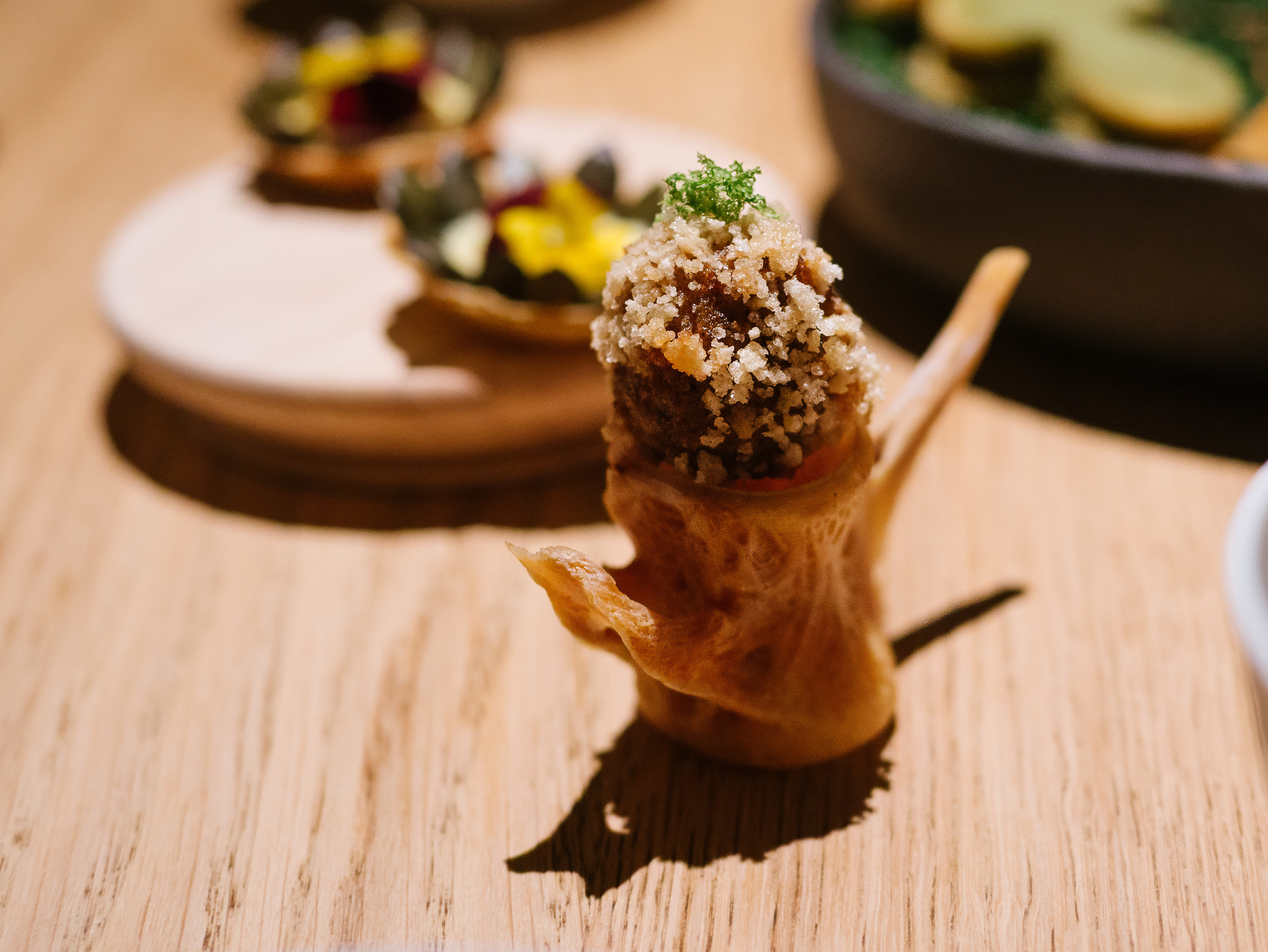
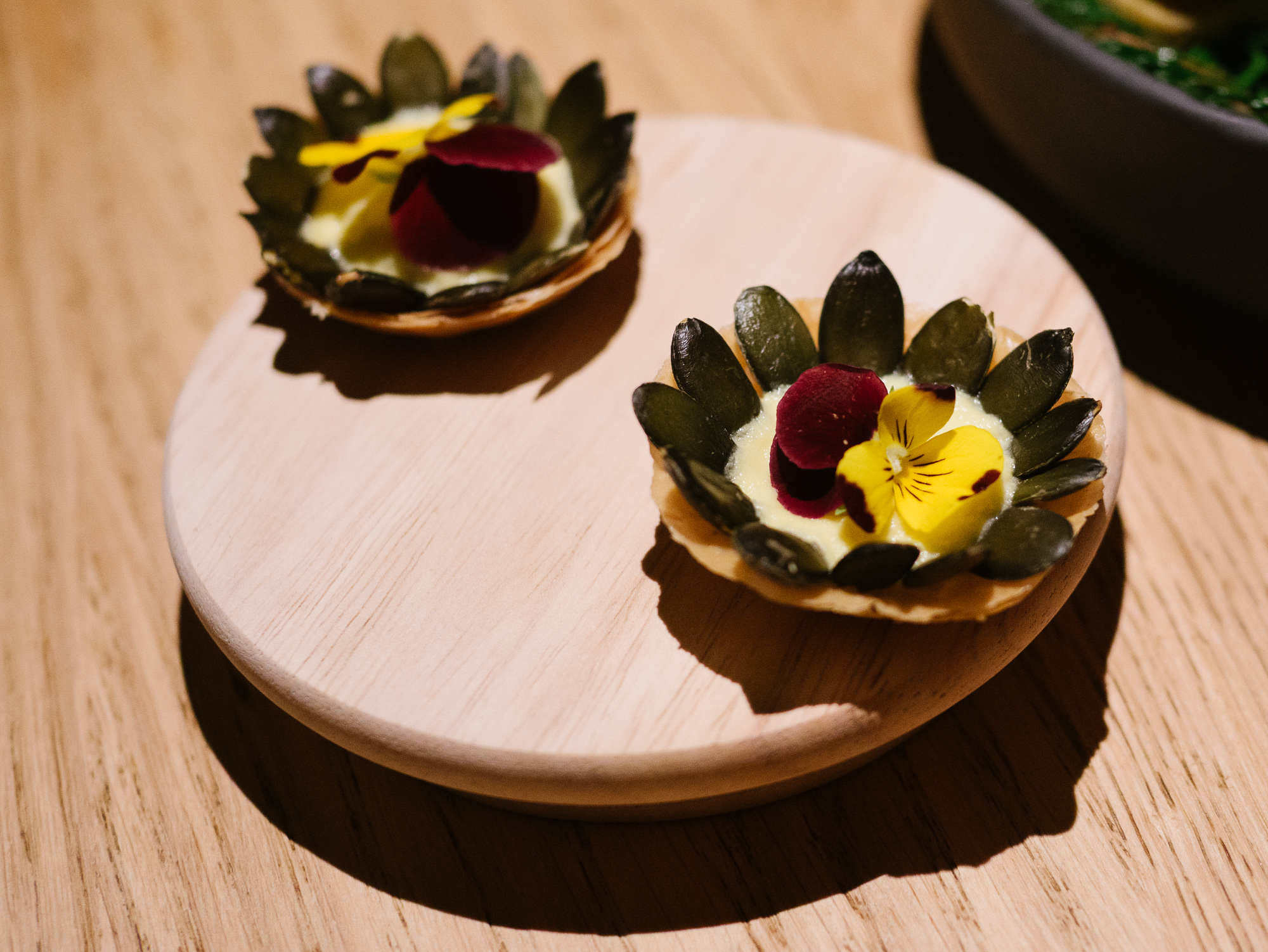
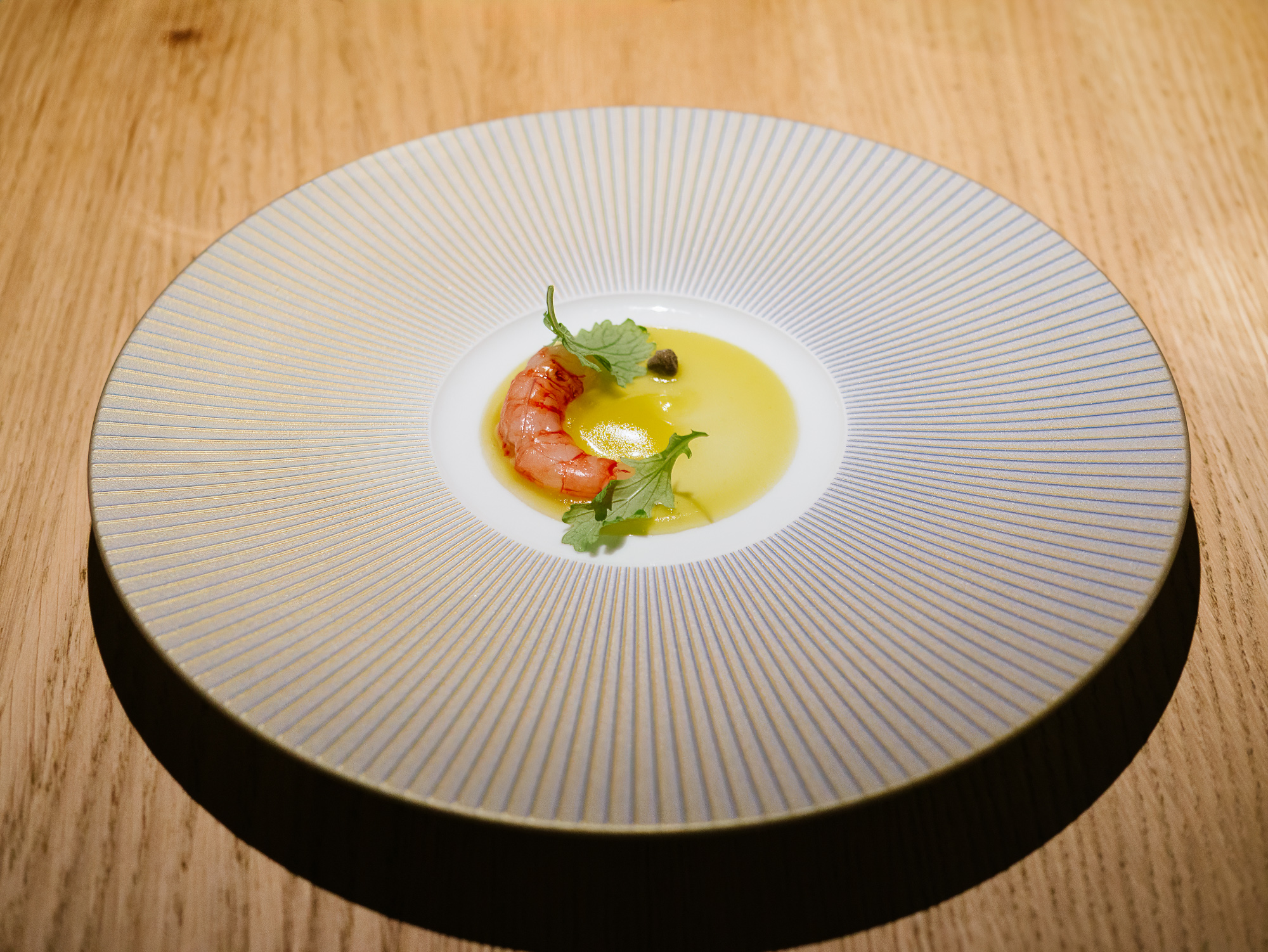
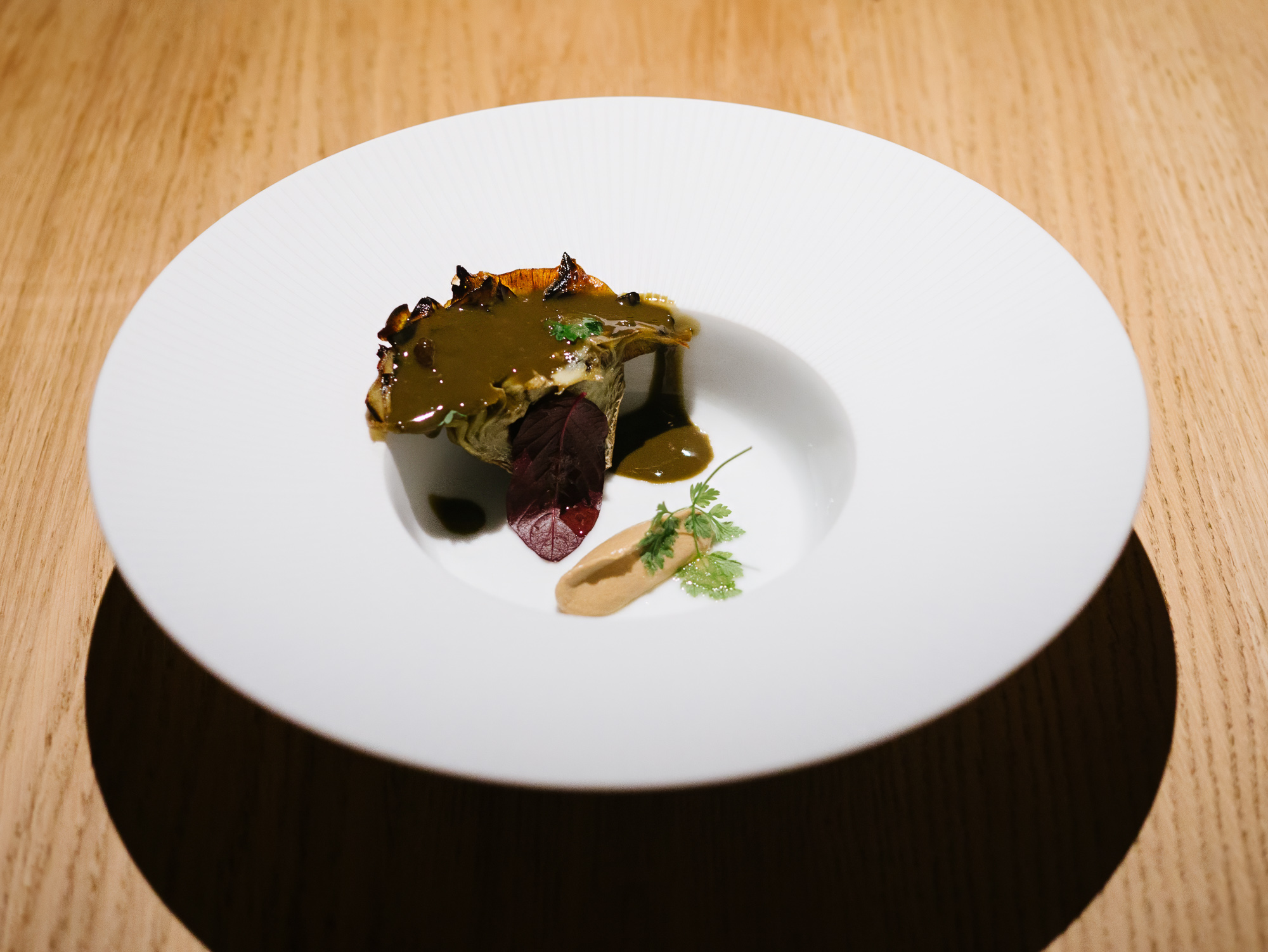
By choice, he avoids traditional cooking reductions (fondi di cottura), opting instead for sauces—such as the lacto-fermented carrot sauce that, together with bitter herbs and pecorino cheese, clings to a marinated and wood-grilled pork neck (capocollo).
An approach that the chef discusses here in the video interview:
Coro is adjacent to Palazzo Petrvs, a nine-suite boutique hotel born from the vision of entrepreneur Raffaele Tysserand, where space becomes an active part of the gastronomic experience, interpreting an idea of integrated and mindful hospitality. Selected among the sixteen restaurants chosen for the Prix Versailles 2025—a prestigious award sponsored by UNESCO and the United Nations, of which Coro is the sole Italian representative—the restaurant confirms the strength of its concept and the value of a space capable of regenerating itself to become the central element of a culinary narrative rooted in harmony and refined aesthetic taste.
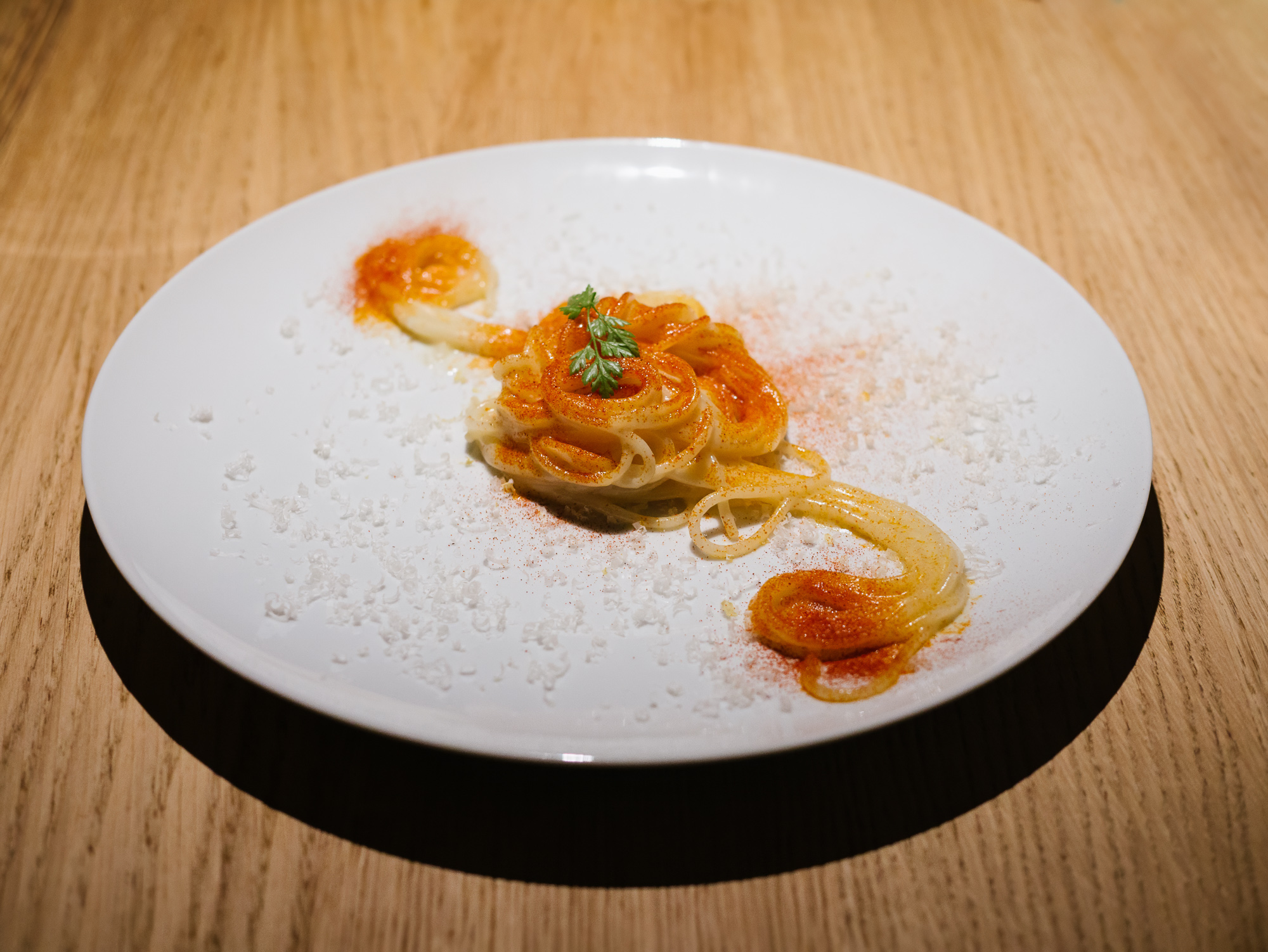
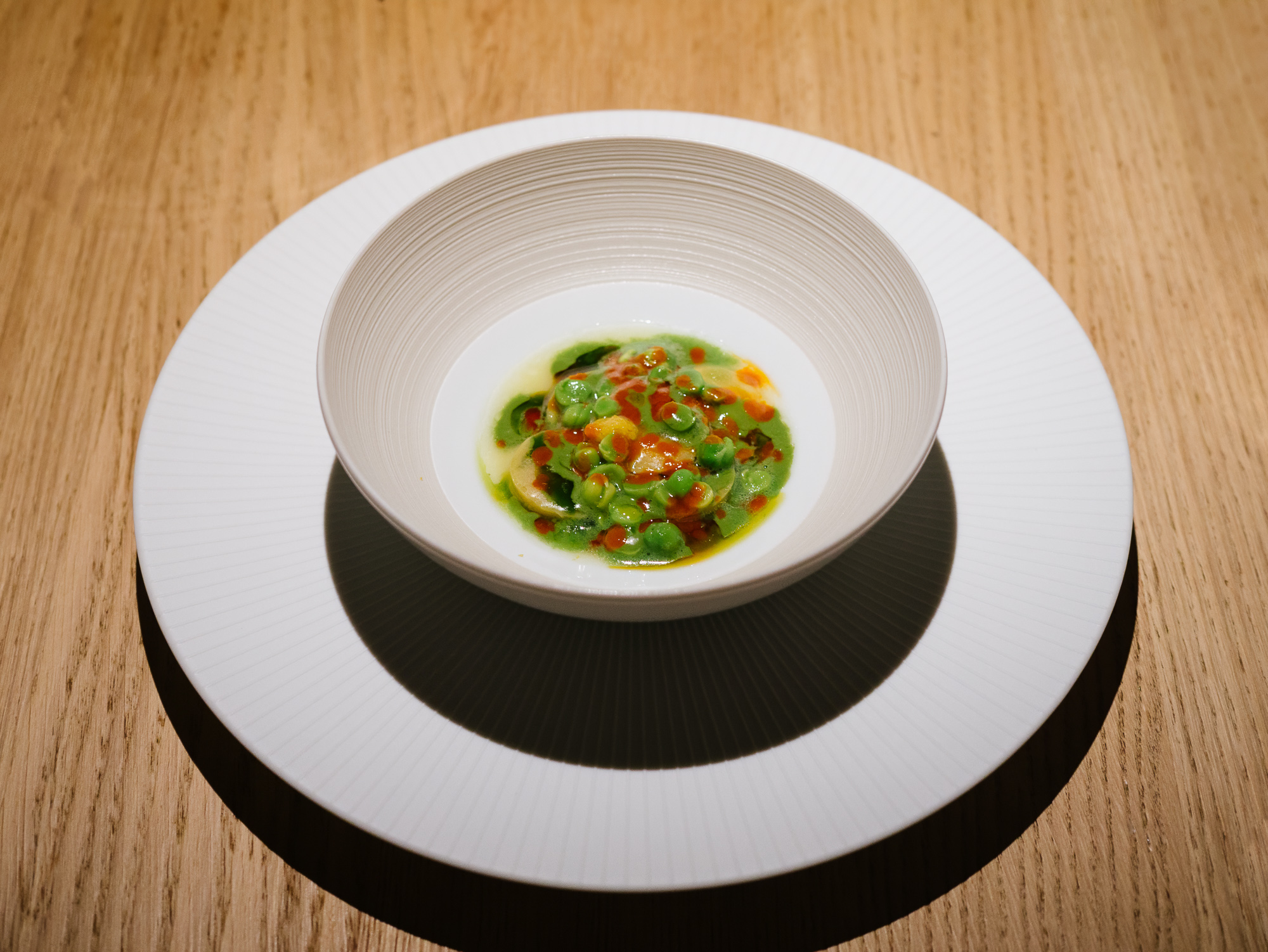
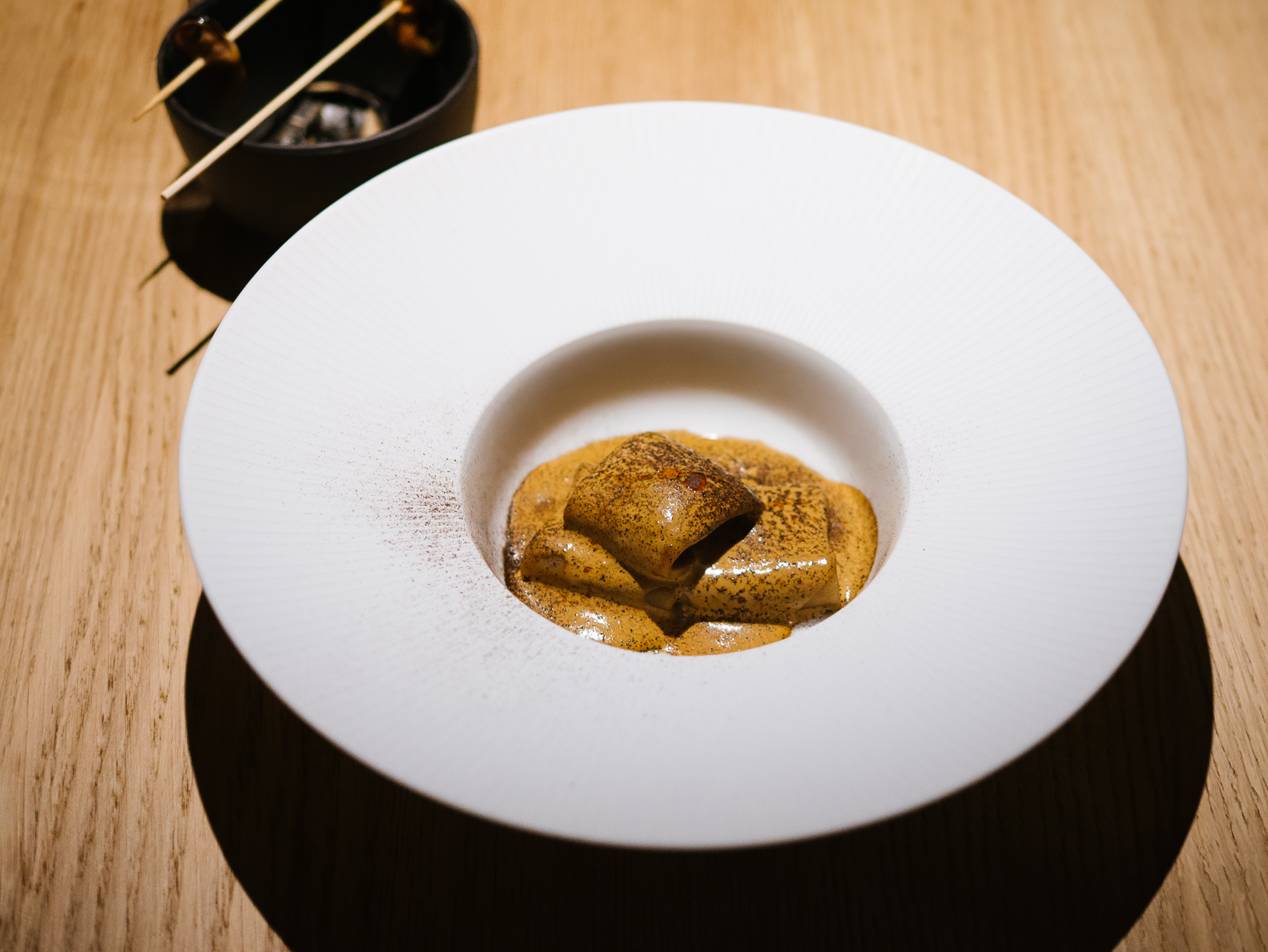
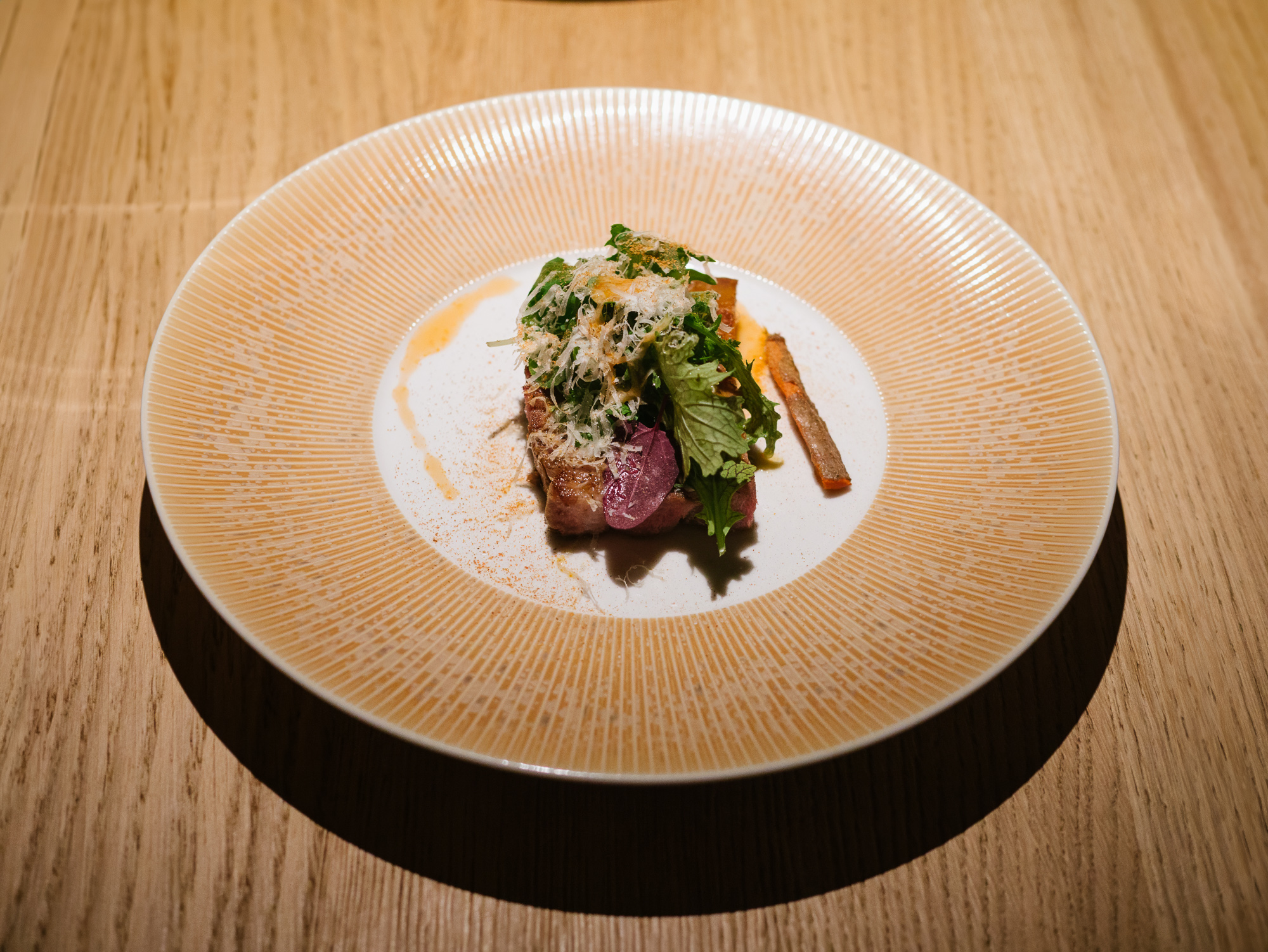
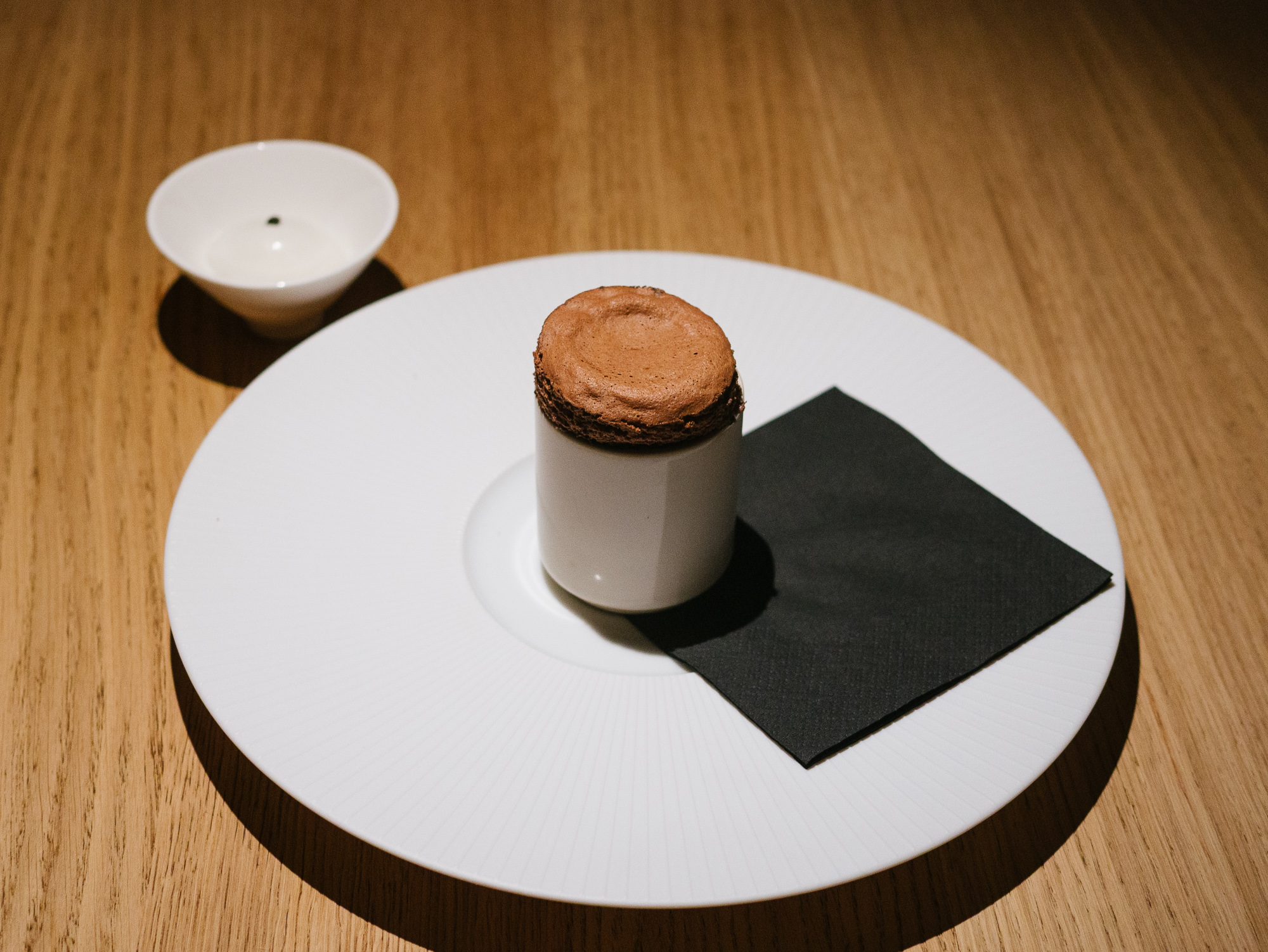
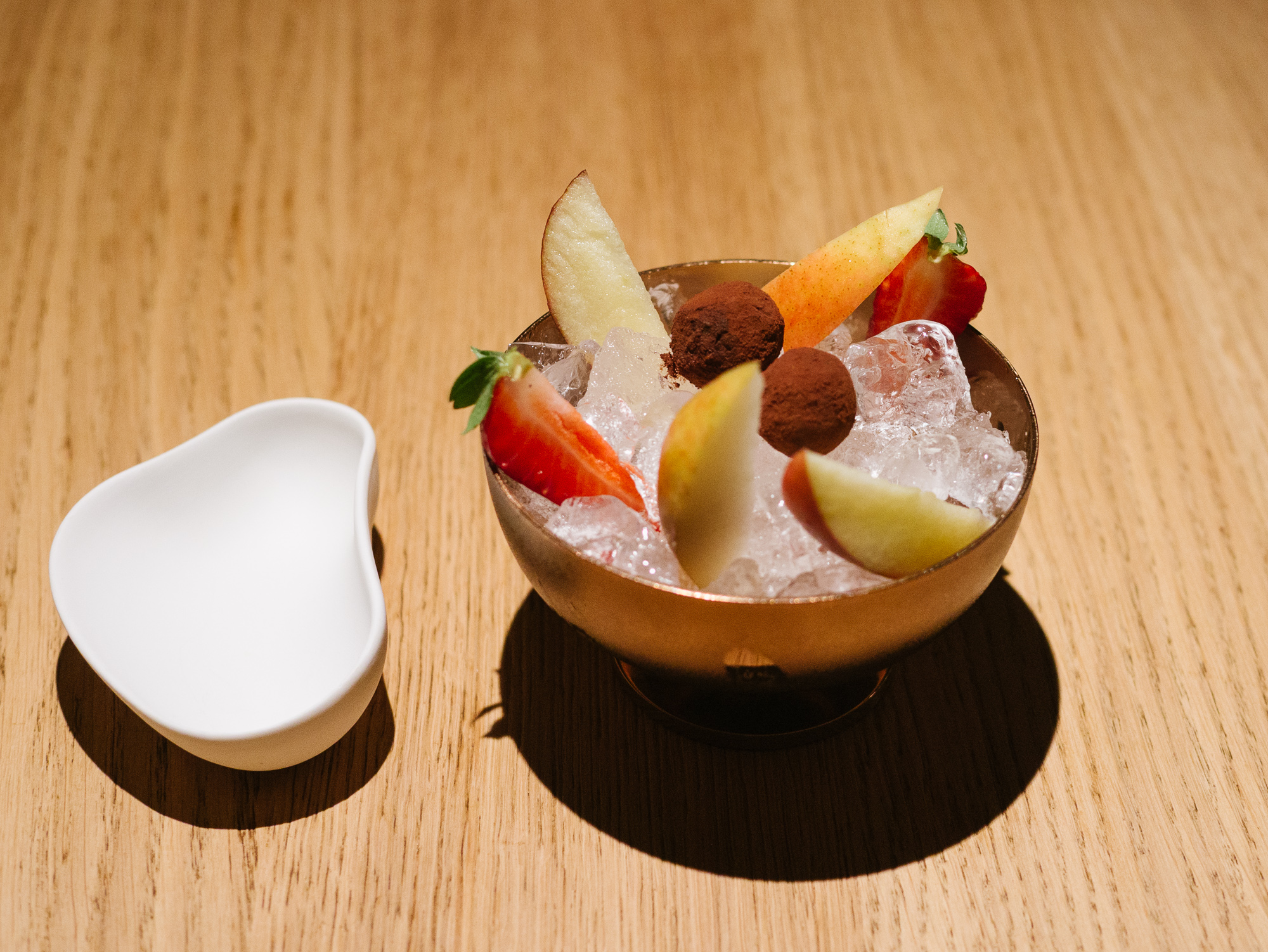
Born in 1987 in Durrës, Albania, and Florentine by adoption (having grown up around Empoli), Bukri’s training starts with classical foundations acquired at Arnolfo in Colle Val d'Elsa, a skill set still clearly expressed through his work. His chocolate soufflé is flawless, served alongside a cellina olive that has been candied and passed over the grill to accentuate the bitterness of the cacao. His resume further includes London’s Sketch, Sydney’s Guillaume at Bennelong, and a transformative stint with Paolo Lopriore. It was likely there that he mastered the confident handling of bitterness—evident in his artichoke cooked in oil-confit and then grilled, served with sunflower seed hummus, anise-infused raisins, and an intensely bitter extract of artichoke leaves. Following that, he worked with Igles Corelli at Atman and Terry Giacomello at Inkiostro in Parma. Between 2017 and 2018, he ran the kitchen at Osticcio in Montalcino, where he reunited with Perali in the dining room—a partnership that ultimately led to the opening of Coro in 2024.
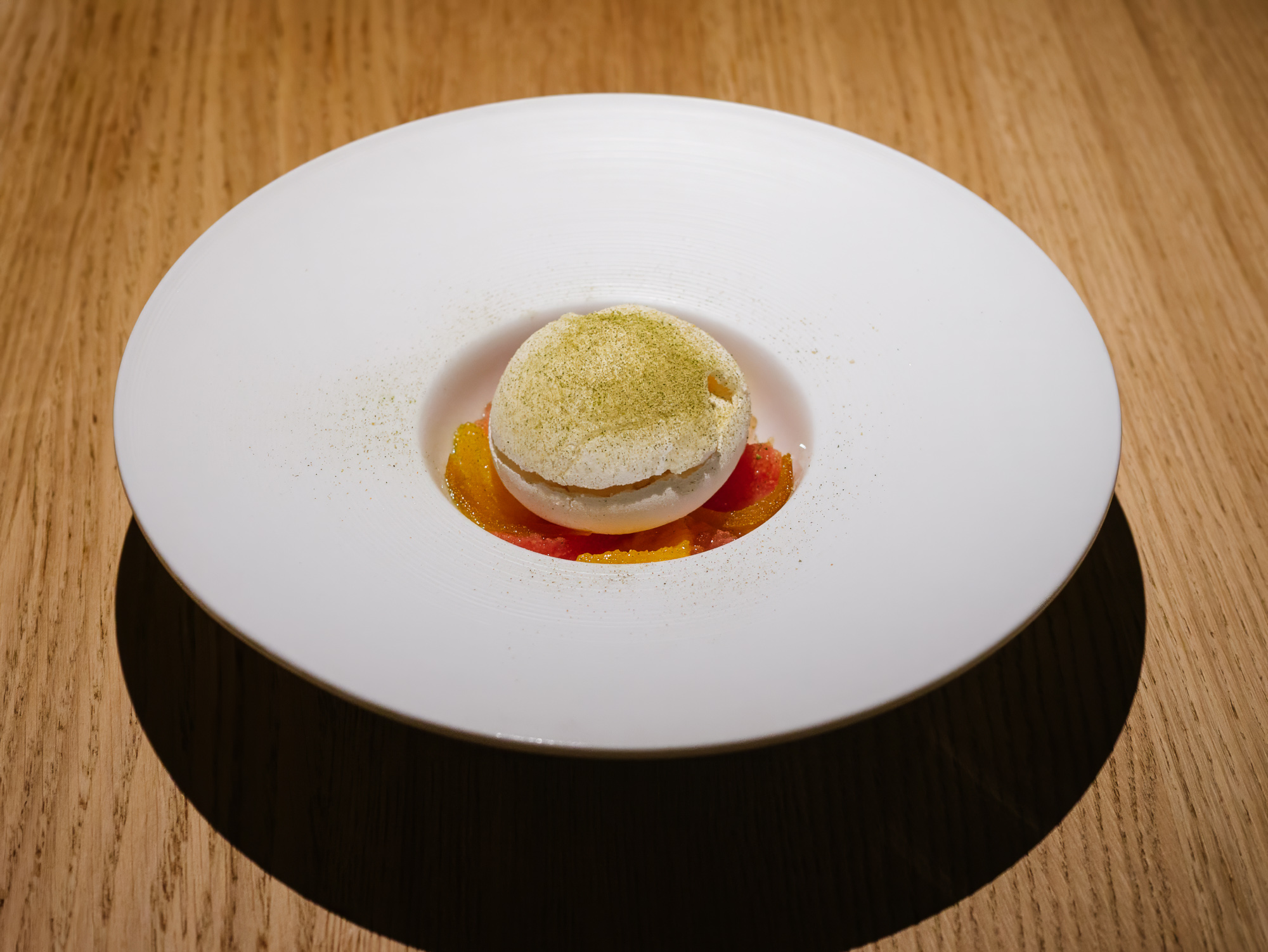
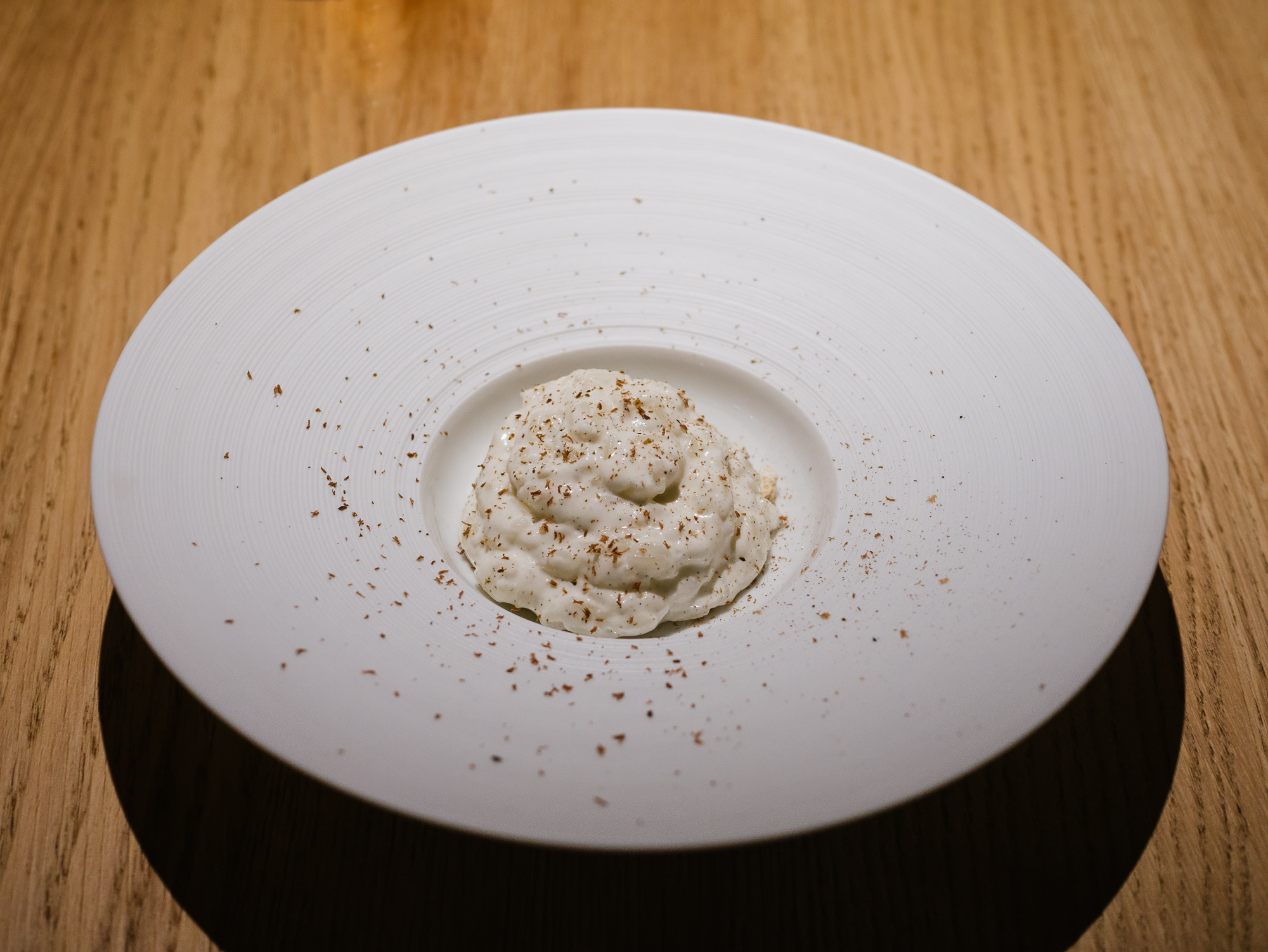
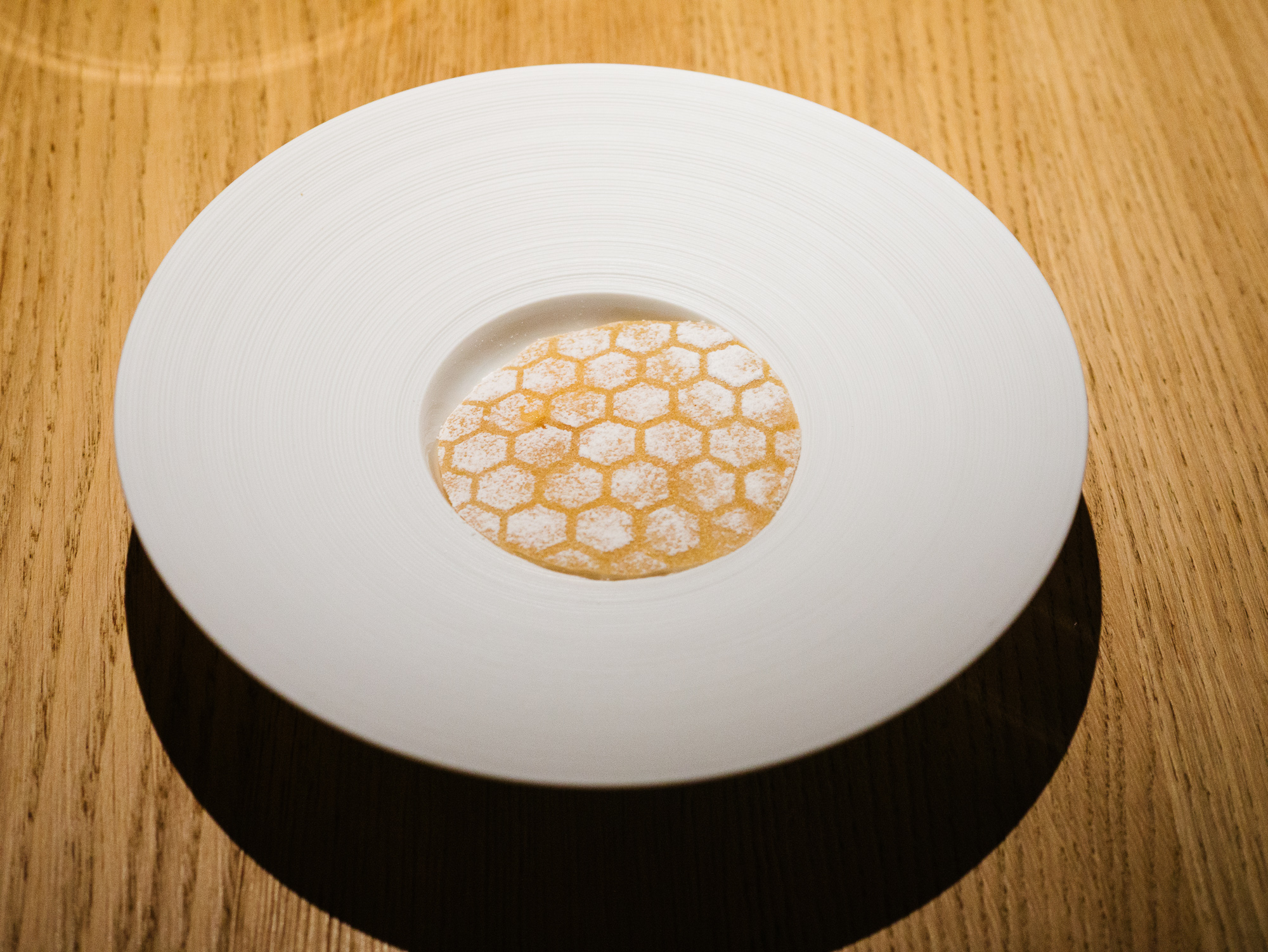
The dining room, seating around thirty guests, features an elevated mezzanine area reached by a staircase reminiscent of an ancient pulpit, which coexists harmoniously with a large communal table at the center.
The wine list, curated by sommelier Valentina De Angelis, focuses heavily on local winemakers from Orvieto and authentic regional productions, reflecting long-cultivated expertise and a deep bond with the territory.