
Vite at San Patrignano: Haute Cuisine Beyond Social Rhetoric

On the hills of Coriano, Vite restaurant resolves one of the most insidious dilemmas of fine dining: the possibility that the rigor of haute cuisine and the complexity of human redemption can share the same space without one becoming a display piece or a justification for the other. It offers an empirical answer, free from rhetorical shortcuts, where culinary discipline and the weight of personal rebirth travel with equal dignity. Furthermore, Vite demonstrates how high-end gastronomy can strip away self-indulgence to naturally become the pinnacle of an ethical and productive supply chain.
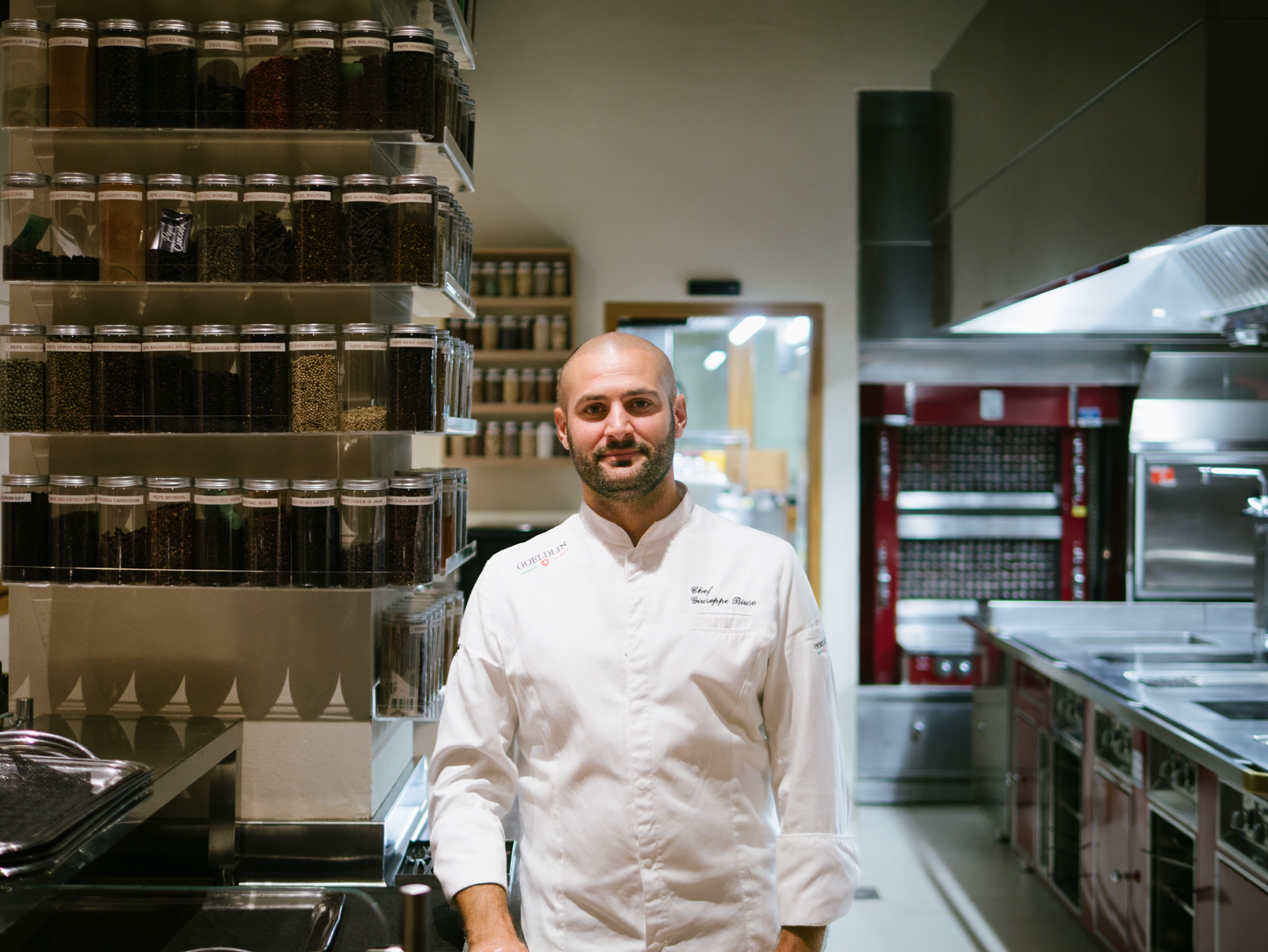
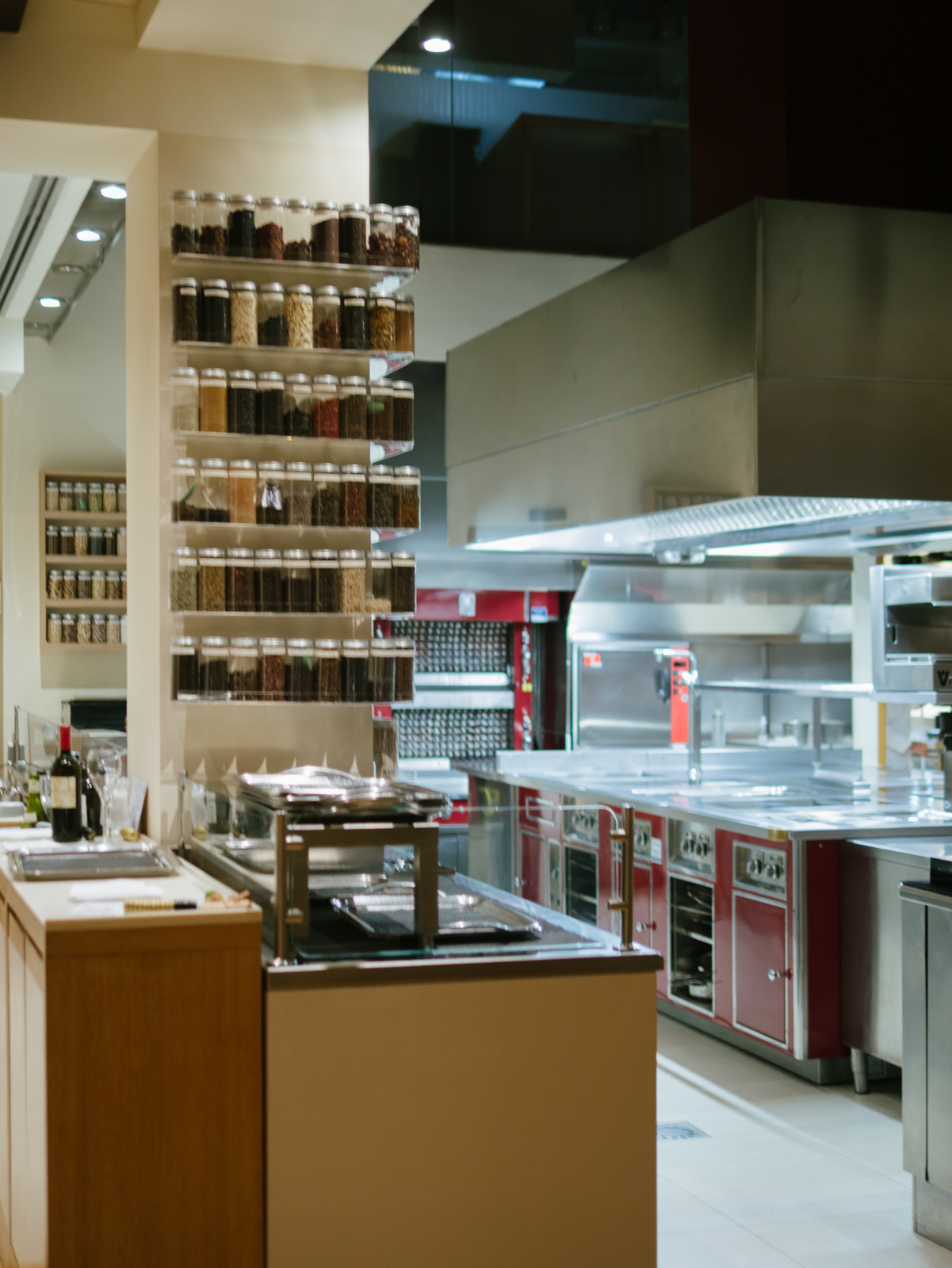
In this restaurant linked to the San Patrignano Community, the social reintegration process is directly measured against the standards and rigor of a great contemporary kitchen. In the dining room, young people engaged in the recovery program manage a smooth, solid service free from contrived formalisms. In the kitchen, the direction of chef Giuseppe Biuso transforms the community's impressive agri-food heritage into a culinary offering with a distinct identity.
Founded almost fifty years ago by Vincenzo Muccioli, San Patrignano represents Europe’s largest residential facility for addiction recovery. A model that is entirely free for its residents, its economic sustainability relies half on private donations and half on a complex, autonomous production network. Spanning roughly 250 hectares, it features over fifty vocational sectors and artisanal workshops—a self-sufficient ecosystem employing about a thousand residents that has made product quality its primary pedagogical tool.
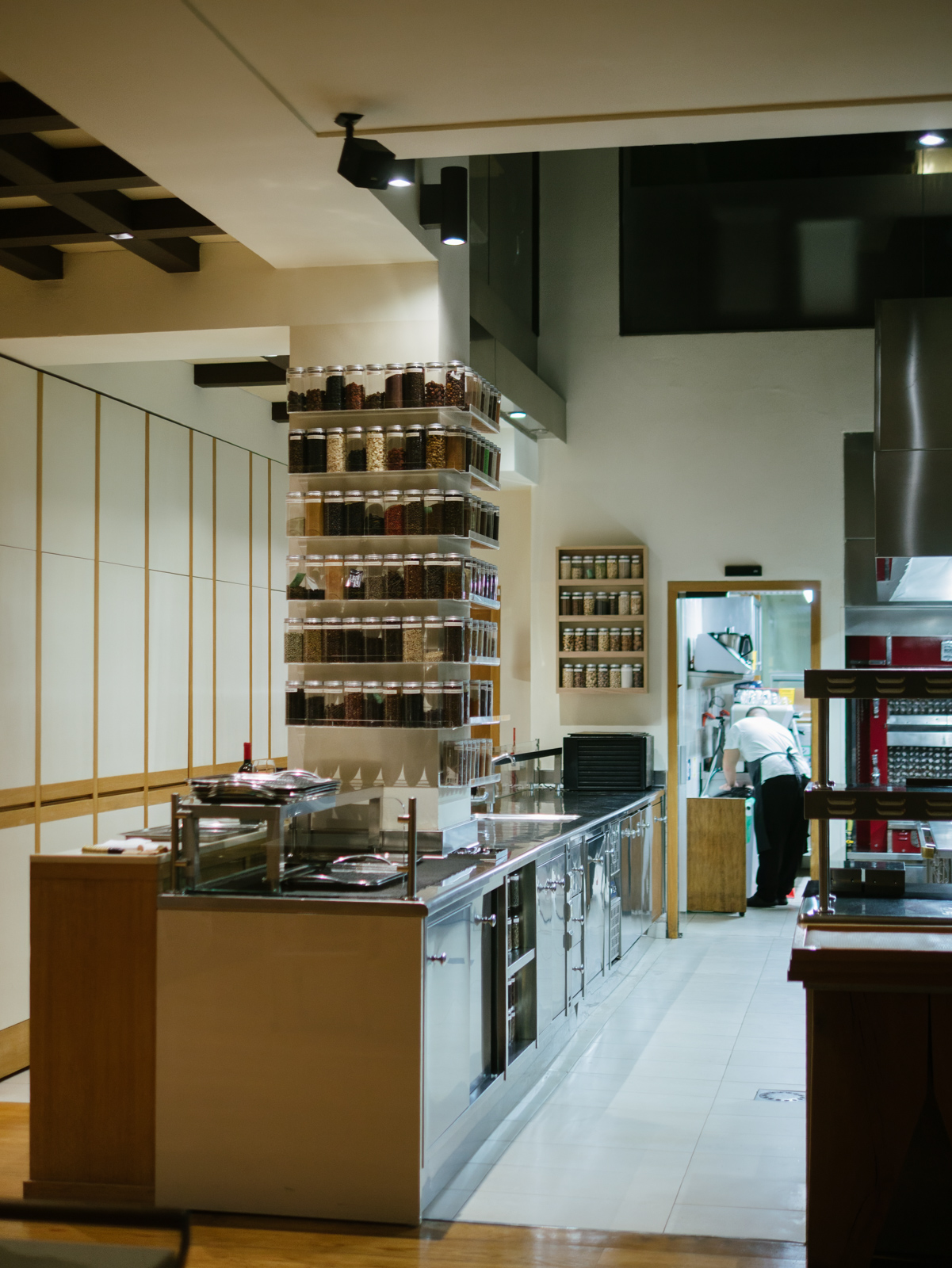
The agri-food supply chain constitutes the focal point of this balance, with the community managing highly specialized technical sectors. One hundred and ten hectares of vineyards produce half a million bottles annually, spanning Sangiovese, Cabernet, and Chardonnay. The internal dairy exclusively processes its own milk to produce one of Romagna's finest Squacqueroni DOP, as well as cheeses aged in pits, caves, or grape pomace. Curing workshops select Chianina and Mora Romagnola livestock for aged cured meats produced without additives. These are complemented by naturally leavened bakery operations—nationally renowned for their sourdough baked goods—olive cultivation, and extensive vegetable farming capable of sustaining both the 3,000 daily meals for the community dining hall and the requirements of the restaurant.
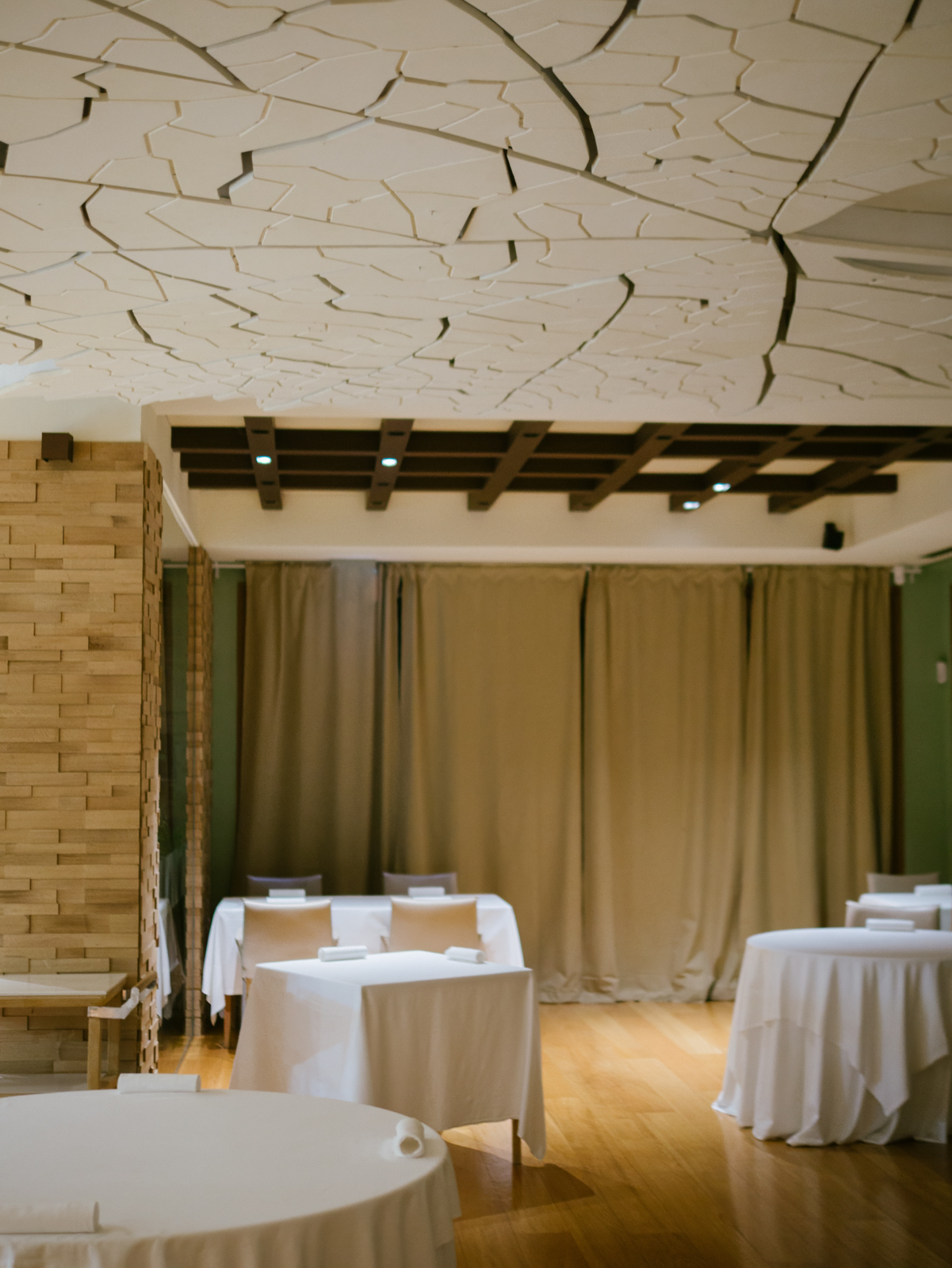
The products of this ultra-short supply chain find their synthesis at Vite, whose dining room opens onto a terrace suspended between rows of vines and the Adriatic, within a rural landscape where wild game, such as hares and wood pigeons, pastures undisturbed in the fields. Since 2023, the kitchen has been led by Palermo-born Giuseppe Biuso (born in 1988), who trained in the brigades of Antonino Cannavacciuolo and Nino Di Costanzo, followed by seven years at the helm of Il Cappero in Vulcano, where he maintained a Michelin Star with creative Aeolian-inspired cuisine.
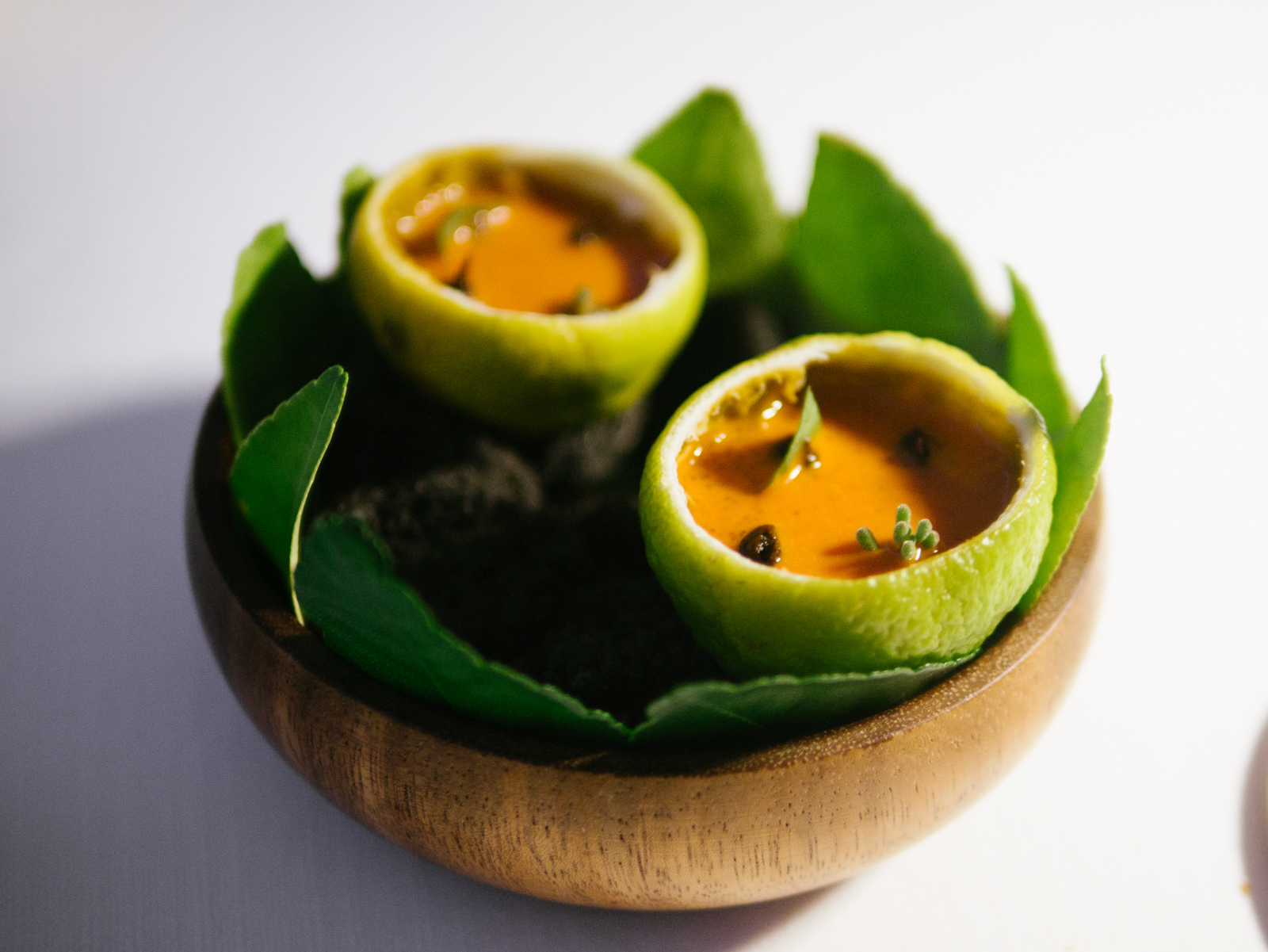
At San Patrignano, the chef's role takes on a dual significance—both technical and pedagogical—integrating high-cuisine discipline with constant hands-on work alongside the residents. Biuso’s Sicilian heritage emerges in a refined focus on citrus notes, rooted in an indelible childhood memory. "I practically grew up eating lemon and salt from a very young age," he explains, "and that aroma remained etched in my palate's memory." Upon arriving here, he discovered a passion for cultivation, which he enjoys sharing with his kitchen team. They study different citrus varieties, such as Zagara, Meyer, and Lunario lemons—currently planted in pots lined up on the lawn just outside the kitchen, awaiting transfer to a dedicated greenhouse. This structure will complement the existing vegetable garden that already provides vegetables—including zucchini, tenerumi (zucchini shoots), and fresh herbs—covering roughly thirty percent of the kitchen's needs. It is a botanical pursuit that the chef personally oversees alongside the community's youth, following the plants throughout their entire life cycle through grafting and cuttings, thus closing a harmonious circle between the land, vocational training, and fine dining.
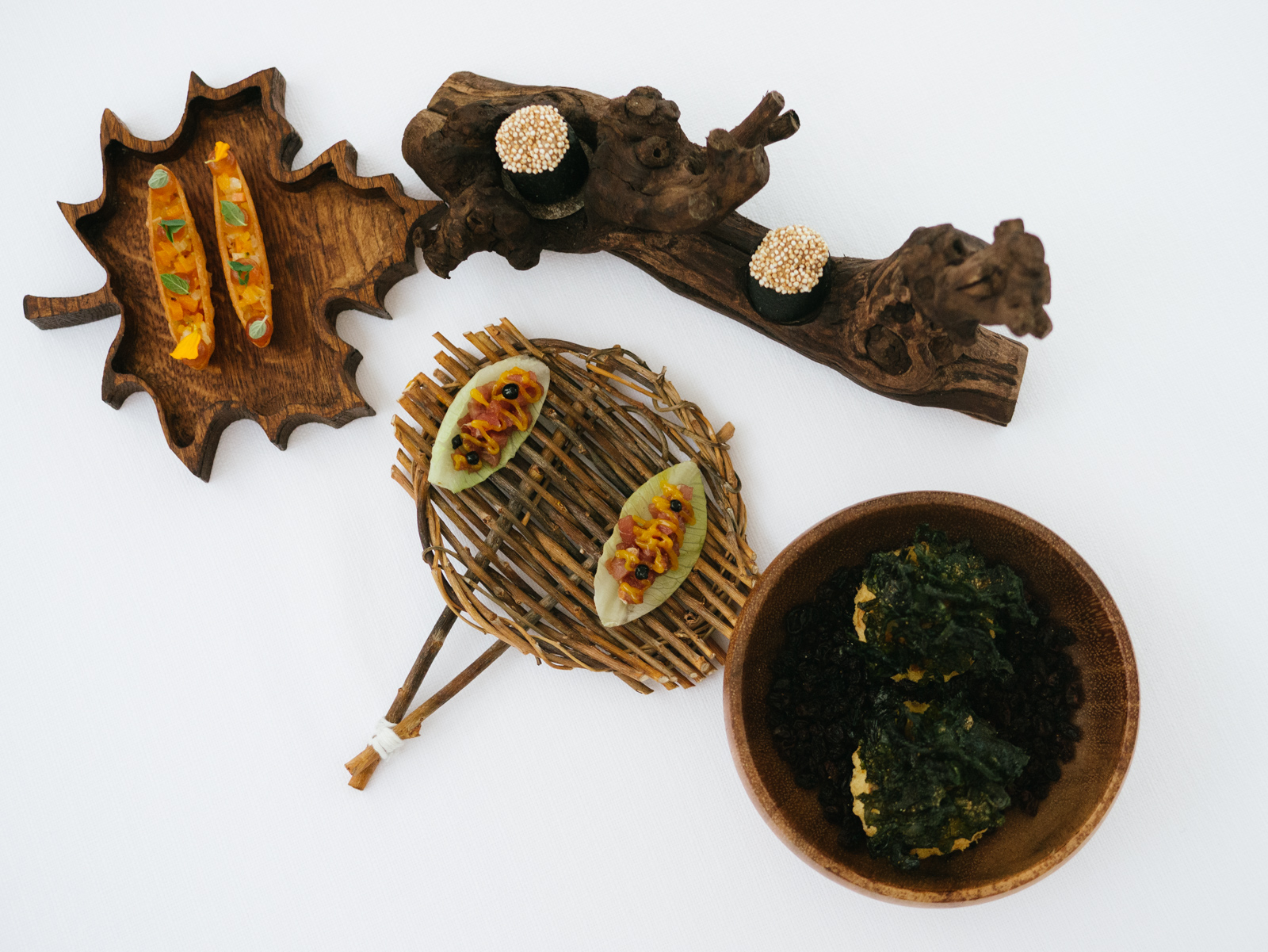
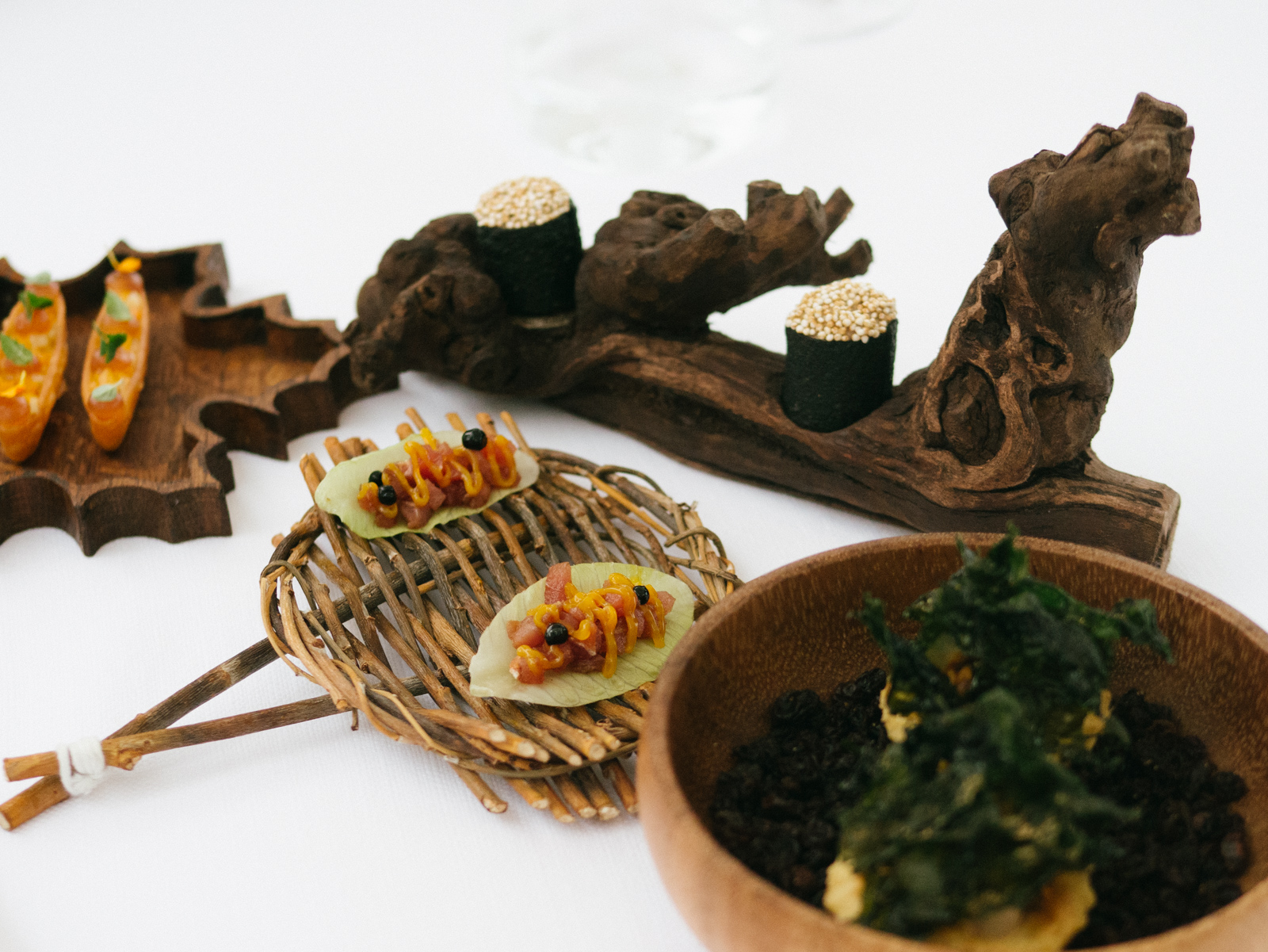
This connection with raw ingredients finds immediate expression at the table, where four stands sculpted from wood and grapevine roots hold the opening sequence of amuses-bouches:
Leek boat, grilled giardiniera, and raspberry pickle, defining smoked vegetable notes reinterpreted through the clean sharpness of an acidic marinade.
Nori seaweed cannolo, veal tartare, black garlic sauce, and puffed millet: a savory, mineral bite softened by the sweet fermentation of the garlic and driven by the crunch of the grain.
Baby lettuce with tuna tartare, ponzu sauce, egg yolk, and balsamic vinegar spheres, playing on the bitterness of the leaf and the acidic turns of citrus.
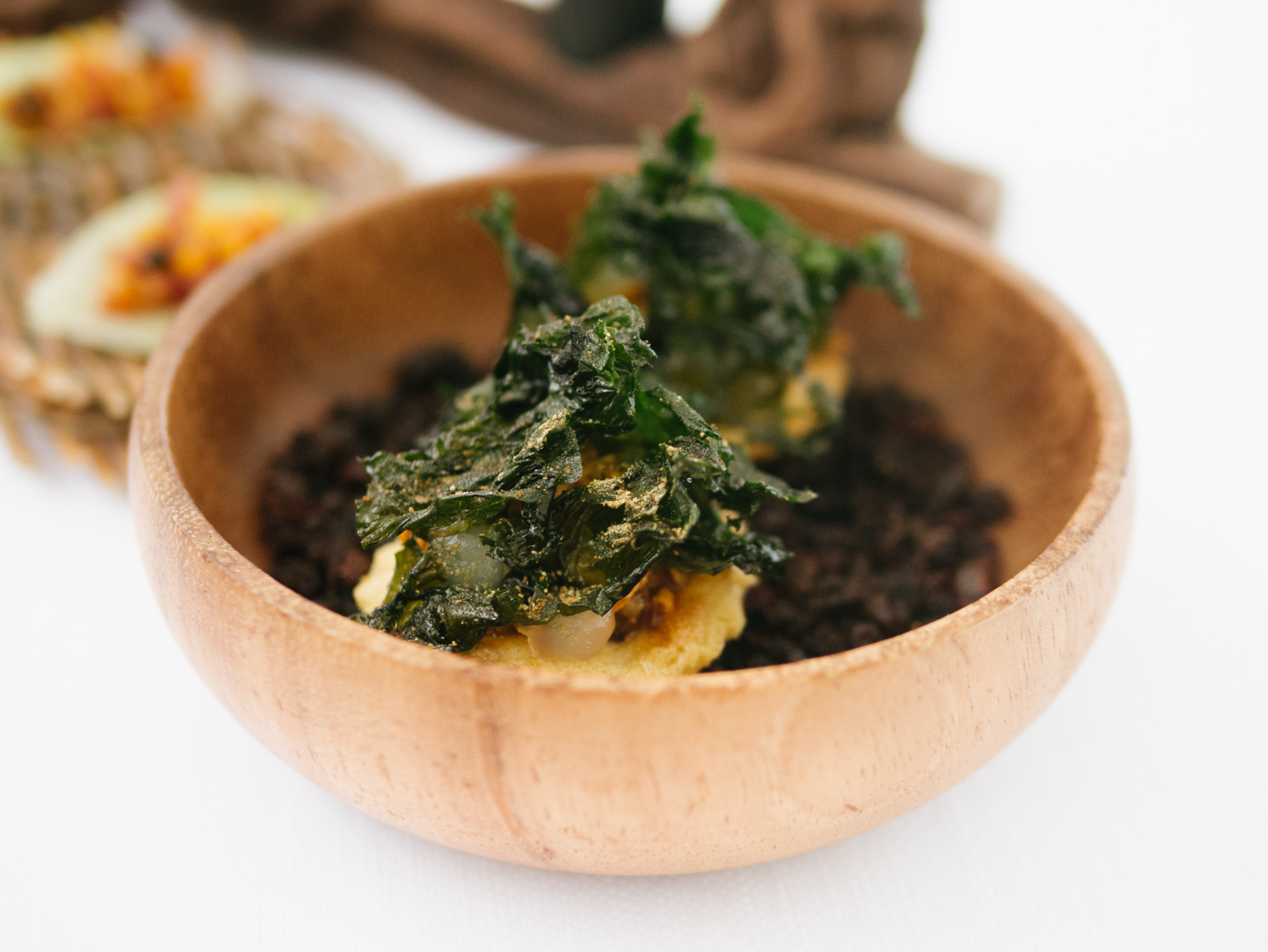
Chickpea panella, tandoori masala mussel scapece, and lemon gel, where the memory of Palermitan street food meets the iodized notes of the shellfish and the punch of Indian spices.

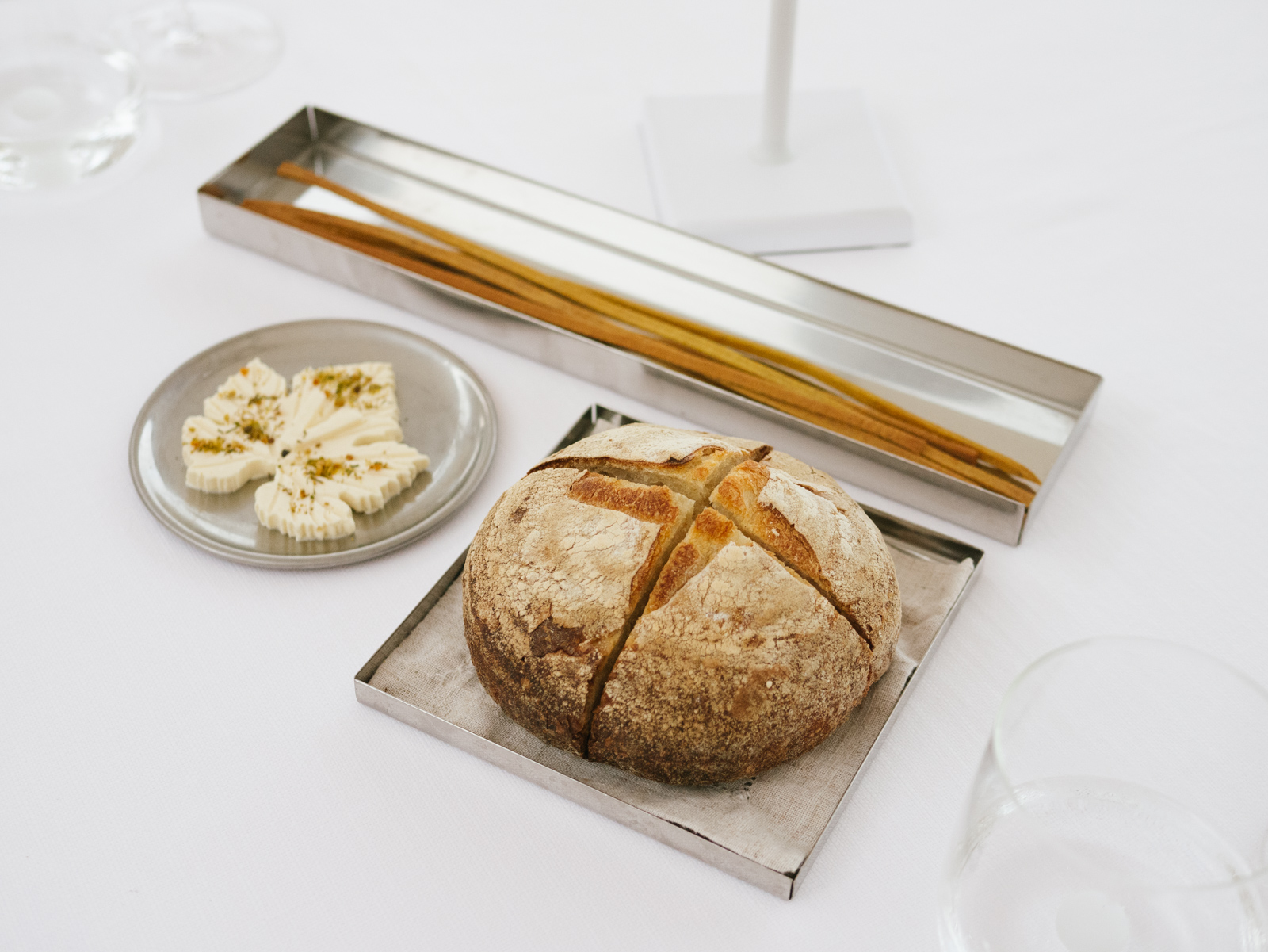
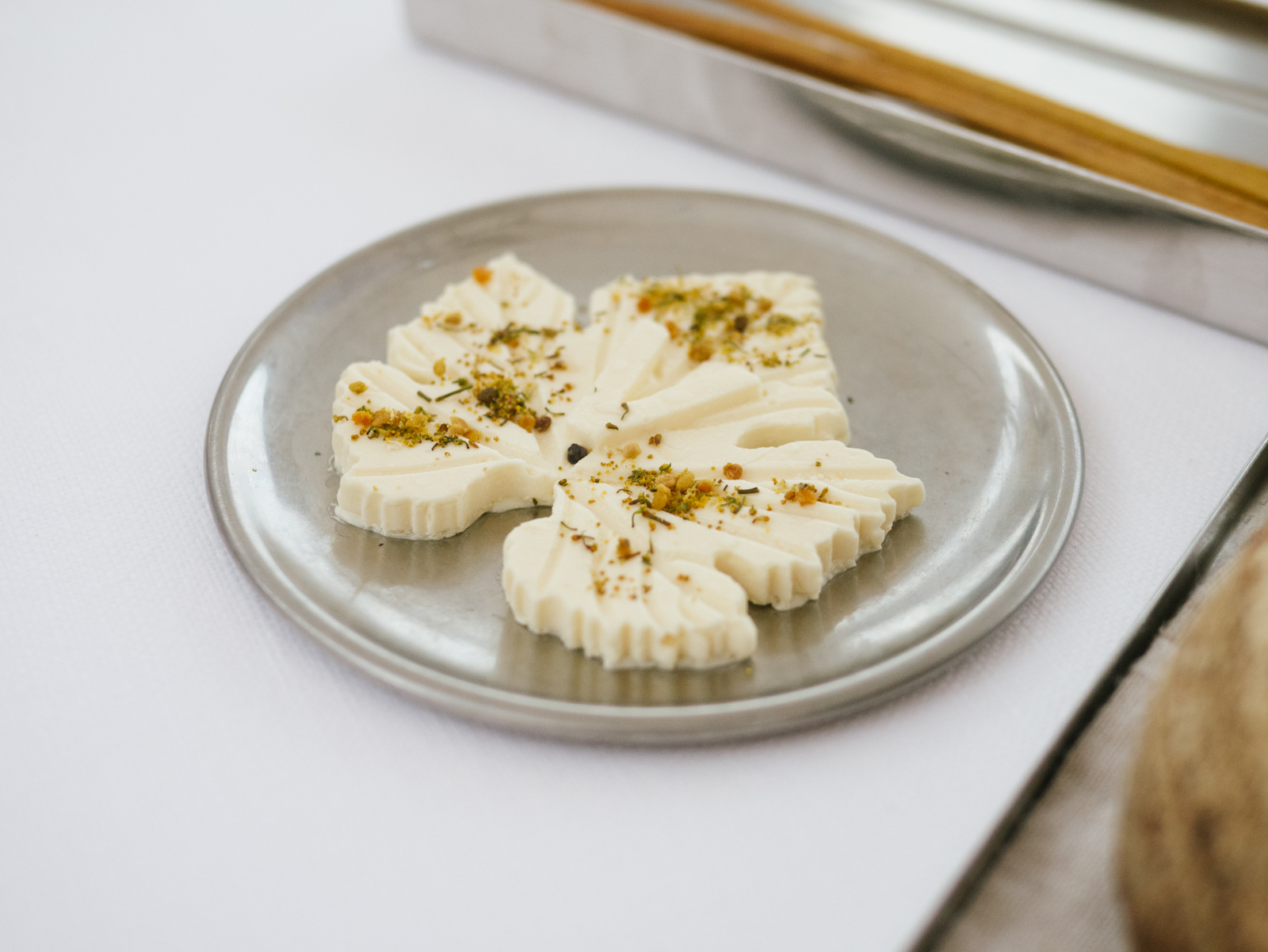
For the bread service—featuring sourdough durum wheat bread and masala breadsticks—traditional butter is brilliantly replaced by San Patrignano Squacquerone cheese infused with miso and flower pollen, giving the Romagna dairy base an unprecedented umami and plant-forward depth. Impossible not to finish.
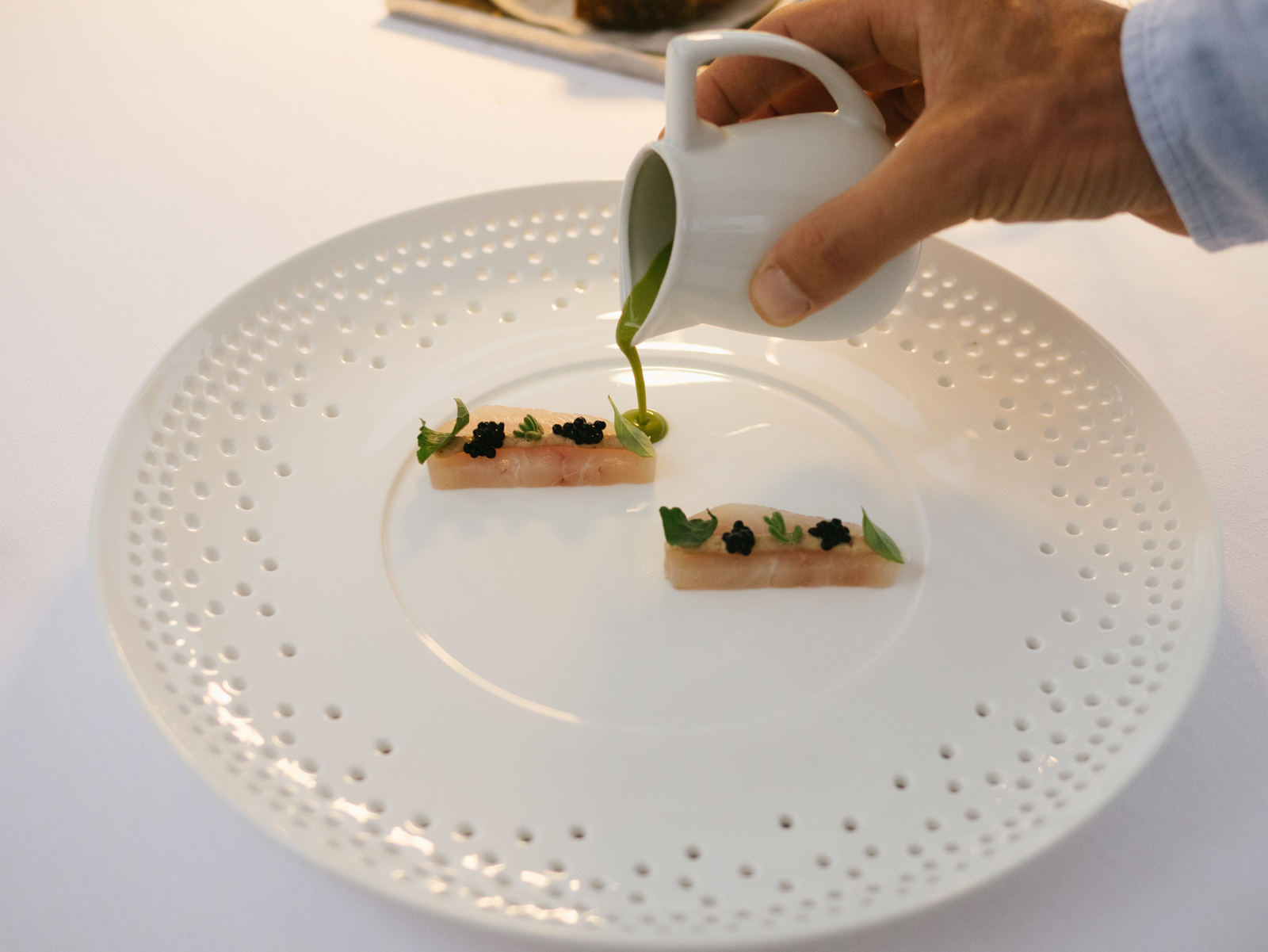
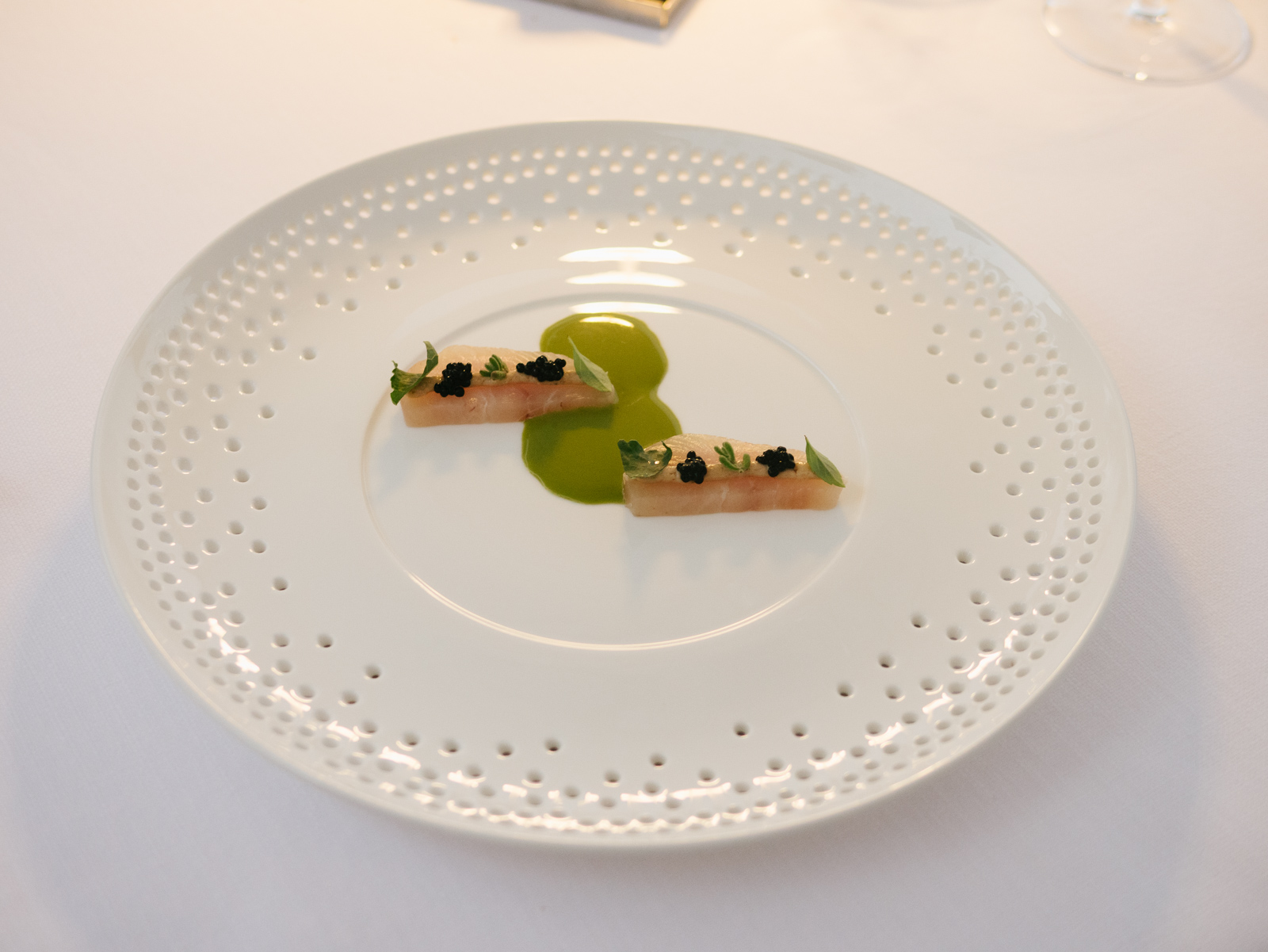
The marinated amberjack, bottarga aioli, smoked caviar, lime kosho, and green mole has a complex yet clean structure, where the Mexican sauce guides a spicy freshness against the rich, oceanic tones of the dish.
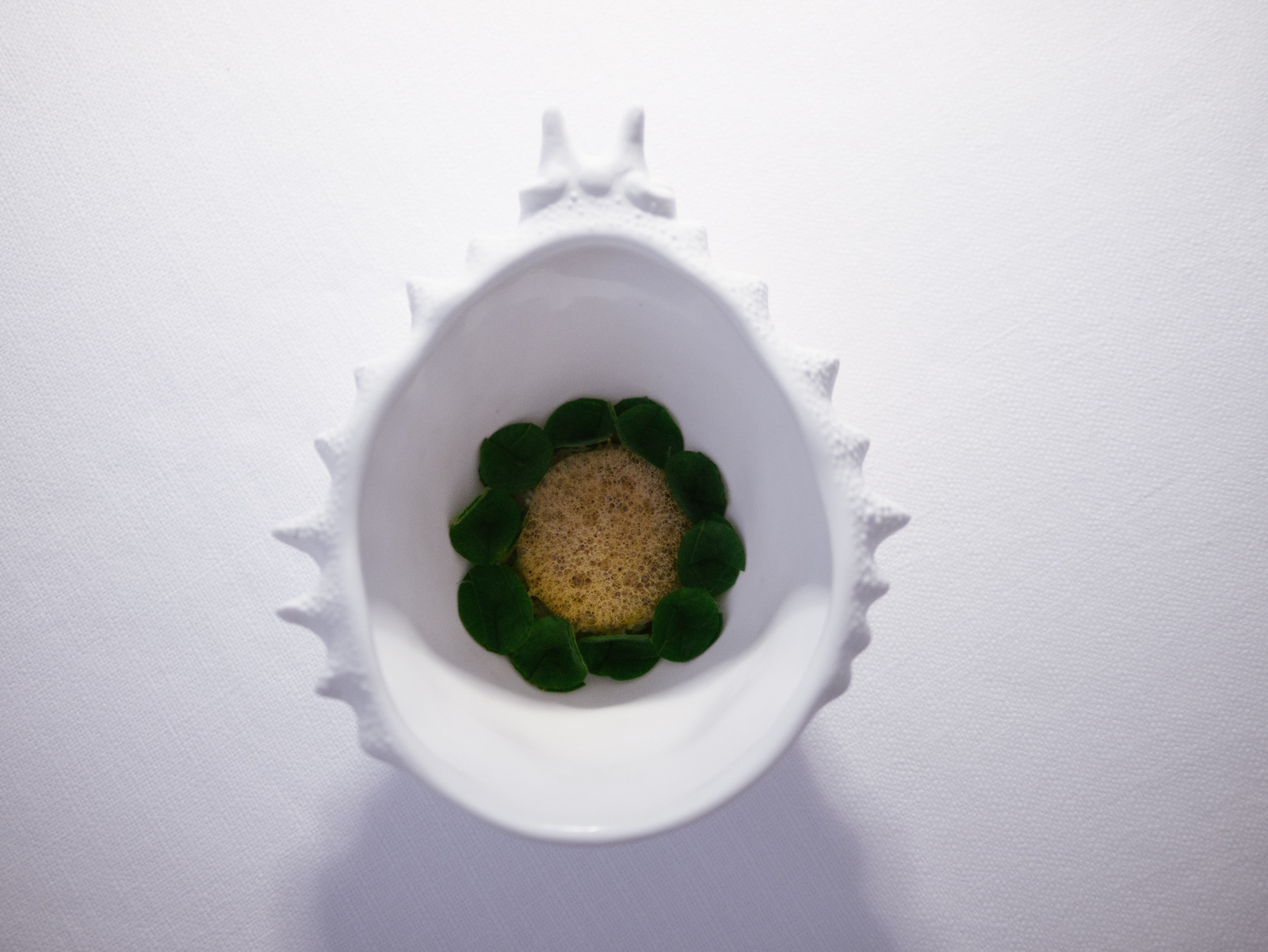
A dual reading of crustacean meat and zucchini shoots appears in the crab with curry sauce, tenerumi, and kaffir lime, paired with a tenerumi chawanmushi and crab vinaigrette that balances its sweetness through the creaminess of the savory custard.
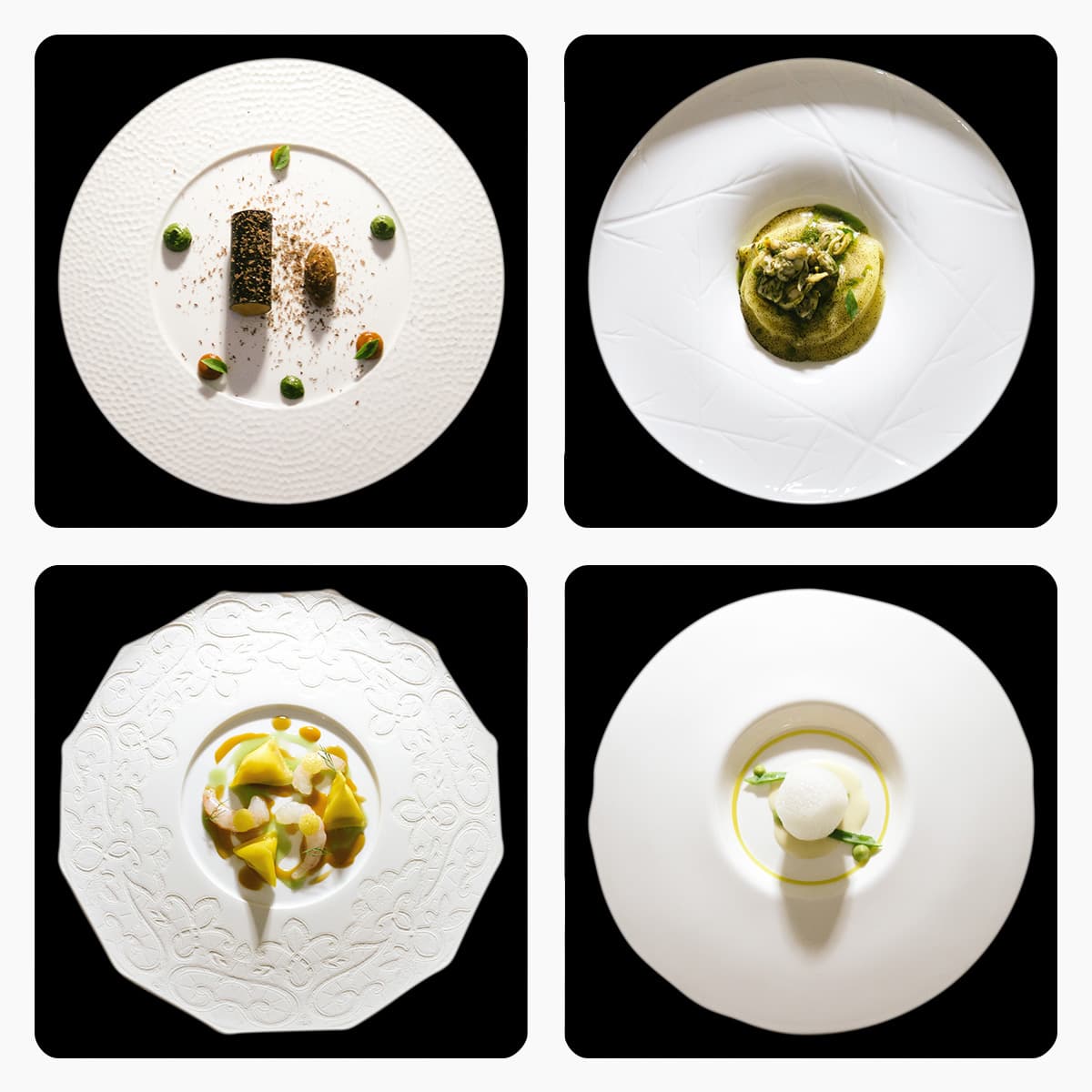
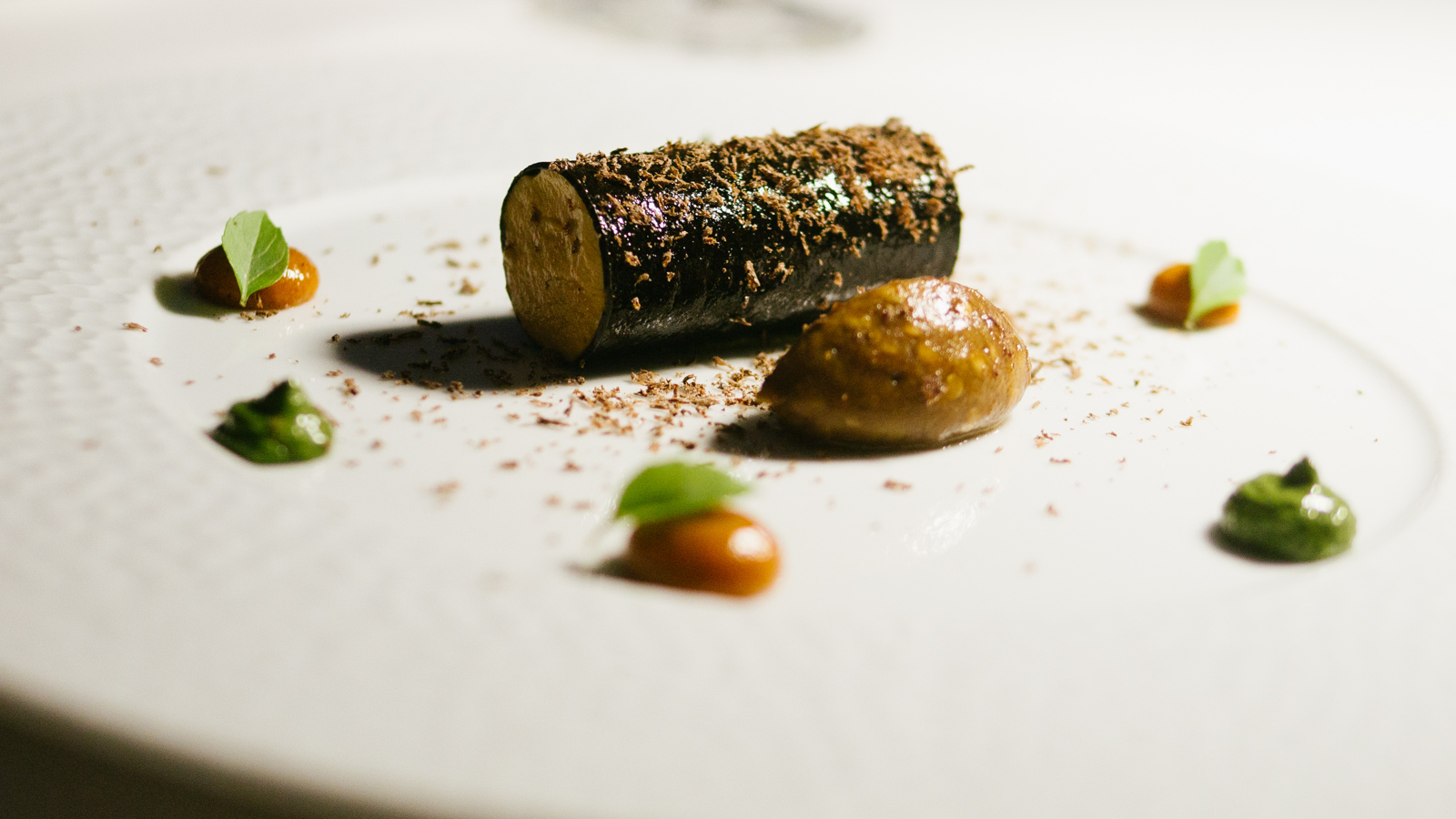
The eggplant cannolo, basil, and roasted siccagno tomato is the chef's signature classic, finding an essential, mineral counterpoint in a final grating of Modica chocolate.
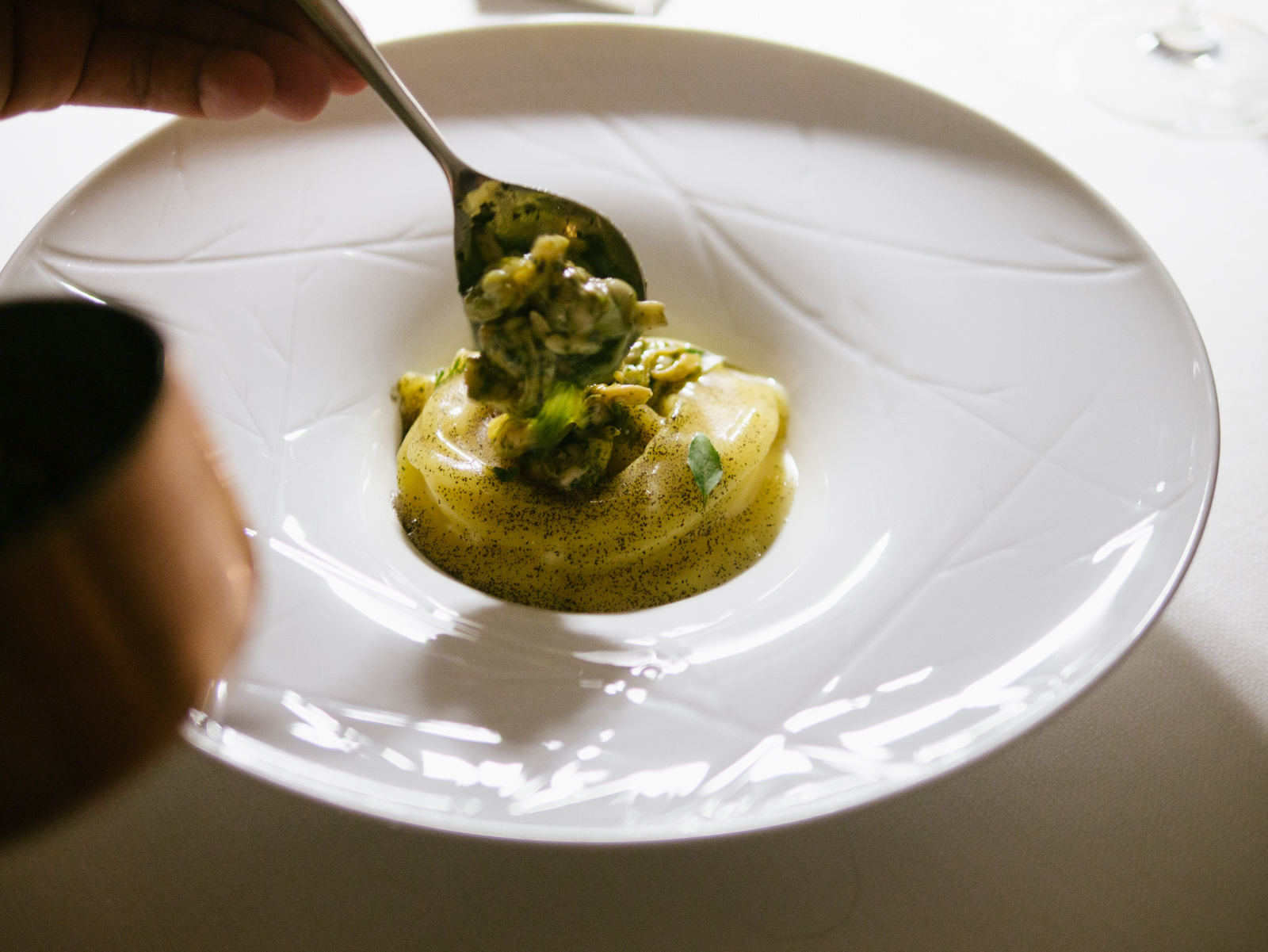
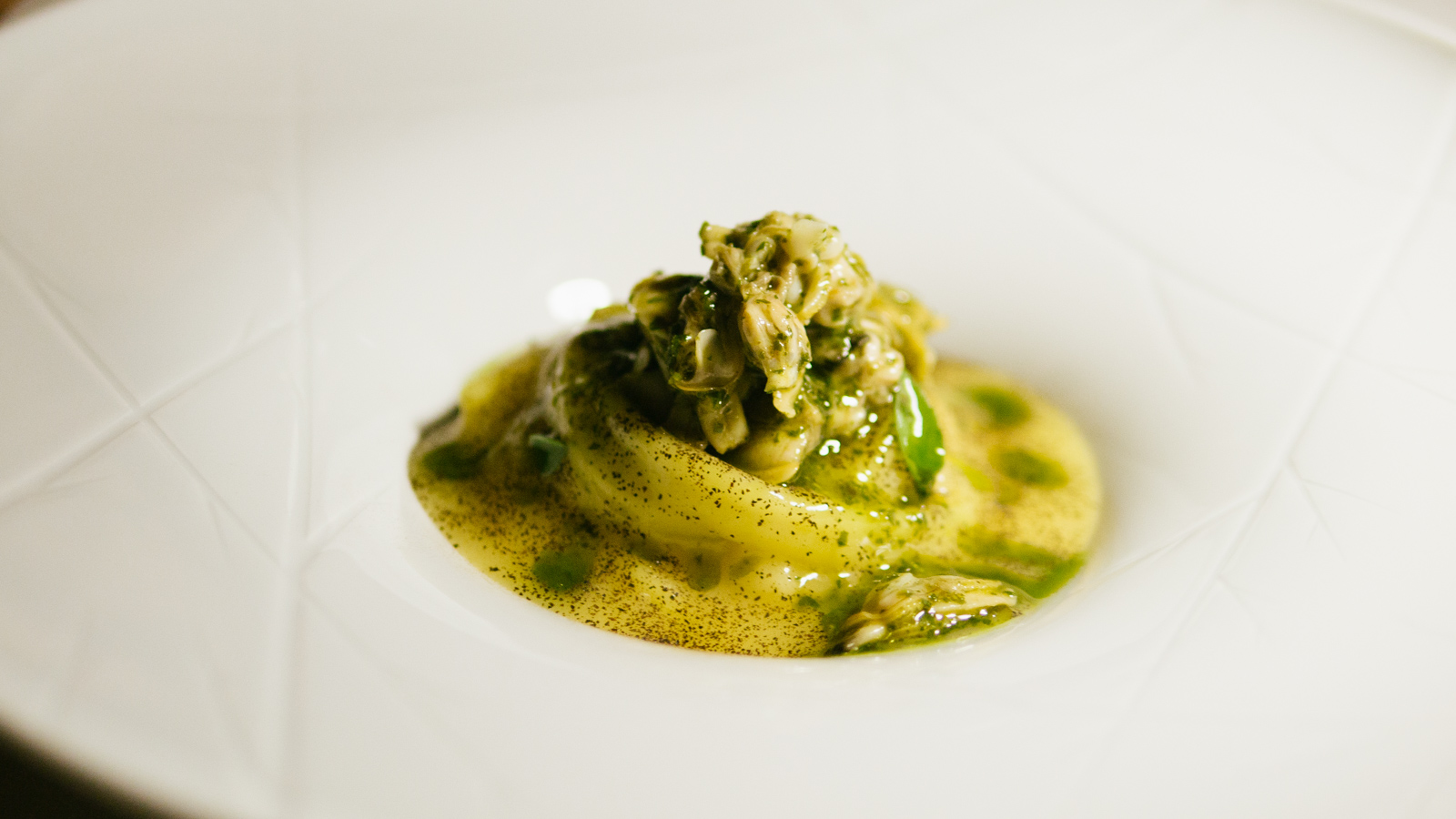
Served cold, the house-extruded spaghetto with yuzu and Lapsang Souchong tea sustains the briny profile of clams in salmoriglio, thanks to the smoky notes of the tea infusion and the acidity of the citrus.
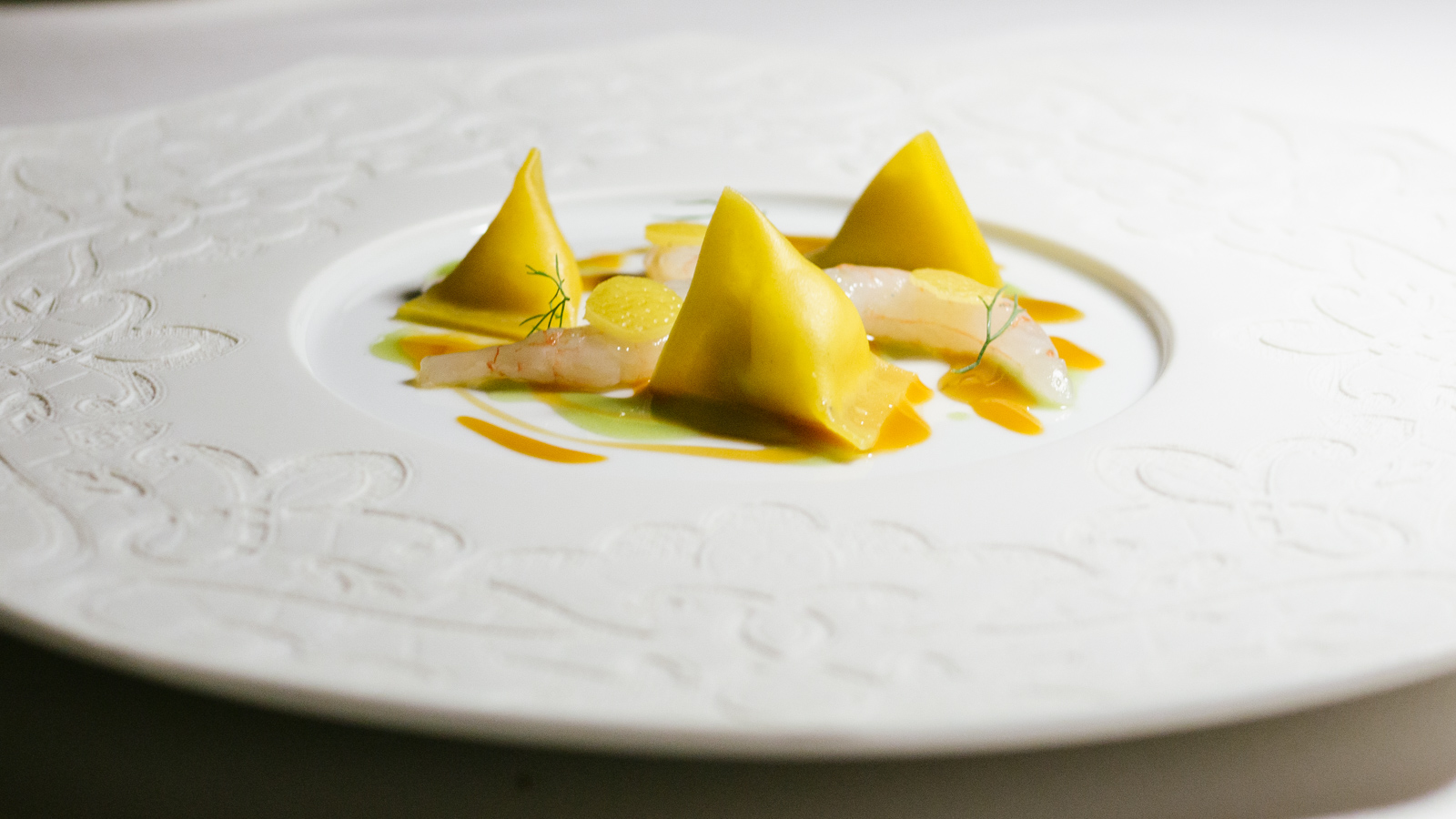
The roasted San Patrignano pecorino dumpling (fagottino) with red deep-water shrimp (gambero gobbetto), salted citron, and wild fennel is a brilliant synthesis of land and sea, uniting the richness of raw crustacean with citrus sharpness and a concentrated beef reduction.
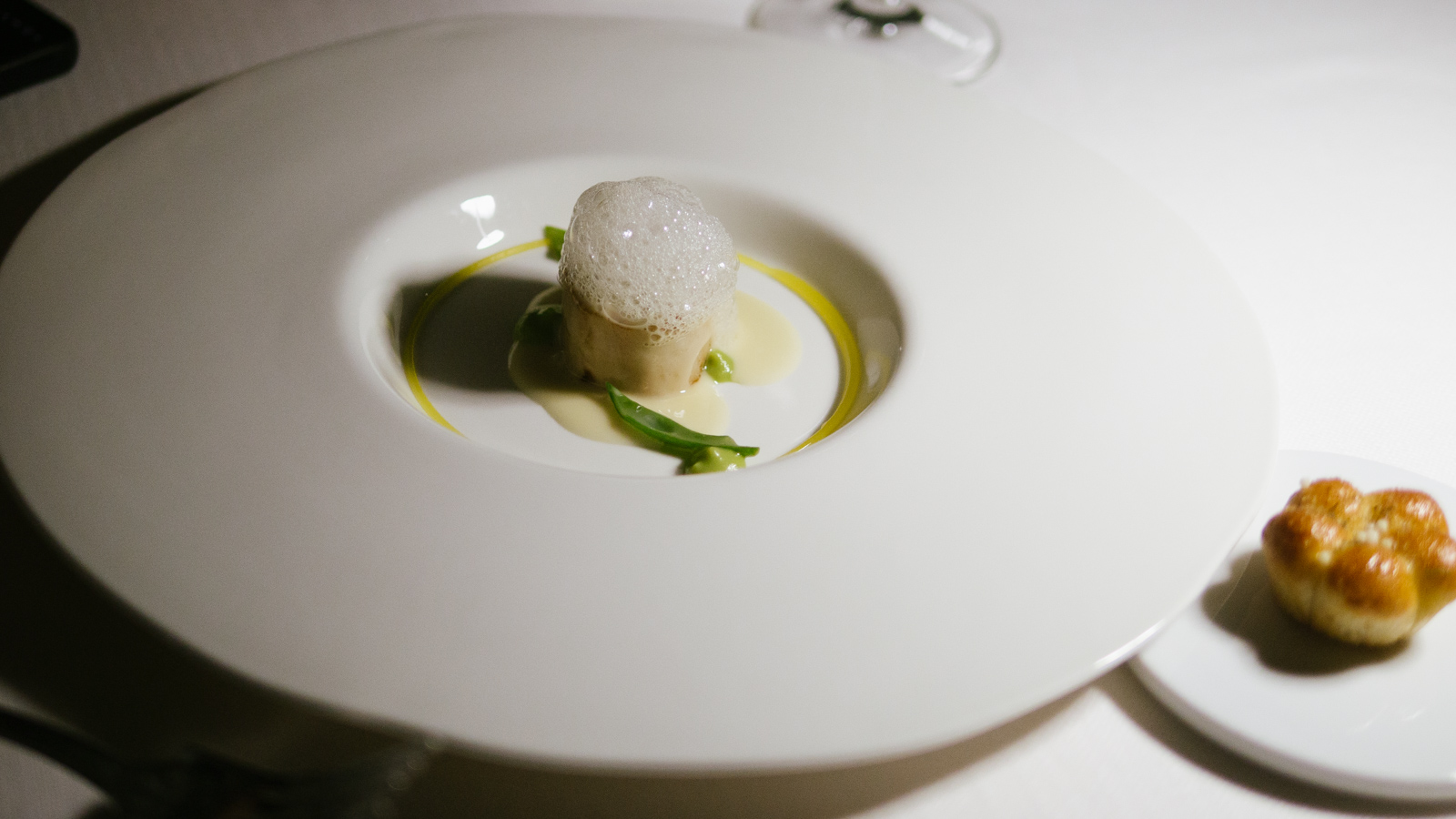
The Sicilian heritage echoes in the braised red seabream with dashi beurre blanc, calamansi, and green beans. The firm flesh of the fish is seasoned with traditional porchetta spices and served with a brioche glazed in its own fat and herbs—perfect for wiping the plate clean (fare la scarpetta).
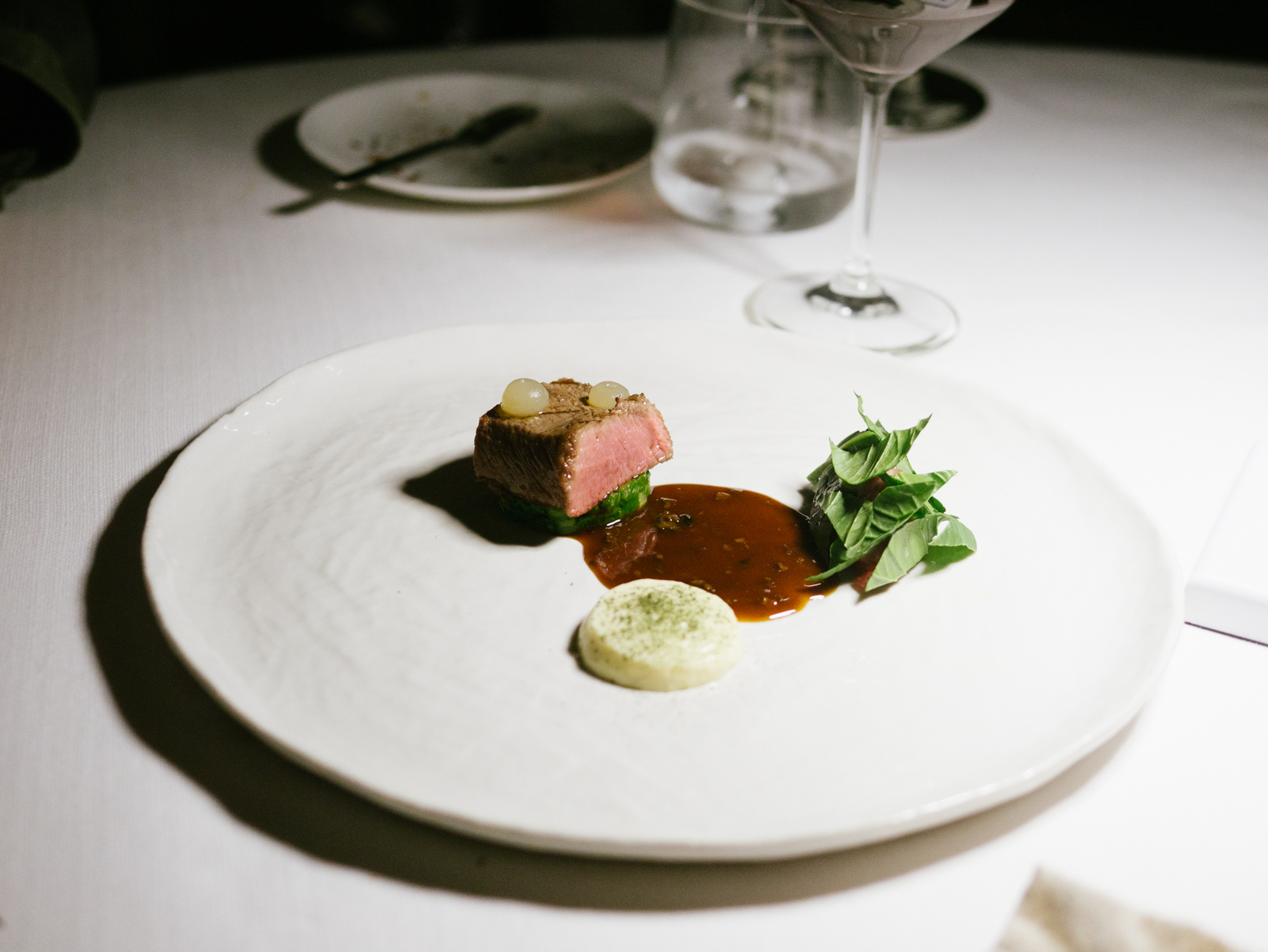
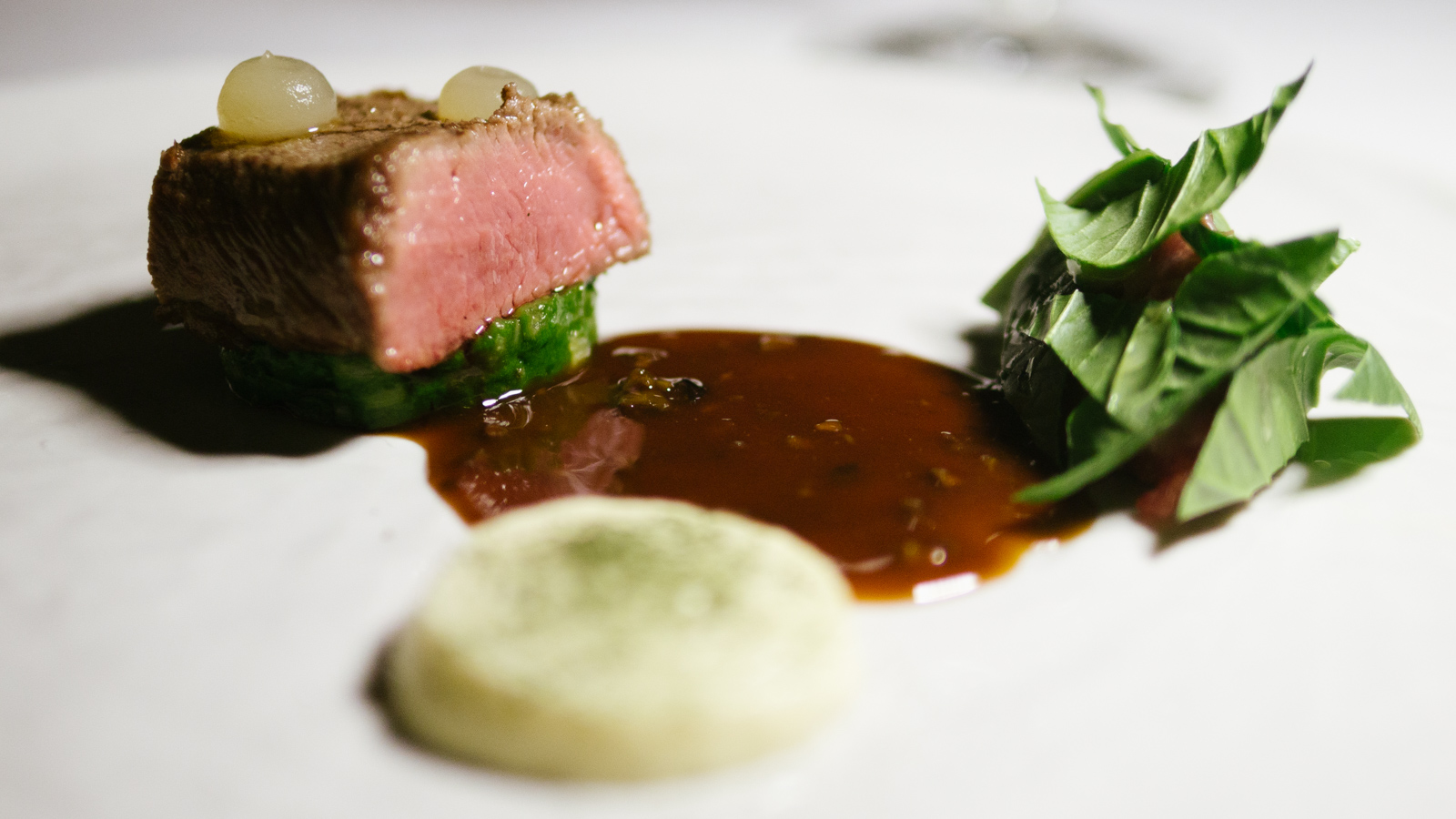
Preceded by a bite of pure mutton tartare to showcase the quality of the raw ingredient, the grilled mutton loin with pak choi, bergamot foam, and black olive reduction works on the primal power of live fire, balanced by citrus undertones.
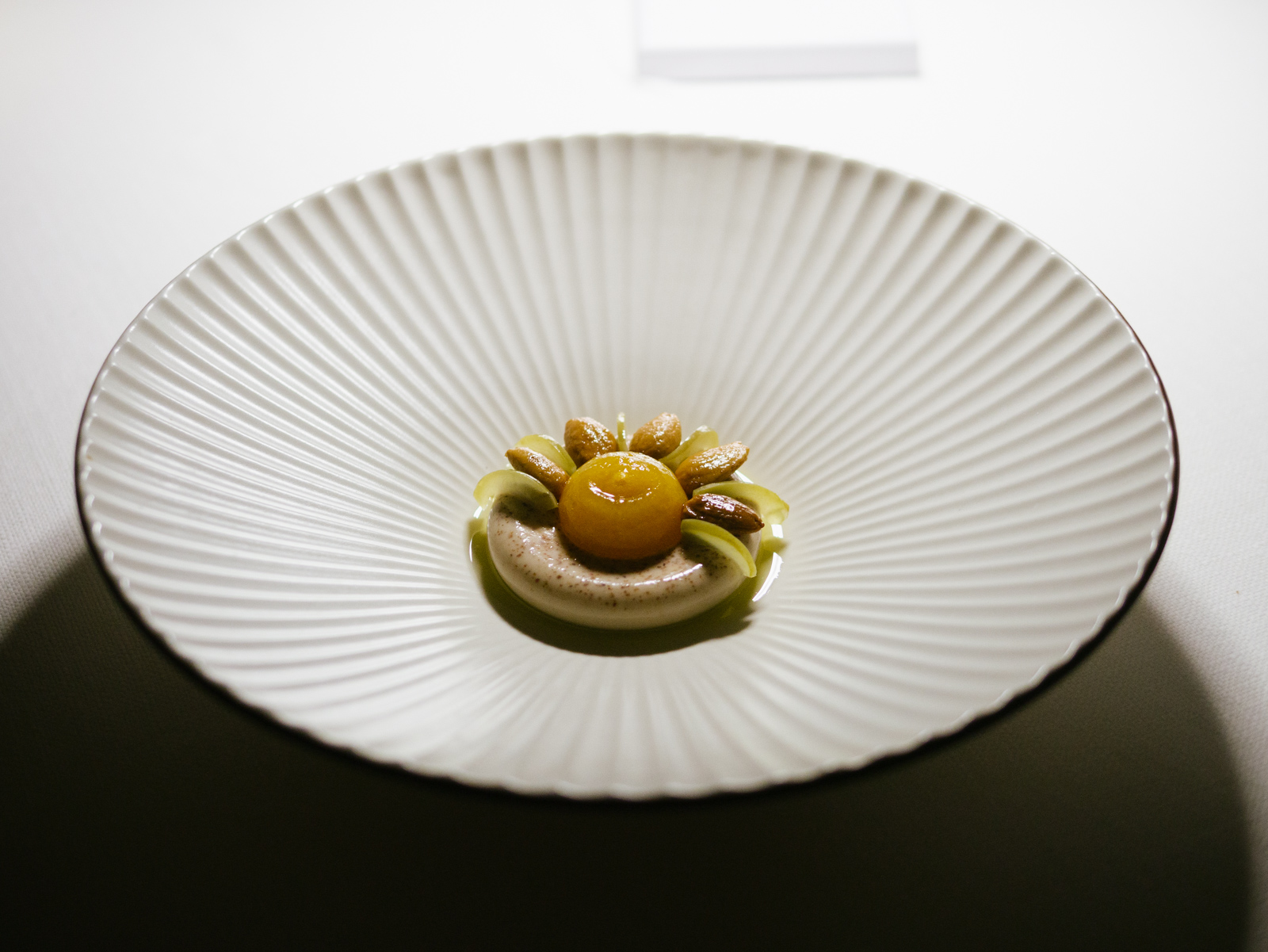
A contemporary take on the island's traditional dessert, the blancmange with green and roasted almonds, passionfruit sphere, and Nocellara extra virgin olive oil plays on a tropical pivot paired with an herbaceous, peppery olive oil finish.
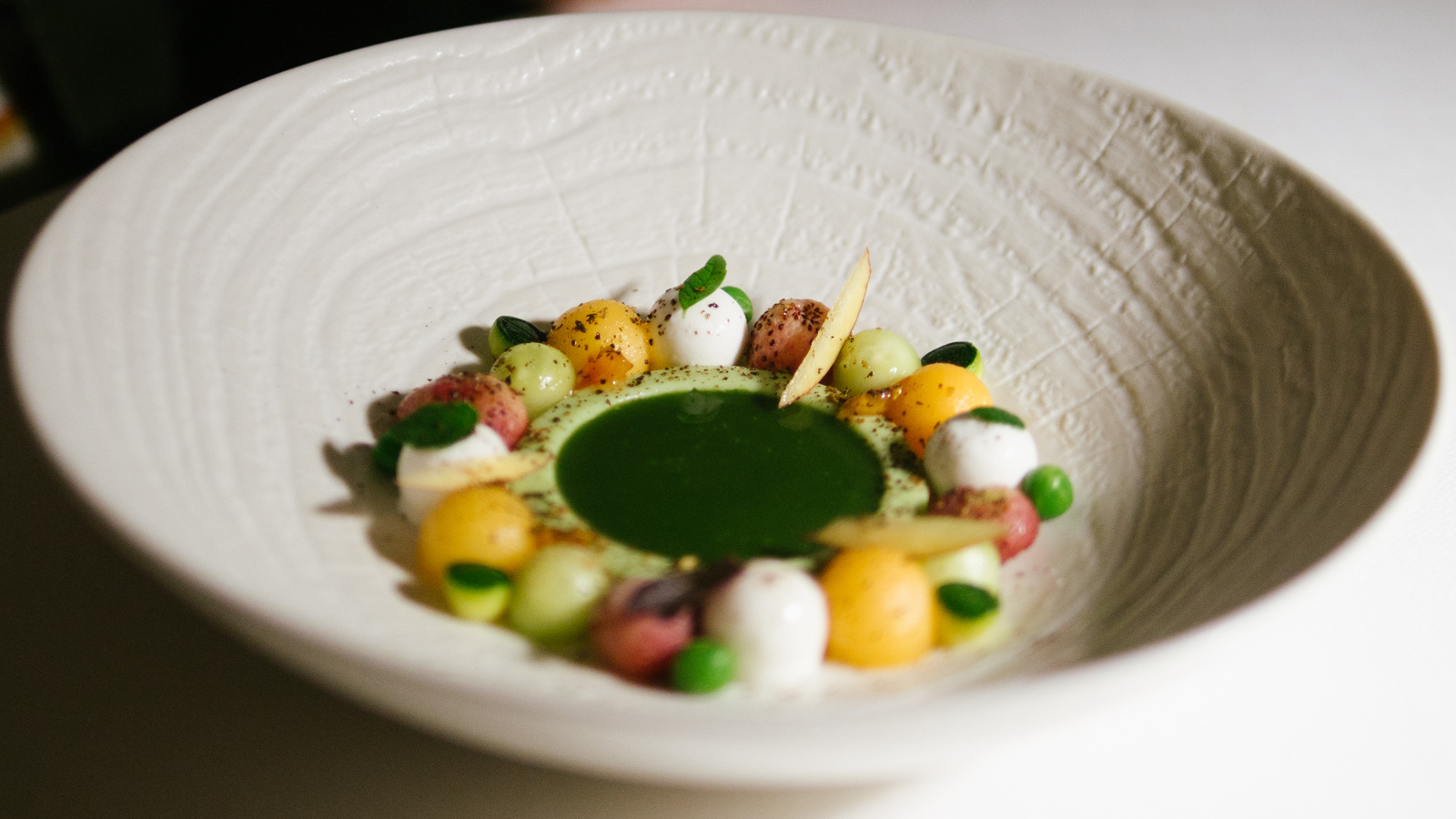
Marinated fruits and vegetables, lemon gelato, pea namelaka, and mint soup offer a refreshing transition that blurs the boundary between the produce garden and pastry creation.
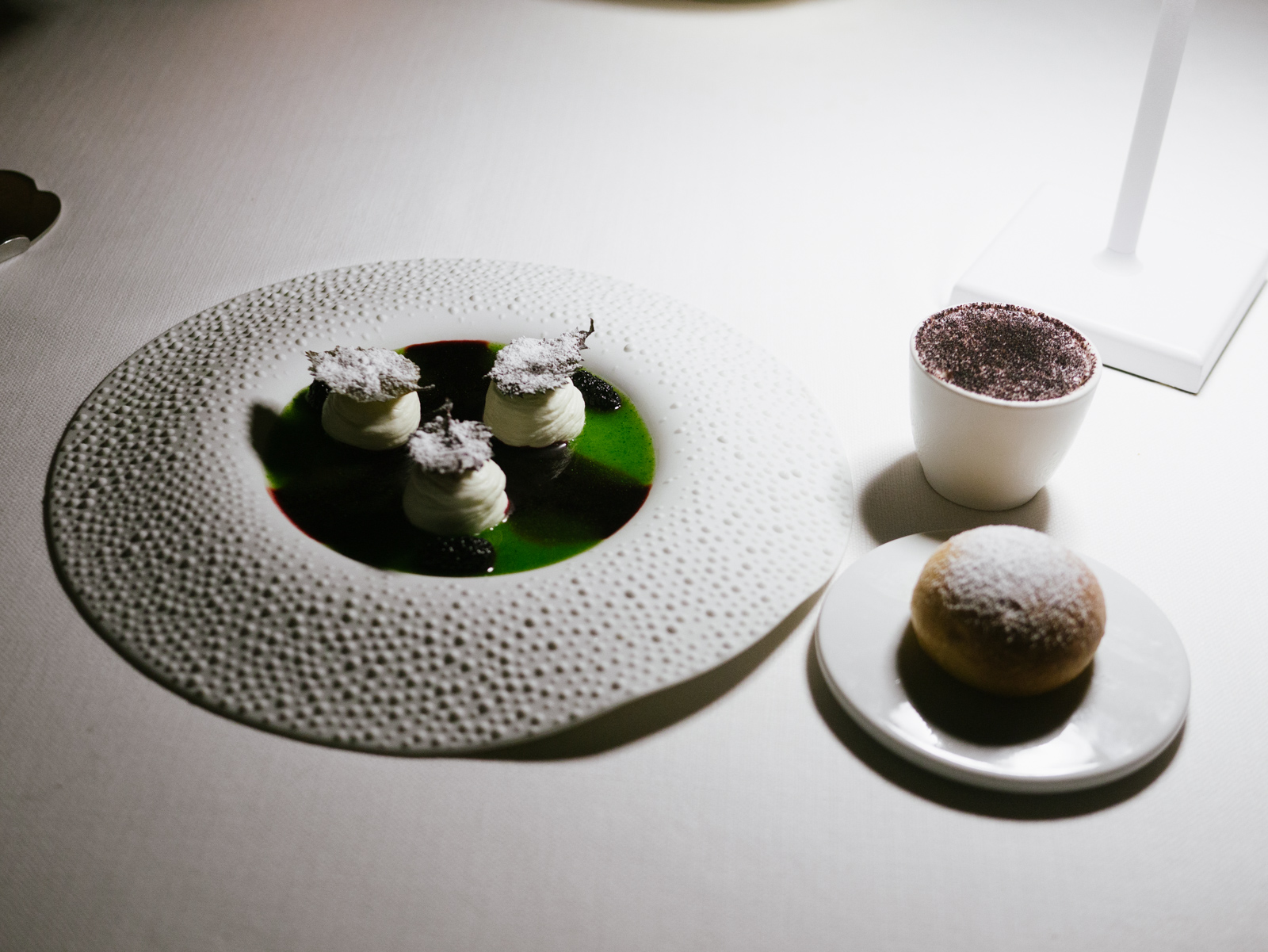
Local blue cheese transitions to the sweet spectrum in a cheese foam with mulberry granita and shiso, cut through by the tart chill of blackberry and balanced by a mandarin brioche for dipping.
The farewell to the meal is entrusted to an essential, cold, and thirst-quenching note: a blood orange and verbena lollipop.