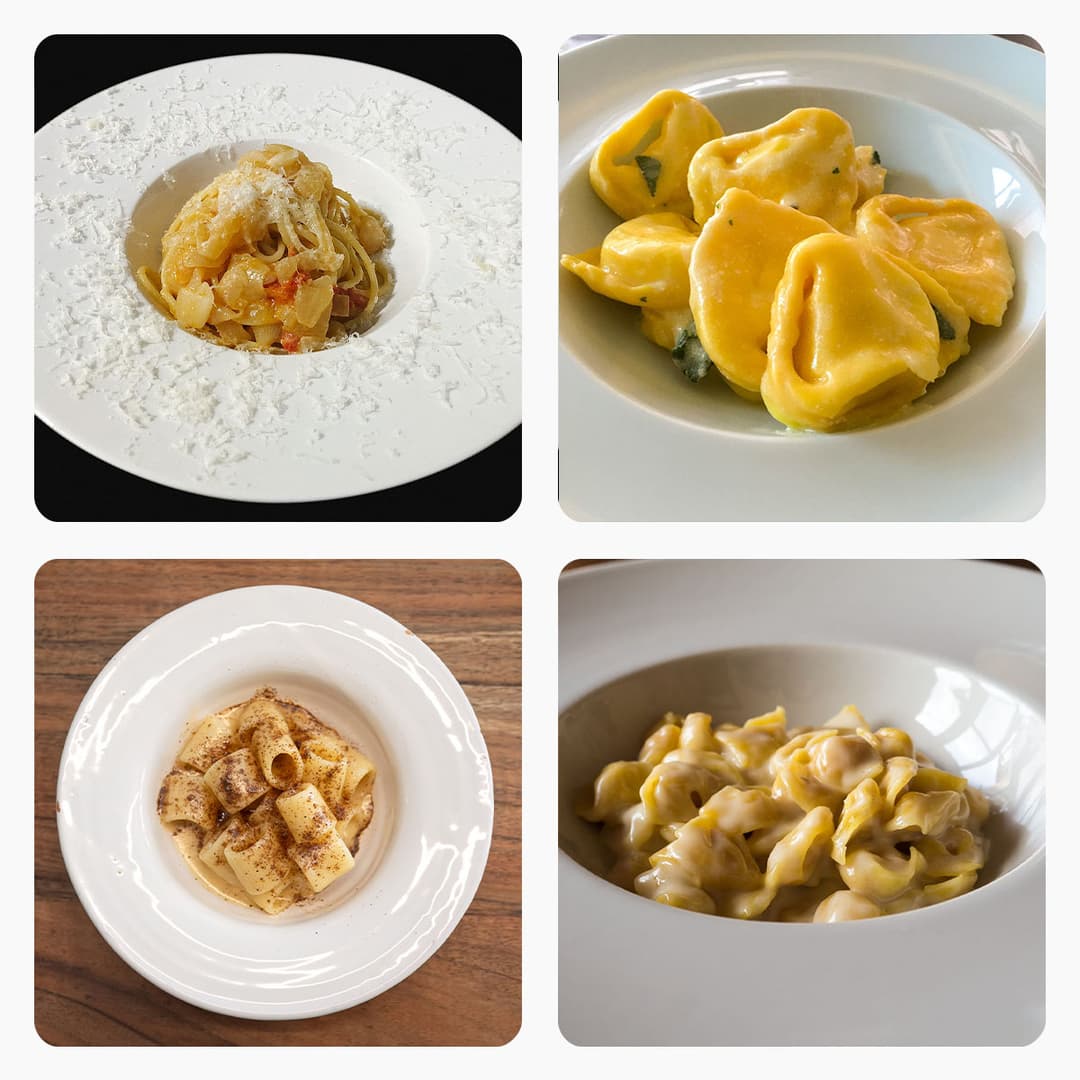

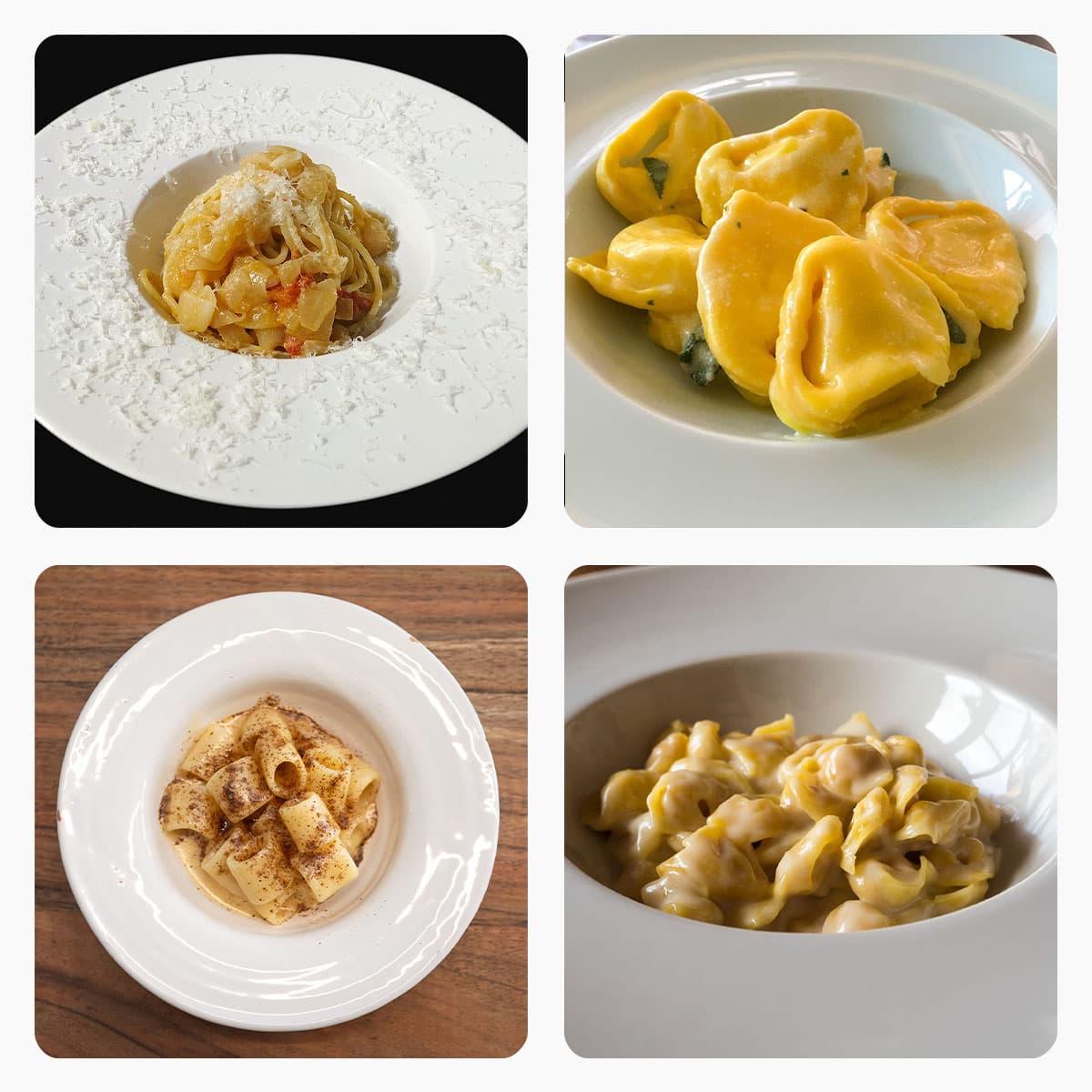

The Olympic Games have only just begun, but athletes from all over the world have already expressed their appreciation for the host nation—at least when it comes to what they eat between training sessions, as reported by The New York Times.
More than a thousand years ago, the populations of the Italian peninsula developed a taste for dried strips of wheat introduced to the region by Arab merchants. Over the following centuries, Italians cultivated, refined, and transformed them into the staple now loved worldwide that we know as pasta.
Today, Olympic athletes are among the most voracious consumers and enthusiastic fans of this food, relying on a carbohydrate-rich staple to support their performance goals. Even as nutritional science continues to evolve, pasta remains as ubiquitous in sports as any energy drink. It comes as no surprise, then, that the idea of carb-loading this month during the Winter Games—hosted in the spiritual homeland of pasta—has already made many Olympians' mouths water.
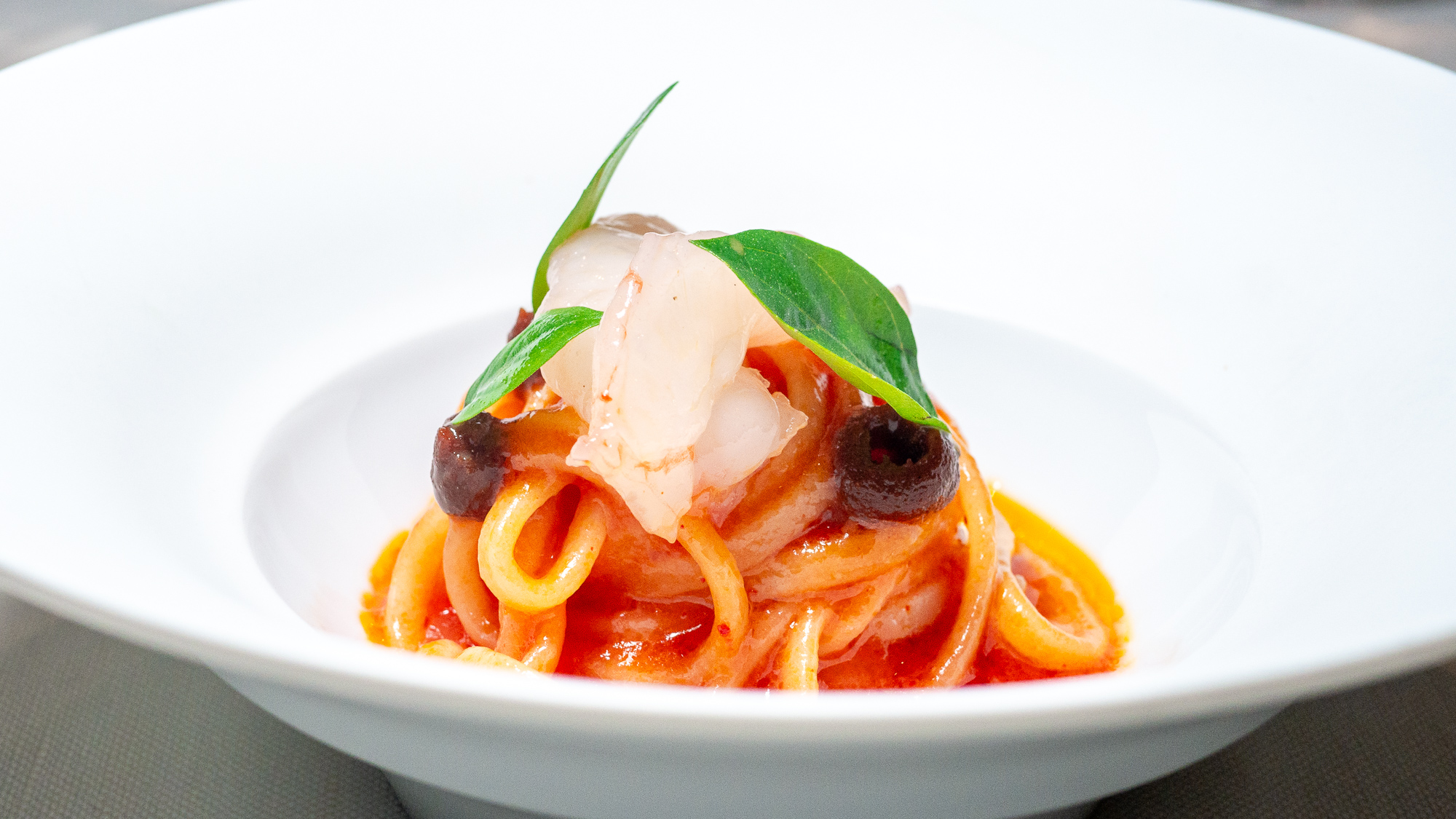
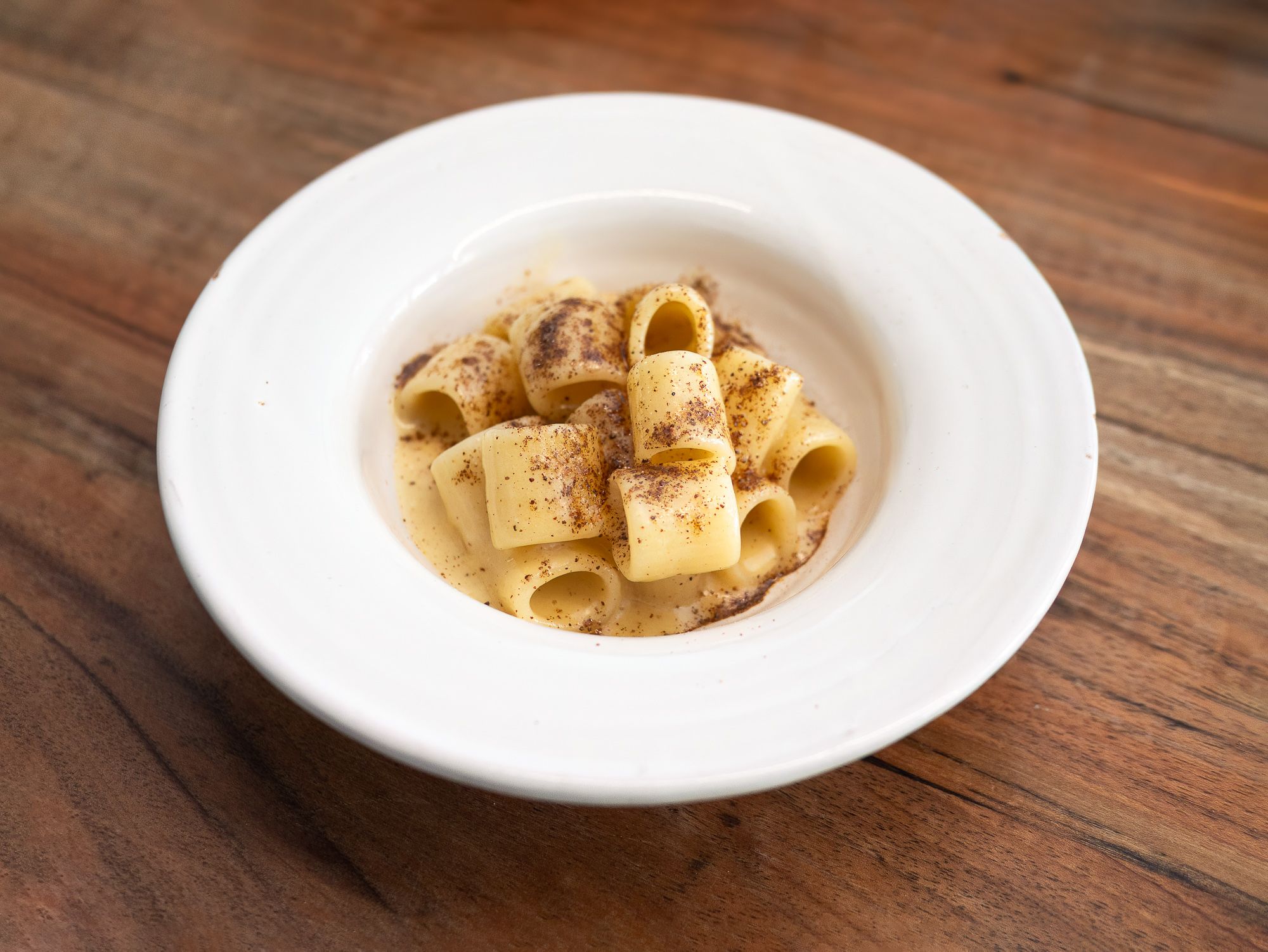
“I’m a pasta girl, so I’m super excited,” said Mystique Ro, 31, an American skeleton athlete. “Spaghetti is my go-to. Then there’s gnocchi. And I’m a fettuccine girl, too.”
It sounds like a dream: having a hyperactive metabolism and a profession that practically mandates eating mountains of fettuccine. According to Elisabetta Salvadori, head of food & beverage for the Italian Olympic organizing committee, an impressive 600 kilograms (over 1,300 pounds) of pasta will be served every day across the three athlete village dining halls during these Games.
Even the International Olympic Committee wanted to celebrate the iconic food of the Games by introducing a custom pasta shape created for the occasion, inspired by the Olympic rings—a limited-edition product not available for retail sale.
Restaurants have also chosen to highlight the connection between carbohydrates and performance. Miscusi, in central Milan, introduced a special dish for the Games—gnocchi with mushrooms, kale, and walnuts—accompanied by a witty and playful tagline: “Eat pasta, ski fasta!”
Chiedendo ad alcuni olimpionici quali siano, per loro, le paste più grandi di tutti i tempi, abbiamo visto i loro occhi illuminarsi.
Alex Hall, 27, who won a gold medal for the United States four years ago in slopestyle, relies on pasta to fuel long training sessions on the mountain, sometimes even eating it for breakfast. For him, the absolute GOATs are tortellini and farfalle. “You have to cook them fast,” advises Hall, whose mother is originally from Bologna. “And strictly al dente.”
In the past, elite athletes would consume large amounts of protein—like massive steaks—on the eve of a competition. However, this approach began to shift in the 1960s when a group of Swedish scientists discovered the effectiveness of carbohydrates as an energy source. Thus, carbo-loading was born, and pasta quickly conquered the sports world.
Tennis legend Roger Federer famously ate pasta with a light tomato sauce two hours before every match. The Boston Marathon once hosted a pre-race pasta dinner at City Hall, while the New York City Marathon organized one for years at Tavern on the Green in Central Park.
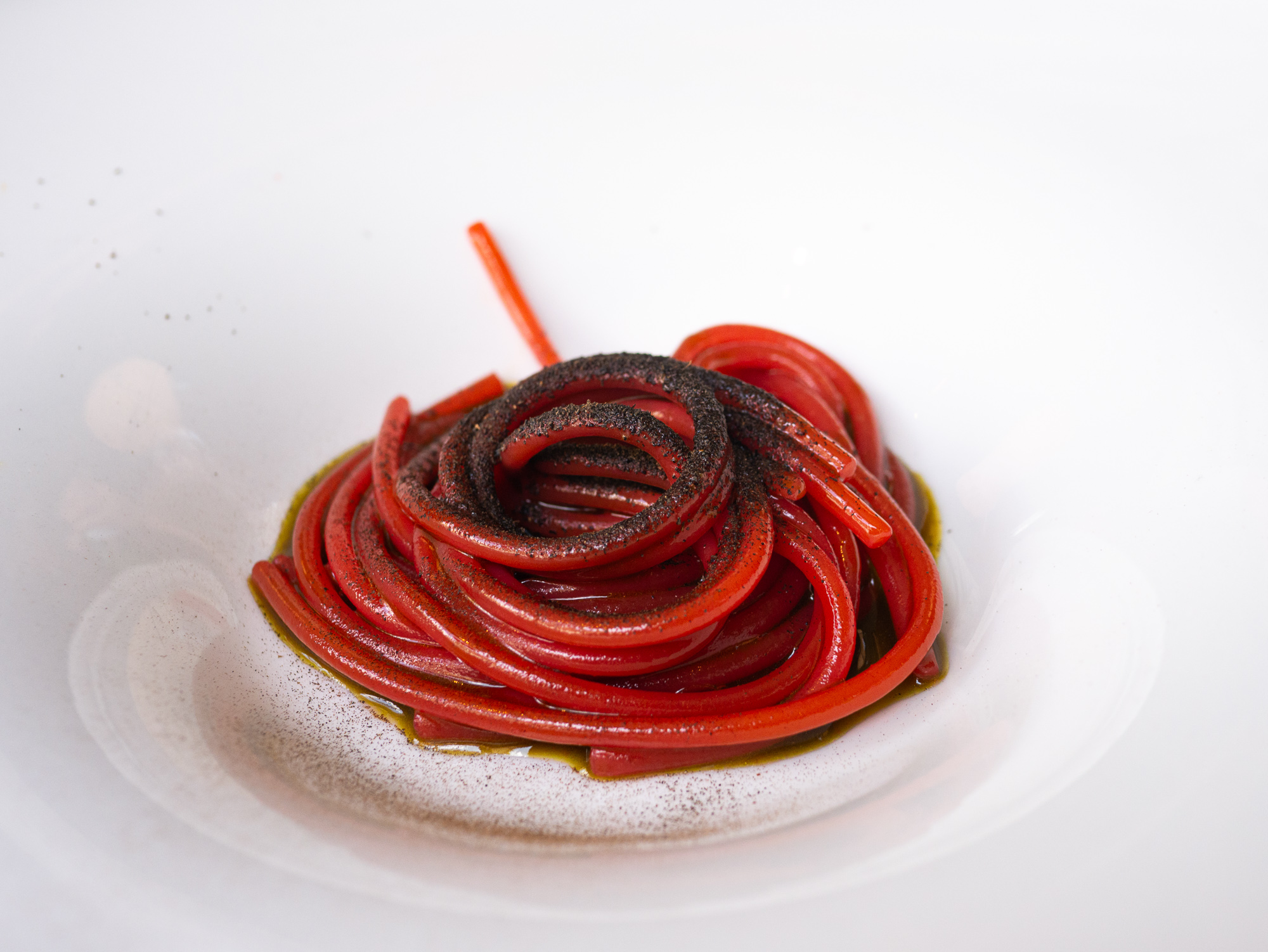
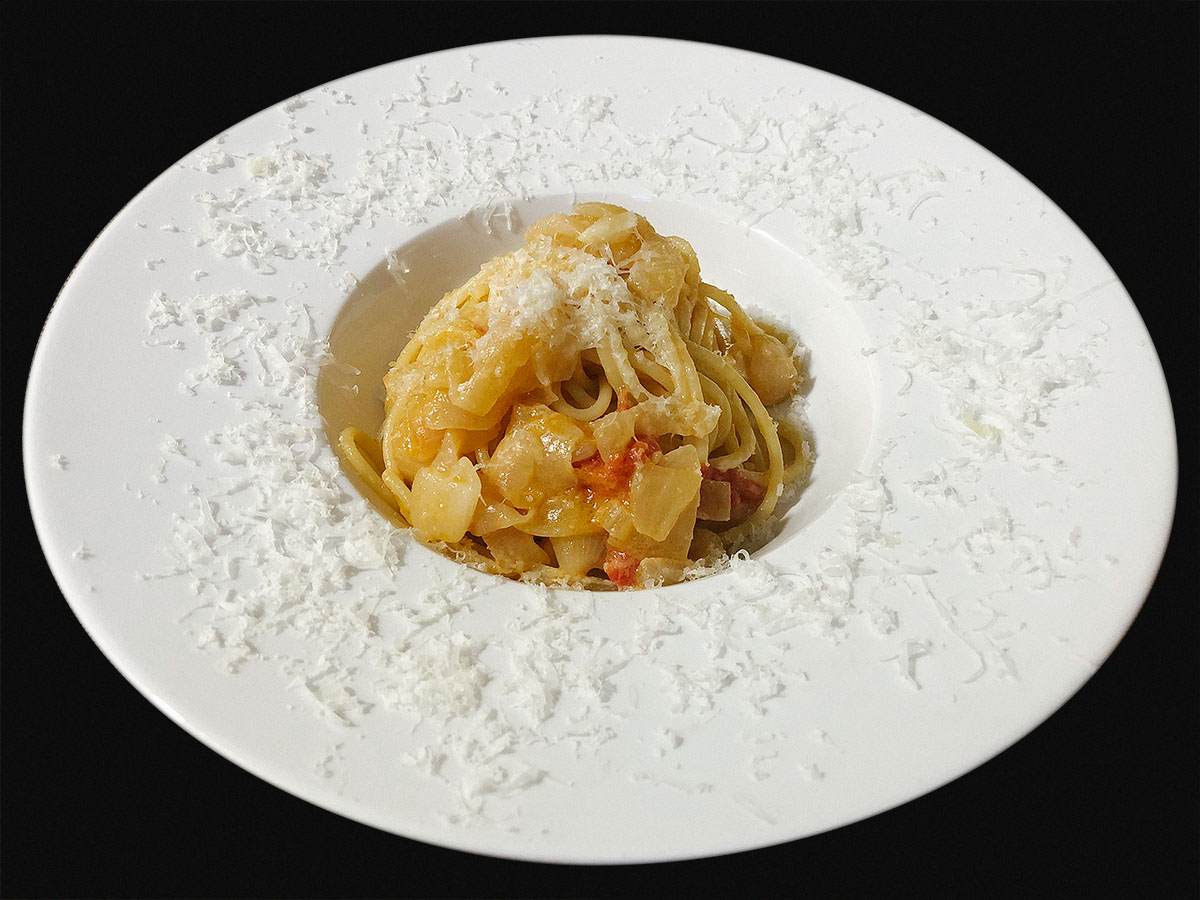
This month, St. Joseph Catholic Church in Hayward, Wisconsin, will host its annual spaghetti feed—established in 1982—for participants of the American Birkebeiner, North America’s largest cross-country ski race.
“People come back for seconds and thirds,” says Mary Roles, 74, a volunteer who helped cook 43 kilograms (95 pounds) of dry pasta for 468 people last year. “And everyone leaves happy.”
Pre-race pasta has even become a pop-culture trope. In an episode of NBC’s The Office, Michael Scott recklessly scarfs down a huge takeout container of fettuccine Alfredo right before a 5K charity run.
For elite athletes, however, the extreme carbo-loading of decades past has yielded in recent years to a more targeted approach, explains Hunter Baum, dietitian for the U.S. Ski and Snowboard team—a method that could be called carbo focusing.
“Today, everything is much more based on evidence, practice, and research—how we can better dose and time our intake in a more precise way,” Baum says.
With thousands of athletes arriving in Northern Italy, Olympic organizers adopted a “food as fuel” mindset for the dining facilities. That meant accepting many star athletes' preference for plain pasta with just a touch of seasoning on the side—a choice that, in a nation of epicures like Italy, borders on blasphemy, akin to drinking a cappuccino in the afternoon.
“From an Italian standpoint, it’s surprising,” said Salvadori, trying to maintain a diplomatic tone. She was the one who had to break the news to local caterers at the Olympic villages, who were expecting to fully showcase their culinary talents. “To be honest, they were a bit disappointed,” she admitted.
Athletes can still find traditional, richer dishes—like lasagna, cacio e pepe, and various types of ravioli—in the dining halls, Salvadori noted. Risotto and polenta, signature dishes of the host cities Milan and Cortina, are also widely featured.
After all, pasta’s global success—and the root of its popularity among athletes—perhaps lies in its sheer versatility.
“It’s like a canvas on which you can express your culture, your taste, your preferences,” observes Fabio Parasecoli, a professor of food studies at New York University. “For Italians, there are strict rules. But once the canvas is exported, in a way, anything goes.”
Granted, the recent history of pasta at the Olympics hasn't always been so poetic.
Resi Stiegler, an American alpine skier who competed at the 2006 Torino Games, famously described the pasta served in the Olympic village as “horrible.”
Michael Phelps, the most decorated Olympian in history, told reporters during the 2016 Summer Games in Rio de Janeiro that he gritted his teeth and forced down "a pound of spaghetti" as part of his post-swim recovery routine.
“And not being a fan of spaghetti,” he said, “I forced myself to eat it.”
Of course, there are other satisfying ways to get carbohydrates. At the Paris Summer Games two years ago, Kenyan athletes brought ugali, a dense cornmeal dish. The Irish arrived with shipments of porridge.
“We eat a lot of Vietnamese pho,” says Chris Plys, 38, an American curler. Still, pasta reigns supreme.
Derek Parra, a U.S. speed skater and two-time medalist at the 2002 Games, fondly remembers a trip to Padua in 1996 for the Inline Speed Skating World Championships. The night before his first race, he went into a local restaurant and ordered tortellini alla carbonara. “The next day I won a gold medal,” he says with a laugh. “So I went back there every single night.”
Jake Adicoff, a 30-year-old American Paralympic cross-country skier, recalls taking a cooking class as a child during a family trip to Italy. They learned to make pasta e ceci (pasta and chickpeas), and today he cooks it using tubettini for his teammates. “It’s got plenty of veggies, protein, and carbs, and it’s pretty easy to make,” he explains. “It’s a great winter dish.”
Jason Brown, a U.S. figure skater, is so passionate about Italian food that he detoured a family trip to Greece last summer just to spend an entire day dedicated to food in Rome. The itinerary included a stop at Ristorante Pietro Valentini, where he says the truffle gnocchi are "to die for."
Brown, 31, said he will try to exercise self-control during these Games. In the heat of competition, he prefers to rely on homemade smoothies made with a blender he packs in his suitcase. But once the events are over, he added with a laugh: “I will unashamedly carb-load.”