
Can You Improve and Reignite Your Sense of Taste?

Cooking is built on creativity, memory, technique, and—above all—the senses. When those senses begin to fade, the emotional heritage of food risks being compromised. However, the decline of taste, common with aging, is not an inevitable fate. While viruses, inflammation, medications, and the sheer passage of time can dull our perceptions and aromas, experts point to concrete medical and culinary strategies to restore depth to flavors and joy to the daily act of eating.
According to a 2016 study, nearly three-quarters of older adults experience changes in their sense of taste—more than any other sense. This slow slide toward a duller perception often goes unnoticed, explains Paule Joseph, co-director of the National Smell and Taste Center at the National Institutes of Health in Bethesda, Maryland, in an interview with The New York Times. When people "feel" a change, they are often actually experiencing a loss of smell, an essential component of flavor perception.
Whatever the cause, taste and smell are far from minor senses; they directly impact appetite and overall health. Some people gradually lose interest in eating altogether, while others seek refuge in easy flavors—salty, sweet, fat—increasing their risk of type 2 diabetes and cardiovascular disease. Equally significant is the emotional connection: taste and smell communicate directly with the brain's emotional centers, making food a narrative of family, identity, and culture. "These senses are deeply linked to survival, nutrition, safety, and mental well-being," Dr. Joseph notes.
Specialists identify five major categories of causes for the loss of taste and smell: trauma, viruses, inflammation, oral health, and age.
Head injuries, concussions, and surgeries near the ears, nose, or brain can damage taste and smell nerves, explains Jayant Pinto, an otolaryngologist at University of Chicago Medicine. It is also well known that viruses can directly or indirectly affect taste and smell. COVID-19, as we have learned, damages support cells in the nose, altering olfactory neurons and sometimes preventing their regeneration.
"Chronic nasal inflammation—such as sinusitis, polyps, or prolonged allergies lasting more than 12 weeks—can block odors and damage the mucosa. Treating it promptly is essential," Pinto emphasizes.
The mouth also plays a crucial role: gum disease, infections, dry mouth, and the buildup of bacteria and dead cells on the tongue all alter taste perception, notes Sukirth Ganesan, a dental surgeon at the University of Iowa. Oral hygiene, adequate hydration, and tongue scraping help, though they cannot fix everything. Dentures, for example, limit the perception of textures and physical sensations, which ultimately affects taste.
Finally, there is age: after 60, the number of taste buds and olfactory receptors decreases, as does the body's ability to regenerate them. Added to this are conditions like type 2 diabetes, stroke, Alzheimer's, and Parkinson's, as well as medications such as antibiotics, antidepressants, antihypertensives, and chemotherapy drugs, explains geriatrician Jay Bhatt. Physicians can often adjust treatments and dosages or alleviate side effects—though patients are strongly advised never to stop taking medications on their own.
Aside from temporary issues like short-term congestion, medicine has limited ability to reverse the loss of taste and smell, observes Linda Bartoshuk, a research professor at George Washington University. Supplements like zinc, acupuncture, and similar remedies lack solid evidence; vitamin B12 and iron only help in cases of actual deficiency.
There is, however, olfactory training—a kind of physical therapy for the nose—which involves smelling specific fragrances twice a day. It carries few risks and can offer benefits, especially for younger individuals, those whose loss followed a recent infection, or those who stick with the practice for 6 to 9 months. Results are not always uniform; a recent study showed modest benefits, more in odor memory than in the actual recovery of function.
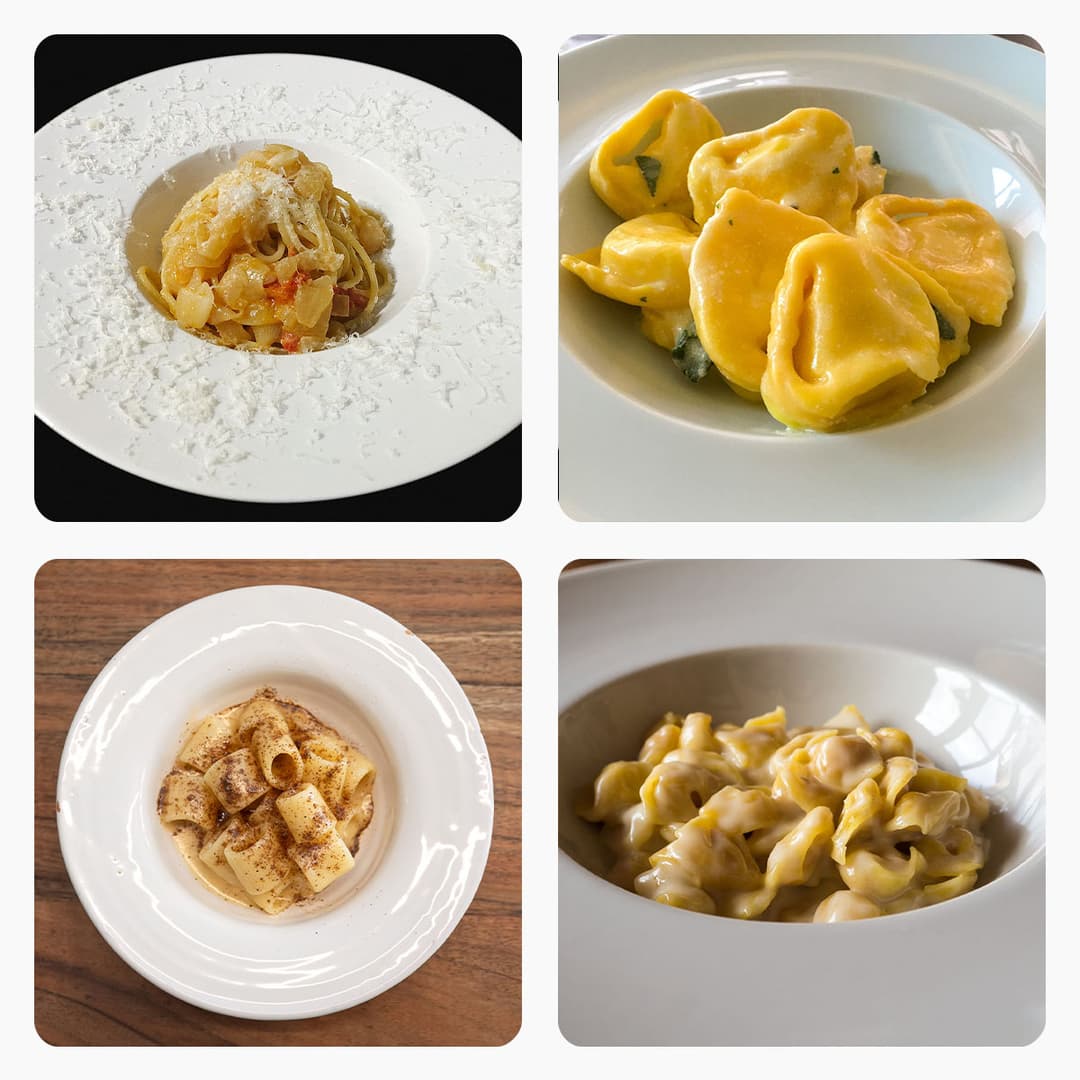
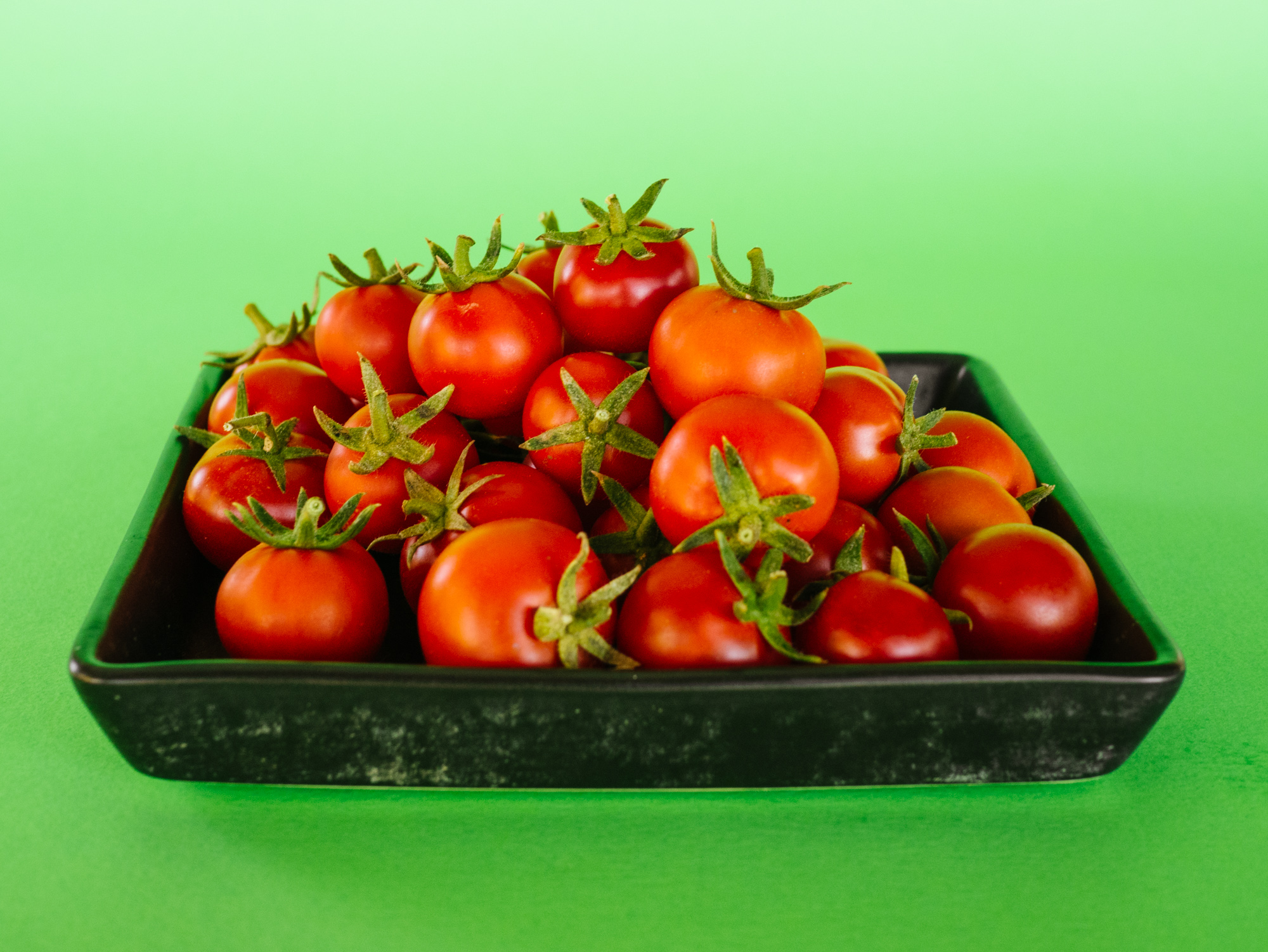
Where medicine offers limited answers, it is often in the kitchen that a new relationship with taste is built. Herbs and spices can amplify dulled flavors; ingredients rich in umami—such as mushrooms, tomatoes, and Parmigiano—add depth. The use of Monosodium Glutamate (MSG), which contains a third of the sodium found in salt, can be a great ally. Playing with colors, textures, and temperatures can also make food more engaging, even if it isn't a true "restoration" of the senses.
The most important advice, experts say, is not to chase lost flavor with increasing doses of salt, sugar, and fat.
"The pleasure that food can provide remains immense," Pinto observes. "And we can rediscover it in ways that are healthy, intelligent, and surprisingly satisfying."