
Why We Are All Crazy About Fermented Foods (And What Science Actually Thinks)

The discreet charm of fermentation has officially conquered modern palates. Where jars of kimchi and kefir grains once conjured images of home laboratories or niche health food stores, today they stand proudly on supermarket shelves and fine-dining menus alike—even earning a nod from government dietary guidelines overseas.
But beyond the gastronomic hype, what does science actually say about this ancient alliance between humans and microbes?
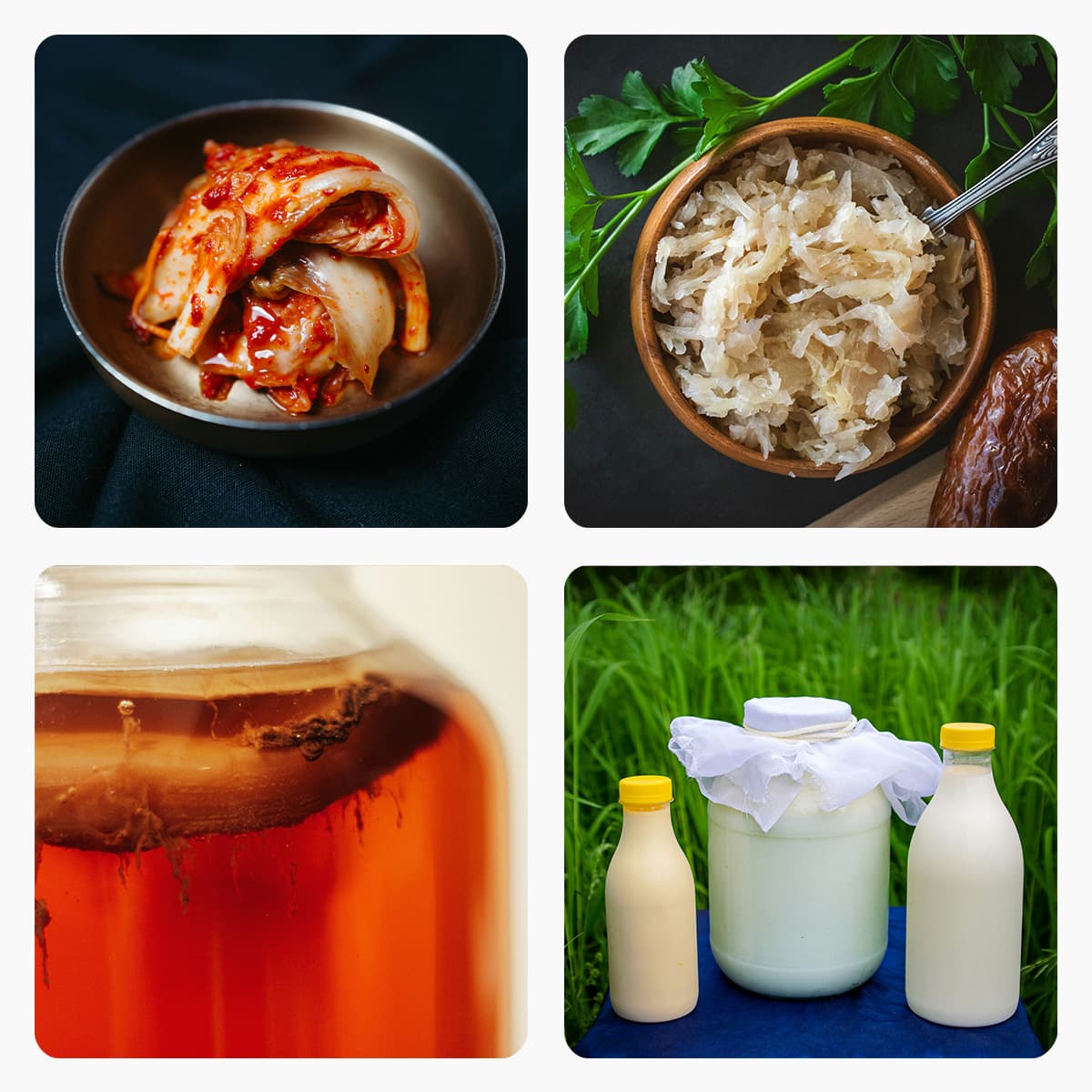
As recently highlighted by The New York Times, the very definition of fermented food is as simple as it is poetic. Robert Hutkins, professor emeritus of food science at the University of Nebraska-Lincoln, explains that it refers to any food or beverage transformed by the clever action of yeasts, bacteria, and fungi. This process does not just preserve the raw ingredients; it enriches them with acidic, savory, fruity, or pleasantly pungent flavor notes. Milk morphs into yogurt and kefir; vegetables convert into sauerkraut and kimchi; fruits become vinegar and wine; grains are reborn as sourdough bread or beer. Even chocolate and certain coffee varieties, notes Maria Marco of the University of California, Davis, owe their distinct aromatic profiles to a fermentation stage.
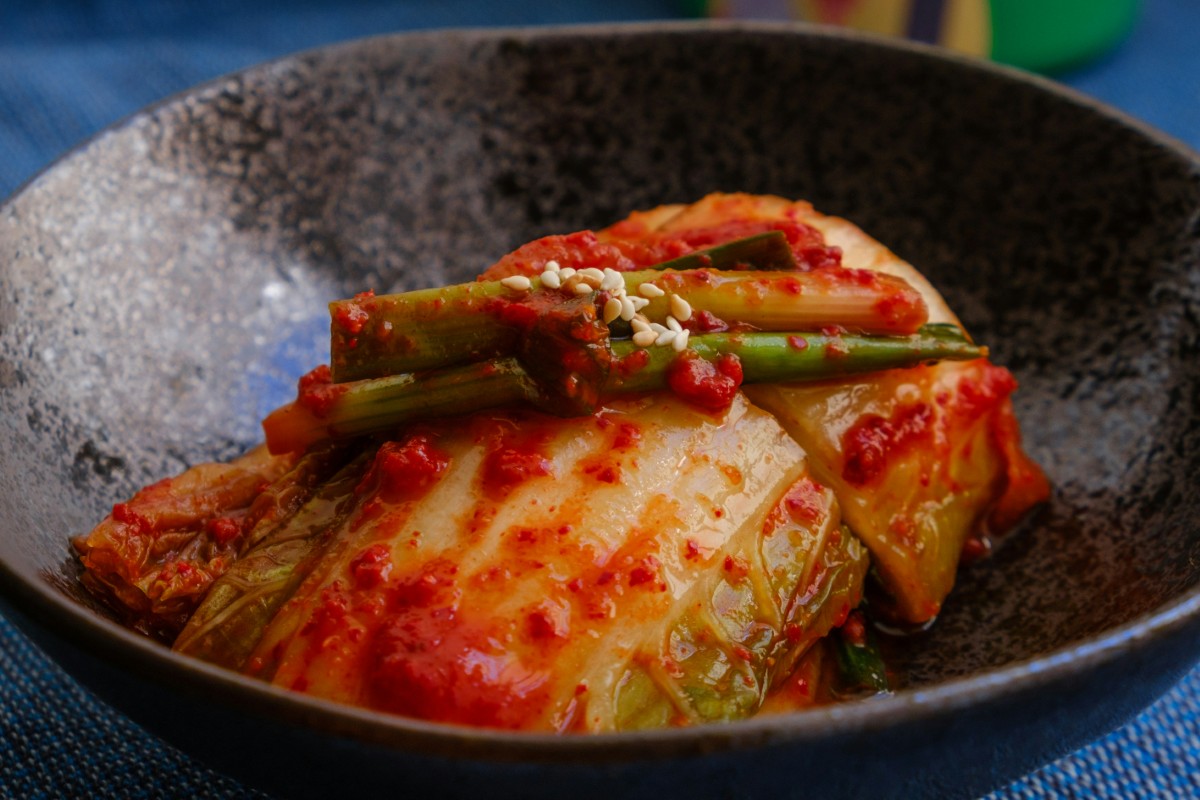
Kimchi
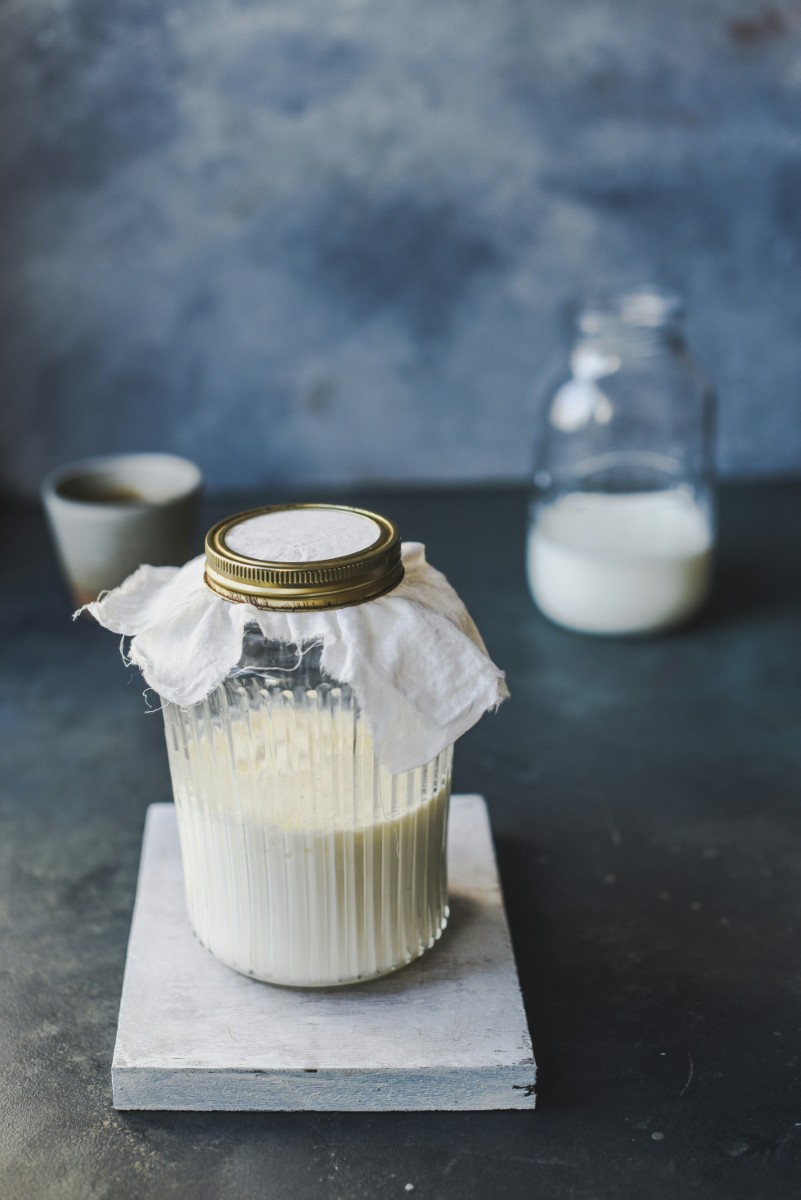
Kefir
When it comes to concrete health benefits, Dr. Marco advises a dose of cautious optimism, as clinical research is still in its development phase. However, epidemiological data and small clinical trials conducted so far hint at exciting possibilities. A 2021 study compared two groups of healthy adults. The first group followed a diet rich in fermented foods (yogurt, kimchi, kombucha), while the second consumed a significant amount of fiber from legumes, whole grains, and fresh vegetables. After ten weeks, the fermented-food group showed a clear reduction in inflammatory markers in the blood and increased biodiversity in their gut microbiota compared to baseline—changes that medicine links to a lower risk of chronic diseases. Interestingly, the group focusing solely on fiber did not show similarly significant changes in these specific parameters.
Further research suggests some intriguing connections: regular consumption of kimchi appears to be associated with a lower incidence of obesity, yogurt with a reduced risk of type 2 diabetes, while sauerkraut seems to alleviate discomfort associated with Irritable Bowel Syndrome (IBS). A 2023 study of over 46,000 American adults also linked these foods to slight improvements in blood pressure, body weight, and insulin levels. However, Hutkins issues a firm reminder that these are mostly observational or small-scale studies—excellent for pointing us in the right direction, but not yet enough to prove an undeniable cause-and-effect relationship.
The reasons behind this potential efficacy lie first and foremost in the intrinsic value of the ingredients. A serving of sauerkraut is still a serving of vegetables, just as yogurt delivers its usual dose of calcium and protein. Secondly, microorganisms perform a sort of pre-digestion. During fermentation, the lactose in milk and the gluten in wheat are partially broken down, making yogurt or sourdough bread much easier to tolerate for those with mild sensitivities. The process also improves the absorption of essential minerals (such as iron, zinc, and magnesium) and synthesizes new vitamins, including B12 and K.
The most fascinating frontier of this research involves the bioactive compounds generated by these microorganisms. Dr. Sean Spencer, a gastroenterologist at Stanford, highlights early evidence—currently observed mostly in vitro or in animal models—suggesting that certain molecules produced during fermentation can mitigate inflammation and regulate satiety. Furthermore, controlled exposure to "friendly" bacteria might train our immune system, making it more tolerant of harmless allergens while keeping it primed to fight off actual pathogens.
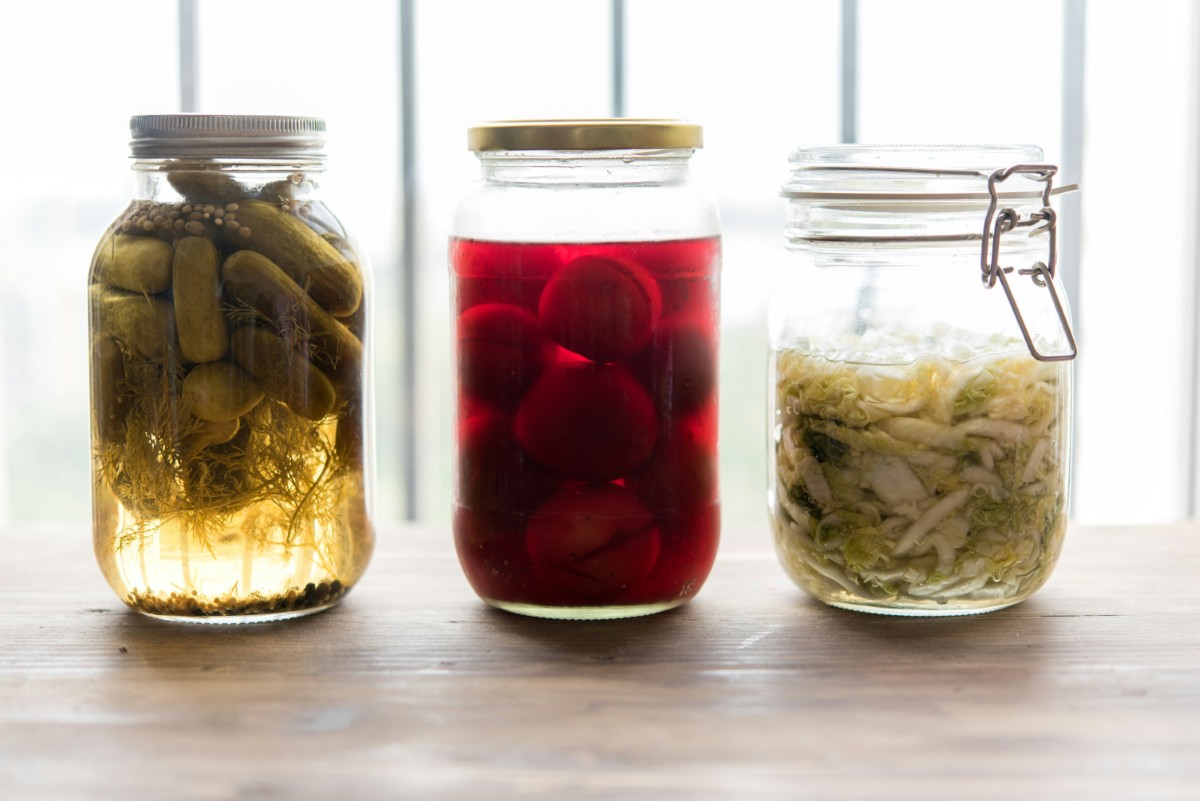
Sauerkraut
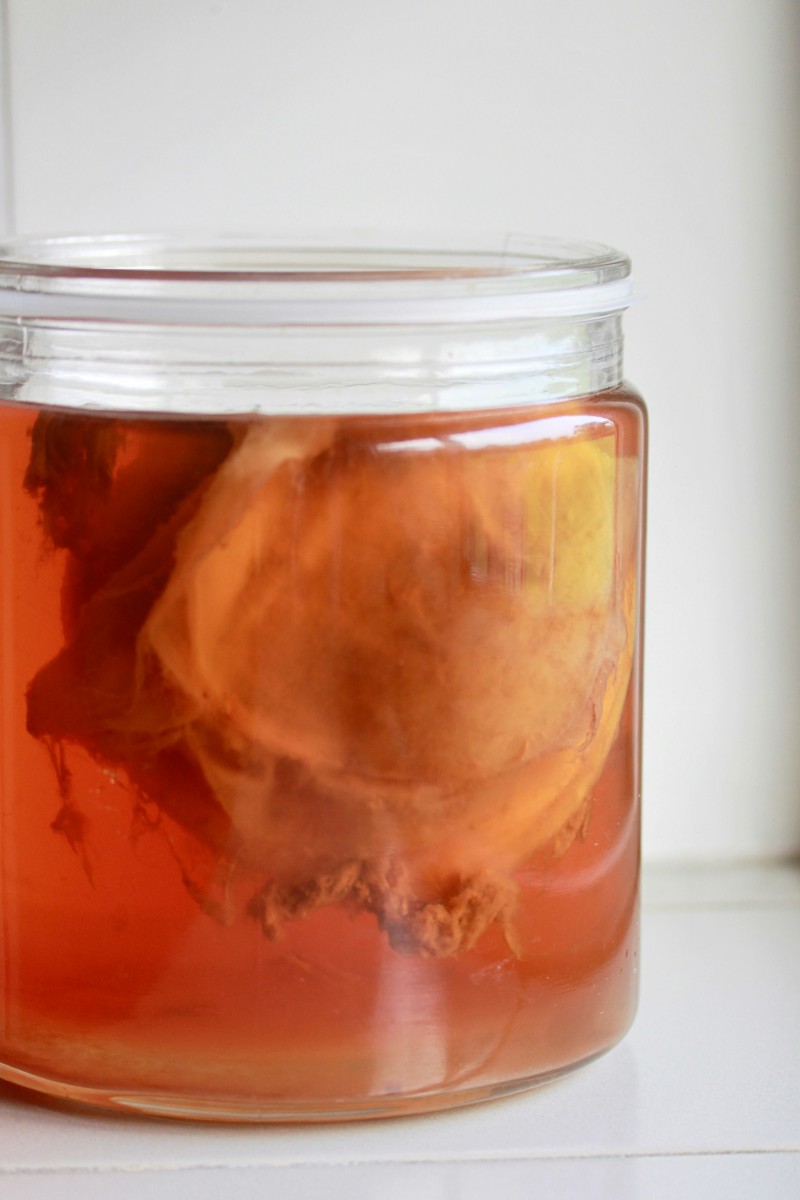
Kombucha
The experts' takeaway is that adding yogurt to your breakfast, a spoonful of kimchi to elevate a dish, or an apple cider vinegar dressing to your salad is generally a healthy choice. There are, however, important exceptions to keep in mind. Immunocompromised individuals should approach raw or unpasteurized products with extreme caution to avoid an excessive load of live bacteria, even if they are benign. Those with high histamine intolerances would do well to moderate their intake of aged cheeses, sauerkraut, and wine, which are potential triggers for headaches or digestive issues. Finally, the sodium content in specialties like miso and soy sauce requires caution for those suffering from hypertension. And as for beer and wine: though they are indeed legitimate children of fermentation, the well-known health risks of alcohol still demand the usual utmost moderation.