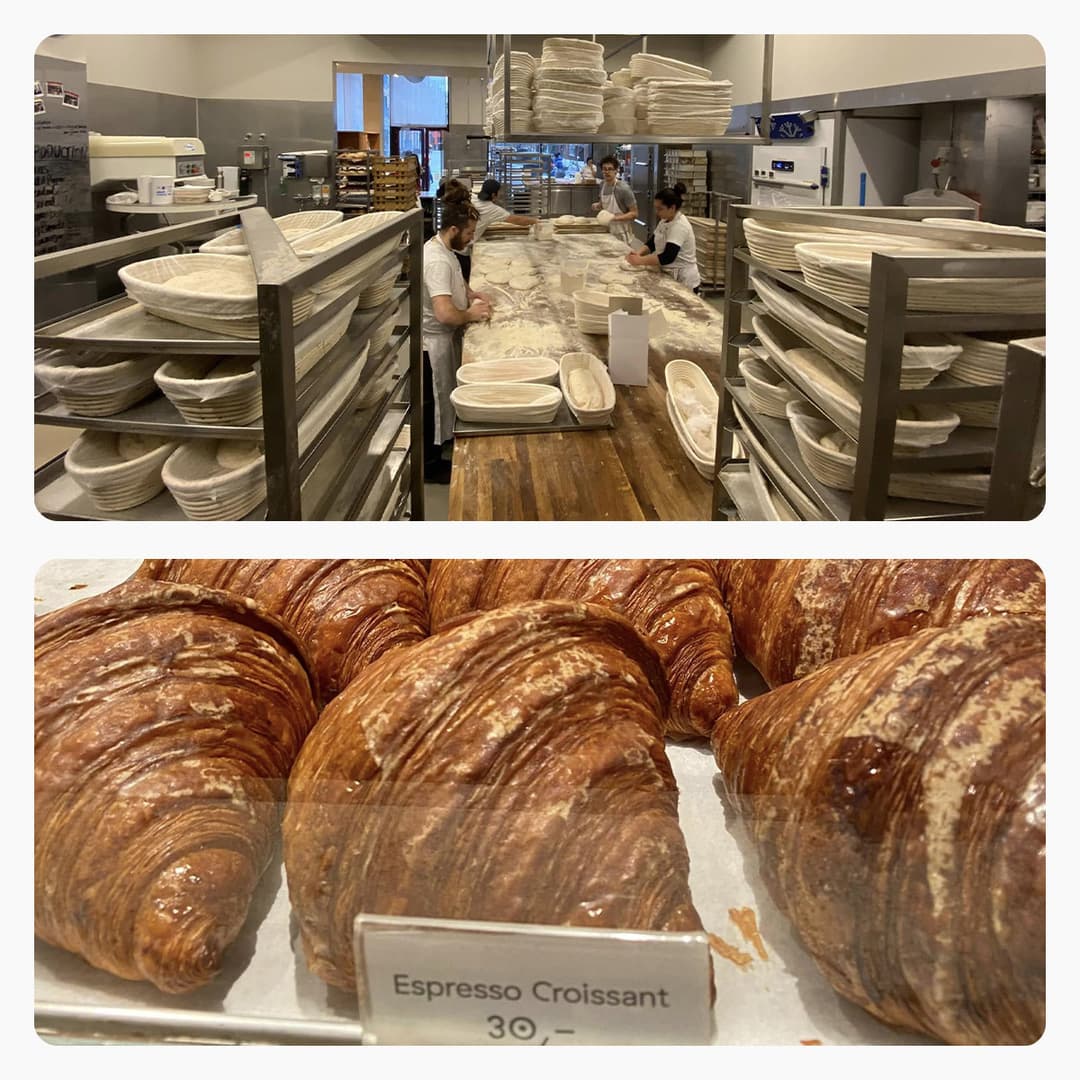

Bread, Butter, Cheese: A Portrait of Denmark via Sandwich
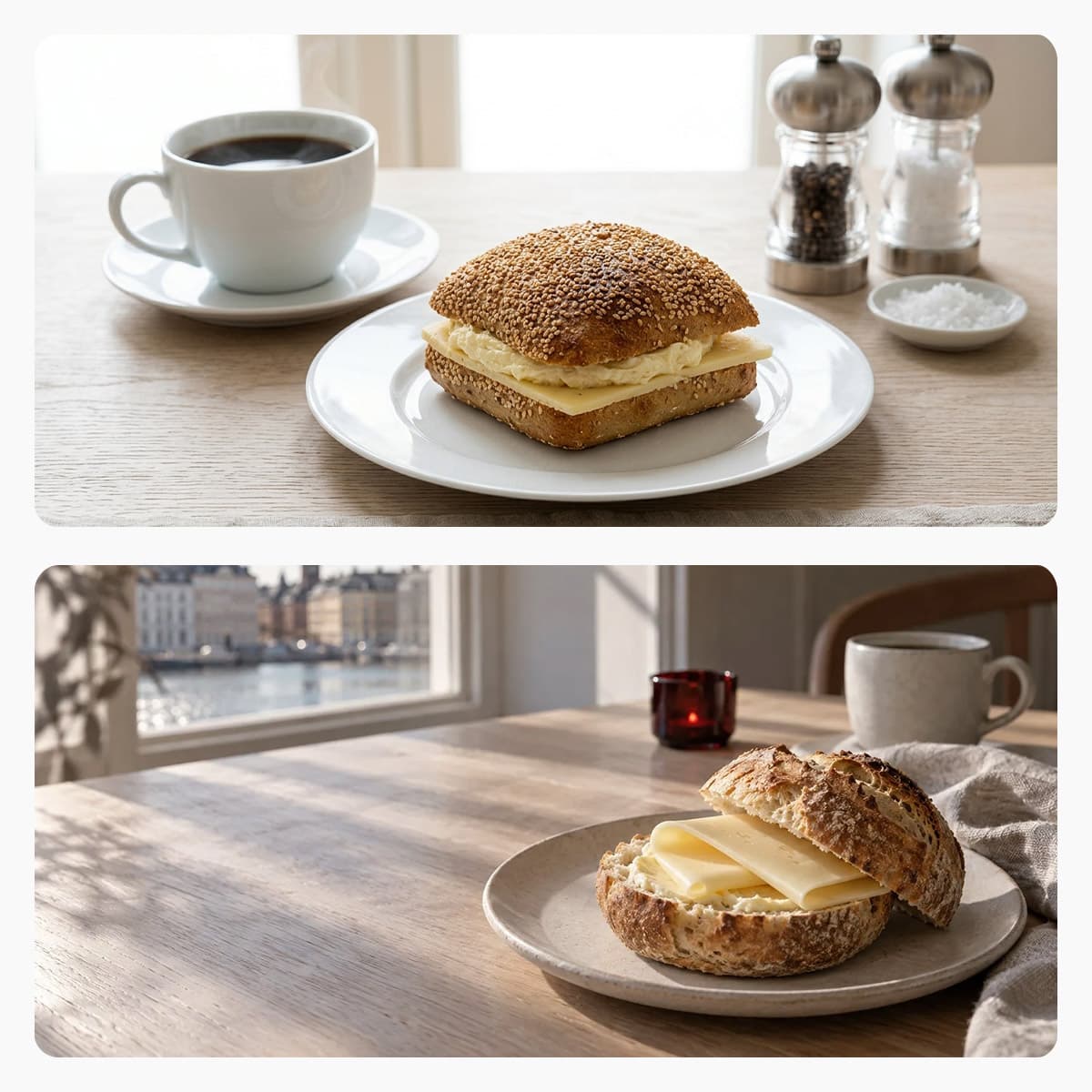

If you have a trip to Copenhagen on your horizon, there is one new gastronomic obsession you simply cannot miss: bread, butter, and a single slice of cheese. Yes, really. In a Danish capital famous for spending the last two decades foraging wild herbs, fermenting the unthinkable, and plating dishes with surgical tweezers, the cutting edge of avant-garde cuisine has returned to something delightfully primal.
As a report by The New York Times highlights, the city is officially in the grip of the bolle med ost (literally "bun with cheese"), known to locals simply as the BMO. The acronym has even earned an official entry in the primary Danish dictionary—proof that if you want to give an after-school snack an intellectual flair, a three-letter acronym is the bare minimum required.
The Minimalist Obsession
The BMO, typically served open-faced (woe to anyone who closes it up like a standard sandwich), has become the signature calling card of Copenhagen’s finest bakeries. It is a formula even more spartan than the historic smørrebrød—the classic, heavily topped Danish open-faced rye bread—standing in stark contrast to the city's more celebrated fine-dining scene.
It is a merciless test: with no sauces or culinary gymnastics to hide behind, the quality of every ingredient must be flawless. "You can't cheat with a BMO," notes Anne-Sophie Lahme, a food trend researcher. Locals grab one at all hours—after a group run, before a date, or between meetings. At a modest price of around 45 Danish kroner (about €6), it is an affordable, hearty snack that, thanks to hordes of influencers, has landed straight on tourists' bucket lists right alongside classic cardamom and cinnamon buns.
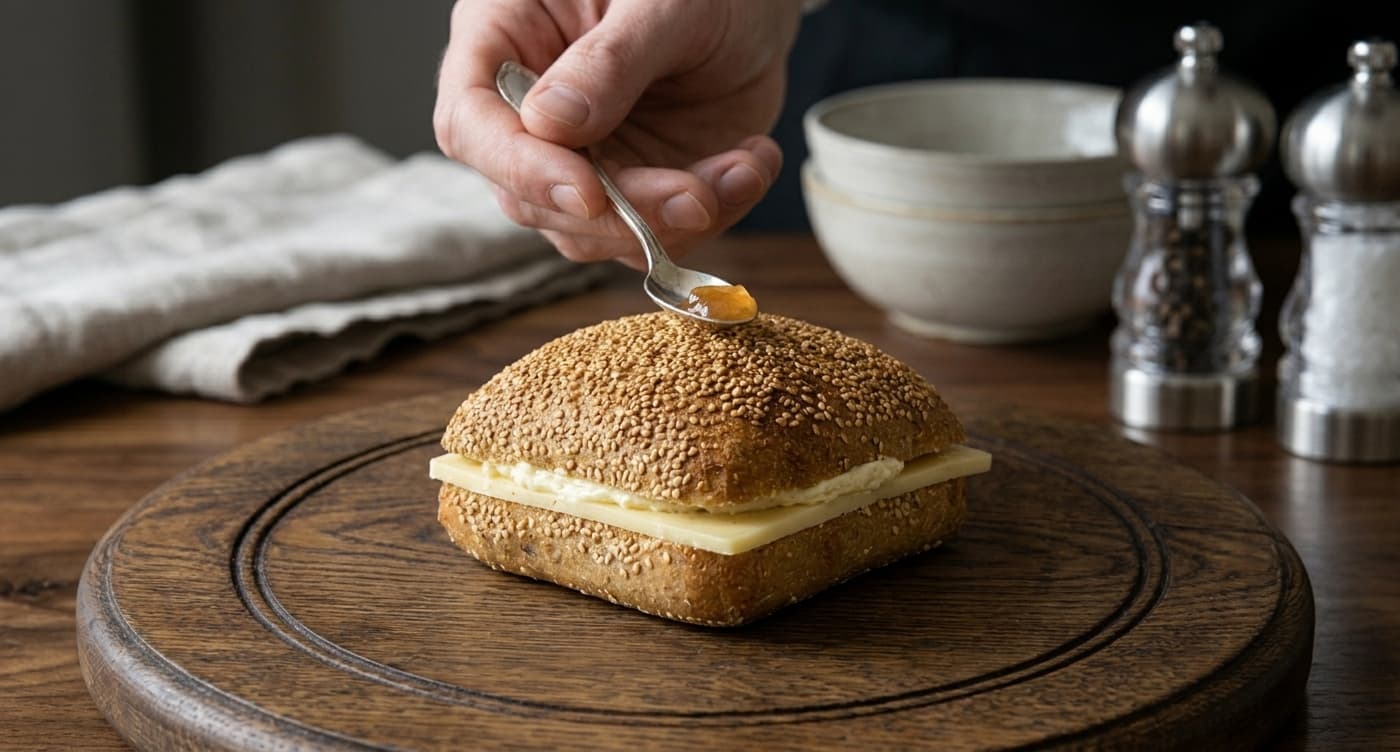
Where there is hype, compulsive optimization naturally follows. Two brothers published an entire cookbook packed with 25 dedicated recipes; Burger King launched its own "Gourmet BMO" (where the B stands for burger); and dedicated Instagram accounts tracking down the ultimate slice have proliferated. A pair of mathematicians even spent months calibrating an algorithm to rank the city’s offerings scientifically and impartially. In July, Danish newspaper Politiken published a guide ranking Copenhagen's top 50 BMOs. Food critic David Dyrholm, who spearheaded the project—which started almost as a joke—ended up spending over 2,000 kroner (around €270) testing 65 different buns. In doing so, he uncovered an unsuspected academic complexity behind seemingly simple questions: Is the flour milled in-house? How long is the fermentation process? Is the bun rolled in seeds or cornmeal? And the butter: salted, browned, or whipped?
The Cheese Shortage and the Purists’ Skepticism
The craze exploded a couple of years ago during the post-pandemic home-baking wave. Sourdough starters passed among friends and new bakeries popping up on every corner did the rest. Yet, the neologism "BMO" remains divisive. Skeptics see it as a form of linguistic gentrification designed to elevate a basic childhood comfort food. Food historian Nina Bauer dismisses the fuss, reminding everyone that "it is literally just a bun with butter and a slice of cheese." Claus Meyer, a cornerstone of Danish gastronomy and co-owner of Meyers Bageri, admits he could never bring himself to walk into a shop and utter the word "BMO." Thomas Spelling, owner of the micro-bakery Rondo, shudders at the thought of using the acronym, even while acknowledging it is his absolute top seller: "Taking it off the menu would be like opening a bar without draft beer." At Hart, a bakery chain with 13 locations, they turn out roughly 30,000 BMOs a month while continuously testing dozens of cheeses in search of the perfect combination.
The collective hysteria hit fever pitch with Gammel Knas, a prized Danish cow’s milk cheese aged for over 24 months to develop its signature crunchy protein crystals. The sudden sandwich boom stripped supplier shelves clean, forcing local newspapers to run headlines about a national "cheese crisis." Sofie Biltoft-Riis, director at producer Arla Unika, recalls those months when her phone rang day and night while the entire country panicked over a potential BMO shortage.
The Etiquette Dogma
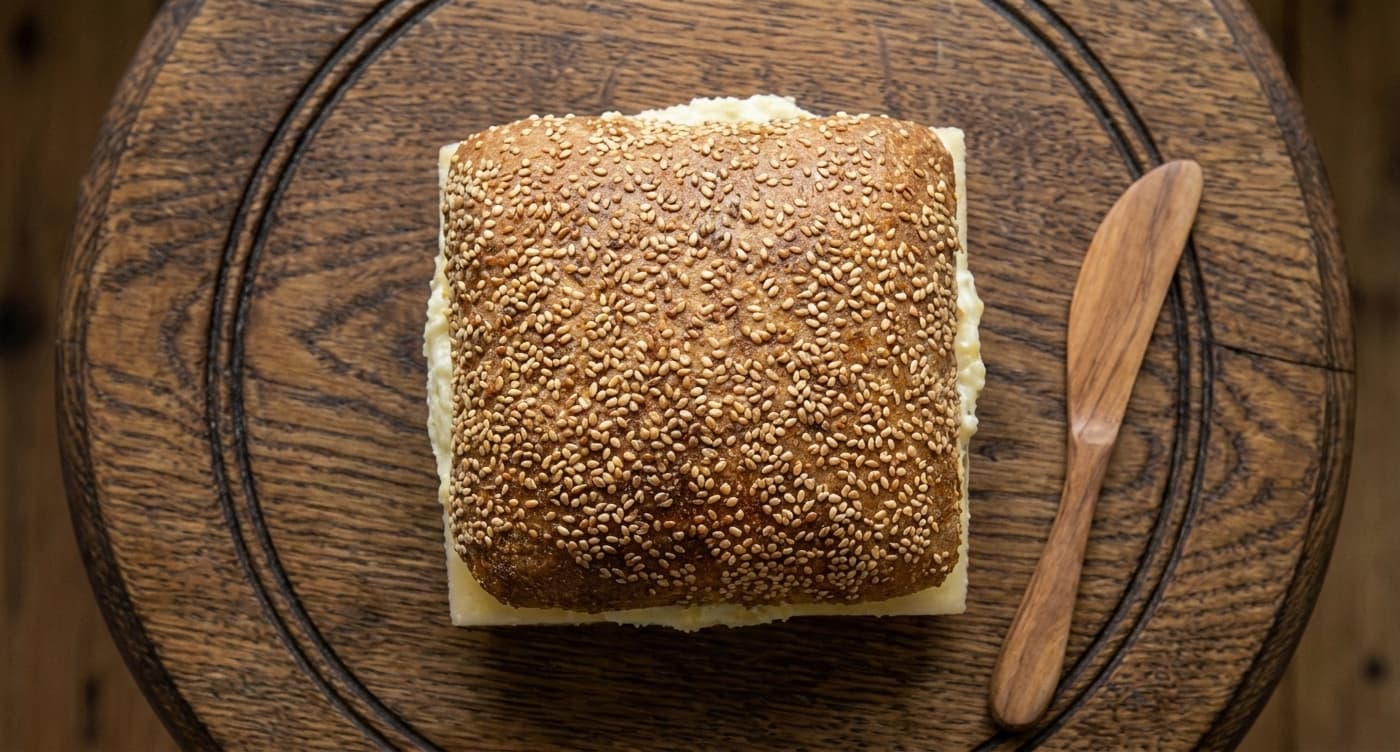
Today, the initial frenzy seems to have given way to solid institutionalization: the BMO is simply part of the city's everyday fabric. But be careful how you eat it. The Times journalist, a New Yorker accustomed to devouring pizza slices on the move in sixty seconds flat, committed the ultimate sacrilege: squeezing the bun closed like a burger to eat it quickly with two hands.
A cardinal sin. "That's the burger method," critic Dyrholm admonished her. Locals agree: a BMO is strictly eaten open-faced, one half at a time. "If you see someone eating it like a hamburger, you know for a fact they aren't from around here," locals confirm. The bolle med ost is the quintessential snack for a city caught in a perpetual balance between productive hustle and cozy hygge. A small daily indulgence, meant to be savored slowly.