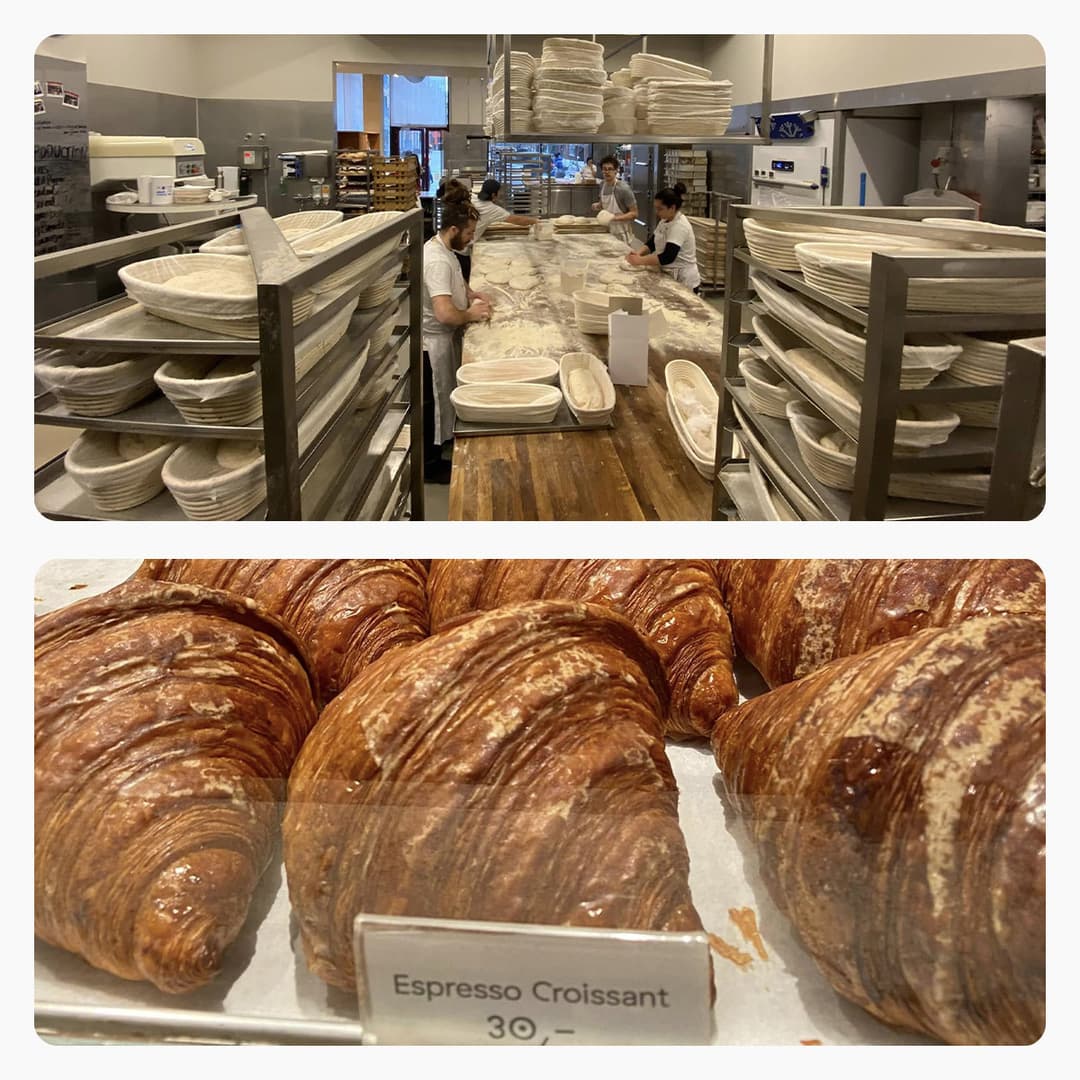

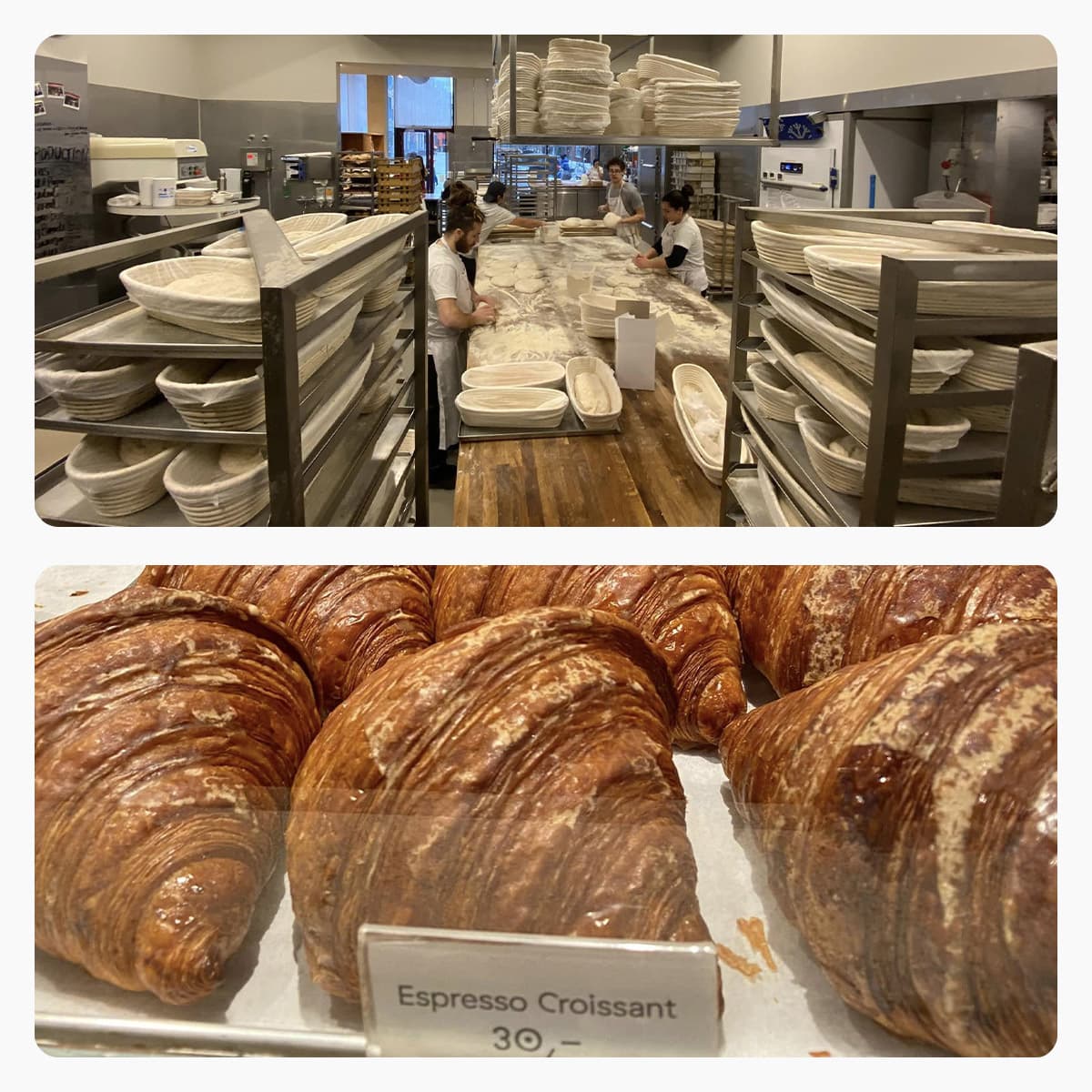

In the 1840s, a young Danish baker named Niels Christian Albeck set off on a study trip to Vienna. Enchanted by the charm of the Austrian capital, he returned to Copenhagen with skills that would change the Nordic culinary repertoire forever: the technique of viennoiserie—the art of folding a yeasted dough with thin layers of butter to create the crisp, golden magic we all know so well. Crisp, glossy exteriors with soft, flaky, layered interiors. Nothing entirely new, of course; it is the very same technique the French made world-famous with the croissant.
Soon, bakers across Scandinavia adopted that "Viennese bread," christening it wienerbrød. However, they tailored it to their own tastes by adding more eggs and sugar, yielding a sweeter dough with a light, airy crumb. Built on this foundation, iconic pastries emerged: the direktørsnegl (a chocolate spiral, literally the "director's snail") and the frøsnapper (a braided pastry filled with remonce—a rich paste of butter, sugar, and often almonds—coated with poppy and sesame seeds).
"When I was a child, traditional bakeries would display around twenty varieties," food writer Trine Hahnemann, 60, who grew up in Copenhagen, told The New York Times. "Then, in the 1980s, many of those historic shops closed, overwhelmed by competition from industrial baked goods."
Two decades later, sparked by the rise of New Nordic Cuisine, Danish baking experienced a vibrant revival. In 2018, Richard Hart, former head baker at San Francisco's beloved Tartine, teamed up with Noma’s René Redzepi to open Hart Bageri in Frederiksberg—a tribute to Danish specialties alongside classic French staples. Today, Hart boasts 11 locations across the city.
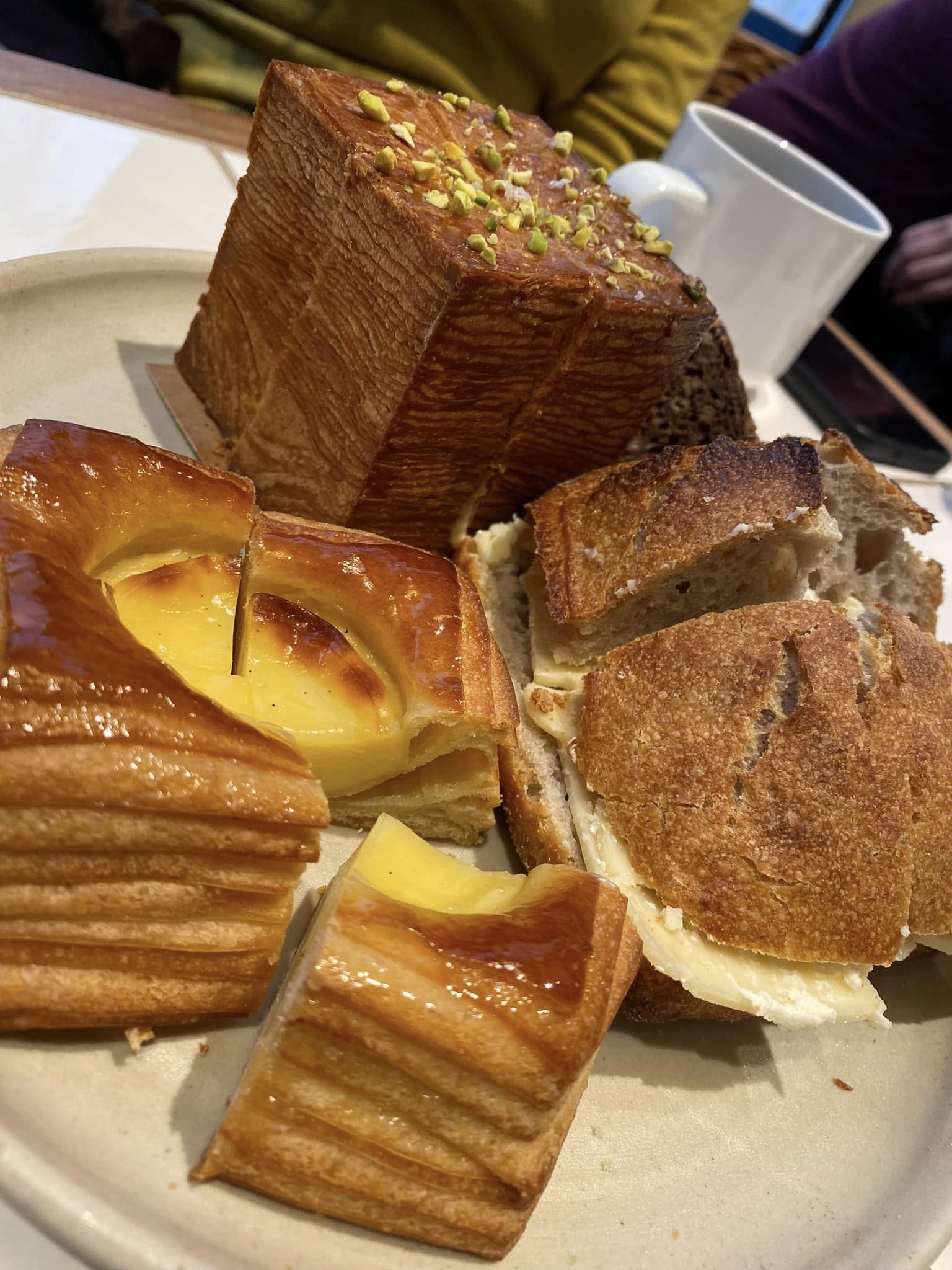
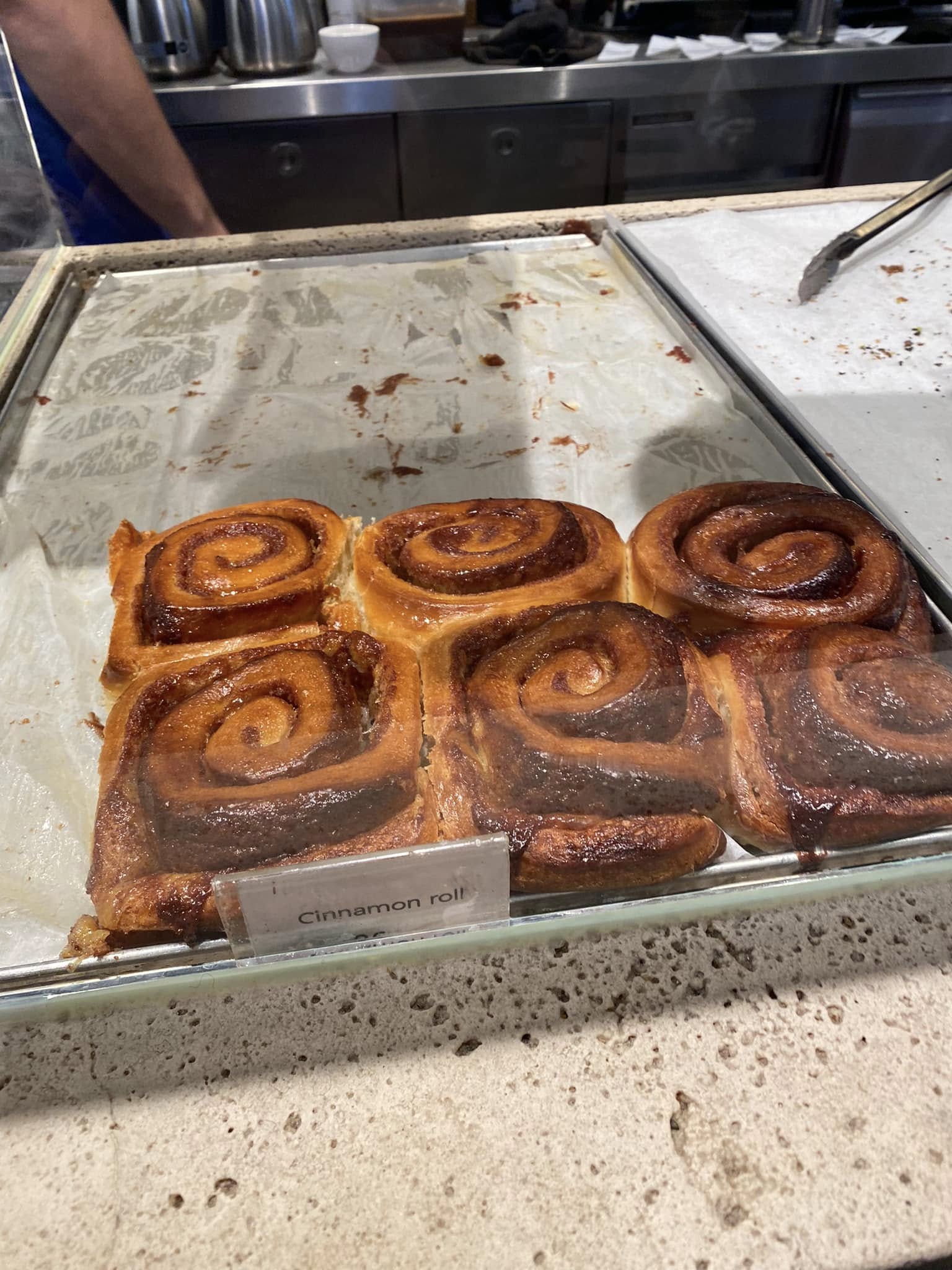
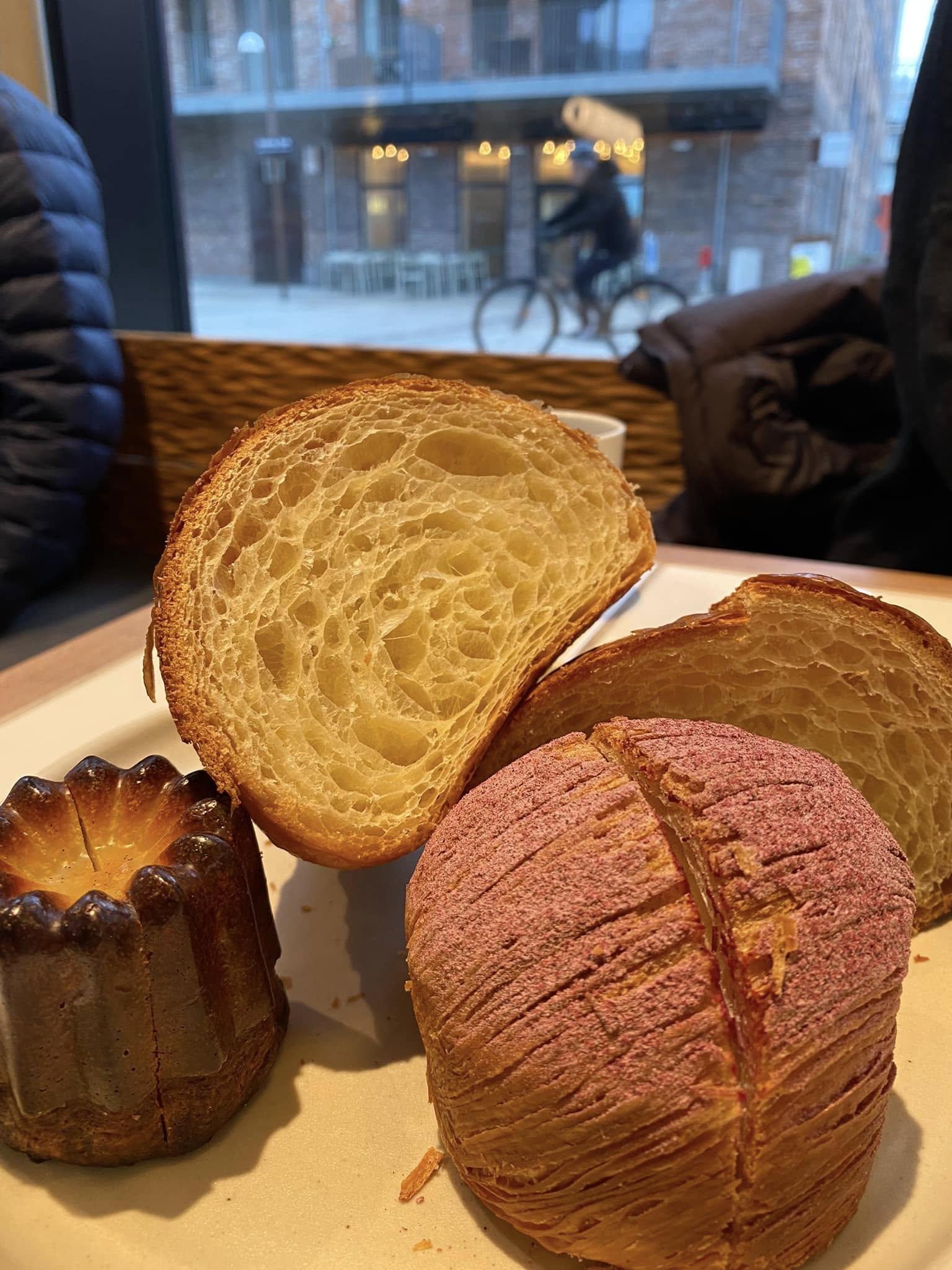
“Everyone can afford a good croissant; going out to dinner at certain restaurants, on the other hand, can be cost-prohibitive,” observes Emil Mørkeberg, 40, owner of Skipper bakery in Østerbro, which he opened with his wife Carolina after their stint at Brød, famous for its sourdough bread. Much like New Nordic chefs, the best Danish bakers keep processed ingredients to a minimum. It is a level of rigor that attracts even French colleagues: “They come to us to learn how to make croissants. It sounds absurd, but ours have a better texture,” Mørkeberg says, speculating that the secret lies in Danish butter, which is almost always slightly salted.
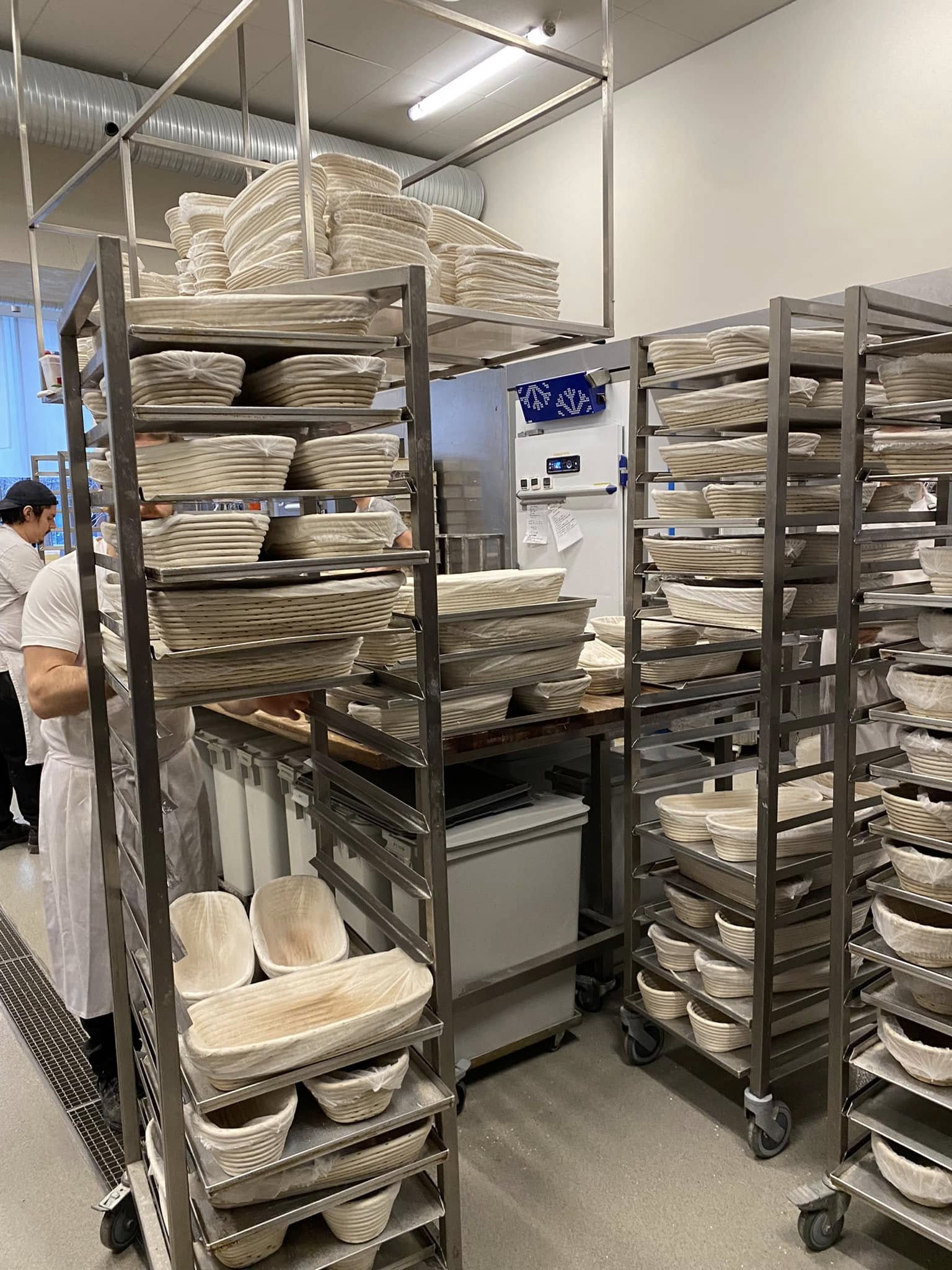
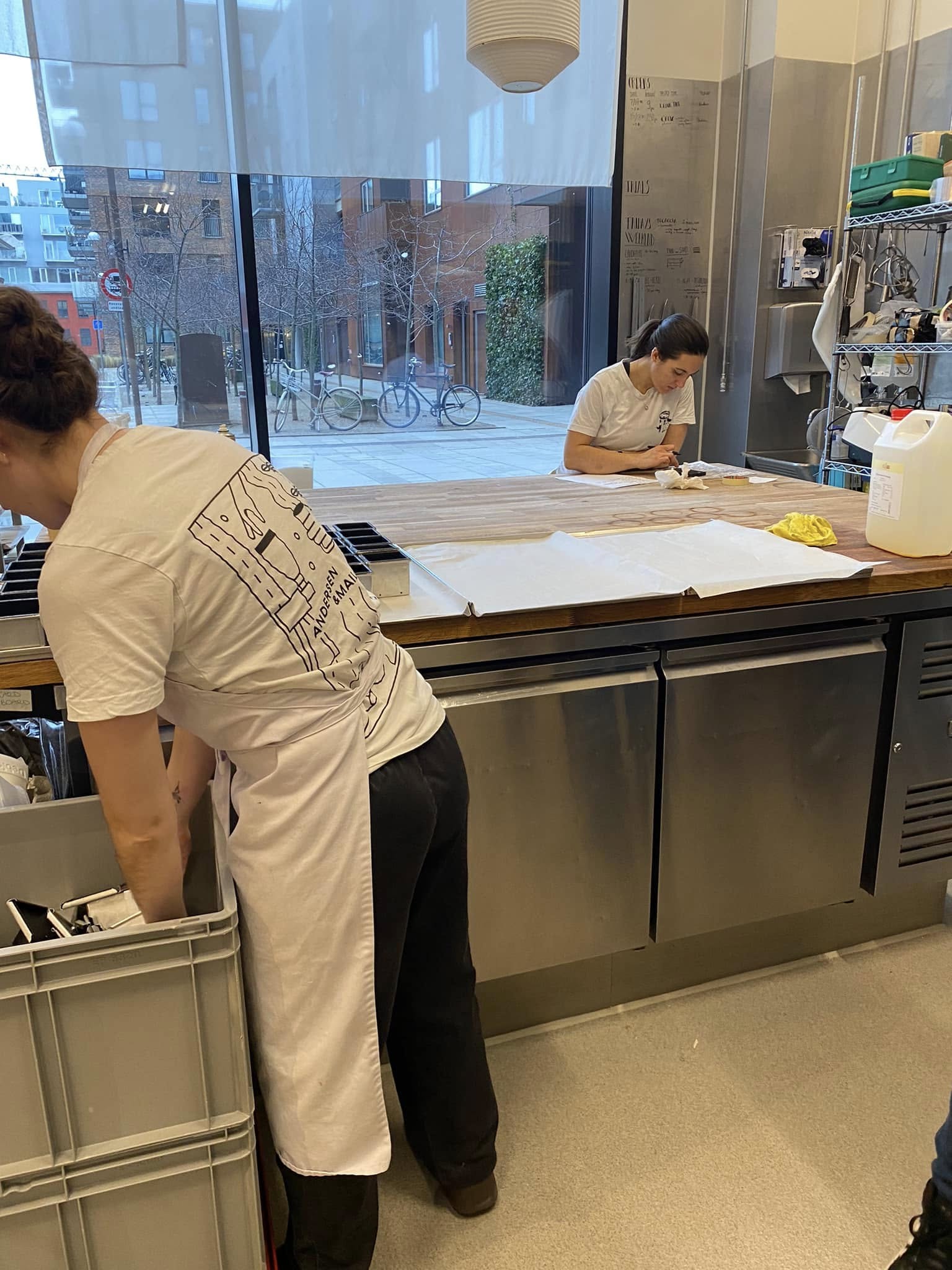
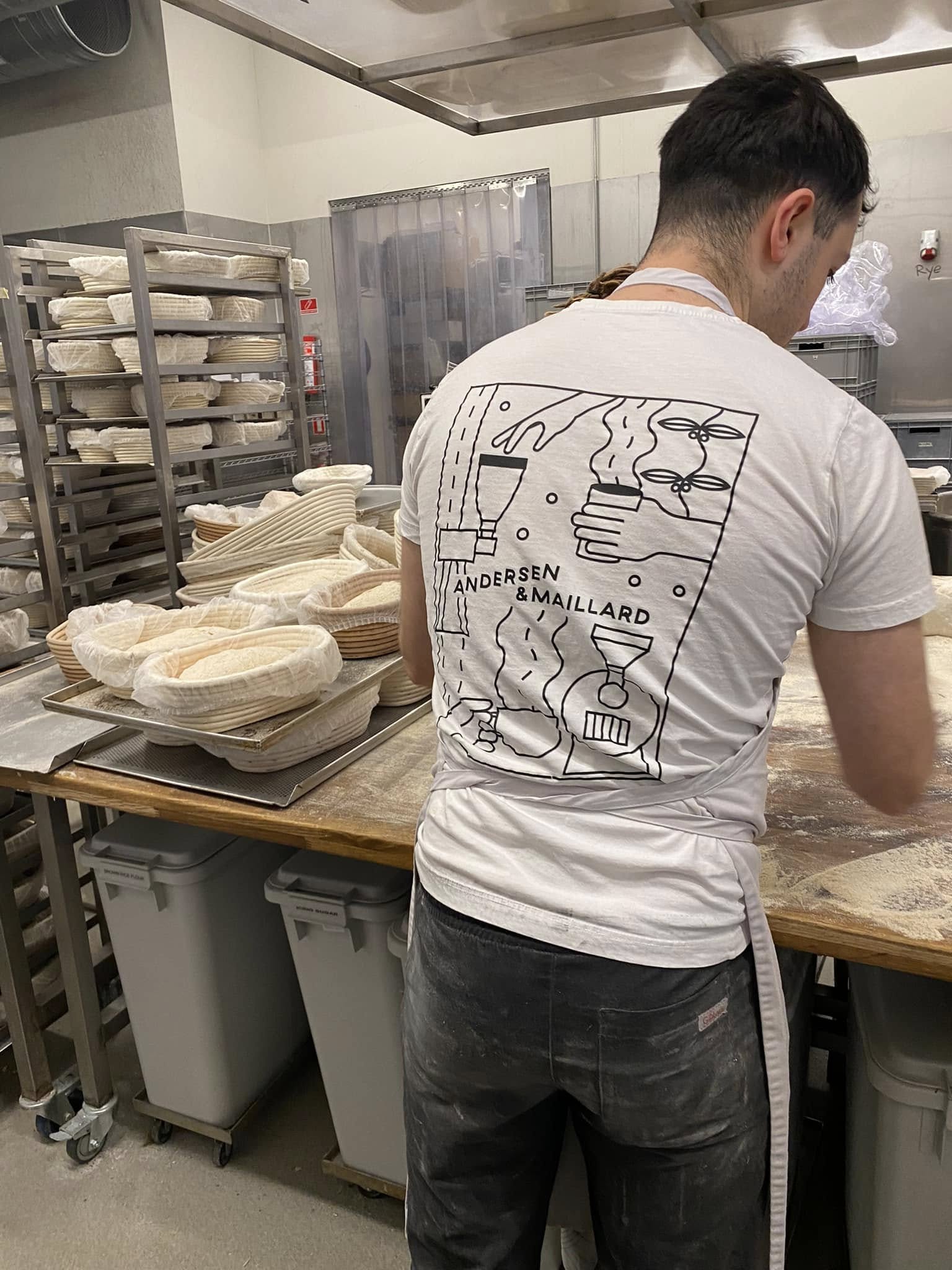
Italy also plays a part in the renewed splendor of Danish baking, thanks to the many young Italian professionals working in local bakeries, primarily in Copenhagen. Among them is thirty-year-old Marco Margaria from Cuneo, trained at Pollenzo’s University of Gastronomic Sciences (UNISG), who now oversees the impressive production at Andersen & Maillard, one of the capital's leading bakeries. Under his direction, three tons of bread roll out of the ovens every week—a figure that speaks volumes about the skill and expertise involved.
Famous across the city for its pistachio Cube Croissant and exceptional loaves, the brand operates three locations, including one in the sleek new Nordhavn district.
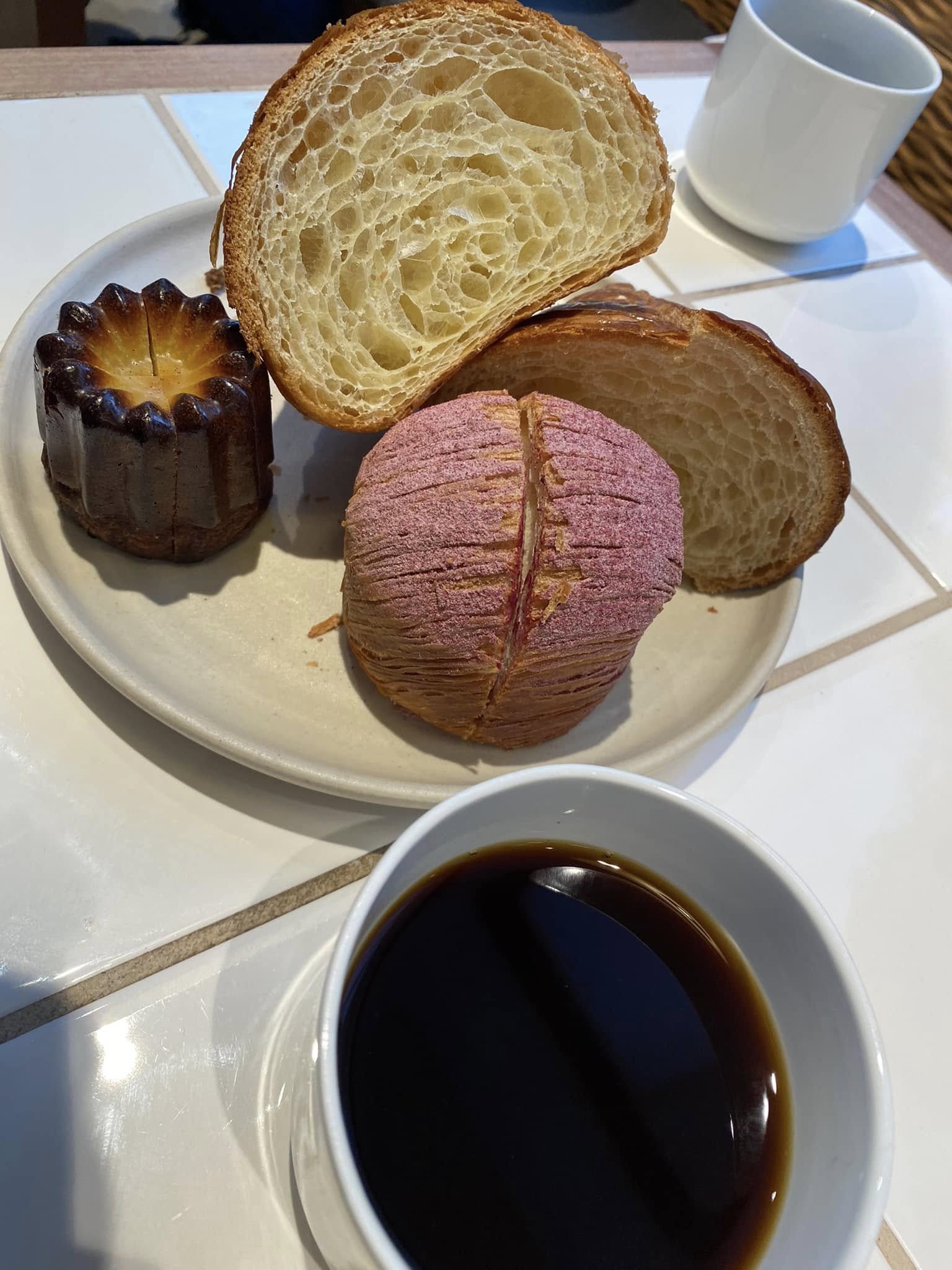
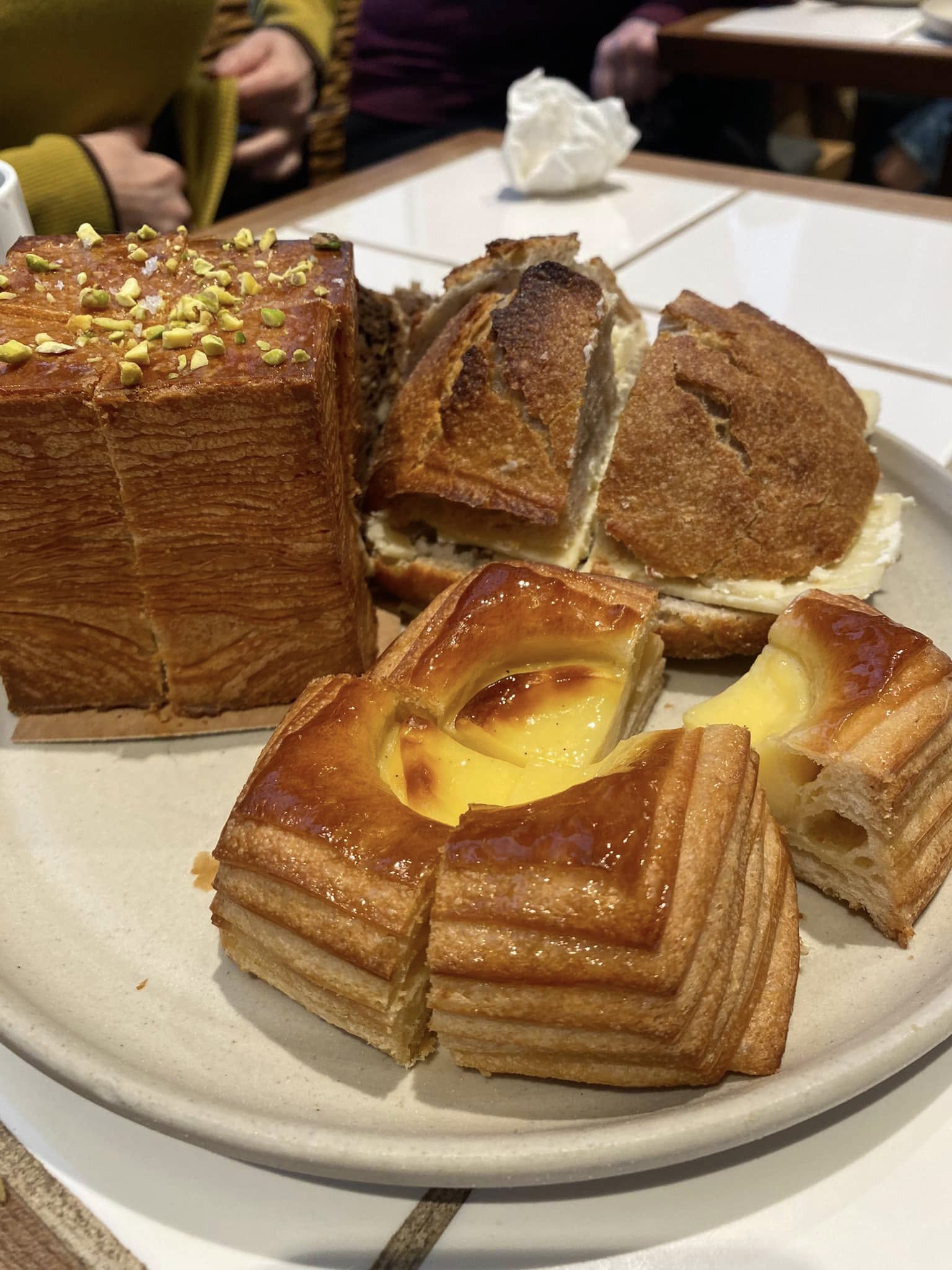
The understated, elegant interiors seamlessly blend Nordic pragmatism with refinement: designed by young architect Danielle Siggerud, the spaces mirror the bakery's philosophy in bright, welcoming settings.
Yet one of the newest frontiers lies elsewhere: local grains. At Tír Bakery—open in Copenhagen for most of the year and popping up in Odsherred on spring and summer weekends—baker Louise Bannon prepares sourdough loaves and pastries, from wild blueberry tartlets to kouign-amann, using freshly milled flours such as Mariagertoba, an innovative gluten-rich Danish wheat variety. In the kitchen at Kadeau, an established fine-dining destination with locations in Bornholm and Christianshavn, flours are sourced exclusively from Bornholm or southern Sweden, transforming into herring tartlets or arctic blackberry pies.
And while Denmark imported much of its pastry heritage, today it exports just as much. "Last year, emerging bakeries in London were making fastelavnsboller," says Talia Richard-Carvajal, 34, creative director and COO at Hart. These soft buns filled with jam and cream, tied to a late-winter Nordic holiday preceding Easter, are taking Europe by storm. In Vienna, at Café Ihana, pastry chef Hanna Yrjölä bakes them throughout the Carnival season, piping them with pastry cream, almond paste, or raspberry jam.