
Moebius: Enrico Croatti’s Gastronomic Ecosystem in Milan

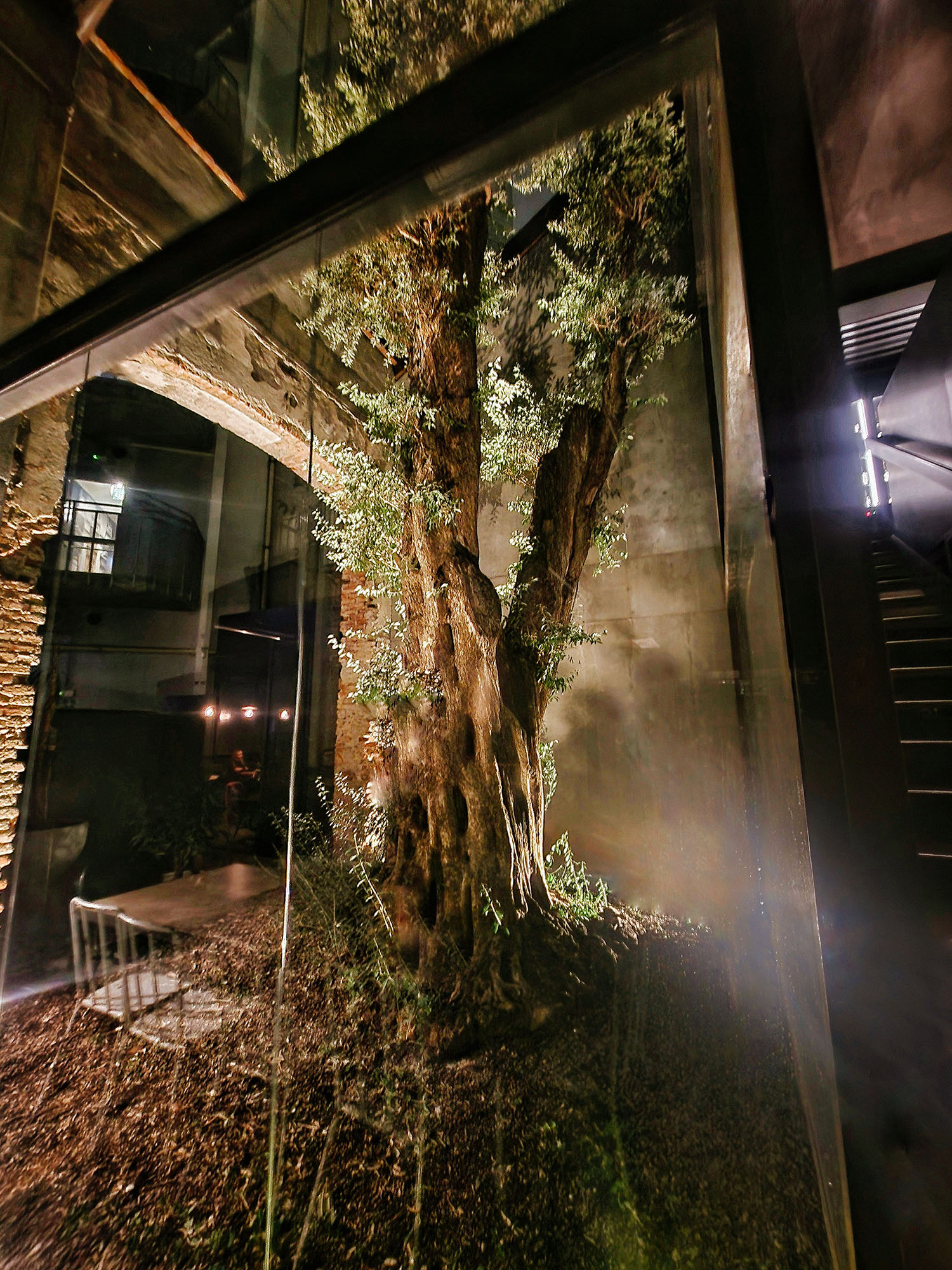
"In the morning, at eight o'clock, when I arrive and no one is here yet, I sit with my coffee in front of our century-old olive tree, looking at it with adoration, thinking that I am in the most beautiful place in the world."
This quote alone captures just how deeply Enrico Croatti—chef and culinary director of Moebius in Milan—loves this project. Forty-two years old, born in Rimini, and true to his Romagna roots, the gift of hospitality is an intrinsic part of his nature.
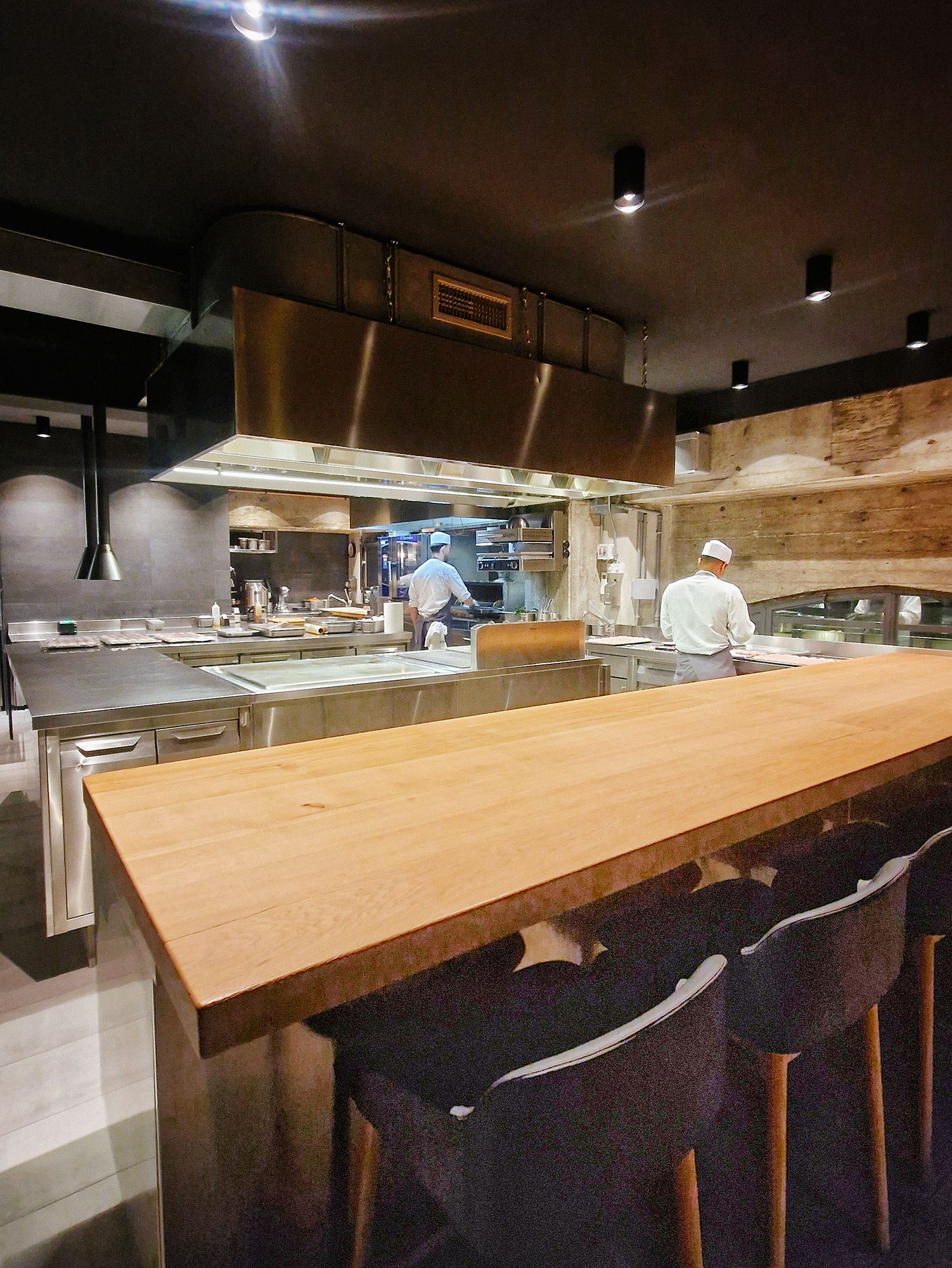
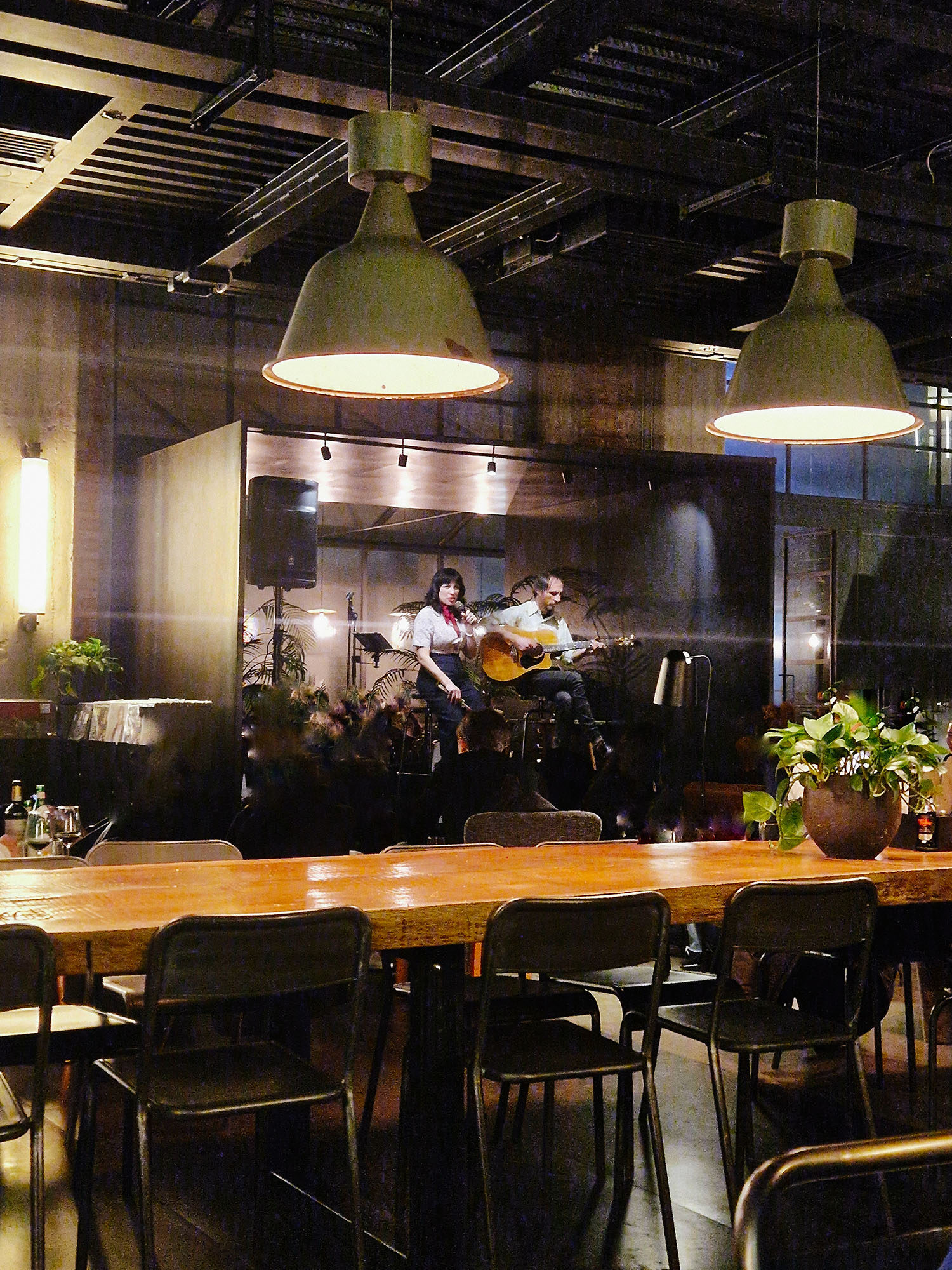
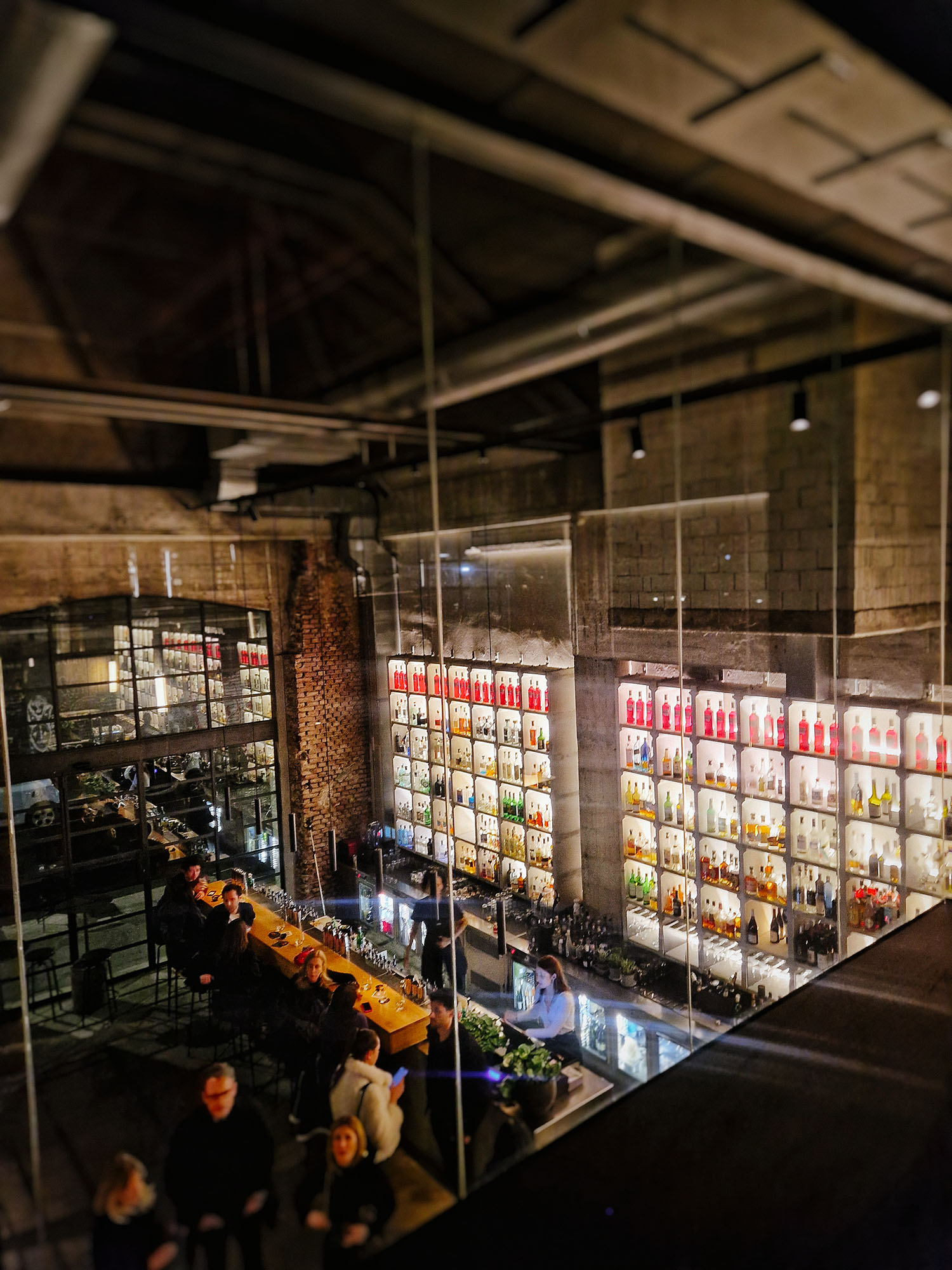
Moebius is a multifaceted project where music, mixology, tapas, and fine dining coexist within a single, visually striking space that reflects the innovative spirit of chef Enrico Croatti and owner Lorenzo Querci.
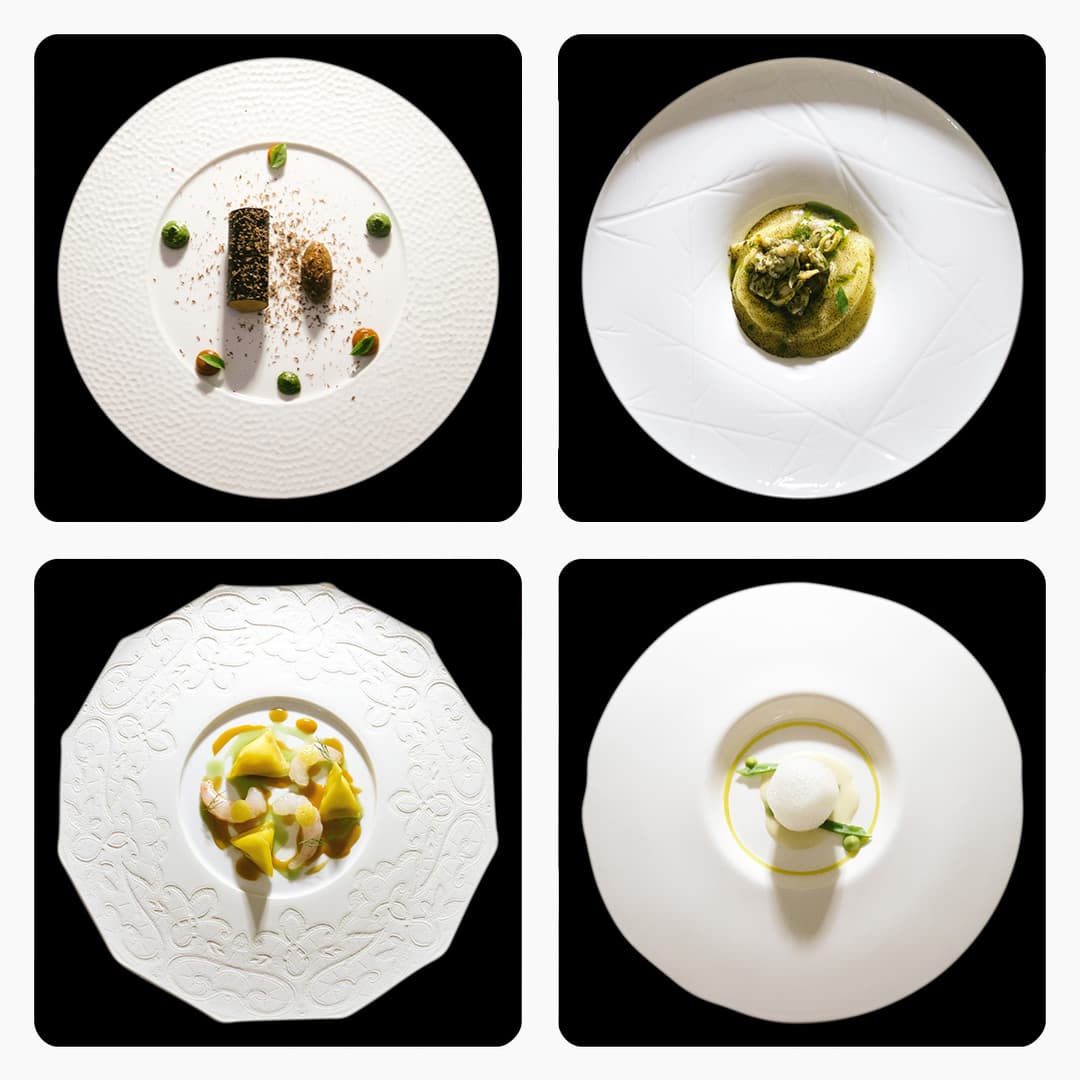
Located in a former textile warehouse on Via Cappellini, Moebius spans over 700 square meters and is articulated through three distinct souls: the cocktail bar, the tapa bistrot with around 120 seats and a large communal table, and Sperimentale. The latter is a 12-seat counter facing one of the kitchens, set in a structure suspended four meters high. Here, Croatti’s creativity runs untamed, delivering pure fun and culinary delight to diners—an approach that also earned the venue a shimmering Michelin star.
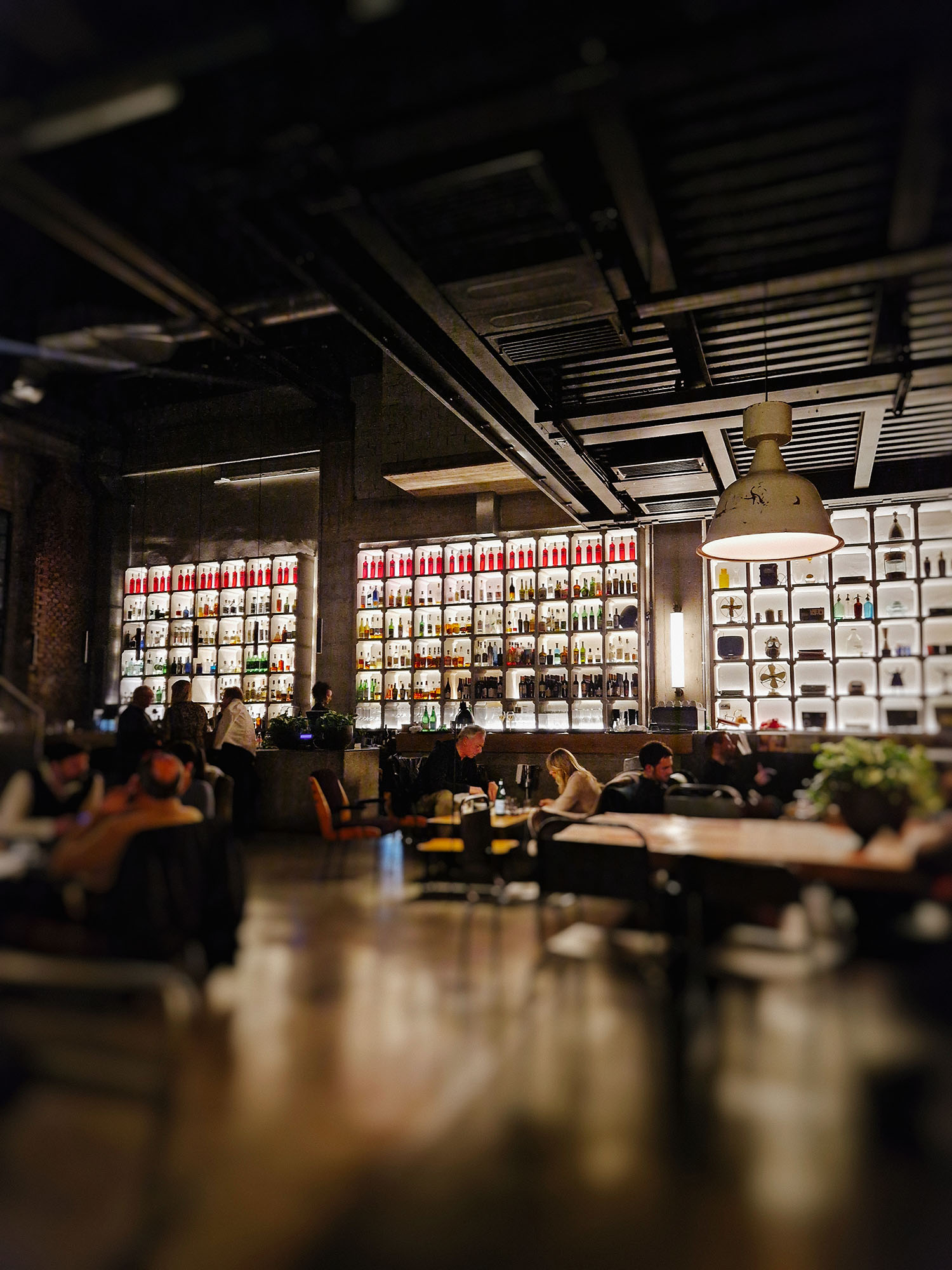
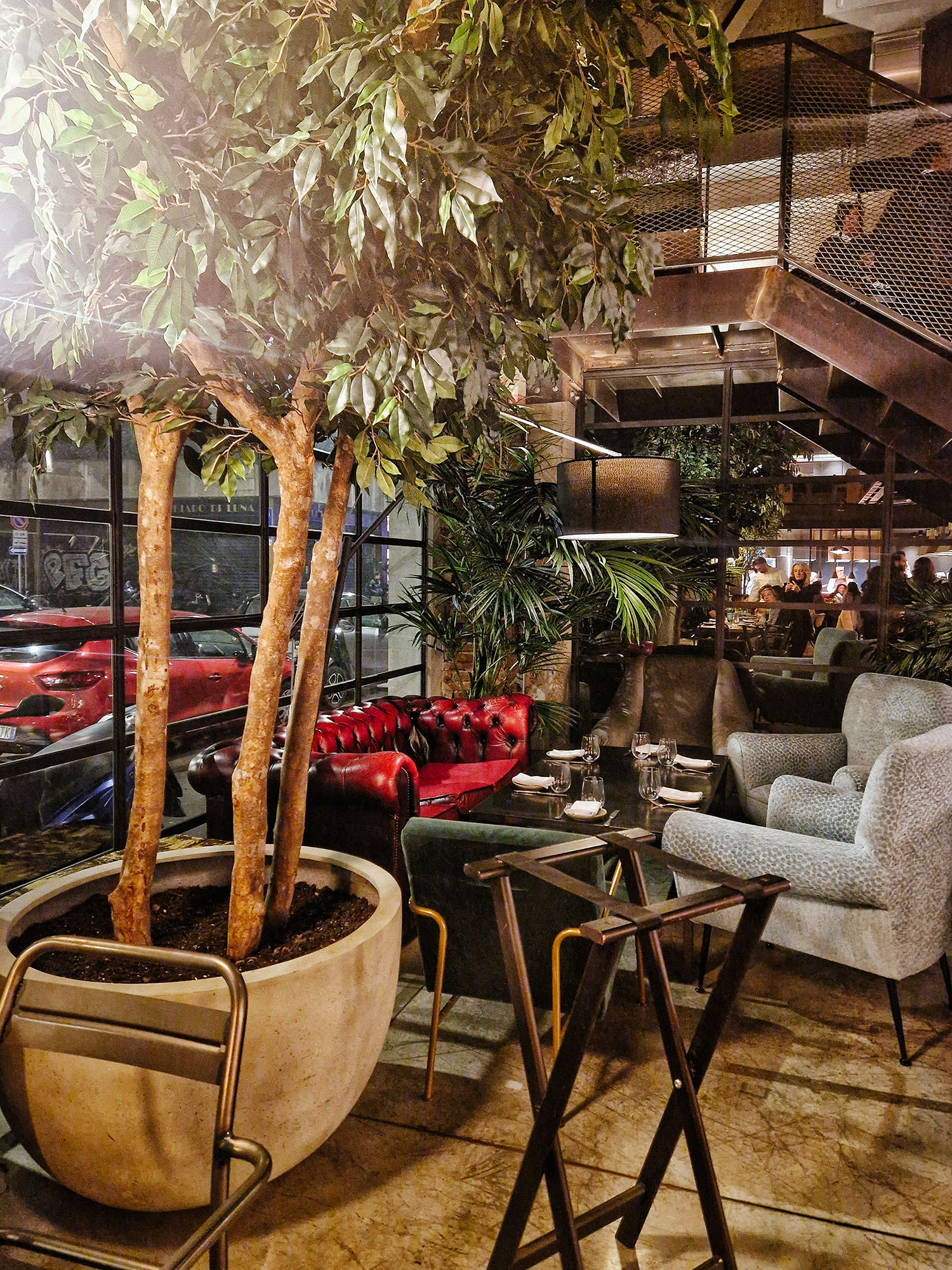
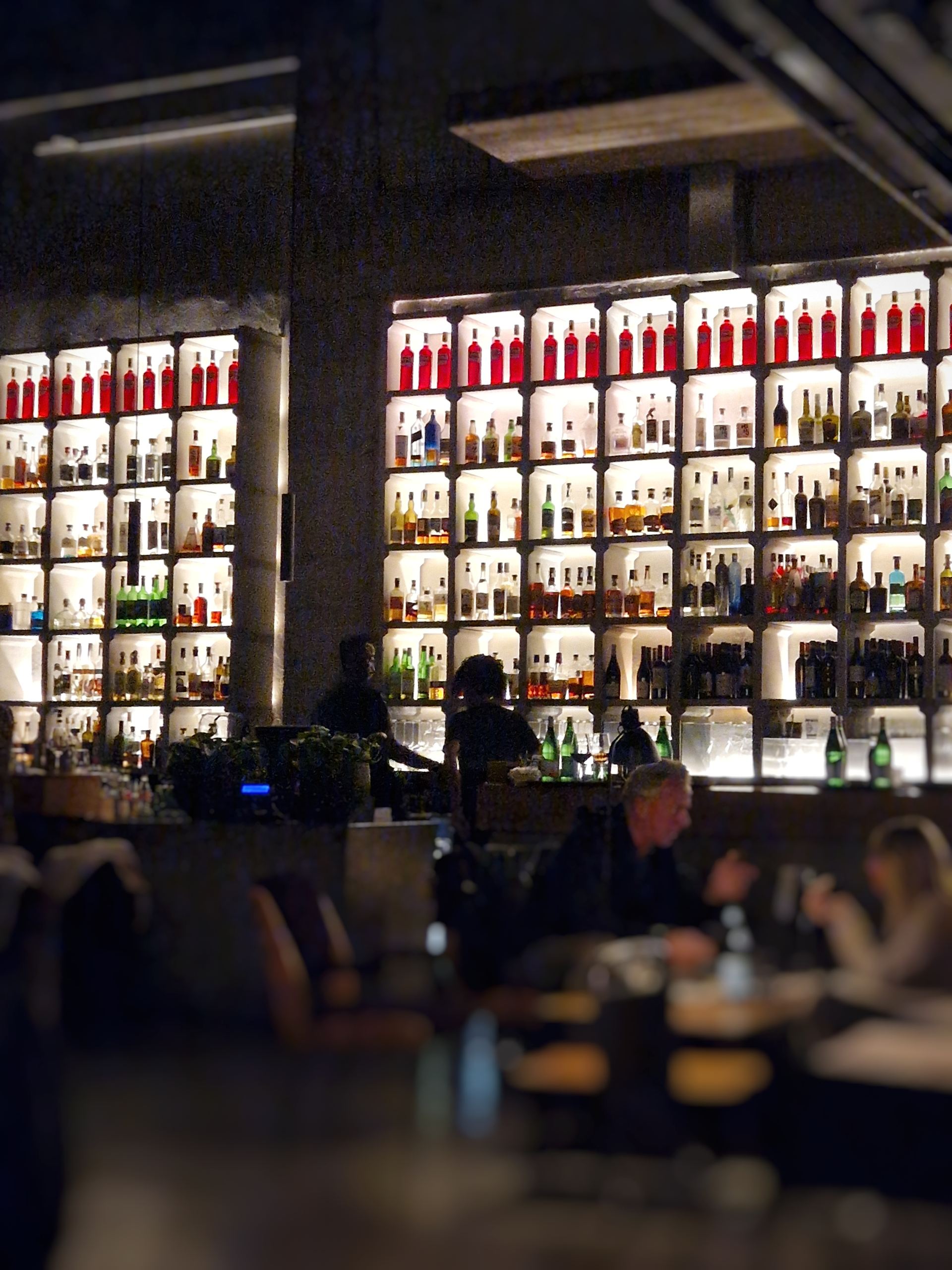
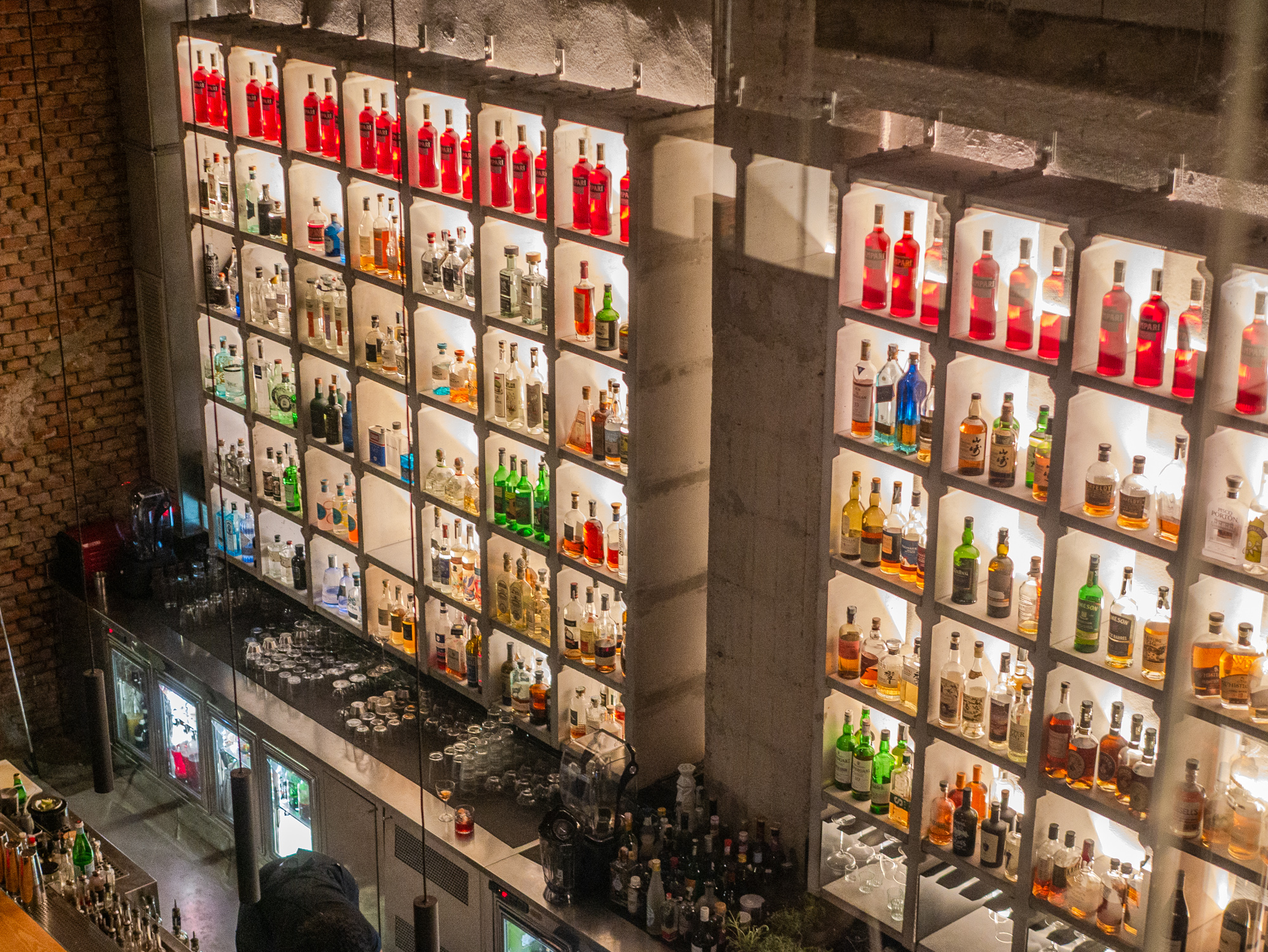
The venue features an urban industrial design where the vivid colors of spirits bottles illuminate the compartments of a majestic raw concrete display wall. Raw steel beams, natural wood, a small stage for live music, and the aforementioned century-old Spanish olive tree—eight meters tall, transported straight to the heart of Milan and planted indoors—are surrounded by massive glass panels so it can be admired from anywhere inside. The space was crafted with a cultured architectural vision by Florence-based studio Q-bic, renowned for its extensive expertise in urban redevelopment, adaptive reuse of historic buildings and industrial sites, and a strong passion for experimentation that balances traditional materials with contemporary aesthetics—especially within hospitality and dining projects.
"The first time we saw this massive building covered in graffiti," Croatti recalls, "Lorenzo and I started daydreaming, and step by step, the project materialized. Without overthinking strategies, we wanted to build a venue unlike any other, one that contained multiple souls within a single space. But above all, we put on paper the exact results we wanted to achieve—because before launching anything, building a solid business plan is essential."
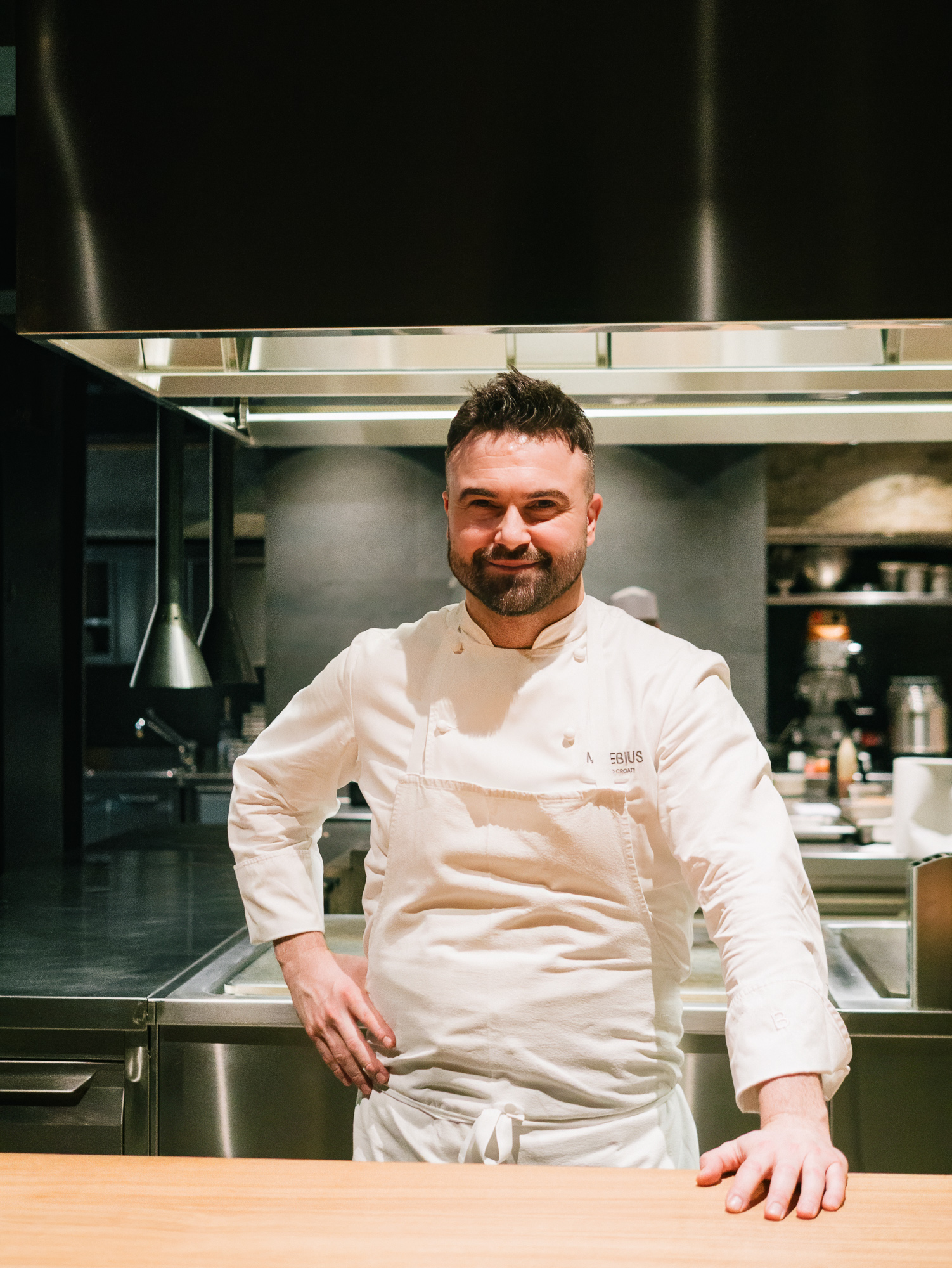
Indeed, Enrico is undoubtedly an eclectic chef—now on his third Michelin star—who also fully understands how to execute a business plan, a skill that has become crucial for modern chefs and one he acquired through years of high-level experience. His journey began overseas at Angelini Osteria, founded by Rimini chef Gino Angelini (a protégé of Gualtiero Marchesi), whose Los Angeles restaurant turned him into one of the most respected Italian chefs in the United States.
Croatti returned to Italy in 2008 to co-found DV Chalet, a boutique hotel in Madonna di Campiglio housing restaurant Dolomieu, which earned a Michelin star shortly after. Simultaneously, he opened Oro Bianco in the province of Alicante, Spain, falling in love with its enchanting views and acting as an ambassador for contemporary Italian fine dining. Four years later, the Spanish Michelin Guide awarded it a star—making it the first Italian restaurant on Spanish soil to earn the accolade. After eleven years, he transitioned to his second executive role at Oro Bianco, returned to Italy, handed over the reins of Dolomieu to a colleague, and turned his dream toward Milan. "I have always thought it was the only Italian city where you can realize projects beyond traditional conventions," says Croatti, "a place where you can experiment because the audience is genuinely curious about the new."
Then came the meeting with Sienese-born Lorenzo Querci—whose family of restaurateurs owns Il Bandierino in Piazza del Campo, Siena. Together, they discovered this space, which immediately captivated them and inspired a wealth of ideas to assemble into a singular concept. "Those eight months were incredible," the chef shares. "Lorenzo and I felt like kids, building the venue of our dreams without preconceptions and with just a touch of recklessness."
Moebius boasts a powerful aesthetic and gastronomic identity. The cocktail bar—currently ranked 38th on the "50 Best Bars" list—the bistrot, and the restaurant interconnect without hierarchical boundaries; there are no "first-class" or "second-class" formulas here. This is not a fine-dining establishment opening a casual bistrot merely to keep afloat, but a collection of offerings designed to suit different moods and schedules. At Moebius, guests can opt for a quick bite, share tapas, or embark on an extended culinary journey; the approach remains meticulously curated and consistent throughout. Every evening, the venue comes alive with hundreds of happy faces immersed in striking, unapologetic beauty.
"What customers actively avoid today," Croatti notes, "is a rigid experience where they are relegated to passive spectators of the chef's ego as the sole star on stage. That very mindset is what led fine dining to be perceived as distant, almost like a 'monster.' But in reality, it is simply one of many forms dining can take. What matters is that it rests on ethical principles and solid financial sustainability. Cost analysis and business model viability must be evaluated during the design phase, not after launching—by then, it’s too late to pivot."
The team at Moebius has worked together since its opening in 2019, successfully navigating the challenges of the pandemic thanks to the active involvement of every team member, who remained engaged during times of need and strategic adjustments. This shared drive inspired a new venture: last January, they opened Lubna in the post-industrial landscape of the lively Scalo Romana neighborhood, just steps from Fondazione Prada. Centered on live-fire cooking and embers, Lubna represents a return to origins for Croatti, inspired by the flavors of Romagna: mixed grilled meats, squid skewers, and a surprising ember-baked lasagna—the result of extensive experimentation—crispy on the outside and succulent within.
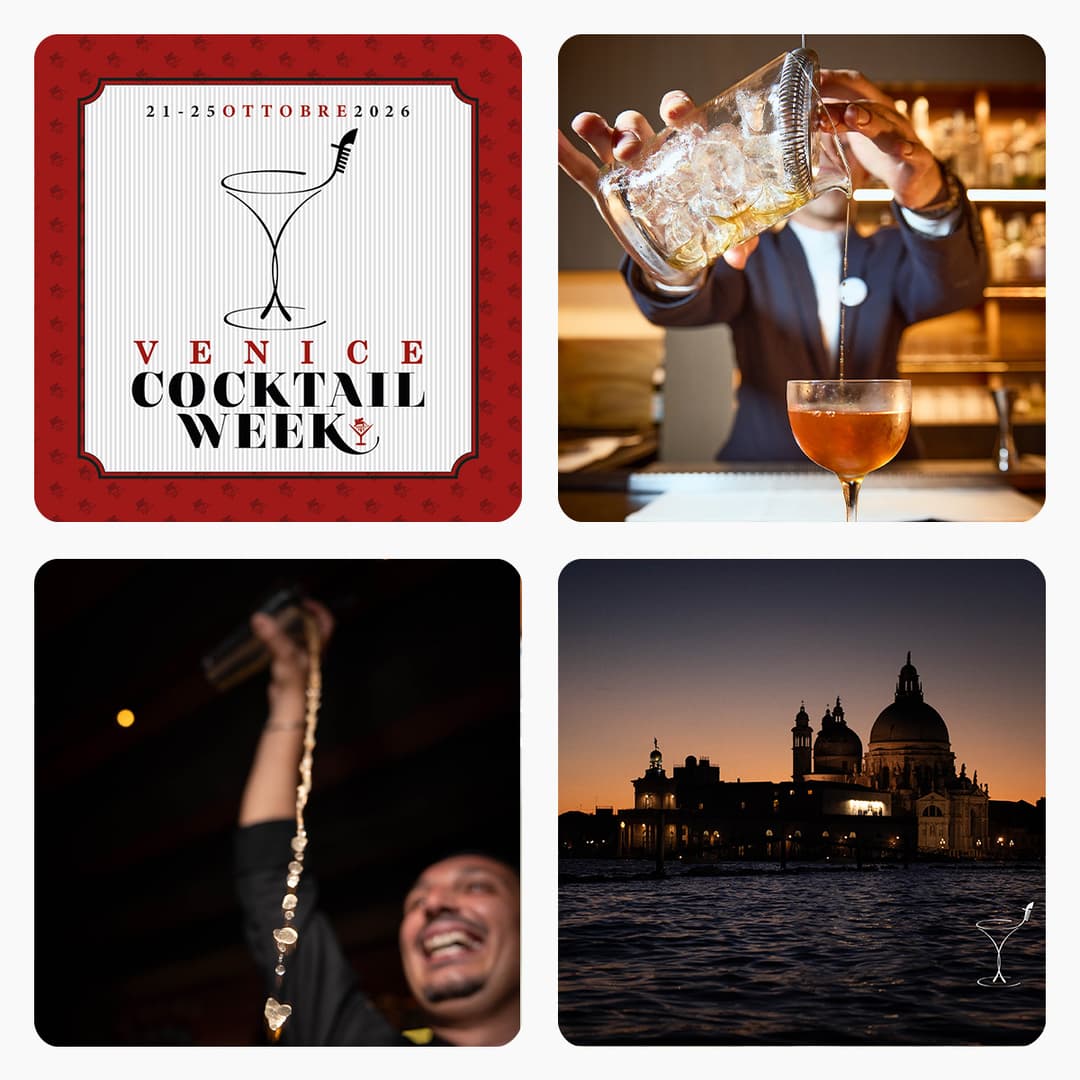
Back at Moebius, guests are greeted by the vibrant energy of the bar, situated next to a curated selection of new and vintage vinyl records spanning jazz and contemporary sounds, managed by the versatile bar manager Giovanni Allario. "We always strive to adapt to our guests' preferences," Allario explains. "In Italy, the most beloved drink is undoubtedly the Gin & Tonic, which is why we always feature cocktails on the menu that echo its character."
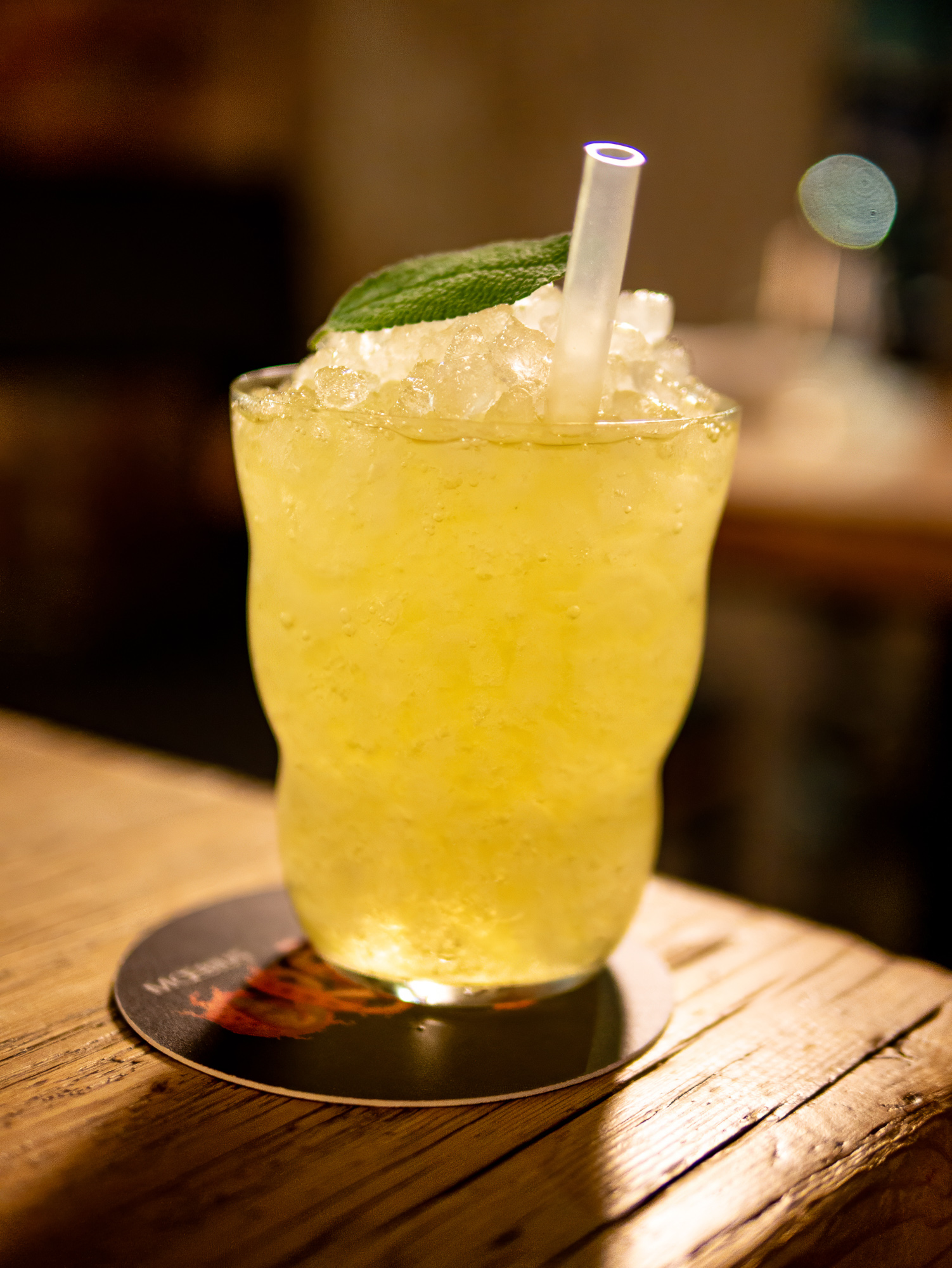
Enter the Yuzu Tonic: gin, yuzu, sake, Fino sherry, tonic water, sparkling water, and tarragon oil, delivering a burst of freshness. Meanwhile, behind the Palo Santo Cooler lies the idea of bringing a traditional mojito to Europe: palo santo—which leans minty—is combined with gin, mezcal, clarified green apple juice, sage, and dill for a crisp, herbaceous profile.
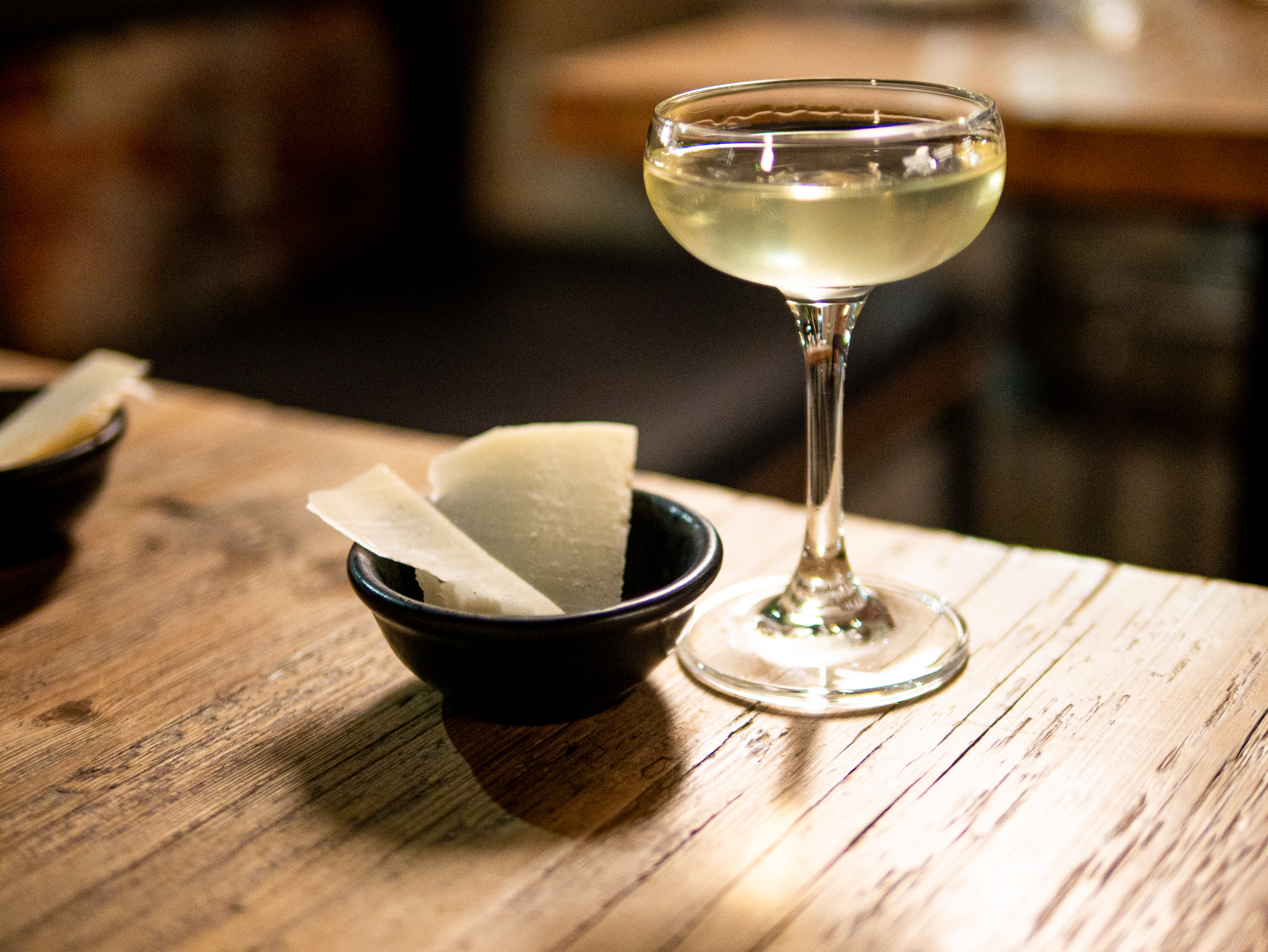
The Pesto Martini, on the other hand, is fast becoming a signature: a vodka martini infused with house-made, garlic-free, and salt-free pesto, blended with white and dry vermouth, white balsamic vinegar, and re-infused with fresh basil to capture the brightest vegetable notes. It is best enjoyed alongside bites of Parmigiano Reggiano, allowing the cheese's savory, rich profile to evolve on the palate with every sip.
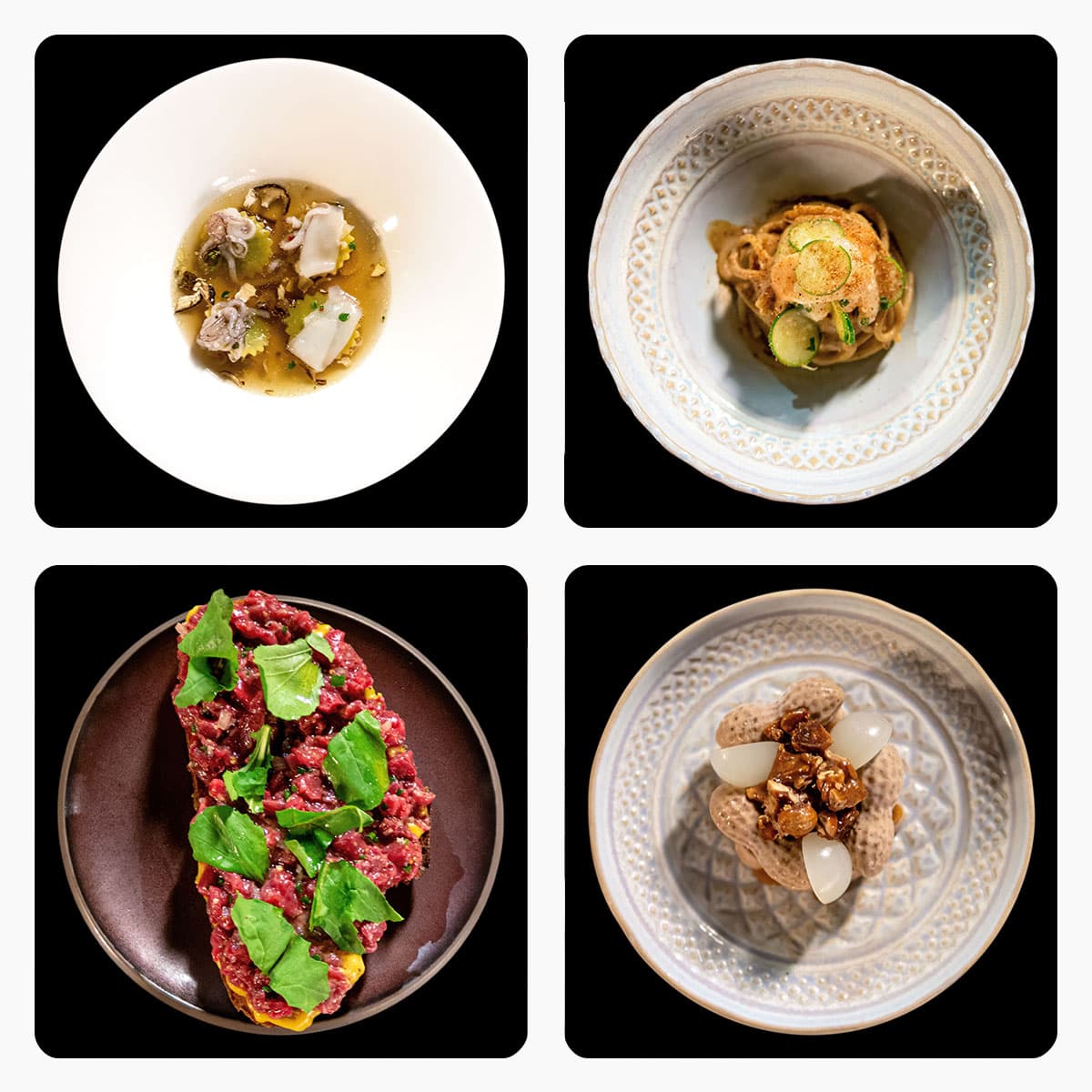
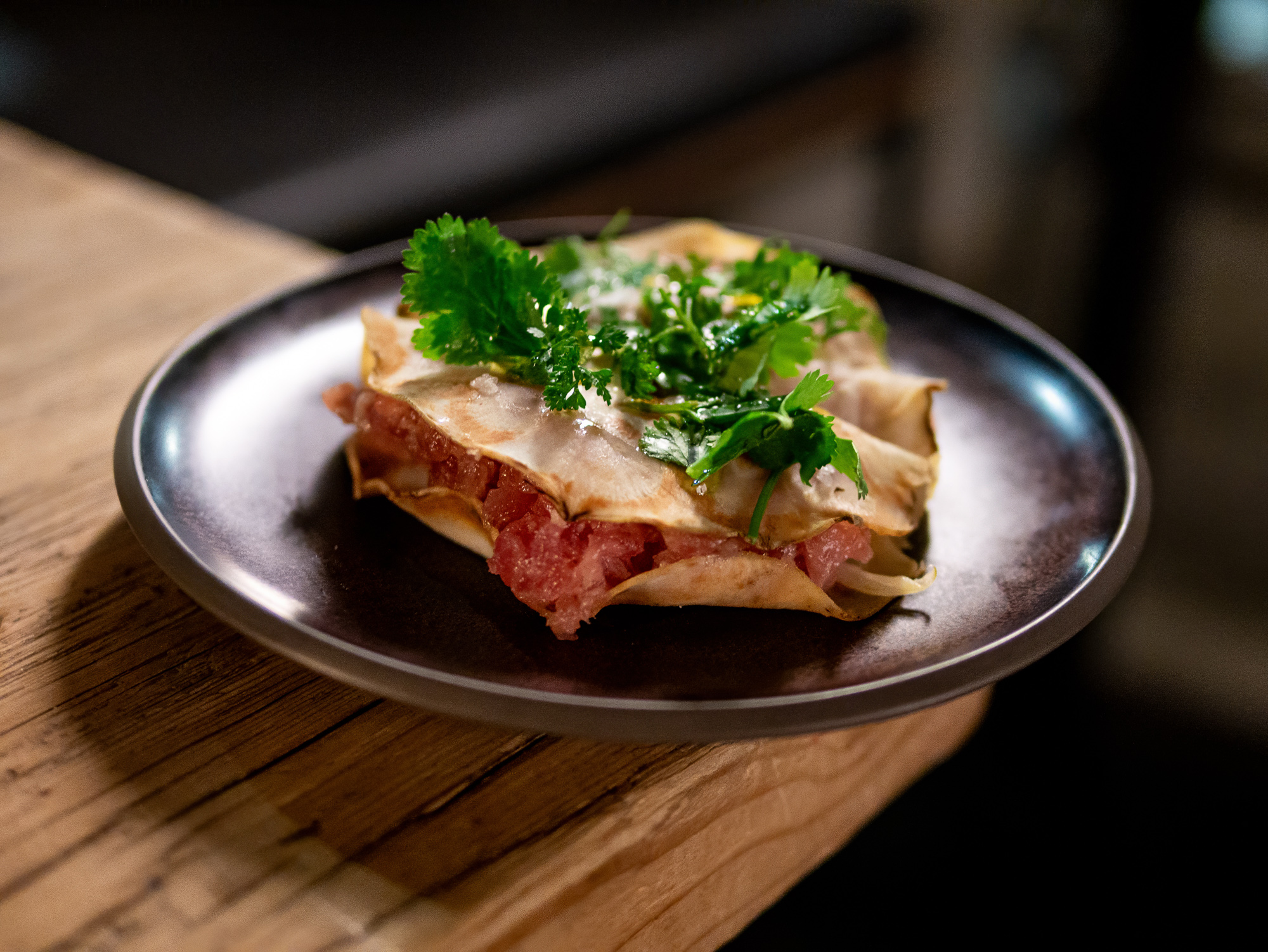
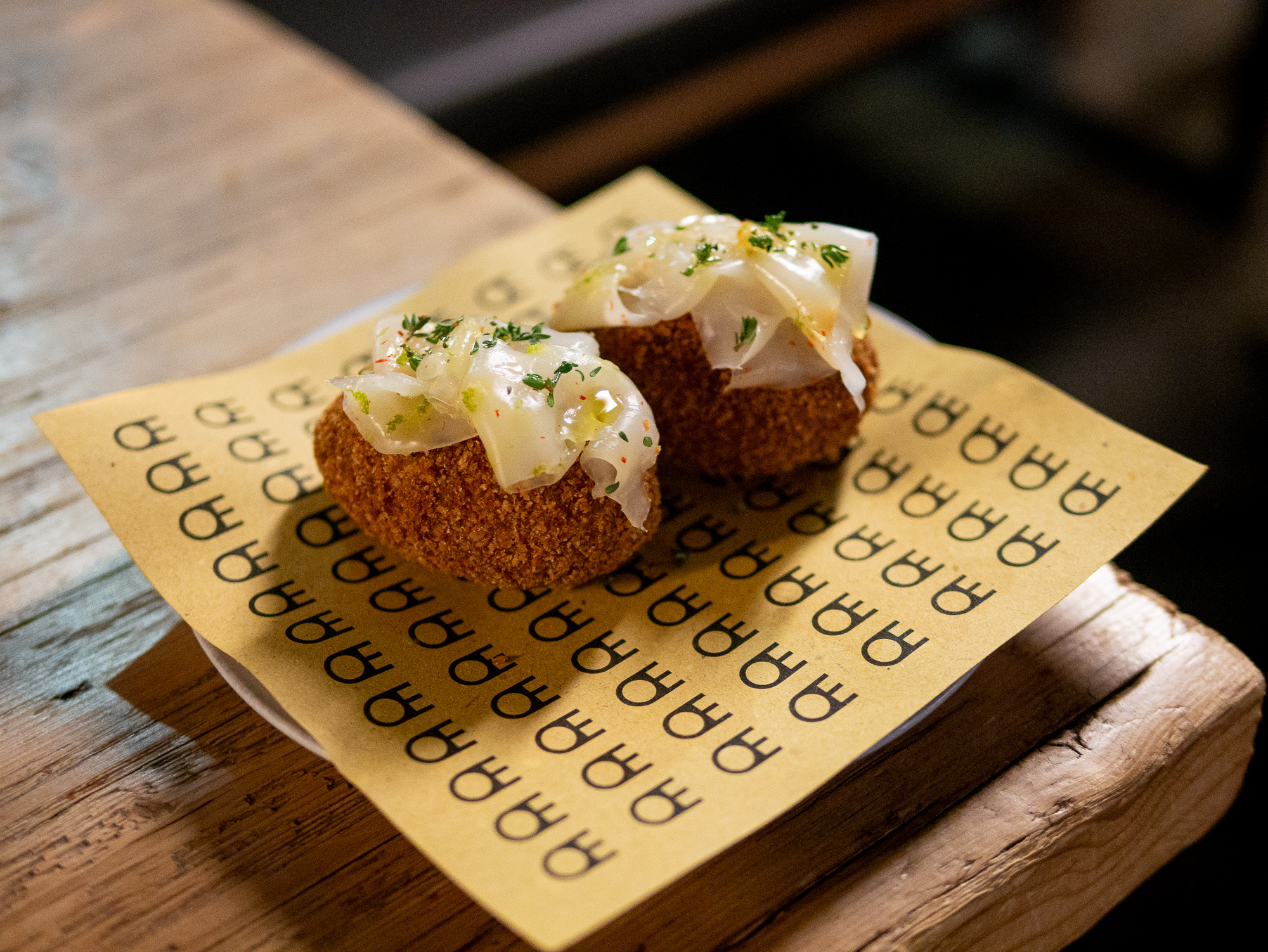
To accompany the drinks, a taco crafted from lightly seared, subtly crispy celeriac slices comes filled with tuna tartare, wasabi mayonnaise, Borretane onions, and mezcal-seasoned herbs. The cuttlefish croquette offers a crunchy bite opening to a creamy center, topped with a touch of cuttlefish carpaccio dressed in olive oil and a delicate, non-intrusive chili note.
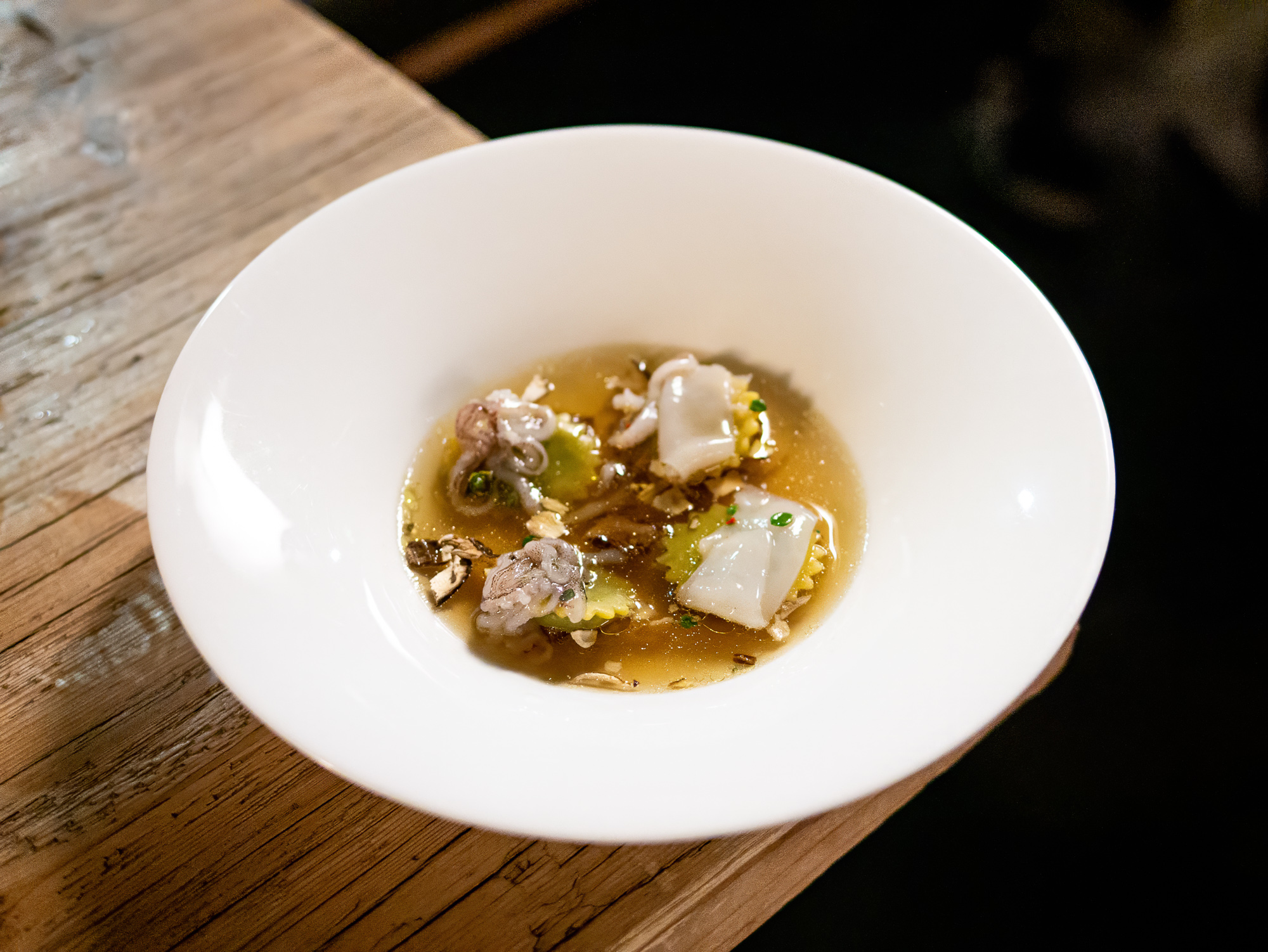
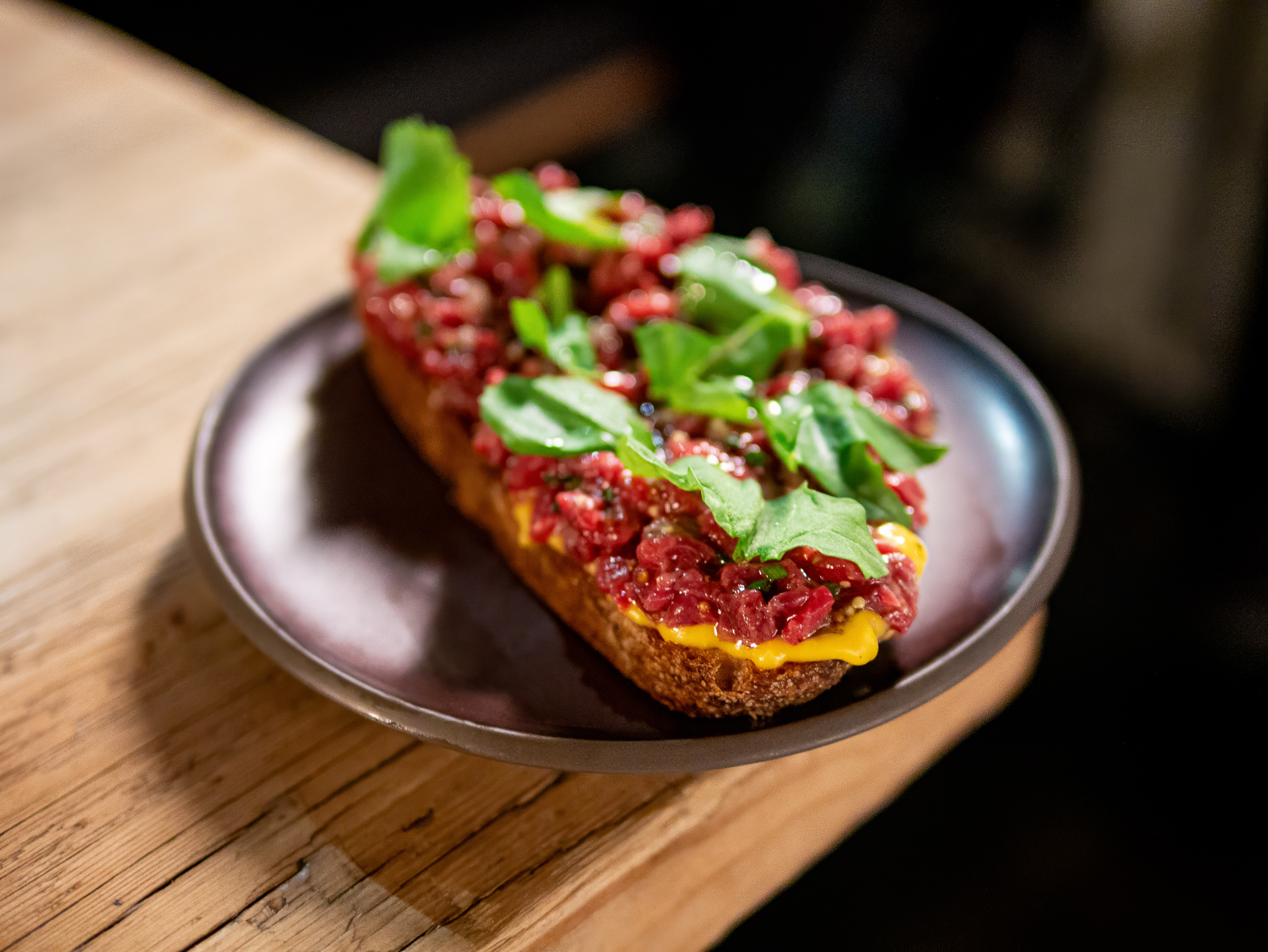
The cappelletti al ferro are intense and well-rounded, cooked in a grilled broth with baby squid and house-preserved porcini mushrooms harvested in September and October. Elsewhere, a guanciale zabaglione coats a beef tartare dressed with citronette, chives, shallots, mustard seeds, and arugula, served over toasted bread.
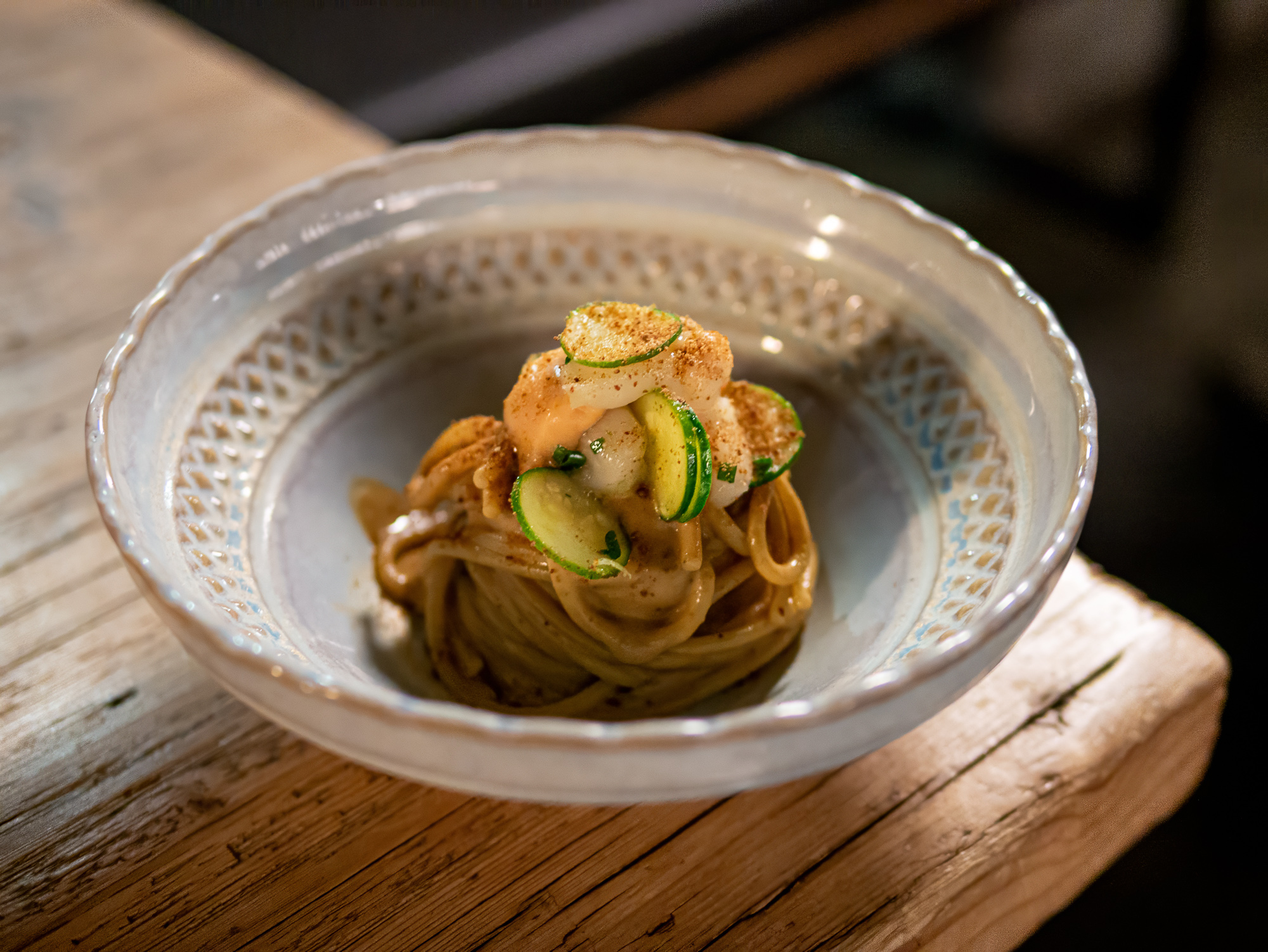
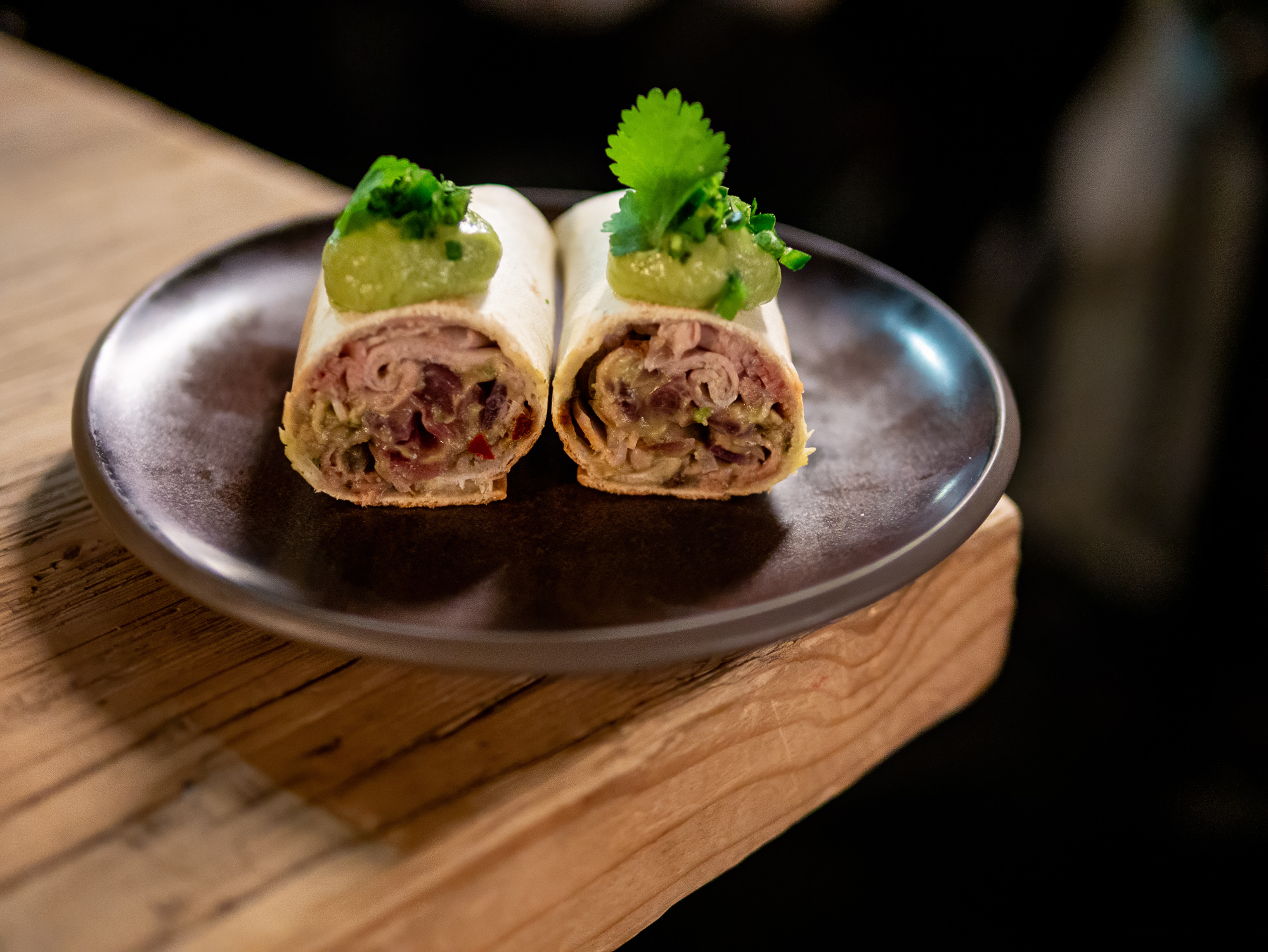
The pork burrito features a luscious pork collar, marinated a week prior to cooking and dressed with guacamole, cilantro, and minced jalapeño. For a supreme indulgence, the spaghetti is tossed with a mussel cream, raw sea scallop, zucchini, and bottarga.
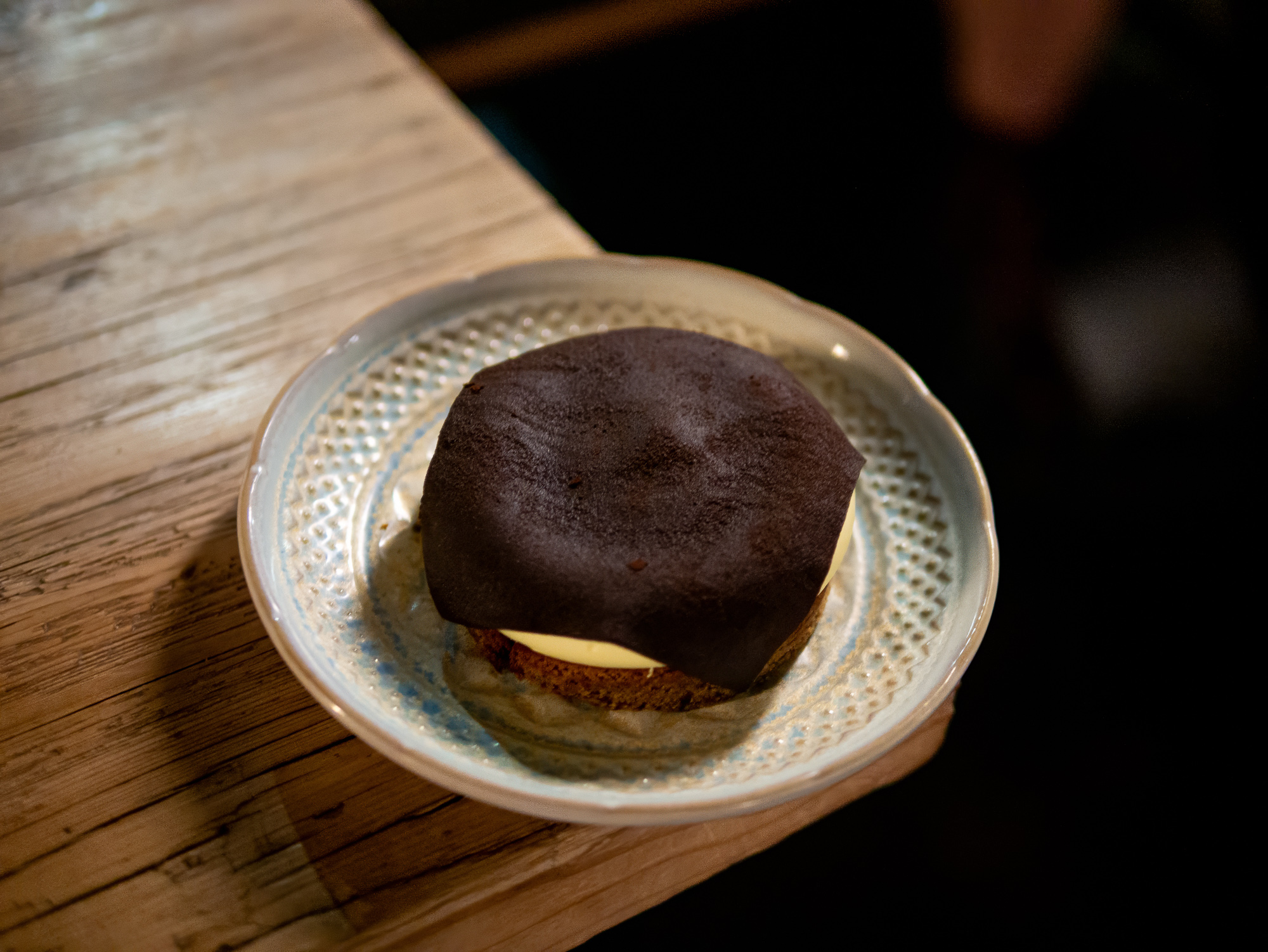
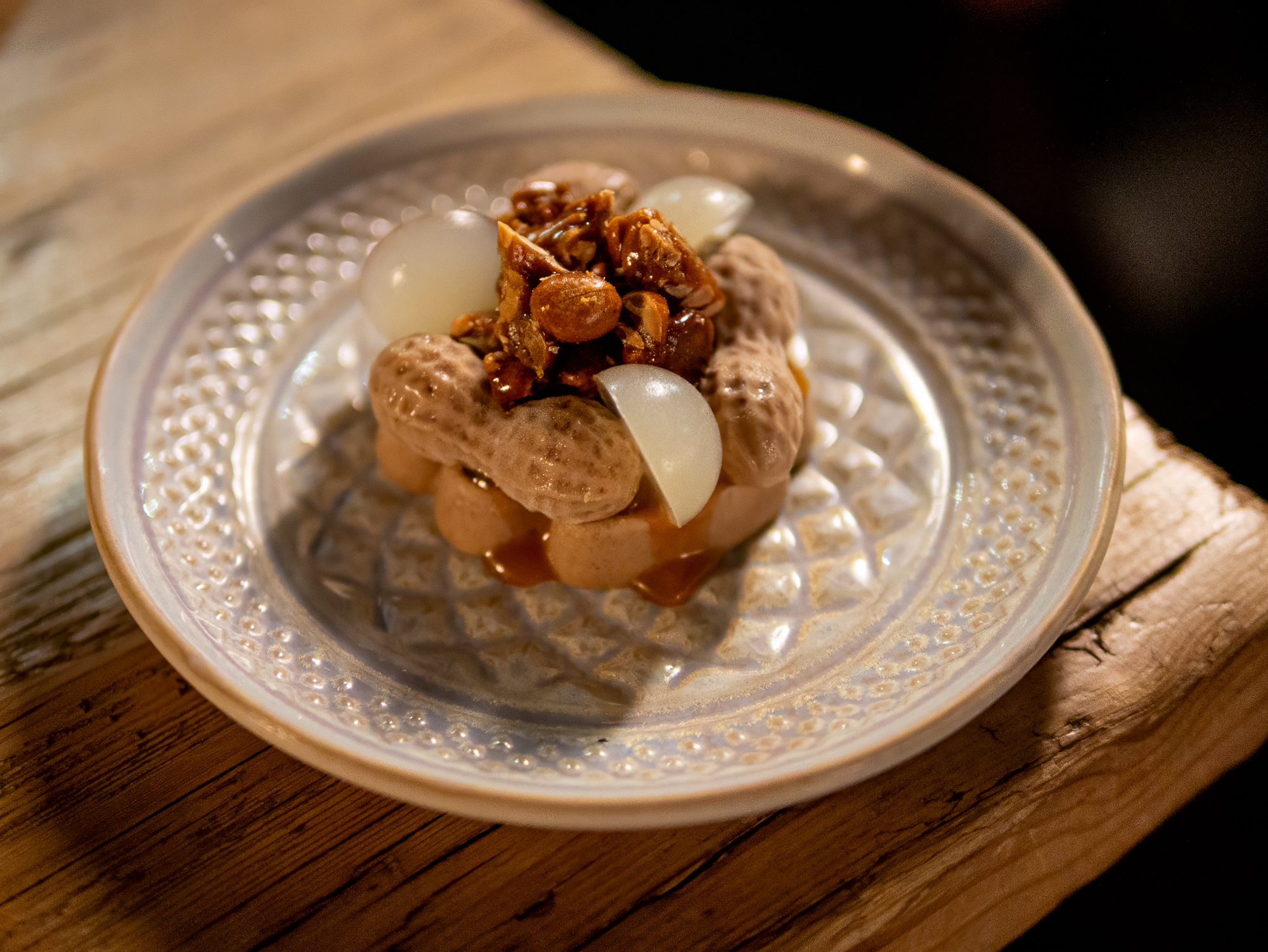
The tiramisu—crafted by pastry chefs Valerio Pippo and the young Stefano Barghini—is a Croatti family recipe built on a gianduja biscuit base, mascarpone mousse, and coffee cremoso, dusted under a delicate veil of coffee and cocoa. For a fun treat, the Peanuts dish presents a peanut cremino with salted caramel, lemon jellies, and caramelized peanuts.
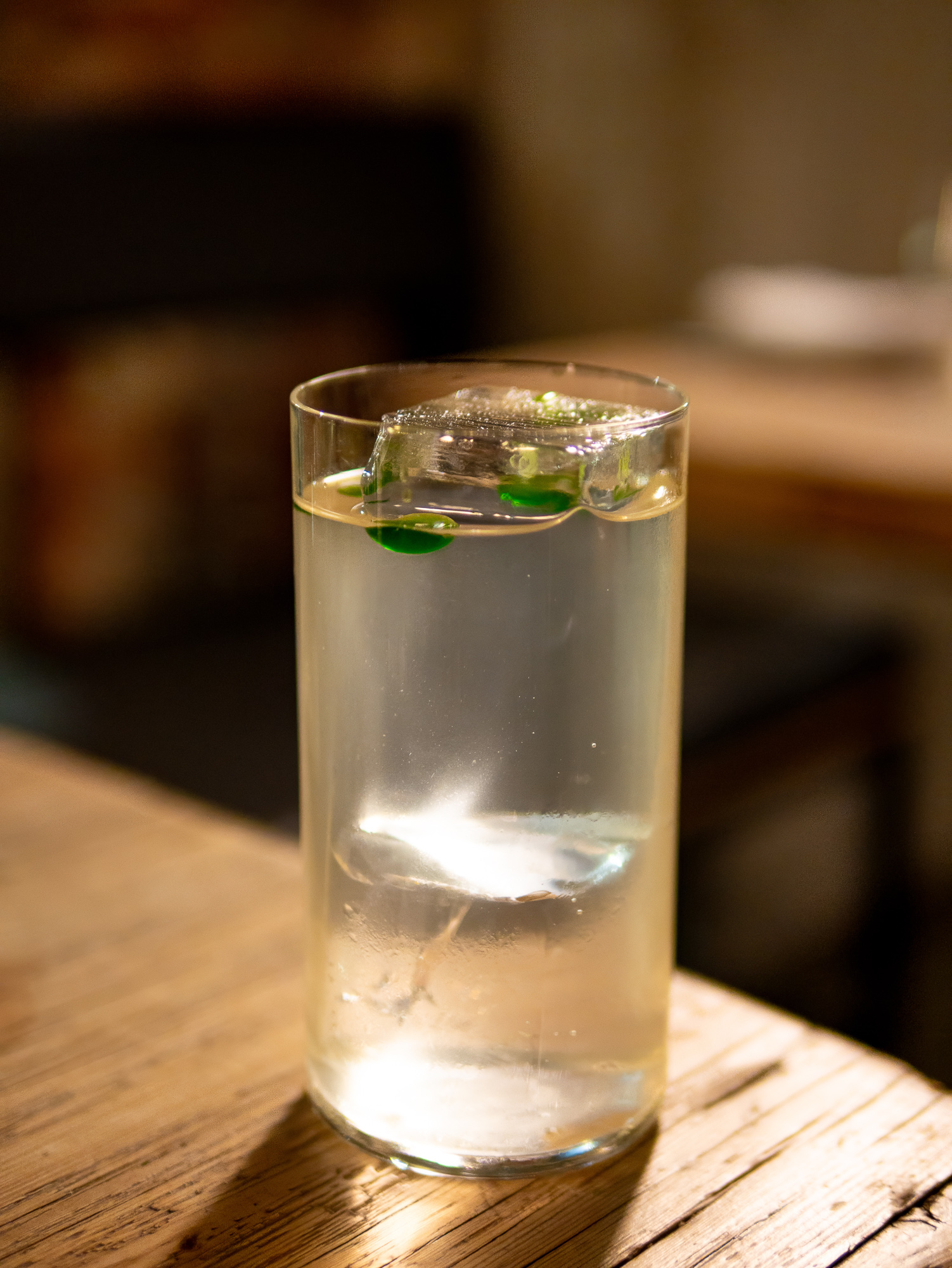
The final palate reset is entrusted to a Gin Lemon, where pure gin, leaf lemons infused in natural mineral water, and sugar chill together in seamless harmony.